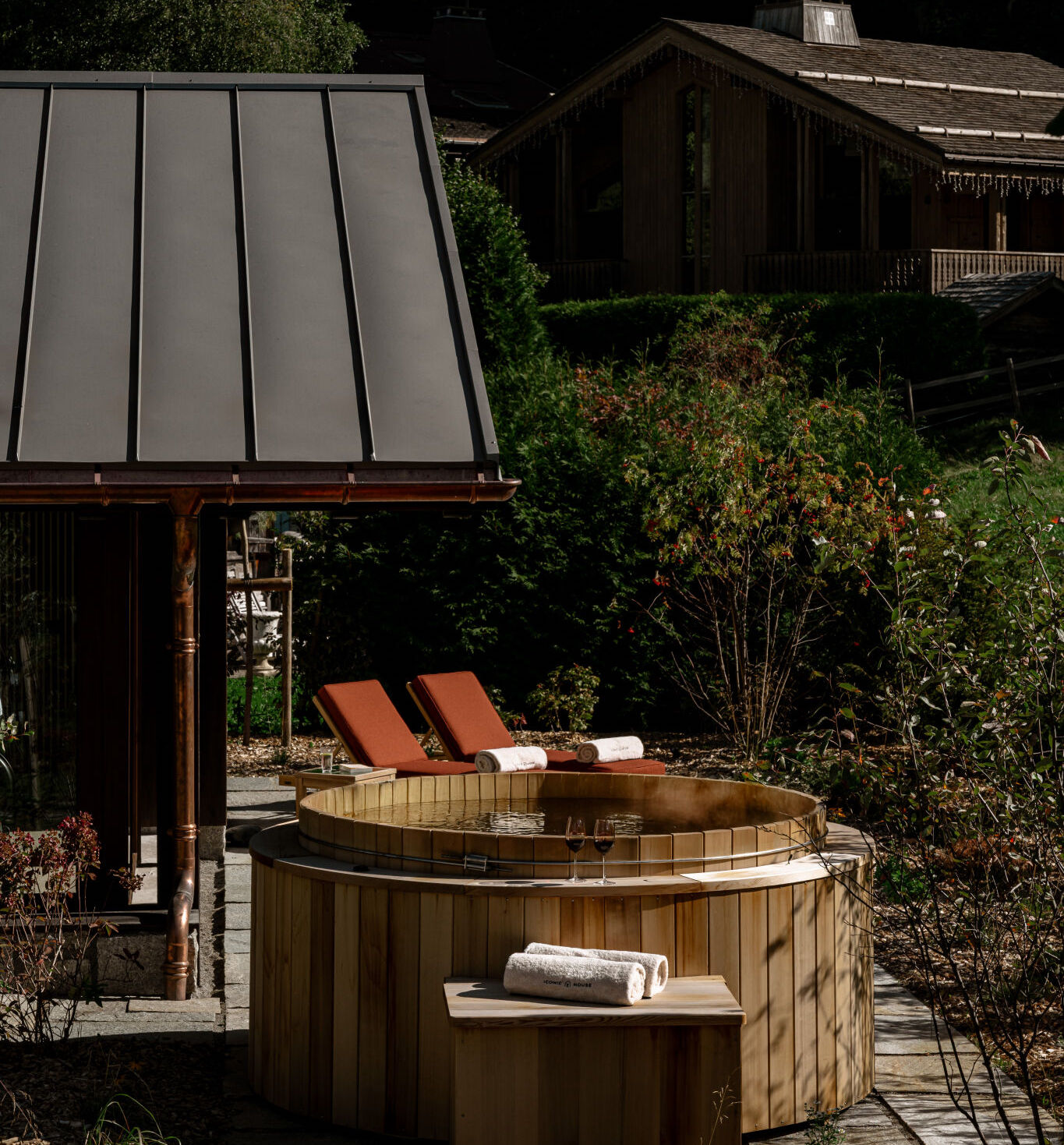
If most ski chalets are content to whisper “cozy,” Le Sarto walks into the room in a tailored wool coat, orders something sparkling, and says, “Let’s make this interesting.” Perched in Megève in the French Alps, this Art Deco chalet proves that mountain-house design does not have to default to antlers, oatmeal upholstery, and enough reclaimed wood to start a small lumber museum.
What makes Le Sarto so compelling is the tension it handles beautifully: it is rooted in Alpine architecture, yet it leans into the glamour, geometry, and theatrical polish of Art Deco. That combination gives the home real personality. It feels warm without being sleepy, elegant without being uptight, and historical without smelling like a velvet rope and a “please do not touch” plaque.
For anyone looking for fresh French Alps interior design inspiration, a smarter mountain home design strategy, or a more original take on chalet decor ideas, Le Sarto offers a master class. Here are nine design ideas worth stealingpolitely, creatively, and preferably with your own twist.
Why Le Sarto Is Such a Smart Design Reference
Before we get into the ideas, it helps to understand why this house works so well. Le Sarto is not interesting because it is expensive. Plenty of expensive homes have all the charisma of a luxury dental office. It is interesting because it respects the architecture first. The house keeps its Alpine bones, then layers color, art, craftsmanship, and comfort on top. That order matters.
In practical terms, that means the home does not fight its timber structure, its carved woodwork, or its mountain setting. Instead, it turns those qualities into a stage set for richer color, bolder pattern, more sculptural surfaces, and more memorable rooms. If you want a home that feels collected instead of catalog-ordered, this is the blueprint.
1. Preserve the Bones Before You Add the Drama
The first lesson from Le Sarto is almost annoyingly sensible: keep the good stuff. The chalet’s historic architecture, original woodwork, and Alpine identity are not treated as obstacles to modernization. They are the reason the redesign has depth.
This is where many renovations go wrong. Homeowners panic, rip everything out, and replace century-old character with smooth drywall and a lighting plan that feels like a chain hotel lobby. Le Sarto avoids that mistake. Its charm comes from letting the structure speak first.
How to steal it
If your house has original beams, millwork, stone, railings, or built-ins, start there. Restore before replacing. Strip back layers that do not belong. Refinish wood instead of painting over it out of impatience. The goal is not to freeze your home in time; it is to give your updates something meaningful to interact with.
Think of the architecture as the bass line. The color, furniture, and lighting can improvise, but the rhythm has to be solid.
2. Pair Warm Wood with Reds, Pinks, and Greens
Le Sarto’s palette is one of its cleverest moves. Instead of treating all that honeyed wood as an excuse to stay relentlessly neutral, the interiors push into reds, pinks, and greens. The result is warm, lively, and completely unlike the standard beige-on-brown mountain formula.
This palette works because it plays off the timber rather than competing with it. Reds make the wood feel richer. Greens connect the interior to the landscape outside. Pinks soften the heavier elements and keep the rooms from becoming too stern or overly masculine. Together, they create an interior that feels vibrant without becoming chaotic.
How to steal it
Start with the wood tone already in your home and choose colors that flatter it. For golden or medium woods, muted berry, oxblood, dusty rose, moss, sage, and forest green are strong choices. Use one dominant color, one supporting tone, and one accent so the house feels coordinated rather than costume-y.
This is especially effective in a luxury chalet interior or any home with lots of paneling. Wood wants company. Give it color with a pulse.
3. Let Geometry Do the Heavy Lifting
Art Deco loves geometry, and Le Sarto understands that pattern does not need to scream to be effective. Zigzags, stripes, hexagons, and other crisp forms bring rhythm to the house. The trick is placement. Rather than dumping geometric pattern on every available surface like a caffeinated wallpaper sample book, the design uses it strategically.
That restraint matters. Geometry gives the house its Deco snap, but because it is balanced by wood, craftsmanship, and soft materials, it never feels cold. This is a good reminder that Art Deco interior design is not only about sparkle and brass. It is about precision, repetition, and movement.
How to steal it
Add geometric pattern where it can sharpen a room: a tiled backsplash, a runner, a painted ceiling, a fluted island, a mirror, or even upholstery piping. One well-placed geometric gesture is often stronger than five random ones.
And yes, ceilings count. Especially ceilings. They are the wall everybody forgets until someone remembers to make them fabulous.
4. Treat Walls Like a Chance to Tell a Story
One of Le Sarto’s most memorable moves is its use of murals and directly applied wall art. This is important because it shifts the mood of the home from “beautiful” to “specific.” A mural creates narrative. It gives a room a point of view, not just a color scheme.
In a mountain setting, this can be particularly effective because the landscape is already doing half the work. Murals, scenic motifs, or folk-inspired painted details can echo what is happening outside without feeling literal. The best versions do not turn the room into a postcard. They make the room feel rooted.
How to steal it
You do not need a full fresco budget. A mural can be hand-painted, stenciled, wallpapered, or created through a custom wallcovering. Try it in a dining room, entry, powder room, stair landing, or breakfast nook. Smaller rooms often benefit most because the immersion feels intentional and dramatic.
Done well, a mural makes guests stop mid-sentence. That is usually a good sign.
5. Make Millwork Personal, Not Precious
Le Sarto also shows how cabinetry and built-ins can become part of the decorative story. Hand-painted details on original millwork give the home a crafted, collected quality. That move is brilliant because it respects the old wood while preventing it from feeling static.
Too often, built-ins are treated as background furniture: useful, worthy, and about as emotionally stirring as a tax form. Painted or embellished millwork changes that. It introduces wit, softness, and artistry into the architecture itself.
How to steal it
Consider painted motifs inside bookcases, on cabinet panels, or along a library wall. Florals, vines, stars, abstract line work, and folk references all work. The key is to scale the decoration to the piece. You want charm, not visual shouting.
This idea is especially smart for older homes that need refreshing but would lose their soul if you stripped out all the joinery. A little hand-painted detail can bridge old-world craftsmanship and contemporary personality beautifully.
6. Build Sleep Spaces That Feel Like Cocoons
One of the most inviting ideas at Le Sarto is the use of bed alcoves. They make bedrooms feel tucked in, protected, and deeply restful. In a chalet, that effect is perfect. After a cold day outside, an alcove bed feels less like furniture and more like shelter.
There is also a psychological advantage here. Large bedrooms can sometimes feel elegant but strangely exposed. Alcoves create intimacy. They frame the bed, make the room feel layered, and add the kind of old-school coziness modern open-plan design often forgets to deliver.
How to steal it
If you cannot build true alcoves, fake the effect with wall paneling, a recessed headboard wall, curtains, a painted niche, or a canopy treatment. Add sconces, thick textiles, and a stronger color around the bed zone than in the rest of the room.
This works beautifully in guest rooms too. Nothing says “welcome, stay a while” like a bed that looks as though it could tell bedtime stories in three languages.
7. Give the Bathroom a Little Art Deco Swagger
Le Sarto’s bathrooms avoid the trap of looking like every luxury renovation completed in the last five years. Instead of going full white-on-white-on-yawn, they use mosaics and geometric tile to give the rooms real identity.
Bathrooms are ideal places to experiment because they are small enough to handle bold decisions. Art Deco style is especially effective here: hex tile, black-and-white contrast, polished nickel, mosaic detail, mirror shine, and sculptural lighting all feel at home in a bathroom.
How to steal it
Pick one strong visual feature: a mosaic wall, a patterned tile floor, a dramatic mirror, or a jewel-box vanity color. Then support it with classic materials like marble, brass, chrome, frosted glass, or glossy tile. Keep the palette tight so the room feels intentional.
A bathroom should not feel like a spreadsheet with plumbing. A little swagger goes a long way.
8. Design the Kids’ Room Like It Belongs in the Same House
Le Sarto’s bunk room is playful, but it is not childish in the disposable, cartoon-sticker sense. That is a major difference. The room uses graphic wallpaper, rich drapery, and adventurous details to create excitement while still feeling connected to the rest of the home.
This is smart design because children deserve imaginative spaces, but parents also deserve a house that does not look like a toy store exploded in one wing. A good kids’ room should support play, sleep, and storage while still fitting the home’s overall aesthetic language.
How to steal it
Use durable materials, but choose them with style. Try a strong patterned wallpaper, built-in bunks, wool throws, sturdy sconces, and one unexpected feature, such as a climbing wall, curtain nook, or painted ceiling detail. Keep the palette tied to the rest of the house so the room feels integrated.
In other words: fun, yes. Plastic chaos, no.
9. Make Utility Rooms and Social Corners Feel Special
Le Sarto does not reserve beauty for the obvious “show” rooms. That is one reason it feels so complete. Practical spaces, ceilings, wellness zones, and gathering corners all receive real attention. The lesson here is huge: homes become memorable when everyday rituals are designed with intention.
A ski room, gym, mudroom, breakfast corner, bar, or pool area can either feel like an afterthought or like part of the home’s identity. Le Sarto chooses the second path. That choice reflects a broader truth in Alpine interior design: mountain houses work best when they honor both function and pleasure. You need places to drop boots, dry off, warm up, read, sip, stretch, and linger.
How to steal it
Dress up the hardworking spaces. Add a bench and hooks to the entry. Put a lamp where you would normally settle for overhead lighting. Add a glossy finish or bold paint color to a bar nook. Build a banquette by a window. Treat the gym or mudroom like a real room, not a punishment box.
This is where style becomes lifestyle. And that, frankly, is the whole point.
Final Thoughts: Why Le Sarto’s Style Feels So Fresh
The genius of Le Sarto is that it does not choose between elegance and coziness. It insists on both. Its rooms are warm, but never sleepy. Artistic, but never precious. Historical, but never trapped in amber. That is why these ideas travel so well. You do not need a French Alps address or a legendary architect on speed dial to borrow the spirit of the place.
If you take anything from this chalet, let it be this: preserve what is distinctive, use color with courage, add geometry with discipline, and make every room support a real human ritual. Homes are not meant to be blandly impressive. They are meant to be lived in, admired, argued over, photographed badly by your friends, and remembered.
And if they happen to look devastatingly chic while doing all that, even better.
The Experience of Living with These Ideas
What makes the Le Sarto approach so seductive is not just how it looks in photos. It is how it would likely feel over the course of an ordinary day. That is the real test of good design. Anyone can create one photogenic corner with a velvet chair, a brass lamp, and a dramatic coffee-table book positioned as if no one has ever dared to read it. A great house has to hold up at 7:00 a.m., after a long afternoon, and when people are actually moving through it with wet boots, coffee mugs, and opinions.
Imagine walking into a home inspired by Le Sarto after coming in from winter weather. The entry is not a dead zone; it has a bench, warm light, and some sense of ceremony. The wood feels grounding. The color palette immediately lifts the mood. Instead of beige whispering, “Please behave,” richer tones quietly say, “Come in, thaw out, and stay awhile.” That emotional change matters more than people admit. A room can alter your body language before you have even taken your coat off.
Then there is the way the house would guide you from one experience to another. A breakfast nook by a window is not just a cute design move; it changes how mornings happen. Coffee lasts longer there. Conversations start more easily. A reading corner becomes the place where someone disappears for twenty minutes with a book and mysteriously returns with a better attitude. A bed alcove does not just frame the mattress nicely for photos; it makes sleep feel intentional, almost ceremonial, like the room is helping you exhale.
The layered surfaces matter too. Hand-painted millwork, murals, mosaics, carved wood, glossy finishes, and patterned ceilings create what could be called slow visual pleasure. You do not absorb it all at once. You notice one thing on the first day, another thing a week later, and a third thing while brushing your teeth or waiting for pasta water to boil. That is one of the great luxuries of a richly designed home: it continues to reveal itself. It does not give away all its secrets in the first five seconds.
Even the more practical Le Sarto-inspired ideas improve daily life in surprisingly emotional ways. A beautiful mudroom makes coming home nicer. A thoughtfully designed bunk room makes kids feel considered rather than parked. A bathroom with mosaic and flattering light turns routine into ritual. A gym or wellness corner with color and pattern is far more likely to be used than one that looks like a repurposed shipping container with yoga mats.
That is why these ideas resonate beyond trend. They are not only decorative tricks. They shape atmosphere, memory, and behavior. They encourage gathering, resting, warming up, slowing down, and paying attention. In the end, that may be the most valuable design lesson Le Sarto offers: beauty is not extra. Beauty changes the experience of being home.