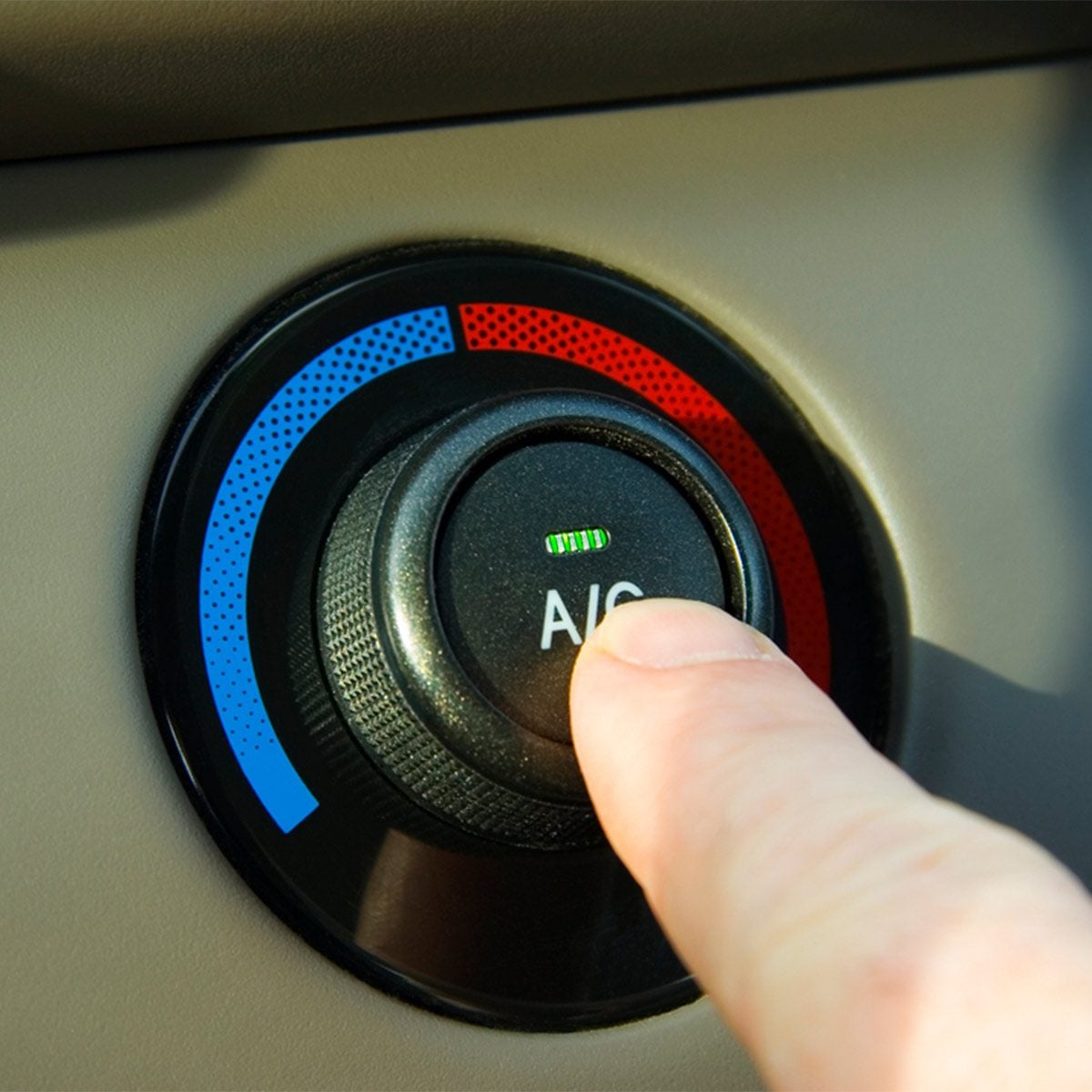
Your car’s air conditioner is a hero when the cabin feels like a toaster with cup holders. Press one button and, eventually, the dashboard stops trying to roast your eyebrows. Yet that comfort is not free. Automotive A/C consumes fuel or battery power, may reduce driving range, adds wear to the climate-control system, and can create stale cabin air when recirculation is used carelessly.
This is not an argument for sweating through August to save twelve cents. It is an argument against using A/C automatically. In mild weather, on short trips, or while parked and idling, turning it off can make sense. During extreme heat, heavy humidity, wildfire smoke, or a fogged windshield, using it may be the safer choice.
The Real Issue Is Unnecessary A/C Use
Air conditioning is an accessory load. In a gasoline vehicle, the compressor takes power from the engine. In a hybrid or electric vehicle, the system draws energy that could otherwise help propel the car. The penalty varies with temperature, humidity, vehicle design, speed, cabin size, sunlight, and climate settings, but hot-weather testing consistently shows that cooling can meaningfully reduce efficiency.
It Can Lower Gas Mileage and EV Range
A cabin parked in direct sun creates a demanding first few minutes because the glass, seats, dashboard, and trim continue radiating heat after cold air begins flowing. A gasoline engine must burn more fuel to support the compressor. An EV displays the cost more visibly as reduced predicted range.
AAA’s 2026 hot-weather testing at 95°F found a 12% decrease in hybrid fuel efficiency and an 8.5% reduction in calculated EV range compared with testing at 75°F. Those figures reflect the broader effects of heat and climate control rather than a universal A/C penalty, but they illustrate why drivers should leave extra energy margin during hot-weather travel.
Short Trips Deliver Little Cooling for the Energy Used
Consider a three-minute drive to a nearby store. You start the car, select “Arctic expedition,” and run the fan at full speed. By the time the cabin feels pleasant, you are searching for a parking space. Most of the effort attacked the initial heat load; you received only seconds of comfort.
When conditions are tolerable, open the doors briefly and lower the windows for the first block. If the cabin is dangerously hot, cool it. Otherwise, maximum A/C on a two-mile errand is the automotive equivalent of preheating an oven for one cookie.
Running A/C While Parked Wastes Energy
Drivers often idle with the A/C running while waiting for someone or finishing a podcast that unexpectedly became a documentary. A gasoline car burns fuel while traveling zero miles, and the compressor adds load. If the wait will be long and conditions are safe, park in shade, go inside, or switch off the engine.
Never run a gasoline-powered vehicle inside an attached garage, even with the garage door open. Carbon monoxide is colorless and odorless, and an exhaust leak can allow it to build up inside the car. Never leave a child, older adult, pet, or medically vulnerable passenger unattended in a parked vehicle; cracked windows and shade do not prevent dangerous heat buildup.
Vehicle A/C Has an Environmental Cost
The system affects the environment in two ways. First, the energy needed to run it can increase gasoline consumption or electricity demand. Second, refrigerant may escape through aging seals, damaged parts, poor repairs, or improper disposal.
Many older vehicles use HFC-134a, a potent greenhouse gas. Newer U.S. vehicles have largely moved to lower-global-warming-potential refrigerants such as HFO-1234yf, but lower impact does not mean zero impact. A leaking system should be repaired rather than repeatedly topped off as though refrigerant were windshield-washer fluid.
Weak Cooling May Signal a Fault
If the vents barely cool, the compressor cycles oddly, or performance fades, turning the temperature lower is not a repair. Possible causes include a leak, clogged condenser, electrical fault, compressor problem, or restricted airflow. Continuing to operate a struggling system can waste energy and enlarge the eventual bill.
Recirculated Air Can Become Stale
Recirculation is useful because it helps the system cool already-conditioned air and can reduce roadway particles entering the cabin. However, a closed vehicle full of breathing people also accumulates exhaled carbon dioxide. Vehicle studies have found that prolonged recirculation, especially with several occupants, can raise cabin CO2 to levels associated in other research with fatigue or difficulty concentrating.
That does not mean pressing “recirc” turns passengers into sleepy houseplants. Use it during the initial cool-down, then introduce outside air periodically on long drives. Keep recirculation on temporarily in tunnels, wildfire smoke, dust, or severe traffic pollution when outside air is worse.
A Dirty System Can Blow More Than Cold Air
A musty odor often points to moisture or contamination near the evaporator, drain, ducts, or cabin filter. A clogged filter can restrict airflow, weaken defogging, and make the interior smell like a gym bag with unresolved issues. Common replacement guidance is roughly once a year or every 12,000 to 15,000 miles, but the owner’s manual and driving conditions should control the schedule.
Persistent mildew, vinegar, chemical, or burning odors deserve inspection. A new filter may fix a simple problem, while other cases require drain service, evaporator cleaning, leak diagnosis, or electrical repair. Air freshener can create “Moldy Caribbean Breeze,” but it cannot fix the source.
When Open Windows Make More Sense
At low speeds, open windows can release trapped cabin heat with relatively little aerodynamic penalty. The U.S. Department of Energy recommends ventilating a hot vehicle before relying fully on A/C. At highway speeds, open windows create more drag, so the best choice depends on the car, weather, speed, and compressor efficiency. Tests from different organizations have produced different results, which is why a universal crossover speed is unreliable.
Use windows for low-speed ventilation, then close them when noise and buffeting become excessive. Moderate A/C with windows closed may be the sensible highway compromise.
When You Should Use the Air Conditioner
A provocative headline should never outrank safety. Avoiding A/C can be uncomfortable or dangerous in several situations.
Extreme Heat
Children, older adults, people with chronic conditions, and those taking certain medications can be more vulnerable to heat illness. Even healthy adults can develop heat exhaustion or heat stroke. If the cabin is dangerously hot, use the A/C. Saving fuel is not worth dizziness, confusion, impaired driving, or a medical emergency.
Fogged Windows and High Humidity
Air conditioning removes moisture and often works automatically with the defroster. When glass fogs, visibility takes priority. Activate defog or defrost, follow the owner’s manual, and clear the windshield before continuing.
Smoke, Dust, and Polluted Air
During wildfire smoke, dust storms, or heavy diesel traffic, closed windows, a sound cabin filter, and temporary recirculation can reduce incoming particles. Check local air-quality information and replace an overloaded filter promptly.
How to Stay Cool Without Wasting Energy
- Park in shade: Covered parking and a reflective windshield shade reduce cabin heat.
- Vent first: Open doors or windows briefly before demanding maximum cooling.
- Use recirculation strategically: Start with it, then admit fresh air periodically.
- Select auto or eco mode: These settings can limit unnecessary compressor and fan operation.
- Aim vents at occupants: Direct cooling can feel comfortable before the entire cabin cools.
- Maintain the system: Replace filters and investigate weak airflow, odors, leaks, or unusual noises.
- Precondition an EV while plugged in: Use grid power to cool the cabin before departure.
- Avoid overcooling: Comfortable is enough; your sedan is not a supermarket freezer.
Real-World Experiences With Smarter A/C Use
These representative scenarios show why the best approach changes with the trip.
The Five-Minute Lunch Run
A commuter leaves the office at noon and finds the car baking in an uncovered lot. The old routine is immediate maximum A/C with the windows closed. The cabin finally becomes tolerable just as the driver reaches the restaurant.
The improved routine begins by opening the doors for several seconds, lowering the windows during the first block, and driving gently. Once the trapped air escapes, the windows close and moderate A/C handles the rest. The lesson is not that cooling was forbidden; ventilation simply removed the worst heat before the compressor took over.
The Humid Highway Road Trip
A family starts a summer trip with every window open because someone heard that A/C always destroys gas mileage. At neighborhood speed, the breeze feels pleasant. On the interstate, the cabin becomes noisy, humid, and exhausting. Conversation turns into competitive shouting.
Closing the windows and selecting a reasonable automatic setting produces a calmer cabin and clearer glass. Recirculation helps initially, then outside air is introduced during the long drive. At lunch, the family parks under a tree instead of in the center of the asphalt. Moderate climate control supports comfort and concentration without demanding maximum output all day.
The EV Range Surprise
An EV driver begins a long summer leg with a small charging margin. The car has been sitting in direct sun, so maximum cooling starts only after unplugging. The arrival estimate falls faster than expected, forcing an extra charging stop.
On the next trip, the driver preconditions while plugged in, uses seat ventilation, parks in shade, and raises the cabin setting slightly after the initial cool-down. Nobody suffers, but the range estimate remains steadier. EV dashboards make the climate-control cost visible; gasoline cars merely hide it inside the fuel gauge.
The Musty Morning Commute
A driver notices a sour vent smell and responds with increasingly ambitious air fresheners. Later, airflow weakens and the windshield clears slowly on rainy mornings. Replacing an overdue cabin filter improves airflow, but inspection also finds a drainage and evaporator-cleanliness problem.
After service, the system cools effectively at a lower fan speed and the odor disappears. Sometimes the best way to use less A/C is to make the system work correctly when it is needed.
Conclusion: Use A/C With Judgment
You should not switch on your car’s air conditioner automatically every time the weather becomes slightly warm. Unnecessary cooling consumes fuel or battery energy, may reduce EV range, adds system load, and increases the consequences of refrigerant leakage. Idling and endless recirculation bring further drawbacks.
But “never use A/C” is poor advice. Extreme heat, vulnerable passengers, fogged windows, humidity, and unhealthy outdoor air can make it essential. Vent the cabin first, park wisely, choose moderate settings, maintain the system, and save maximum cooling for moments when it genuinely helps.