Let’s be honest: feet do a lot of unpaid labor. They carry us through grocery store marathons, airport sprints, gym classes, work shifts, dog walks, and the occasional “I can totally wear these shoes for eight hours” mistake. Yet most of us give them attention only when sandal season arrives or when a toenail starts sending angry emails in the form of pain.
That is where medical pedicures come in. Also called a medi-pedi, a medical pedicure is a foot-care service focused on health, hygiene, comfort, and prevention rather than just polish and pampering. Think of it as the sensible older cousin of the salon pedicure: still nice, still satisfying, but far more interested in sterile instruments, skin integrity, nail health, and whether that thick yellow toenail is actually trying to tell you something.
A medical pedicure may be especially helpful for people with thick toenails, calluses, corns, cracked heels, ingrown toenail tendencies, diabetes, circulation problems, neuropathy, or a history of fungal infections. But even people with healthy feet can benefit from learning what makes this service different, safer, and sometimes worth the higher price tag.
What Is a Medical Pedicure?
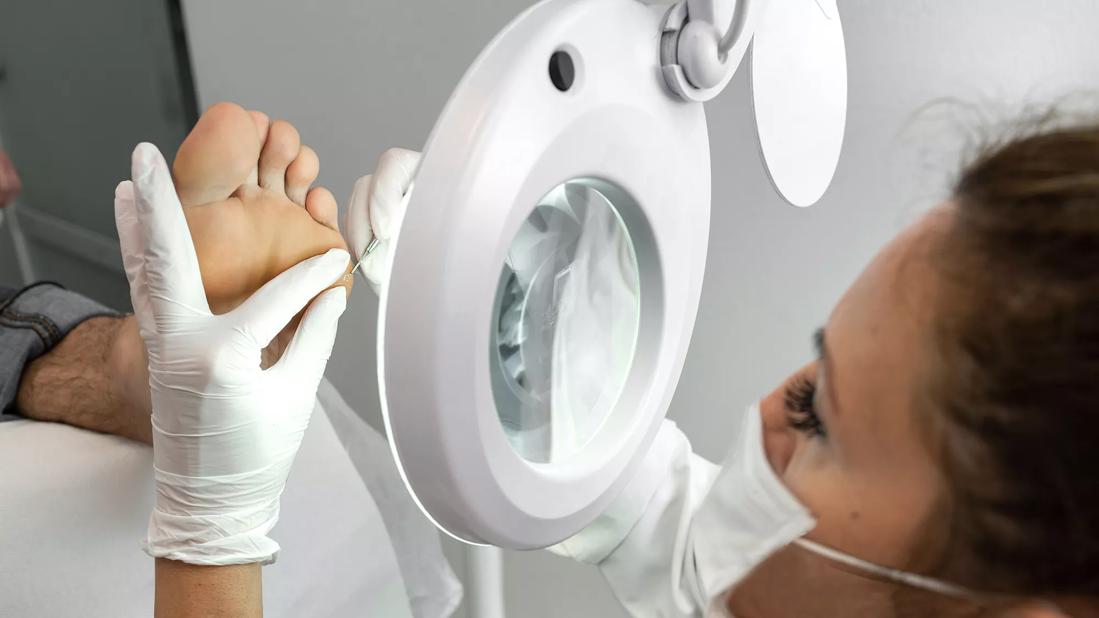
A medical pedicure is a clinical-style foot-care treatment performed in a podiatry office, medical spa, or specialized foot-care setting by a trained professional. Depending on the location and state regulations, the service may be performed by a podiatrist, a certified medical nail technician, or another trained foot-care provider working under medical supervision.
Unlike a traditional salon pedicure, the goal is not simply to make your toes look cute in flip-flops. The focus is to clean, trim, smooth, evaluate, and protect the feet in a way that reduces the risk of cuts, infections, and long-term problems. Polish may be optional, but foot health is the main character.
Medical Pedicure vs. Regular Pedicure
A regular pedicure usually focuses on appearance: soaking, exfoliating, trimming, cuticle work, massage, and polish. A medical pedicure focuses on safe foot care. It may include nail trimming, thinning of thick nails, callus reduction, corn care, dry-skin management, and a basic screening for concerns such as fungal nails, pressure spots, cracks, wounds, or signs of infection.
Many medical pedicures are waterless, meaning there is no shared whirlpool foot bath. That may sound less spa-like, but it can be safer because warm water, jets, and poorly cleaned basins may create an environment where bacteria and fungi enjoy themselves a little too much. Nobody invited them, but they show up anyway.
What Happens During a Medical Pedicure?
The exact process varies, but most medical pedicures follow a practical structure. First, the provider examines your feet and asks about medical conditions, medications, circulation issues, diabetes, previous infections, foot pain, or nail problems. This step matters because feet are not just decorative accessories at the end of your legs. They can reveal clues about pressure, circulation, skin health, and daily habits.
Next, toenails are trimmed and shaped carefully, usually straight across to reduce the chance of ingrown toenails. Thick nails may be gently reduced with professional tools. Rough skin, calluses, or corns may be smoothed safely without aggressive blades or risky “cheese grater” scraping. The provider may also clean around the nails, moisturize dry skin, and recommend home-care steps.
If the provider notices something outside the scope of routine foot care, such as a suspicious lesion, ulcer, severe ingrown toenail, fungal infection, wound, or signs of poor circulation, they may refer you to a podiatrist or physician for diagnosis and treatment.
Who Should Consider a Medical Pedicure?
Medical pedicures are useful for many people, but they are especially worth considering if your feet need more than a quick file-and-polish session.
People With Diabetes
People with diabetes need to be extra careful with foot care. Diabetes can affect circulation and nerve sensation, making it harder to feel injuries and slower to heal from them. A small cut, blister, or ingrown nail can become a bigger problem if it goes unnoticed. For this reason, many diabetes foot-care recommendations emphasize daily inspection, careful nail trimming, proper footwear, and professional care when nails are thick, curved, or difficult to manage.
A medical pedicure may be a safer option than a traditional salon pedicure for some people with diabetes, especially when performed in a setting that avoids shared foot baths, uses sterile tools, and understands high-risk foot care. Still, anyone with diabetes should ask their healthcare provider or podiatrist what level of foot care is appropriate for them.
People With Thick, Discolored, or Brittle Toenails
Thick or yellow toenails may be caused by repeated shoe trauma, aging, psoriasis, fungal infection, or other conditions. A medical pedicure can help thin and trim thick nails safely, but it should not be treated as a cure for toenail fungus. If fungus is suspected, a clinician may recommend testing and treatment, which can include prescription topical or oral medication.
People With Calluses, Corns, or Cracked Heels
Calluses are areas of thickened skin caused by pressure or friction. They are common, but when they become painful or split open, they can increase infection risk. Corns are smaller, concentrated areas of thick skin that often form over bony pressure points. A medical pedicure can reduce excess skin gently and help identify the pressure source, such as tight shoes, foot structure, or walking patterns.
Cracked heels may look like a cosmetic issue, but deep cracks can become painful and vulnerable to infection. Moisturizing helps, but severe cracks deserve professional attention, especially in people with diabetes or circulation problems.
People Prone to Ingrown Toenails
An ingrown toenail happens when the edge of the nail grows into surrounding skin, causing pain, redness, swelling, and sometimes infection. Cutting nails too short, rounding the corners, wearing tight shoes, or having naturally curved nails can contribute. A medical pedicure can help trim nails properly and spot early trouble. However, a painful, infected, or recurring ingrown toenail should be evaluated by a podiatrist.
Benefits of a Medical Pedicure
1. Better Hygiene Standards
One of the biggest selling points of medical pedicures is hygiene. Reputable providers use sterilized instruments, disposable items when appropriate, and procedures designed to reduce infection risk. This is especially important for people whose skin barrier, circulation, or immune system may be compromised.
2. Safer Nail Trimming
Toenails should generally be trimmed straight across and not too short. That sounds simple until you meet a thick, stubborn toenail that behaves like it was forged in a tiny medieval blacksmith shop. Medical pedicure providers are trained to manage difficult nails without digging aggressively into the corners or cutting surrounding skin.
3. Callus Care Without Overdoing It
Calluses protect high-pressure areas, so removing too much skin can backfire. A medical pedicure aims to reduce uncomfortable buildup while preserving healthy skin. This is much safer than attacking your heel with a razor at home while balancing on one leg like a flamingo with poor decision-making skills.
4. Early Detection of Foot Problems
A trained provider may notice warning signs you have missed: a pressure sore, skin breakdown, nail changes, suspicious discoloration, fungal patterns, swelling, or footwear-related irritation. Early detection can prevent small issues from becoming expensive, painful, or medically serious.
5. Comfort and Confidence
Healthy feet feel better. When thick nails are trimmed, rough skin is smoothed, and cracked heels are cared for, walking can feel more comfortable. You may also feel more confident wearing sandals, going barefoot at yoga, or simply existing without hiding your feet like they owe someone money.
Are Medical Pedicures Safe?
Medical pedicures are generally considered safer than traditional pedicures for people with higher-risk feet, provided they are performed by qualified professionals using proper infection-control practices. However, “medical” should not be treated as a magic word. Ask questions before booking.
Look for a provider who explains sterilization procedures, uses clean or single-use tools, avoids aggressive cutting, reviews your health history, and knows when to refer you to a podiatrist. If a place promises to “cure” fungus instantly, remove all calluses permanently, or perform medical treatment without proper licensing, consider that a red flag wearing tiny spa slippers.
What Medical Pedicures Do Not Do
A medical pedicure is not a replacement for medical diagnosis or treatment. It can support foot hygiene and comfort, but it should not be used to treat serious infections, open wounds, ulcers, severe pain, or major nail disease without medical evaluation.
For example, toenail fungus often requires diagnosis and sometimes prescription treatment. An infected ingrown toenail may need a podiatric procedure. A diabetic foot ulcer needs medical care, not a pedicure appointment. If your foot is swollen, hot, draining pus, bleeding, numb, changing color, or painful in a new way, skip the pedicure and call a healthcare professional.
How Much Does a Medical Pedicure Cost?
Prices vary widely depending on location, provider credentials, appointment length, and what is included. In many U.S. cities, a medical pedicure may cost more than a standard salon pedicure because it requires more training, time, sterilization, and specialized tools. Some appointments may range from under $100 to several hundred dollars.
Insurance usually does not cover a purely cosmetic or maintenance pedicure. However, medically necessary podiatry care may be covered in certain situations, especially for people with qualifying conditions. The best approach is to ask the provider what is included, whether the service is cosmetic or medical, and whether any part may be billed through insurance.
How to Choose a Medical Pedicure Provider
Before booking, ask practical questions. Who performs the service? Is a podiatrist involved? Are tools sterilized in medical-grade equipment? Are disposable files and buffers used only once? Is the service waterless? What happens if they find a fungal nail, wound, or ingrown toenail? Do they work with people who have diabetes or neuropathy?
The answers should be clear and confident. If the provider seems annoyed by hygiene questions, that is useful information. Your feet deserve someone who treats safety as part of the service, not as a rude interruption to the cucumber-water vibe.
Medical Pedicure Aftercare Tips
The benefits of a medical pedicure last longer when you care for your feet between appointments. Wash and dry your feet thoroughly, especially between the toes. Change socks regularly. Wear breathable shoes that fit properly. Use moisturizer on dry heels, but avoid putting heavy cream between the toes because trapped moisture can encourage fungal growth.
Trim nails straight across if you are able to do so safely. Do not cut cuticles aggressively. Do not dig into nail corners. Avoid sharing nail tools. If you use polish, take breaks so you can inspect your nails for changes. If you notice discoloration, thickening, lifting, odor, pain, drainage, or skin cracks that do not improve, schedule a medical evaluation.
Real-Life Experience: What a Medical Pedicure Can Feel Like
Imagine walking into a medical pedicure appointment expecting a luxury spa moment and realizing the vibe is less “rose petals and flute music” and more “calm, clean, and clinically competent.” At first, that can feel surprising. There may be no bubbling foot bath, no dramatic mountain of foam, and no technician casually asking whether you want “the usual red.” Instead, the provider may ask about your health history, look carefully at your nails, check pressure areas, and discuss your shoes. It is not glamorous in the movie-montage sense, but it is oddly reassuring.
One common experience is the discovery that your feet have been quietly collecting evidence. A thick nail may not be fungus after all; it may be trauma from tight shoes or running downhill. A painful corn may reveal that one toe is rubbing because your shoes are too narrow. A cracked heel may show that your skin is dry, but also that your home-care routine needs a better moisturizer and more consistency. Feet are excellent reporters. They simply publish their findings in calluses.
The actual treatment is usually more comfortable than people expect. Thick nails may be reduced gradually. Calluses may be smoothed in layers. The provider may use precise tools that feel more controlled than the aggressive scraping some people associate with salon pedicures. There is often a sense of relief afterward, not only because the feet look better, but because shoes feel less tight and walking feels easier.
Another memorable part is the education. A good medical pedicure does not end with “See you next time.” It may include advice about socks, shoe width, antifungal prevention, nail trimming, heel creams, or when to see a podiatrist. For example, someone who gets recurring ingrown toenails may learn that rounding the nail corners is making the problem worse. Someone with athlete’s foot tendencies may learn to dry between the toes more carefully and rotate shoes. Someone with diabetes may be reminded to inspect their feet daily and avoid bathroom-surgery experiments with scissors. Your feet are not a DIY craft project.
People who try medical pedicures often describe the result as cleaner, lighter, smoother, and more practical than a regular pedicure. It may not deliver the same glossy spa fantasy, although some providers do offer polish as an add-on. The deeper value is confidence: knowing your nails were trimmed safely, your calluses were handled carefully, and any suspicious changes were noticed early.
The experience is also a good reminder that foot care is not vanity. It is mobility care. It is infection prevention. It is comfort maintenance. It is the difference between ignoring a small problem and catching it before it becomes a large, limping, shoe-hating problem. A medical pedicure may not be necessary for everyone, but for the right person, it can feel like finally giving your feet a responsible adult in the room.
Conclusion
A medical pedicure is a health-focused approach to foot care that prioritizes safety, cleanliness, comfort, and early detection of problems. It can be especially helpful for people with diabetes, neuropathy, thick nails, calluses, corns, cracked heels, or recurring ingrown toenails. Compared with a traditional salon pedicure, a medi-pedi usually offers more careful screening, sterile tools, safer trimming, and a lower-risk environment.
Still, it is important to choose a qualified provider and understand the limits of the service. A medical pedicure can support healthy feet, but it cannot replace medical treatment for infections, wounds, severe pain, or serious nail disease. Treat your feet well, ask smart questions, and remember: the humble foot may not get much applause, but it has been carrying the whole operation for years.
Note: This article is for general educational purposes only and should not replace advice from a podiatrist, dermatologist, or qualified healthcare professional. If you have diabetes, poor circulation, neuropathy, an open wound, signs of infection, or persistent foot pain, seek medical care before booking any pedicure service.