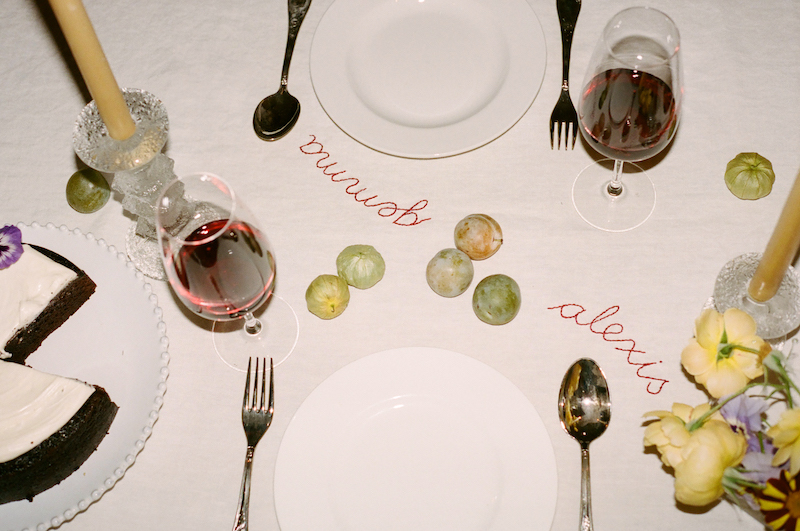
There is a special kind of optimism involved in setting a table. You place the plates as though dinner will arrive on time, light the candles as though nobody will spill wax on the tablecloth, and arrange the napkins as though your guests will not immediately unfold them and drop them on the floor.
Still, the ritual is irresistible. A thoughtfully arranged table can transform Tuesday-night pasta into an occasion and make a holiday meal feel warm before the first dish leaves the kitchen. It does not require inherited silver, twelve matching wineglasses, or a dining room large enough to have its own ZIP code. The best modern tables combine usefulness, texture, personality, and just enough imperfection to make everyone comfortable.
Our current obsession is not stiff formality. It is the expressive, collected table: familiar dishes mixed with vintage finds, seasonal ingredients used as decoration, linen that looks relaxed rather than starched into submission, and lighting flattering enough to make both the food and the cook look excellent.
Why Setting the Table Matters Again
A table setting is more than a decorative arrangement. It is a quiet form of communication. Before guests taste the food, the table tells them what kind of evening they are entering. Crisp white plates and polished flatware suggest classic restraint. Hand-thrown ceramics, rumpled linen, and garden clippings promise something casual and intimate. Striped napkins, colored glassware, and a bowl overflowing with citrus announce that the host has chosen joyand possibly bought too many lemons.
In homes where dining tables also serve as offices, homework stations, mail depots, and emergency laundry-folding centers, clearing the surface is itself meaningful. It signals a change of pace. Laptops disappear, serving bowls arrive, and attention shifts toward food and conversation.
The renewed interest in tablescapes also reflects a broader preference for objects with history. Hosts are mixing old and new, formal and rustic, expensive and delightfully cheap. A flea-market platter can sit beside everyday stoneware. Grandma’s crystal can share space with simple water tumblers. Cohesion no longer means every item came from the same boxed set.
Begin With the Mood, Not the Merchandise
Before selecting napkin rings or wondering whether the salad fork is plotting against you, decide how the meal should feel. The mood will guide nearly every other choice.
For a relaxed family-style dinner
Use durable plates, uncomplicated flatware, cloth napkins, and serving dishes that can remain on the table. Keep the center clear enough for passing food. A pitcher of water, a few low candles, and a bowl of fruit may be all the decoration required.
For an intimate evening
Choose warm lighting, smaller floral arrangements, tactile linens, and glassware that catches the candlelight. Darker colors such as burgundy, olive, tobacco, navy, or chocolate can make an ordinary room feel pleasantly cocooned.
For a bright brunch
Lean into daylight. Try pale linen, patterned plates, bowls of fresh berries, small vases, and clear or colored tumblers. Candles are optional; coffee is not.
For a celebratory dinner
Add one element that clearly says, “This is not a regular Wednesday.” It might be handwritten place cards, polished candlesticks, a dramatic tablecloth, coupe glasses, or dessert plates that usually live in the cabinet waiting for a royal visit.
The Basic Table-Setting Rules Worth Remembering
Modern tables can be creative, but a few traditional rules remain useful because they help guests navigate the meal without conducting a small archaeological dig.
- Place the dinner plate at the center of each setting.
- Put forks to the left of the plate.
- Place knives and spoons to the right, with knife blades facing the plate.
- Arrange utensils in the order they will be used, working from the outside inward.
- Position the water glass above the knife area, with wine or specialty glasses nearby.
- Set out only the utensils and glasses the menu actually requires.
That last rule is especially liberating. If you are not serving soup, you do not need a soup spoon. If there is only one wine, you do not need three wineglasses standing in formation like transparent soldiers. A well-set table supports the meal rather than making guests wonder whether an exam will follow dessert.
Layering: The Secret Behind an Interesting Tablescape
A visually engaging table usually contains layers, but layering does not mean stacking every object you own until the plate becomes inaccessible. It means combining surfaces, shapes, and materials so the arrangement has depth.
Start with a foundation
The foundation may be a full tablecloth, a runner, placemats, or the bare tabletop. A beautiful wood table often needs little more than individual linen napkins. A scratched or visually busy surface may benefit from a cloth that creates calm.
Natural linen brings softness and relaxed wrinkles. Cotton is practical and easy to wash. Patterned cloth can establish an entire color palette before a single plate appears. A throw, lightweight blanket, or length of fabric may also work when conventional table linens feel too predictable.
Add the place settings
White dinner plates remain useful because they accommodate nearly every style, but they are not the only sensible choice. Speckled ceramics feel earthy, floral china adds romance, and colorful stoneware brings immediate energy.
Try placing a smaller patterned plate over a simple dinner plate. Contrast matte pottery with polished metal flatware. Pair delicate glasses with chunky ceramics. The goal is not perfect coordination; it is a visual conversation in which the objects have something interesting to say to one another.
Introduce texture
Woven placemats, linen napkins, bamboo-handled utensils, glazed pottery, hammered metal, rattan, wood, and clear glass all reflect light differently. Two or three contrasting textures can make a restrained color scheme feel rich without making the table look crowded.
Mixing Without Creating Visual Chaos
Mismatched tableware can look collected and charming. It can also look as though several cupboards collided. The difference is usually an anchor: one element repeated across the entire table.
You might use the same dinner plate at every setting while varying the napkins and glasses. Alternatively, repeat one color throughout assorted china patterns. Matching flatware can bring order to mismatched plates, while identical napkins can calm an assortment of vintage glassware.
A useful formula is approximately two parts consistency to one part surprise. Keep the foundation and main plates quiet, then introduce unusual salad plates. Use matching glassware with varied napkins. Place identical candles among several different vases. This creates personality without requiring guests to determine whether they have accidentally sat at the children’s table.
Centerpieces That Encourage Conversation
The most important requirement for a centerpiece is not beauty. It is visibility. Guests should be able to see one another without leaning sideways around a giant arrangement of lilies.
Use several small vessels
A row of bud vases creates rhythm and allows flowers to be distributed along a rectangular table. Choose one type of flower in several colors, or repeat a single color in vessels of different shapes. Small jars, creamers, bottles, and cups can all become vases.
Decorate with edible ingredients
Lemons, pears, figs, pomegranates, artichokes, herbs, and small pumpkins offer color and texture without looking excessively formal. A shallow bowl of fruit is especially useful because it can remain on the table after the guests leave, unlike a complicated floral installation that begins drooping during coffee.
Bring in branches and foliage
A clipped branch can have more presence than an expensive bouquet. Foraged greenery, autumn leaves, flowering stems, and fragrant herbs create an organic arrangement. Avoid anything strongly scented enough to compete with dinner. The roast chicken should not have to fight eucalyptus for attention.
Think horizontally
Long tables often benefit from a series of low objects rather than one central tower. Alternate candles, small bowls, and flowers along the center line. Leave gaps for serving dishes, water, and the inevitable bottle of hot sauce someone brings to the table.
Lighting Deserves Its Own Place at the Table
Good lighting can rescue an imperfect meal, while harsh overhead light can make even a beautiful dinner feel like a quarterly meeting. Dim ceiling fixtures when possible and add several points of warm light.
Taper candles create height and elegance. Votives produce a lower, softer glow. Small rechargeable lamps are useful where open flames are impractical. Mixing candle heights can add movement, but tall pieces should be narrow enough not to block sightlines.
Unscented candles are usually the safest choice around food. Vanilla-cinnamon-ocean-breeze candles may have their moment elsewhere; dinner does not require olfactory special effects.
Small Details That Make Guests Feel Expected
Beautiful hosting is less about impressing people than anticipating their comfort. A few thoughtful details can make a simple table feel remarkably generous.
- Place water on the table before guests sit down.
- Provide more than one salt and pepper set at a long table.
- Use trivets or heatproof boards for hot serving dishes.
- Leave adequate elbow room between settings.
- Keep extra napkins nearby, particularly when serving sauces.
- Set serving utensils with each shared dish.
- Check that chairs are comfortable and stable.
Place cards can also be practical rather than pretentious. They prevent the awkward moment when eight adults circle the table pretending not to care where they sit. A seating plan can mix outgoing and quieter guests, separate people who talk only to each other, and rescue the host from spending the evening trapped between the kitchen door and a decorative fern.
Setting a Beautiful Table on a Realistic Budget
A memorable table does not require a large shopping trip. In fact, a table assembled gradually often looks more distinctive than one purchased in a single afternoon.
Shop your own cupboards first
Pull everything out and look at it with fresh eyes. A serving pitcher can hold flowers. Dessert bowls can become candleholders. Cutting boards can elevate bread, cheese, or condiments. A cake stand can create height in the center of the table.
Visit thrift stores and flea markets
Secondhand shops are excellent sources for platters, candlesticks, linen napkins, serving spoons, and individual plates. Do not wait for a complete matching set. Six different floral plates may look intentional when connected by the same napkin color.
Invest in adaptable basics
If buying new pieces, begin with items that work across seasons: plain dinner plates, clear glasses, neutral napkins, simple flatware, and versatile serving bowls. Seasonal character can come from inexpensive flowers, produce, ribbons, place cards, or a colorful runner.
Borrow before buying
For large gatherings, borrow plates, folding chairs, serving dishes, or glassware from friends and relatives. Most people are delighted to see their rarely used punch bowl finally leave the house and fulfill its destiny.
Common Table-Setting Mistakes
Overdecorating the center
If guests cannot see each other or find space for the serving bowls, the centerpiece has become the main course. Remove one-third of the decorative objects and reassess.
Using too many scented elements
Strong flowers and fragranced candles can interfere with the aromas of food and wine. Choose unscented candles and lightly scented greenery.
Setting out unnecessary tableware
Extra utensils and glasses create confusion and consume valuable space. Let the menu dictate the setting.
Ignoring the practical flow of dinner
Imagine the meal in motion. Where will the bread go? Can everyone reach the water? Is there space for hot dishes? A table must function after the photographs are taken.
Making perfection the goal
A flawless table can feel untouchable. A slightly rumpled napkin, a chipped heirloom bowl, or an assortment of glasses gives guests permission to relax. Hospitality should feel generous, not supervised.
A Seasonal Formula That Works All Year
Instead of purchasing themed decorations for every occasion, use a consistent framework and change a few seasonal ingredients.
- Spring: pale linen, budding branches, green glass, radishes, herbs, and soft floral patterns.
- Summer: woven textures, striped napkins, citrus, wildflowers, chilled bottles, and colorful tumblers.
- Fall: warm ceramics, pears, figs, leaves, brass candlesticks, and textiles in rust or ocher.
- Winter: evergreen clippings, white candles, dark linen, polished metal, nuts, and pomegranates.
This approach keeps storage under control and makes the table feel connected to the season without covering every available surface in tiny decorative objects.
Experience Notes: What Actually Happens Around a Well-Set Table
The first lesson learned from setting many tables is that guests rarely notice the detail that caused the host the most anxiety. Nobody has ever entered a dining room, gasped, and announced that the napkins are folded at inconsistent angles. Guests notice the collective effect: warmth, light, color, and whether there appears to be a comfortable place waiting for them.
One of the most successful tables began with a problem. There were eight guests and only six matching dinner plates. Instead of hiding the shortage, two patterned plates were added at opposite ends of the table. Colored glasses were distributed in a similarly balanced way, and the mismatching looked deliberate. More importantly, it gave the table character. The host stopped apologizing, and the guests began comparing their plates as though each had received a different prize.
Another memorable dinner involved a centerpiece that looked magnificent until everyone sat down. The branches were tall, wide, and apparently determined to prevent all human interaction. Within five minutes, the arrangement was moved to a sideboard. The table immediately improved. That evening established a durable rule: always sit in a chair and inspect the table from a guest’s eye level before anyone arrives.
Practical details repeatedly matter more than elaborate decorations. Two water carafes are better than one beautiful carafe that must be passed every three minutes. Several small dishes of salt are more convenient than a single antique cellar guarded by the person at the head of the table. A trivet placed in advance feels less glamorous than a floral arrangement, but it prevents the dramatic arrival of a hot casserole followed by the question, “Where can I put this?”
Cloth napkins also change the feeling of a meal more than their modest size suggests. They add color, softness, and a sense that dinner has been intentionally arranged. They do not need to match. In fact, a stack of napkins collected over time can become one of the most flexible parts of a table-setting collection. Checks, stripes, faded florals, and solid linen can coexist when they share a common color.
Candles are similarly transformative, although they require restraint. A table crowded with burning tapers may look cinematic until someone reaches for the bread and nearly gives a sleeve an exciting new silhouette. A few carefully positioned candles create the same atmosphere with considerably less danger.
The strongest experience, however, is that the table changes once people arrive. Its polished arrangement becomes animated by serving spoons, half-filled glasses, bread crumbs, elbows, stories, and laughter. That transformation is not the destruction of the tablescape; it is its purpose. The table was never meant to remain pristine. It was designed to be used.
Hosts enjoy themselves more when they accept this early. The wine may leave a mark. A napkin may end up under a chair. Someone may place a serving spoon directly on the tablecloth despite the perfectly visible spoon rest. None of these events means the evening has failed. They usually mean people were comfortable enough to stop being careful.
A good table setting creates anticipation, but a good gathering creates memory. Years later, guests may not remember whether the flowers were dahlias or grocery-store carnations. They may remember the candlelight, the generous bowl of pasta, the person seated across from them, and the fact that nobody hurried them away. That is the real measure of a table well set.
Conclusion: Set the Table for the Life You Actually Live
Setting the table is not about reproducing a showroom photograph or following every traditional rule with military precision. It is about preparing a place where people can eat comfortably, talk freely, and feel that their presence matters.
Begin with what you own. Add texture, natural elements, useful lighting, and one detail that makes the occasion feel distinct. Keep the centerpiece low, the water plentiful, and the unnecessary utensils in the drawer. Mix patterns with confidence, allow the linens to wrinkle, and remember that the table becomes truly beautiful only after guests begin using it.
Our current obsession, then, is not table perfection. It is the thoughtful table: layered, personal, functional, slightly imperfect, and ready for another helping.