Parasites have mastered one of nature’s least charming business models: move into somebody else’s body, eat for free, and refuse to contribute to the rent. Some are microscopic organisms that settle in the intestines or bloodstream. Others are worms that can live in human tissues, while a few prefer the skin and hair.
Although parasitic infections are often associated with tropical travel, they can occur anywhere, including the United States. Contaminated water, undercooked food, insect bites, close household contact, animal waste, and recreational swimming can all provide transportation for an unwanted microscopic passenger.
Most infections are treatable, but identifying the exact parasite matters. Symptoms such as diarrhea, fatigue, abdominal pain, itching, fever, and weight loss overlap with dozens of other conditions. That is why a suspicious stomachache should lead to sensible medical evaluationnot an internet “parasite cleanse” involving mystery herbs and heroic quantities of garlic.
Foundational sources: CDC and MedlinePlus.
What Is a Parasitic Infection?
A parasitic infection develops when an organism lives on or inside a host and obtains nutrients at the host’s expense. Human parasites are generally divided into three major groups: protozoa, helminths, and ectoparasites.
Protozoa
Protozoa are single-celled organisms that are too small to see without a microscope. Many can multiply inside the human body, so swallowing only a small number may be enough to cause illness. Common examples include Giardia intestinalis, Cryptosporidium, Cyclospora cayetanensis, Toxoplasma gondii, and the Plasmodium species responsible for malaria.
Helminths
Helminths are multicellular parasitic worms. This group includes roundworms, tapeworms, flukes, hookworms, and pinworms. Adult worms are usually visible without a microscope, although their eggs and larvae may be microscopic. Most adult helminths do not multiply directly inside humans, but they may survive for months or years if untreated.
Ectoparasites
Ectoparasites live mainly on the surface of the body. Lice and scabies mites are familiar examples. These conditions are often called infestations rather than internal infections, but they remain part of the broader parasitic disease family.
One useful clarification: ringworm is not caused by a worm. It is a fungal infection wearing a misleading name, much like a prairie dog that is neither from the prairie exclusively nor actually a dog.
Parasite classifications and clinical overview.
How Do People Get Parasitic Infections?
Parasites use several transmission routes. The relevant risk depends on where a person lives, where they have traveled, what they have eaten, their occupation, and whether their immune system is working normally.
Contaminated Food and Water
Drinking untreated water or swallowing water while swimming can expose a person to organisms such as Giardia or Cryptosporidium. Fresh produce may occasionally carry Cyclospora, while raw or undercooked meat can transmit parasites such as Trichinella or Toxoplasma. Raw and undercooked fish may also contain certain parasitic worms.
Food can look, smell, and taste perfectly normal while carrying a parasite. Unfortunately, microorganisms rarely wave tiny warning flags from the salad bowl.
Insect Bites
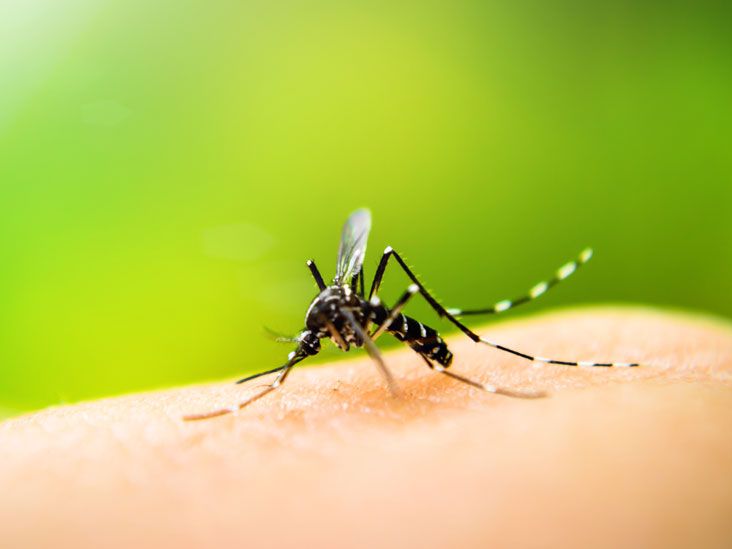
Some parasites depend on insects to move between hosts. Mosquitoes transmit malaria, sand flies can transmit leishmaniasis, and triatomine insects are associated with Chagas disease. Exposure is more likely in regions where the insect and parasite are established, making travel history an important diagnostic clue.
Soil and Skin Contact
Hookworm larvae and certain other parasites can penetrate exposed skin after contact with contaminated soil or sand. Walking barefoot in affected areas increases the risk. Freshwater exposure in places where schistosomiasis occurs can also allow larvae to penetrate the skin.
Person-to-Person Spread
Pinworm eggs can pass easily among household members, particularly children. Giardia and several other intestinal parasites may spread when microscopic traces of stool contaminate hands, surfaces, food, or objects. Sexual activities involving fecal exposure can also transmit some intestinal parasites.
Animals and the Environment
Animal feces, contaminated soil, raw meat, and cat litter can carry parasites. Toxoplasmosis deserves particular attention during pregnancy because a newly acquired infection may harm a developing fetus. Pregnant people should use gloves while gardening, avoid undercooked meat, and have someone else clean the litter box when possible.
Transmission information synthesized from CDC, FDA, USDA, and MedlinePlus.
Common Symptoms of Parasitic Infections
There is no universal “parasite symptom.” Signs depend on the species, the number of organisms present, the organs involved, and the person’s immune response. Some people have no symptoms, while others become seriously ill.
Digestive Symptoms
- Watery, persistent, or recurring diarrhea
- Greasy or unusually foul-smelling stools
- Abdominal cramps, bloating, and excess gas
- Nausea or vomiting
- Loss of appetite and unexplained weight loss
- Blood or mucus in the stool
Whole-Body Symptoms
- Fever, chills, or sweating
- Fatigue and weakness
- Muscle aches or headaches
- Anemia or nutritional deficiencies
- Swollen lymph nodes
- Elevated eosinophils on a blood test, particularly with some worm infections
Skin and Hair Symptoms
- Intense itching, especially at night
- Rashes, bumps, sores, or winding tracks under the skin
- Visible lice, nits, or tiny worms
- Localized swelling or inflammation
Organ-Specific Symptoms
Parasites outside the intestines can cause respiratory problems, jaundice, seizures, vision changes, an enlarged liver or spleen, urinary symptoms, or heart complications. Neurologic symptoms require urgent medical attention because certain larval tapeworm infections and other parasites can affect the brain.
Symptom and complication references.
Examples of Common Parasitic Diseases
| Infection | Typical Transmission | Common Features |
|---|---|---|
| Giardiasis | Contaminated water, food, surfaces, or close contact | Diarrhea, gas, cramps, greasy stools, nausea, and weight loss |
| Cryptosporidiosis | Contaminated water, swimming pools, food, animals, or people | Watery diarrhea, cramps, nausea, dehydration, and fatigue |
| Cyclosporiasis | Contaminated fresh produce or water | Prolonged or relapsing watery diarrhea, bloating, appetite loss, and fatigue |
| Pinworm infection | Swallowing microscopic eggs from hands, bedding, clothing, or surfaces | Nighttime anal itching, irritability, and disrupted sleep |
| Toxoplasmosis | Undercooked meat, contaminated soil or water, and cat feces | Often no symptoms; sometimes flu-like illness, eye disease, or serious complications in high-risk people |
| Tapeworm infection | Undercooked infected meat or fish, depending on the species | Mild digestive symptoms, weight changes, or visible segments in stool |
| Malaria | Bites from infected mosquitoes | Fever, chills, sweating, headache, body aches, nausea, and anemia |
| Scabies | Prolonged skin contact or shared clothing and bedding | Severe itching, especially at night, with a pimple-like rash or tiny burrows |
Tapeworm terminology can be confusing. Eating undercooked pork containing larval cysts may cause an intestinal pork tapeworm. By contrast, cysticercosis develops after a person swallows Taenia solium eggs, usually through fecal contamination. The eggs can produce larvae that migrate into muscles, eyes, skin, or the nervous system.
Examples supported by FDA, MedlinePlus, Mayo Clinic, Cleveland Clinic, and CDC resources.
How Parasitic Infections Are Diagnosed
Diagnosis begins with a careful medical history. A clinician may ask about recent travel, untreated water, camping, swimming, raw foods, insect bites, animal exposure, sexual contact, household symptoms, medications, and immune-system conditions.
There is no single test that detects every human parasite. Testing must be selected according to the suspected organism and affected body system.
Stool Tests
An ova and parasite examination looks for worms, eggs, larvae, or protozoa in stool. Because parasites may not appear in every bowel movement, clinicians sometimes request samples collected on separate days. Antigen tests and molecular panels can identify specific organisms more accurately than microscopy in certain situations.
Blood Tests
Blood smears can reveal parasites that circulate in the blood, including malaria organisms. Other tests detect parasite antigens, genetic material, or antibodies created by the immune system. Antibody results require careful interpretation because they may show past exposure rather than an active infection.
The Tape Test
Pinworms are commonly diagnosed with a tape test. Clear adhesive tape is pressed against the skin around the anus early in the morning, before bathing or using the toilet. A laboratory then examines the tape for microscopic eggs.
Imaging and Tissue Testing
Ultrasound, computed tomography, or magnetic resonance imaging may be needed when clinicians suspect parasites in the liver, brain, lungs, muscles, or other tissues. In uncommon cases, a biopsy or sample of urine, sputum, cerebrospinal fluid, or skin may be examined.
Travel details can be surprisingly important. “I went abroad” is less useful than providing the country, region, dates, accommodations, foods eaten, freshwater exposure, insect bites, and whether preventive malaria medication was taken.
Diagnostic guidance.
Treatment for Parasitic Infections
Treatment depends on the exact parasite. Medications effective against one organism may do absolutely nothing against another. A drug used for pinworms, for example, is not a substitute for malaria treatment, just as a flyswatter is not an acceptable solution to a termite problem.
Prescription Antiparasitic Medication
Depending on the diagnosis, clinicians may prescribe antiprotozoal drugs, antiworm medications, antimalarial combinations, or topical treatments for ectoparasites. Examples used in specific circumstances include tinidazole, metronidazole, nitazoxanide, trimethoprim-sulfamethoxazole, albendazole, mebendazole, praziquantel, ivermectin, and permethrin.
These medicines are not interchangeable. Selection and dosage can change according to age, body weight, pregnancy status, immune function, parasite species, infection location, local drug resistance, and possible medication interactions.
Supportive Care
People with significant diarrhea may require oral rehydration fluids containing water, glucose, and electrolytes. Severe dehydration may require intravenous fluids. Nutritional support, iron replacement, fever control, or treatment of secondary bacterial infections may also be necessary.
Household Treatment and Environmental Cleaning
For highly contagious conditions such as pinworm infection or scabies, a clinician may recommend treating close contacts at the same time. Bedding, towels, pajamas, and underwear may need to be washed according to medical instructions. Fingernails should be kept short, and scratching should be discouraged because eggs can collect beneath the nails.
Why “Parasite Cleanses” Are a Bad Shortcut
Commercial detoxes and unregulated herbal products generally cannot establish which parasite is present or whether there is a parasite at all. Some products can irritate the digestive tract, damage the liver, interact with prescriptions, or delay proper care.
Veterinary dewormers should never be used in place of human medication. A horse and a human may both enjoy apples, but that does not make their medication cabinets interchangeable.
Treatment principles from Mayo Clinic, Merck Manual, CDC, and Johns Hopkins Medicine.
How to Prevent Parasitic Infections
- Wash hands properly: Use soap and running water after using the toilet, changing diapers, gardening, touching animals, and before preparing food.
- Drink safe water: When water safety is uncertain, boil it or use a filter certified to remove parasite cysts. Clear mountain water is photogenic, not necessarily microbiologically innocent.
- Avoid swallowing recreational water: Pools, lakes, rivers, splash pads, and water parks can transmit intestinal parasites.
- Cook food thoroughly: Use a food thermometer for meat and seafood rather than trusting color alone.
- Wash produce: Rinse fruits, vegetables, and herbs under clean running water. Washing lowers contamination but cannot guarantee removal of every parasite.
- Prevent insect bites: Use appropriate repellents, protective clothing, window screens, and insecticide-treated bed nets where recommended.
- Wear shoes outdoors: Footwear helps reduce contact with hookworm-contaminated soil and sand.
- Handle animal waste carefully: Wear gloves, wash hands afterward, and keep children’s play areas free of pet feces.
- Practice safer sex: Barriers, handwashing, and cleaning shared items can reduce infections spread through fecal exposure.
- Seek pretravel advice: A travel medicine professional can recommend malaria prevention, vaccines, insect precautions, and destination-specific food and water practices.
Prevention sources.
When Should You Contact a Healthcare Professional?
Arrange medical evaluation for persistent or recurring diarrhea, unexplained weight loss, severe nighttime anal itching, worms or unusual segments in stool, a spreading itchy rash after soil exposure, or symptoms that began after international travel.
Seek urgent care for:
- Severe dehydration, confusion, fainting, or inability to keep fluids down
- High or recurring fever after travel to a malaria-risk area
- Blood in the stool or urine
- Severe abdominal pain or a swollen abdomen
- Seizures, weakness, vision changes, or an intense headache
- Difficulty breathing, chest pain, or jaundice
Pregnant people, infants, older adults, and individuals with weakened immune systems should seek advice sooner because some parasitic infections can become more severe in these groups.
Experiences With Parasitic Infections: What the Journey Can Feel Like
The following are composite scenarios based on commonly reported experiences. They are not individual medical records or substitutes for professional advice.
The Camper Who Blamed the Chili
A few days after returning from a camping trip, a hiker develops bloating, frequent diarrhea, and stools that seem unusually greasy and difficult to flush. At first, the campfire chili receives all the blame. Then the symptoms continue for more than a week, appetite declines, and ordinary tasks begin to feel exhausting.
During the medical visit, one detail changes the investigation: the hiker drank from a clear stream after using a basic filter that was not designed to remove microscopic cysts. The clinician requests several stool samples instead of relying on a single test. Giardia is eventually identified, and targeted treatment is prescribed.
The memorable lesson is not merely “avoid stream water.” It is that parasitic illness does not always begin dramatically. It may feel like ordinary food poisoning that forgot to leave. Recovery can also lag behind treatment because the digestive system may remain sensitive for a while.
The Household With a Midnight Mystery
A school-age child begins waking repeatedly and scratching around the anus at night. Sleep worsens, irritability increases, and the entire household becomes convinced the laundry detergent is responsible. A parent eventually notices tiny white, thread-like objects near the child’s underwear.
After pinworm infection is confirmed, the practical burden becomes a major part of the experience. Medication is straightforward, but preventing reinfection requires teamwork: morning bathing, careful handwashing, short fingernails, clean sleepwear, and frequent washing of bedding and towels.
The emotional reaction often includes embarrassment, even though pinworms are common and are not proof of a dirty home. Parasites are equal-opportunity freeloaders. The more useful response is calm treatment and consistent hygiene rather than blame.
The Traveler With a Fever After Returning Home
A traveler returns from a malaria-risk region and feels fine for several days. Then fever, chills, sweating, headache, and body aches appear. The illness resembles influenza, so the traveler considers waiting it out.
Fortunately, the recent trip is mentioned during an urgent medical evaluation. Blood testing is arranged promptly because malaria can progress quickly and may initially look like many other infections. The destination, travel dates, preventive medication, missed doses, and insect exposure all help clinicians assess the risk.
This scenario highlights one of the most important patient experiences in travel medicine: the diagnosis may depend on information that seems unrelated to the current symptom. Mentioning recent travel immediately can save precious time.
The Pregnancy Toxoplasmosis Scare
A pregnant person realizes that dinner the previous evening included meat that was pink in the center. A household cat also uses a litter box, and an alarming late-night search turns concern into panic.
A clinician helps separate exposure from confirmed infection. Risk depends on several factors, and symptoms alone cannot establish toxoplasmosis. Appropriate testing and follow-up may be recommended, while future precautions include thoroughly cooking meat, washing produce, wearing gloves while gardening, and delegating litter-box cleaning.
The most difficult part of this experience may be uncertainty. Accurate counseling is far more useful than assuming that every cat, salad, or medium-rare meal has caused an infection.
Life After Treatment
Finishing medication does not always mean energy and digestion return instantly. A person recovering from prolonged diarrhea may still experience weakness, temporary food intolerance, altered bowel habits, or anxiety whenever the stomach makes an suspicious noise.
Follow-up is important when symptoms persist. Reinfection, incomplete treatment, medication side effects, lingering intestinal inflammation, or an entirely different diagnosis may need consideration. Keeping a simple record of symptoms, medications, travel, foods, and exposures can make follow-up appointments more productive.
Across these experiences, the central lesson is consistent: parasitic infections are manageable when the organism is correctly identified and treatment is matched to it. Guessing, hiding travel details, or launching an improvised cleanse usually makes the journey longer and considerably less glamorous.
Conclusion
Parasitic infections range from mild, temporary intestinal illnesses to serious diseases affecting the blood, brain, liver, lungs, skin, or heart. Their symptoms frequently imitate viral infections, food poisoning, allergies, and other digestive disorders, so exposure history and parasite-specific testing are essential.
Safe water, good hand hygiene, thoroughly cooked food, insect protection, appropriate footwear, responsible animal-waste handling, and pretravel preparation can prevent many infections. When suspicious symptoms persistespecially after travel, freshwater exposure, untreated water, or raw foodprofessional diagnosis is safer than trying to evict the intruder with an unproven cleanse.
Note: This article provides general educational information and is not a substitute for diagnosis or treatment by a qualified healthcare professional.