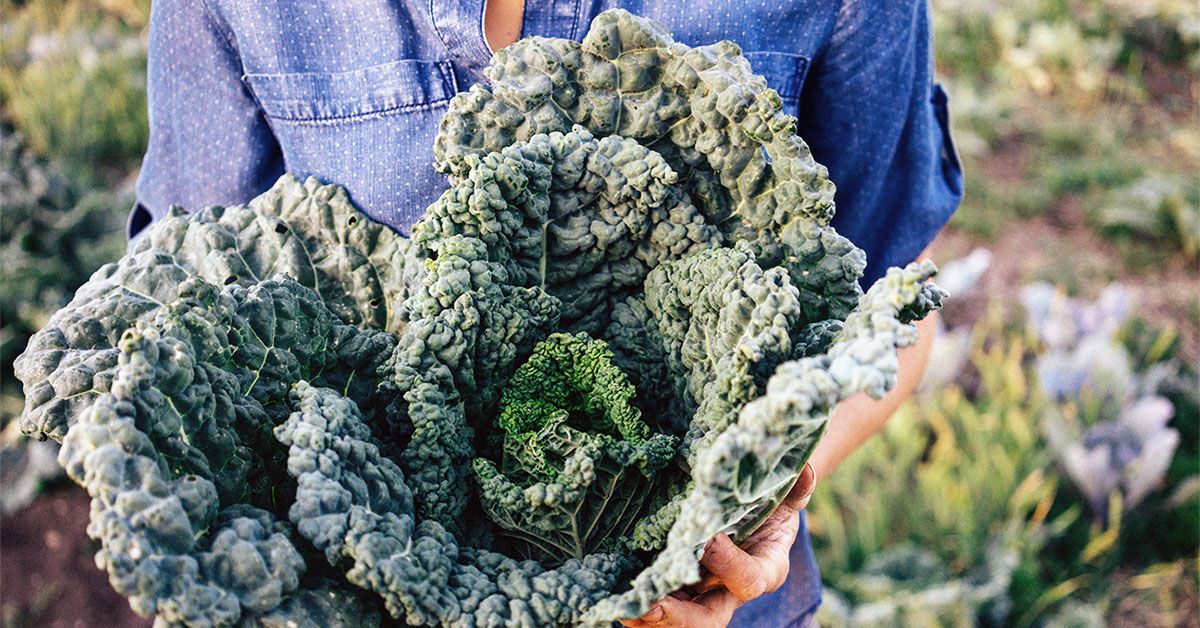
Kale has traveled an impressive culinary distance. Once treated mostly as a decorative border around salad bars, it is now blended into smoothies, baked into chips, tossed into grain bowls, and praised as though it personally invented good health.
The enthusiasm is not entirely hype. Kale is a nutrient-dense cruciferous vegetable that supplies fiber, vitamin K, vitamin C, carotenoids, folate, manganese, and several important minerals while contributing relatively few calories. Still, kale is not a magical shield against disease, and eating enormous bowls of it will not cancel out every other dietary decision.
This guide explores kale nutrition, its possible health benefits, practical ways to make it taste good, and the risks that matter for people taking certain medications or managing particular health conditions.
What Is Kale?
Kale is a leafy green member of the Brassica family. Its close relatives include cabbage, broccoli, cauliflower, collard greens, Brussels sprouts, and bok choy. These vegetables are also known as cruciferous vegetables.
Kale comes in several varieties. Curly kale has ruffled, sturdy leaves and a slightly peppery flavor. Lacinato kale, sometimes called dinosaur or Tuscan kale, has long, dark leaves and a somewhat softer texture. Red Russian kale has flatter, tender leaves with purplish stems, while baby kale is harvested early and is usually mild enough to eat without much preparation.
The vegetable’s bitterness comes partly from naturally occurring sulfur-containing compounds called glucosinolates. These compounds help explain both kale’s characteristic flavor and the scientific interest surrounding cruciferous vegetables.
Evidence basis: Harvard Nutrition Source and Oregon State University Linus Pauling Institute describe kale as a cruciferous vegetable rich in glucosinolates.
Kale Nutrition: What Is Inside Those Leaves?
A cup of raw kale contains approximately 20 calories, although the exact nutrient totals vary according to the variety, serving size, growing conditions, and whether the kale is raw, boiled, steamed, or sautéed.
Kale is especially valued for providing the following nutrients:
- Vitamin K: Supports normal blood clotting and participates in processes related to bone health.
- Provitamin A carotenoids: Kale contains beta-carotene, which the body can convert into vitamin A for vision, immune function, and normal cell development.
- Vitamin C: Helps support immune function, collagen production, wound healing, and the absorption of iron from plant foods.
- Folate: A B vitamin needed for cell division and DNA production.
- Vitamin B6: Involved in metabolism, brain development, and immune function.
- Calcium: Important for bones, muscles, nerves, and blood vessels.
- Manganese: Supports metabolism and antioxidant enzyme activity.
- Fiber: Contributes to digestive health, fullness, and healthy cholesterol management.
- Lutein and zeaxanthin: Carotenoids concentrated in eye tissues and commonly studied for their role in visual health.
Kale also supplies smaller amounts of potassium, magnesium, iron, and other micronutrients. It should not be treated as a complete meal by itself, however. A heroic mountain of kale still needs protein, healthy fat, and a source of energy if it is supposed to become dinner rather than an ambitious garnish.
Nutrition data and nutrient functions were synthesized from USDA FoodData Central, Mayo Clinic Health System, NIH Office of Dietary Supplements, and MedlinePlus.
Potential Health Benefits of Kale
1. It Provides Considerable Nutrition for Few Calories
Kale’s most practical advantage is nutrient density. It adds vitamins, minerals, plant compounds, volume, and fiber to meals without adding many calories.
That combination can be helpful for people trying to build more satisfying meals. Kale is not a fat-burning ingredient, but replacing a portion of a calorie-dense food with vegetables may reduce the meal’s overall energy density while making the plate look more generous.
The useful strategy is substitution, not punishment. Adding kale to a pizza does not make the entire pizza a salad, but adding it to soup, pasta, eggs, beans, or grain bowls can increase the nutritional value of foods you already enjoy.
2. Kale May Support Heart Health
Kale contains fiber, potassium, carotenoids, and flavonoids, all within a food that is naturally low in saturated fat. Fiber can contribute to healthy cholesterol levels, while potassium is involved in blood pressure regulation.
More importantly, kale fits into dietary patterns rich in vegetables, fruits, legumes, whole grains, nuts, and unsaturated fats. These overall eating patterns have much stronger evidence behind them than the idea that one “superfood” can protect the heart single-handedly.
Studies examining fruit and vegetable intake have repeatedly associated green leafy and cruciferous vegetables with favorable cardiovascular and longevity outcomes. These findings show associations rather than proving that kale itself prevents heart attacks. Kale is a useful team player, not the entire medical staff.
Evidence basis: Harvard and the American Heart Association emphasize green leafy vegetables within vegetable-rich dietary patterns rather than as standalone cures.
3. Its Fiber Supports Digestion
Kale’s fiber adds bulk to stool and helps support regular bowel movements. Fiber also feeds parts of the intestinal microbiome, although the exact response differs among individuals.
People who currently eat little fiber should increase their kale intake gradually. Moving directly from “almost no vegetables” to a blender packed with raw kale may produce an unforgettable afternoon for reasons unrelated to wellness.
Drinking enough water and including a range of fiber sources, such as beans, oats, berries, seeds, and other vegetables, is generally more effective than relying on kale alone.
4. It Contributes Nutrients Needed for Healthy Bones
Kale contains vitamin K and calcium. Vitamin K is required for producing proteins involved in normal blood clotting, and research continues to examine its role in maintaining bone strength. Calcium is also essential for bone structure as well as nerve and muscle function.
Kale can be a valuable nondairy source of calcium, but it should be part of a broader calcium plan. Fortified plant beverages, dairy products, tofu prepared with calcium, canned fish with edible bones, and other calcium-containing foods may contribute larger amounts depending on the serving.
Evidence basis: NIH identifies kale among vegetable sources of calcium and vitamin K; MedlinePlus explains vitamin K’s role in clotting.
5. Carotenoids May Support Eye Health
Kale contains beta-carotene, lutein, and zeaxanthin. Beta-carotene can be converted into vitamin A, which is essential for normal vision, including the eye’s ability to function in low-light conditions.
Lutein and zeaxanthin accumulate in the retina and are frequently studied in connection with age-related eye health. Eating kale does not guarantee perfect eyesight, but it can help supply compounds the eyes use as part of a balanced diet.
Serving kale with a modest amount of fat, such as olive oil, avocado, tahini, nuts, or seeds, can also make the meal more satisfying and may help the body absorb fat-soluble carotenoids.
6. Vitamin C Supports Collagen and Immune Function
Vitamin C is necessary for producing collagen, a structural protein found in skin, cartilage, blood vessels, and connective tissue. It also supports immune function and improves the absorption of nonheme iron, the type found in plant foods.
Pairing kale with beans, lentils, tofu, or whole grains can therefore be nutritionally useful. A squeeze of lemon juice adds flavor while providing even more vitamin C. It is one of the rare kitchen tricks that is healthy, inexpensive, and does not require purchasing a countertop machine with Bluetooth.
7. Kale Contains Bioactive Plant Compounds
When raw kale is chopped or chewed, an enzyme called myrosinase helps transform glucosinolates into compounds such as isothiocyanates and indoles. Researchers are studying these compounds for possible effects on inflammation, cellular defenses, and cancer-related biological pathways.
That does not mean kale treats or prevents cancer by itself. Laboratory findings, observational studies, and human clinical outcomes are different levels of evidence. The responsible conclusion is that cruciferous vegetables are worthwhile components of a varied diet, not edible chemotherapy.
Evidence basis: Oregon State University’s Linus Pauling Institute describes glucosinolates and their biologically active breakdown products while distinguishing mechanistic research from proven clinical outcomes.
Raw Kale Versus Cooked Kale
Both raw and cooked kale can be nutritious. The better choice depends on taste, digestion, health considerations, and how likely you are to eat the final result instead of quietly pushing it around the plate.
Advantages of Raw Kale
Raw kale retains heat-sensitive nutrients, including much of its vitamin C. Chopping and chewing raw kale also allows myrosinase to participate in breaking down glucosinolates.
Raw kale works best when the stems are removed and the leaves are sliced thinly. Massaging the leaves with a little olive oil, lemon juice, or dressing for one to three minutes softens their structure and reduces the impression that you are eating an office plant.
Advantages of Cooked Kale
Cooking softens kale’s tough fibers, reduces bitterness, shrinks its volume, and may make it easier to digest. Light steaming, sautéing, roasting, and adding kale to soups are all useful methods.
Boiling kale in a large amount of water can cause some water-soluble nutrients to move into the cooking liquid. That is less of a concern when the liquid remains in a soup or stew. Light cooking also reduces the activity of the enzyme involved in producing goitrogenic compounds, which may matter for certain people with thyroid disorders.
How to Make Kale Taste Better
Kale’s reputation for tasting like yard work usually comes from poor preparation. Try these approaches:
Massage It for Salads
Remove the stems, tear or slice the leaves, add a little dressing, and massage them until they become darker and softer. Add apples, dried cranberries, citrus, roasted vegetables, nuts, seeds, beans, chicken, salmon, or cheese for contrast.
Sauté It Quickly
Cook chopped kale in olive oil with garlic for several minutes. Finish it with lemon juice, vinegar, chili flakes, or a small amount of Parmesan. This method turns a bulky bunch into a manageable side dish.
Add It to Familiar Meals
Stir chopped kale into soups, pasta sauces, scrambled eggs, casseroles, curries, rice dishes, and bean recipes. Adding one or two handfuls to a familiar meal is often more sustainable than building an entire personality around green smoothies.
Blend It Carefully
For smoothies, combine kale with flavorful ingredients such as pineapple, mango, berries, banana, ginger, citrus, or yogurt. Blend thoroughly. Start with a small handful rather than compressing an entire farm into one glass.
Use the Stems
Kale stems are edible but need more cooking time than the leaves. Chop them finely and add them first when making stir-fries, soups, or vegetable stock. This reduces waste and gives the stems a purpose beyond jamming the garbage disposal.
Preparation guidance is consistent with Harvard Nutrition Source and Mayo Clinic recommendations for selecting, storing, and cooking kale.
Possible Risks and Who Should Be Careful
Kale and Warfarin
Kale is extremely rich in vitamin K, which can affect the action of warfarin and related vitamin K antagonist medications. People taking warfarin are not always required to eliminate kale. The central issue is consistency.
Suddenly changing from almost no leafy greens to daily kale smoothies can alter vitamin K intake and interfere with anticoagulation control. Anyone taking warfarin should discuss dietary changes with a physician, pharmacist, or registered dietitian and follow instructions concerning blood tests and consistent intake.
MedlinePlus and the American Heart Association advise maintaining consistent vitamin K intake and discussing leafy greens with the healthcare professional managing warfarin.
Kale and Thyroid Function
Cruciferous vegetables contain substances that can interfere with iodine use under certain conditions. For most healthy people who consume adequate iodine, normal portions of kale are unlikely to cause thyroid problems.
The issue may be more relevant to someone with iodine deficiency or poorly controlled hypothyroidism who consumes unusually large quantities of raw cruciferous vegetables. Cooking kale reduces the relevant enzyme activity. Eating a variety of vegetables rather than several giant servings of raw kale every day is also sensible.
People with thyroid disease do not need to panic and throw a perfectly good bunch of kale out the window. They should ask their clinician whether any dietary adjustment is appropriate for their individual diagnosis and iodine status.
Harvard notes that excess raw goitrogens are most concerning in iodine deficiency or hypothyroidism and that cooking reduces the goitrogenic effect.
Kale and Kidney Disease
Potassium recommendations for kidney disease vary according to kidney function, laboratory results, dialysis type, medications, and portion size. Raw kale is categorized as a lower-potassium leafy green in common serving sizes, while boiled kale may provide more potassium per measured cup because cooking concentrates the leaves.
Many people with chronic kidney disease do not need to avoid leafy greens. Those with elevated blood potassium should follow an individualized plan from their kidney specialist or renal dietitian rather than relying on a generic list from the internet.
The National Kidney Foundation advises individualizing leafy-green and potassium intake according to laboratory values, disease stage, and dialysis method.
Digestive Discomfort
Large portions of raw kale may cause gas, cramping, or bloating, especially when a person increases fiber intake abruptly. Cooking the kale, eating smaller portions, chewing thoroughly, and increasing fiber gradually can help.
Kidney Stones
People who repeatedly form calcium oxalate kidney stones may be told to monitor high-oxalate foods. Kale is generally considered less concentrated in oxalate than spinach or Swiss chard, but stone-prevention plans depend on the person’s urine chemistry and total diet.
Rather than automatically banning kale, stone formers should discuss portion sizes, calcium intake, sodium, fluids, and oxalate exposure with a qualified professional.
Food Safety
Like other leafy vegetables, kale can carry harmful microorganisms. Wash hands, knives, cutting boards, and preparation surfaces. Remove damaged leaves and rinse loose or unwashed kale under running water while gently rubbing the surfaces.
Greens labeled “ready to eat,” “triple washed,” or “no washing necessary” generally do not require additional washing. Keep kale separated from raw meat and refrigerate it promptly. Washing reduces dirt and some germs, but no home washing method can guarantee completely sterile produce.
CDC guidance recommends rinsing unwashed leafy greens under running water, separating them from raw animal foods, and following package instructions for ready-to-eat greens.
Can You Eat Kale Every Day?
Most healthy adults can eat kale regularly as part of a balanced diet. However, eating it every day is not necessary, and more is not automatically better.
Rotating kale with broccoli, cabbage, arugula, romaine, collard greens, bok choy, watercress, carrots, peppers, tomatoes, squash, and other vegetables provides a wider range of nutrients and plant compounds. Variety also makes meals more enjoyable and reduces the likelihood of becoming the person who brings kale chips to every social event.
A reasonable serving depends on the rest of the meal. One or two cups of raw leaves or approximately half a cup to one cup of cooked kale can fit comfortably into many eating patterns. Medication use, digestive tolerance, kidney function, and thyroid health may affect the appropriate amount.
Practical Experience: Making Kale a Habit Without Hating It
The biggest real-world lesson about kale is that preparation matters more than enthusiasm. Many people begin with good intentions, place several raw leaves in a bowl, chew twice, and immediately wonder why wellness tastes like laminated paper.
A more successful first experience starts with baby kale or finely sliced lacinato kale. Baby leaves can be used much like ordinary salad greens. Mature leaves need their thick stems removed, followed by chopping or massaging. Skipping these steps is the culinary equivalent of refusing to peel an orange and then blaming citrus.
Another useful lesson is to combine kale with contrasting flavors. Kale welcomes acidity, sweetness, saltiness, creaminess, and crunch. Lemon juice reduces the perception of bitterness. Apples or dried fruit add sweetness. Nuts provide texture, while tahini, avocado, cheese, or olive oil soften the vegetable’s stern personality.
People who struggle with raw kale often have a much better experience after sautéing it. A skillet, a little oil, garlic, and five minutes of cooking can completely change its texture. The leaves become tender, the volume becomes less intimidating, and the bitterness calms down. Add beans and whole grains, and the side dish becomes a meal.
Soup is another forgiving option. Kale can simmer in lentil soup, white bean soup, minestrone, chicken soup, or vegetable stew. Because the leaves hold their shape better than delicate spinach, leftovers usually remain appealing rather than turning into green confetti.
Smoothies can work, but they also reveal an important principle: using more kale does not necessarily create a better smoothie. One handful combined with fruit, yogurt, and water may taste fresh. Four tightly packed cups can taste like a lawn mower developed a beverage program. Begin modestly and adjust.
Digestive comfort is part of the experience too. Someone who rarely eats vegetables may feel bloated after suddenly consuming a large raw kale salad. Starting with a smaller cooked serving gives the digestive system time to adapt to the extra fiber. Gradual progress is less dramatic but considerably more comfortable.
Storage habits also determine whether kale becomes dinner or expensive refrigerator decor. Choose firm, dry leaves without yellow or slimy areas. Keep the bunch refrigerated and avoid washing it until shortly before use unless it is thoroughly dried afterward. Planning two or three uses for the same bunch prevents waste: salad on the first day, sautéed kale on the second, and soup before the leaves lose their optimism.
The most sustainable experience is not eating the maximum possible amount. It is finding one or two preparations you genuinely enjoy. Kale mixed into pasta counts. Kale served with eggs counts. Kale sautéed with garlic counts. There is no nutritional award for swallowing it while miserable.
Conclusion
Kale deserves its reputation as a nutritious vegetable, even if some of the marketing surrounding it has become a little theatrical. It provides vitamin K, vitamin C, carotenoids, folate, fiber, calcium, manganese, and beneficial plant compounds in a low-calorie package.
Regularly eating kale may contribute to digestive, cardiovascular, bone, eye, skin, and immune health when it is part of an overall balanced diet. The phrase “part of” is doing important work here. No vegetable can replace medical treatment, adequate sleep, exercise, or dietary variety.
Raw, steamed, sautéed, roasted, or stirred into soup, the healthiest form of kale is usually the one you enjoy enough to eat. People taking warfarin or managing thyroid disease, kidney disease, digestive sensitivity, or recurrent kidney stones should seek individualized guidance before making major changes to their intake.