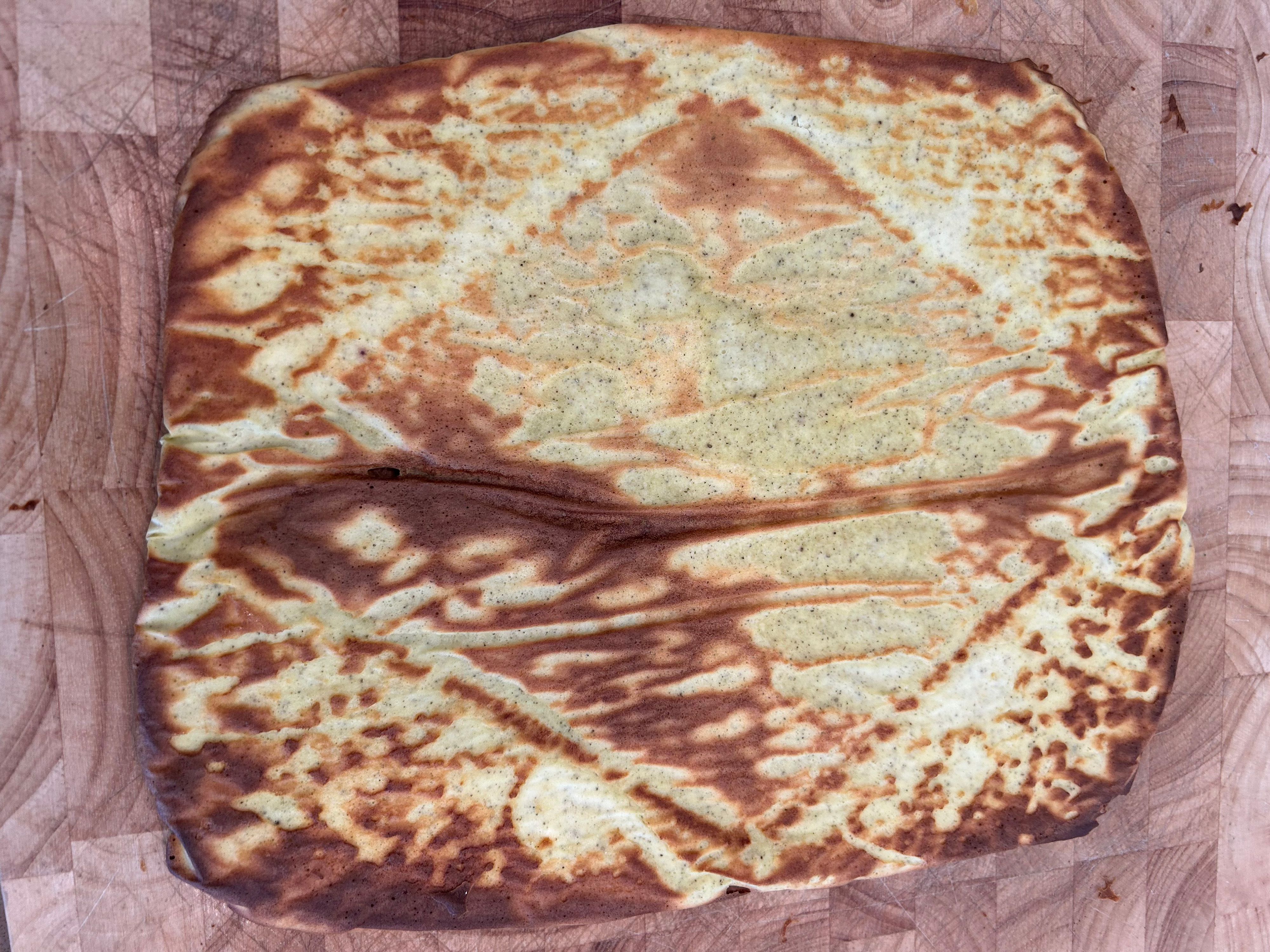
Cottage cheese has officially completed one of the most dramatic food glow-ups of the decade. Once known as the lumpy scoop your aunt ate beside canned peaches, it is now the internet’s favorite protein-packed shapeshifter. People are blending it into ice cream, dips, pancakes, pasta sauces, andmost loudly this monthflatbread.
So naturally, I tried the cottage cheese flatbread trend. Because when the internet says, “Blend dairy and eggs, spread it on parchment, bake it, and call it bread,” I apparently say, “Where is my spatula?”
The big promise is simple: a high-protein, low-carb, gluten-free flatbread made mostly from cottage cheese and eggs. It can supposedly act as a wrap, sandwich base, pizza crust, or snackable flatbread. But does it actually taste good? Does it hold together? Is it worth heating the oven for something that looks suspiciously like a cheese omelet in a witness protection program?
After testing it, tweaking it, filling it, folding it, and questioning several life choices near the oven door, here is the full answer.
What Is Cottage Cheese Flatbread?
Cottage cheese flatbread is a viral high-protein recipe usually made with cottage cheese, eggs, and seasonings. The ingredients are blended until smooth, spread thinly on parchment paper, and baked until set. Once cooled, the result can be used like a wrap, flatbread, or soft crust.
Calling it “bread” is slightly generous. There is no flour, yeast, kneading, rising, or gluten structure. It is closer to a baked protein wrap: part flatbread, part crepe, part egg bake, and part “well, this is surprisingly useful.”
The basic formula is usually:
- 1 cup cottage cheese
- 2 eggs
- Garlic powder, Italian seasoning, onion powder, pepper, or herbs
- Optional add-ins such as parmesan, spinach, turmeric, or chili flakes
Most versions bake at around 350 degrees Fahrenheit for 30 to 40 minutes, depending on thickness and moisture. The most important step is patience. If you peel it too early, it may tear. If you spread it too thick, it may turn into a squishy protein mattress. If you forget parchment paper, please accept my condolences.
Why This Trend Took Off
The cottage cheese flatbread trend checks several boxes at once. It is high in protein, low in carbohydrates, naturally gluten-free, easy to customize, and uses ingredients many people already have in the refrigerator. That is basically social media catnip.
It also fits perfectly into the current obsession with high-protein meals. Cottage cheese is rich in casein protein, which digests slowly and can help keep meals filling. Eggs add structure, more protein, and enough fat to make the flatbread taste less like a punishment.
Another reason it went viral: it looks impressive on video. A lumpy bowl of cottage cheese becomes a smooth batter. The batter becomes a flexible sheet. The sheet becomes a turkey club wrap, breakfast taco, mini pizza, or snack plate. It is the kind of transformation that makes people comment, “Wait, that worked?”
And yes, it does work. Mostly.
How I Made It
For my test, I used a straightforward version: cottage cheese, eggs, garlic powder, Italian seasoning, black pepper, and a tiny pinch of salt. I chose low-fat cottage cheese because it tends to create a sturdier wrap than very wet full-fat versions. I blended everything until completely smooth, then poured the mixture onto a parchment-lined sheet pan.
The spreading step matters. You want an even rectangle, not a dramatic landscape of dairy hills and valleys. Thin edges burn faster, thick centers stay wet longer, and uneven batter makes folding tricky later. I aimed for a thin layer, roughly the thickness of a pancake before it hits the griddle.
After about 35 minutes in the oven, the flatbread looked golden at the edges and set in the center. I let it cool for 10 minutes before peeling it from the parchment. This cooling period is not optional. Straight from the oven, it is delicate and steamy. Once it rests, it firms up and becomes much easier to handle.
The Taste Test: Good, Weird, or Internet Nonsense?
The first bite was better than expected. It tasted savory, slightly tangy, mildly eggy, and pleasantly cheesy. The texture was soft and flexible, with crispier edges and a tender middle. It did not taste like sourdough, naan, pita, or a tortilla. Anyone who tells you it tastes exactly like bread is either very optimistic or has not eaten bread recently.
But as a wrap? It is genuinely useful.
I filled mine with turkey, lettuce, tomato, avocado, and a little mustard. The flatbread held up better than I expected, although I would not overload it with watery ingredients. A modest filling worked beautifully. A mountain of tomatoes, pickles, sauce, and ambition would probably push it past its structural limits.
The best flavor combination was Mediterranean-style: chicken, cucumber, greens, red onion, and a little tzatziki. The tangy cottage cheese base made sense there. It also worked as a breakfast wrap with scrambled eggs and spinach, though that did create an egg-on-egg situation. Delicious? Yes. Slightly redundant? Also yes.
What I Loved About Cottage Cheese Flatbread
It Is High in Protein
This is the trend’s strongest selling point. Cottage cheese and eggs bring a lot of protein to the table without requiring protein powder, specialty flour, or ingredients that sound like they escaped from a fitness laboratory.
Depending on the brand and serving size, one cottage cheese flatbread can provide a meaningful protein boost. That makes it helpful for people who want a more filling lunch, a post-workout snack, or a lower-carb wrap alternative.
It Is Naturally Gluten-Free
Because the basic recipe uses no wheat flour, it is naturally gluten-free. People with celiac disease or serious gluten sensitivity should still check labels to avoid cross-contact, but the recipe itself does not rely on gluten for structure.
It Is Customizable
This flatbread is a blank canvas with a mild personality. Add Italian seasoning for sandwich wraps, cumin and smoked paprika for tacos, dill and garlic for salmon wraps, or cinnamon and vanilla for a sweeter breakfast version. You can also blend in spinach for color and extra nutrients, though it may add moisture.
It Makes Cottage Cheese Less Cottage-Cheesy
For people who dislike cottage cheese curds, blending is a miracle. The texture becomes smooth, and the final flatbread does not have the classic curd situation. If cottage cheese normally makes you nervous, this recipe is one of the friendlier ways to try it.
What I Did Not Love
It Is Not Really Bread
This is the biggest expectation adjustment. Cottage cheese flatbread is not fluffy, chewy, crusty, or bready in the traditional sense. It will not replace a warm pita, a flour tortilla, or a bakery flatbread. It is its own thing.
If you go in expecting bread, you may be disappointed. If you go in expecting a high-protein wrap that behaves well enough to hold lunch, you may be pleasantly surprised.
The Texture Can Be Tricky
Too much moisture is the enemy. Some cottage cheese brands are wetter than others, and that extra liquid can make the flatbread fragile. Draining watery cottage cheese before blending can help. So can baking a little longer and letting the flatbread cool completely before filling it.
It Can Be High in Sodium
Cottage cheese can contain a surprising amount of sodium, depending on the brand. If you are watching sodium for blood pressure or heart health, check the nutrition label and look for lower-sodium options. Also, be careful with salty fillings like deli meat, pickles, bacon, feta, and bottled sauces.
It Lacks Fiber
The basic recipe is protein-rich but not fiber-rich. That matters because fiber helps with fullness, digestion, and blood sugar balance. To make the meal more complete, pair the flatbread with vegetables, beans, fruit, avocado, or a side salad.
Best Tips for Making Cottage Cheese Flatbread Work
Use Parchment Paper, Not Wax Paper
Parchment paper is oven-safe. Wax paper is not the move here. The flatbread needs a nonstick surface, and parchment makes the peeling process dramatically easier.
Blend Until Completely Smooth
A chunky batter creates uneven texture. Blend the cottage cheese and eggs until the mixture looks like a thin pancake batter. A small blender, food processor, or immersion blender works well.
Spread It Evenly
The flatter and more even the batter, the better the final result. Aim for a thin rectangle with no thick puddles in the center. Use a spatula and take the extra 30 seconds. Future you, holding a successful wrap, will be grateful.
Let It Cool Before Peeling
This is where many people get impatient. The flatbread firms as it cools. Give it at least 10 minutes before removing it from the parchment, especially if you want to use it as a wrap.
Do Not Overfill It
This flatbread is sturdy, but it is not a construction beam. Keep fillings reasonable. Avoid very wet ingredients unless you blot them first. Sauces are welcome, but they should be used with adult supervision.
Best Filling Ideas
Cottage cheese flatbread works best with fillings that add crunch, freshness, and contrast. Here are some combinations worth trying:
- Turkey club: Turkey, lettuce, tomato, avocado, and mustard
- Mediterranean wrap: Grilled chicken, cucumber, greens, red onion, and tzatziki
- Breakfast wrap: Scrambled eggs, spinach, turkey sausage, and hot sauce
- Pizza flatbread: Marinara, mozzarella, basil, and turkey pepperoni
- Veggie crunch wrap: Hummus, carrots, cucumber, bell pepper, and sprouts
- Sweet version: Cinnamon, vanilla, berries, and a drizzle of honey
My favorite was the Mediterranean version because the tanginess of the flatbread felt intentional rather than experimental. The turkey club came in second. The pizza version was tasty, but I would bake it again briefly after adding toppings to get a more satisfying finish.
Is Cottage Cheese Flatbread Healthy?
It can be, depending on how you make it and what you put inside it. The base is high in protein and lower in carbohydrates than traditional bread. It may be a smart option for people who want a more filling wrap, a gluten-free alternative, or a way to add protein to lunch without cooking meat.
However, healthy does not mean magical. The basic recipe is low in fiber, and cottage cheese can be high in sodium. If you fill it with processed meats and salty sauces every day, the “healthy trend” halo gets a little wobbly.
The smartest way to eat cottage cheese flatbread is to treat it as the protein base of a balanced meal. Add colorful vegetables, healthy fats, and fiber-rich sides. Think greens, avocado, beans, fruit, or crunchy raw vegetables. That turns the trend from a social media trick into an actual meal.
Who Should Try It?
You should try cottage cheese flatbread if you like easy high-protein recipes, want a low-carb wrap alternative, or enjoy experimenting with viral food trends that do not require a culinary degree. It is especially useful for meal prep because you can bake a batch, cool the pieces, and store them in the refrigerator for quick lunches.
It is also great for people who want to eat more cottage cheese but dislike the texture. Once blended and baked, the curds disappear, leaving a smoother, more neutral base.
Who Might Want to Skip It?
Skip it if you strongly dislike eggs, because the flavor can lean eggy. Skip it if you want real bread, because this will not scratch that crusty, chewy, bakery-style itch. And skip or modify it if you are lactose intolerant, allergic to dairy or eggs, or limiting sodium very closely.
If you are managing a medical condition, it is always wise to check with a registered dietitian or healthcare professional before turning any viral food into a daily habit. The internet is excellent at making lunch exciting, but it is not your doctor.
My Verdict: Should You Try Cottage Cheese Flatbread?
Yes, you should try itonce. Maybe twice if your first attempt looks like a sad beige map of Nebraska.
Cottage cheese flatbread is not perfect, and it is not truly bread. But it is practical, protein-rich, customizable, and much tastier than it sounds. The recipe is simple enough for a weekday and flexible enough to keep around for wraps, breakfast sandwiches, or quick mini pizzas.
The key is managing expectations. Do not make it because you want a baguette. Make it because you want a high-protein wrap that holds fillings, tastes good with seasoning, and makes cottage cheese feel less like cafeteria nostalgia.
For me, the trend earns a solid “worth trying.” It will not replace tortillas in my kitchen forever, but it has earned a place in the meal-prep rotationespecially on days when I want lunch to feel filling without requiring a nap afterward.
My Extended Experience: What Happened After I Made It Again
The second time I made cottage cheese flatbread, I understood the assignment better. My first attempt was good, but it had the nervous energy of someone assembling furniture without reading the instructions. The second batch was smoother, thinner, and far more flexible. I drained a little liquid from the cottage cheese, blended the batter longer, and spread it with the seriousness of a person frosting a wedding cake.
That made a big difference. The flatbread peeled off the parchment with fewer dramatic moments, and the texture was more wrap-like. It still had a soft, eggy bend, but it no longer felt fragile. I could fold it around turkey, greens, and avocado without whispering encouragement to it.
I also learned that seasoning is not optional. Plain cottage cheese flatbread tastes fine, but “fine” is not why we turn on the oven. Garlic powder, onion powder, Italian seasoning, cracked pepper, and a little parmesan made the savory version much better. For a taco-style wrap, cumin and smoked paprika helped it taste more intentional. Without seasoning, the flatbread can drift into bland brunch territory.
The biggest surprise was how filling it felt. A regular wrap can sometimes leave me hunting for snacks an hour later, like a raccoon with Wi-Fi. This version kept me full longer, especially when I added chicken, crunchy vegetables, and a yogurt-based sauce. The protein did its job. The vegetables brought freshness. The sauce made everything feel like lunch instead of a science project.
Storage was decent but not flawless. I wrapped leftover pieces in parchment and kept them in the refrigerator. The next day, they were still usable, though softer. Reheating in a dry skillet helped bring back some structure. The microwave, however, made it a little too steamy and floppy. Not terrible, but not ideal. If you plan to meal prep, I recommend storing the flatbread separately from fillings and assembling right before eating.
I tried a pizza-style version too. I spread a thin layer of marinara over the baked flatbread, added mozzarella and basil, and returned it to the oven for a few minutes. It tasted great, but it was more “protein snack pizza” than “Friday night pizza.” That is not an insult. It just belongs in a different emotional category.
Would I make it every week? Maybe not every week. But I would make it when I have cottage cheese to use up, when I want a higher-protein lunch, or when I need a gluten-free wrap option for someone at the table. It is inexpensive, flexible, and surprisingly satisfying when done right.
My final personal takeaway is this: cottage cheese flatbread is a good trend because it solves a real kitchen problem. It gives you a simple, protein-rich base for meals without requiring special flour, complicated technique, or a shopping cart full of wellness products. It is not glamorous. It will not win a beauty contest against focaccia. But it is useful, tasty, and just weird enough to make lunch more fun.
So yes, I would recommend trying the cottage cheese flatbread trend. Just season it well, let it cool, do not overfill it, and remember: it is not bread pretending to be cottage cheese. It is cottage cheese pretending to be breadand honestly, it is doing its best.
Conclusion
Cottage cheese flatbread is one of those viral recipes that sounds suspicious until you actually make it. Then it becomes clear why people like it: it is simple, high in protein, flexible, and surprisingly tasty when seasoned well. It will not replace traditional bread, but it can absolutely work as a smart wrap alternative, quick lunch base, or meal-prep helper.
The best results come from using a smooth batter, spreading it evenly, baking until fully set, and letting it cool before peeling. Pair it with vegetables and balanced fillings, and it becomes more than an internet stunt. It becomes lunch.