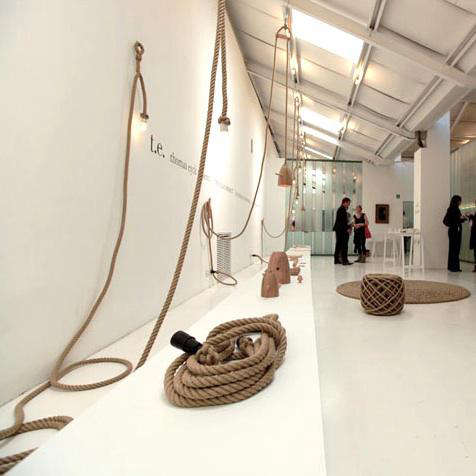
Some lighting is practical. Some lighting is pretty. Rope light, when used well, manages to be bothand that is exactly why it keeps showing up in kitchens, patios, stair details, decks, media walls, and quietly smug “before and after” photos. It can glow under a bench, trace a pergola, soften a headboard wall, define a toe-kick, or give your backyard the kind of atmosphere that makes people ask if you suddenly became a designer. You did not. You just used rope light wisely.
This guide looks at the “high/low” rope light idea from both sides: how to create a polished, high-end effect and how to do it without spending like your ceiling belongs in a luxury hotel. Along the way, we’ll cover what rope light really is, where it works best, how to choose between styles, how to avoid common mistakes, and why the difference between “wow” and “why does this look like a gas station snack aisle?” is usually placement, temperature, and restraint.
What Is Rope Light, Exactly?
Rope light is a flexible lighting product enclosed in a clear or frosted tube. Traditionally, it was associated with decorative outlines and holiday-style accents, but modern versionsespecially LED rope lightshave become far more versatile. Today’s options can be dimmable, weather-rated, cuttable in specific intervals, warm or cool in tone, and subtle enough to disappear until switched on.
That flexibility is the magic. Unlike rigid fixtures, rope light bends around curves, corners, railings, shelves, and architectural edges. It can act as accent lighting, mood lighting, pathway lighting, or a decorative design detail. In the right spot, it adds glow rather than glare. And in lighting, glow is usually what people mean when they say a room feels “expensive.”
Why Rope Light Still Works in Modern Design
Good lighting is rarely about brute brightness. A well-lit room usually relies on layers: ambient light for general visibility, task light for function, and accent light for drama. Rope light belongs in that third category. It is the supporting actor that quietly steals the scene.
That is why rope light works so well in homes that want warmth without visual clutter. It hides easily. It emphasizes form. It makes architectural features look deliberate. It brings softness to rooms overloaded with hard materials like tile, stone, glass, and metal. It also helps outdoor areas feel finished instead of forgotten after sunset.
The High-End Secret: Hide the Source
If you remember one rule, make it this one: the most elegant rope light is usually the rope light you don’t see. You want the glow, not the plastic tube announcing itself like a stage prop. Tuck it under a cap rail, behind a lip, below a shelf edge, inside a recess, along the underside of a bench, or under stair nosing where the light washes the surface instead of staring directly at your eyeballs.
When the source is concealed, rope light reads as architecture. When it is fully visible in the wrong place, it reads as decoration. Decoration is fine. Architecture is better.
High vs. Low: How to Get the Look at Any Budget
The phrase “high/low” usually means mixing splurge-worthy style with budget-friendly decisions. Rope light is almost made for that strategy because the visual payoff often depends more on planning than price.
High-End Rope Light Choices
Premium rope light tends to offer better color consistency, smoother diffusion, sturdier materials, stronger weather resistance, and more reliable connectors. It may also dim more gracefully and maintain a cleaner, more even glow. In custom interiors, higher-end products are often chosen for millwork, cove details, stair integration, and outdoor installations that stay up year-round.
Where a splurge makes sense: under custom cabinetry, around architectural niches, along permanent deck details, around built-ins, and in hard-to-reach locations where replacing cheap product later would be irritating enough to start a family argument.
Low-Cost Rope Light Choices
Budget rope light can still look terrific when used strategically. It shines in temporary outdoor entertaining, renters’ spaces, party zones, casual patios, dorm-style bedrooms, kids’ rooms, and small accent moments where perfection is not the mission. If your goal is a cozy glow behind a headboard, around open shelving, or under a backyard bench for summer nights, you do not always need the fanciest option in the lighting universe.
Where budget works best: short visible runs, light-duty decorative use, seasonal styling, and projects that are easy to update later. Save your money for the sofa. The sofa gets more complaints.
Best Places to Use Rope Light Indoors
Kitchen Toe-Kicks and Under-Cabinet Accents
Rope light beneath lower cabinets creates a floating effect that makes kitchens feel larger and more custom. It can also add a soft nighttime glow without forcing anyone to turn on harsh overhead lighting for a midnight snack. Under upper cabinets, it works best when the product is designed for task-adjacent use and the brightness is controlled properly.
Bedrooms and Headboards
In bedrooms, rope light can soften the room when tucked behind a headboard, under a bed frame, or along a shelf wall. Warm light matters here. This is not the place for icy blue-white brightness unless your design goal is “airport lounge at 2 a.m.”
Media Walls and Shelving
Backlighting a TV wall, bookshelf, or display shelf can add depth and reduce visual flatness. It works particularly well in rooms that need evening ambiance more than raw brightness. If you want the room to feel calm, rope light behind shelves or millwork is a smart move.
Stairs and Hallways
Rope lighting beneath stair treads, along baseboard-level channels, or near hallway transitions can improve nighttime navigation while creating a subtle luxury effect. This is one of the best examples of lighting that feels both useful and stylish.
Best Places to Use Rope Light Outdoors
Deck Railings and Benches
Outdoor rope light excels when mounted under railing caps, beneath bench seating, or tucked below deck edges. It makes pathways easier to read after dark and helps the deck feel intentional instead of disappearing into the night. It is especially effective when paired with other low-voltage or landscape lighting rather than expected to do every job alone.
Pergolas and Patios
Wrapped or tucked rope light can help define the structure of a pergola, soften the perimeter of a covered patio, or add a warm border to an outdoor dining area. The trick is not to over-outline everything. A little glow goes a long way. If every beam shines, the result can feel more carnival than courtyard.
Garden Edges, Steps, and Fences
For outdoor entertaining, rope light can highlight changes in level, frame a fence line, or create visual rhythm around steps and planters. Outdoor-rated LED products are usually the smarter choice here because they last longer, waste less energy, and handle repeated use more gracefully than old-school incandescent decorative lighting.
How to Choose the Right Rope Light
1. Pick LED First
In most cases, LED rope light is the best option. It is more energy efficient, runs cooler, tends to last longer, and is available in more usable forms than older incandescent versions. That means lower operating costs, less wasted energy, and fewer replacement headaches.
2. Match Brightness to Purpose
Not every rope light should be bright enough to signal aircraft. Accent lighting should feel gentle. Task-adjacent lighting can be brighter, but still needs balance. If you are lighting a stair edge or deck boundary, visibility matters. If you are lighting a bedroom shelf, subtlety wins.
3. Choose the Right Color Temperature
Warm white usually creates the most inviting result in residential spaces. It flatters wood tones, softens stone, and feels more relaxed in bedrooms, living rooms, and patios. Cooler light can work in utility areas, but overuse often makes a home feel clinical. Unless the goal is crisp utility, warm is the safer bet.
4. Check Indoor/Outdoor Ratings
This sounds boring until something fails in the rain. If the product is going outside, confirm that it is specifically rated for outdoor use. Also check whether connectors, controllers, and power supplies are equally suited to that environment. One weather-resistant component does not magically make the whole setup weatherproof.
5. Look for Safety Marks and Clear Instructions
Lighting products should come with proper labeling, safety guidance, and installation instructions. That matters even more for flexible decorative lighting, which has its own safety standards and a history of recalls and fire or shock concerns when poorly made or misused. In plain English: mystery bargain lighting from the internet is not always the charming rebel it thinks it is.
Installation Tips That Separate the Gorgeous From the Goofy
Plan the Run Before You Buy
Measure the route carefully, including corners, rises, returns, and the location of outlets or transformers. Buying first and “figuring it out later” is how people end up with extra coils stuffed behind a planter. Lighting deserves better.
Use Mounting Hardware That Matches the Product
Do not improvise with adhesives or fasteners that pinch, crush, or overheat the tubing. Use clips, channels, or recommended supports. A neat installation always looks more expensive than it was.
Conceal Cords and Power Components
The glow should read intentional. The transformer blob and loose extension cord should not be the star of the show. Keep power sources accessible but discreet, and make cable paths as invisible as possible.
Consider Controls
Dimmers, timers, occupancy sensors, or simple smart plugs can make rope light dramatically more useful. Accent lighting is best when it feels easy. If switching it on requires a scavenger hunt, you will stop using it.
Common Rope Light Mistakes
- Using light that is too cool or too bright for the space.
- Installing outdoor lighting that is not actually outdoor-rated.
- Leaving the rope fully visible when a hidden placement would look better.
- Expecting rope light to replace all general lighting in a room.
- Running too many visual lines and turning a clean design into glowing spaghetti.
- Ignoring the power supply, connector quality, and long-term maintenance needs.
Design Ideas That Work Especially Well
Minimal Modern
Use warm rope light under floating vanities, shelving, or stair details. Let the light wash surfaces instead of outlining every edge.
Cozy Outdoor Entertaining
Tuck rope lighting under deck seating or rail caps and combine it with a few pendants, lanterns, or string lights. Layering always feels richer than relying on one source.
Budget-Friendly Drama
Add rope light to a bookshelf, media console, or headboard wall. One modest run can make a whole room feel more intentional, especially when the rest of the lighting is plain.
Soft Night Lighting
Low-level rope light in hallways, stairs, or toe-kicks gives you enough light to move around safely without waking the whole house. Your future half-asleep self will be grateful.
Is Rope Light Worth It?
Yeswhen used with purpose. Rope light is not the hero of every room, but it is one of the easiest ways to add atmosphere, visual depth, and practical low-level light without a major remodel. It can look upscale or casual, architectural or playful, permanent or flexible. And that range is exactly what makes it such a strong high/low design tool.
If you want the smartest summary, it is this: choose LED, choose warm light when appropriate, use rated products for the location, hide the source whenever possible, and resist the urge to outline every single object you own. Rope light works best when it whispers. Once it starts yelling, the magic leaves the room.
Experiences With High/Low Rope Light in Real Life
The most interesting thing about rope light is how differently people experience it depending on where and why they use it. In one home, it is a practical safety feature. In another, it is mood lighting. In another, it is the cheapest design trick in the room and somehow still the thing guests remember. That range is part of its charm.
A common first experience happens outdoors. Someone adds rope light under a deck rail or along a bench because the backyard feels too dark after dinner. The expectation is modest: maybe a little extra visibility, maybe some atmosphere. Then evening arrives, the lights come on, and suddenly the whole deck feels more usable. The furniture looks intentional. The edge of the space is easier to read. People linger longer. What changed was not just brightness, but comfort. The light quietly defined the room outside.
Indoors, many people discover rope light through frustration with overhead fixtures. A kitchen with only ceiling lights can feel harsh at night, especially when nobody wants full brightness for a glass of water or a late snack. Add a low run beneath the toe-kick or cabinets, and the room changes personality. It becomes softer, calmer, more livable. The experience is less about illumination in the technical sense and more about emotional temperature. The room stops feeling “on” and starts feeling “awake but relaxed.”
Bedrooms are another revealing case. People often assume lighting upgrades must involve new bedside lamps or a statement fixture. Then they try a hidden rope light behind a headboard, shelf, or bed frame and realize the room feels more expensive with almost no visual clutter added. That is a powerful design lesson. A space does not always need more objects; sometimes it needs better light placement. The experience is subtle but memorable because the room feels finished in a way that is hard to explain until you see it.
There are budget experiences, too, and they matter. Not everyone installs premium architectural lighting systems. Plenty of people buy affordable rope light for a patio party, a rental apartment, a dorm corner, or a child’s room makeover. Even then, the effect can be surprisingly satisfying. A simple glow behind a bookcase or around a tiny balcony can make a temporary space feel personal. That emotional payoff is one reason rope light remains popular. It offers visible transformation without demanding a dramatic renovation budget.
Of course, not every experience is a triumph. People also learn quickly that placement matters more than expected. Rope light that is too visible can feel cheap. Light that is too cool can flatten a room. Outdoor products that are not truly rated for weather can become disappointing very fast. These lessons are useful because they teach the difference between decorative lighting and thoughtful lighting. The most successful users usually become more restrained over time. They stop outlining everything and start editing.
In the best real-world examples, high/low rope light becomes less about the product and more about behavior. Families use it to navigate stairs at night. Hosts use it to stretch conversations on the patio. Renters use it to make generic rooms feel like their own. Designers use it to create depth without clutter. Budget decorators use it for dramatic effect. Homeowners use it to make daily routines feel easier and evenings feel warmer. That is a pretty good résumé for a humble glowing tube.
Ultimately, the experience of rope light is not just visual. It is atmospheric. It changes how people move through a space, how long they stay there, and how the room feels after sunset. That is why high/low rope light continues to earn a place in both polished design schemes and everyday homes. It is accessible, adaptable, and capable of doing something all great lighting does: making ordinary spaces feel a little more intentional, a little more welcoming, and a lot more alive.
Conclusion
High/low rope light proves that strong design does not always require complicated fixtures or dramatic spending. With the right product, the right color temperature, and smart placement, rope light can elevate kitchens, bedrooms, patios, decks, stairs, and shelving with a clean, inviting glow. The best results come from restraint, layering, and a focus on atmosphere rather than sheer brightness. Whether you choose a premium architectural option or a budget-friendly LED run, rope light can deliver a designer effect when used with intention.