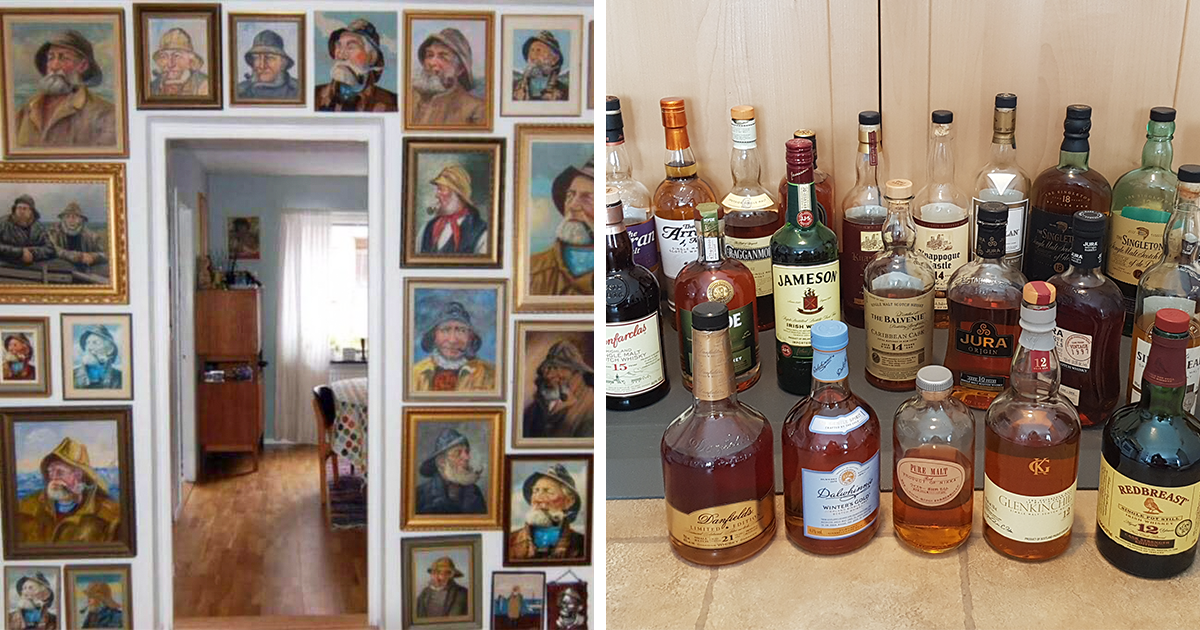
Some people collect stamps. Some collect sneakers. Some people own so many mugs that their kitchen cabinet opens with the dramatic tension of a haunted-house door.
And then there are the glorious weird collectors: the people who save hotel key cards from every trip, antique butter knives with mysterious monograms, bottle caps from sodas that no longer exist, tiny plastic babies found in king cakes, or receipts from meals that changed their lives. These collections may not make sense to everyone else, but that is exactly what makes them fun.
Welcome to the wonderfully odd world of unusual collections, where one person sees a bent spoon and thinks, “Trash,” while another sees a bent spoon and whispers, “A rare 1998 airport cafeteria specimen.”
This is your invitation to share the strange, sentimental, funny, and unexpectedly meaningful things you collect. Whether your display shelf is organized like a museum gallery or resembles a highly emotional drawer full of “important little stuff,” every collection has a story.
What Makes a Collection Weird?
“Weird” is a compliment here. A weird collection is simply something outside the standard lineup of coins, sports cards, comic books, and vintage records. It is the kind of collection that makes a visitor pause, lean closer, and ask, “Wait… why do you have 43 miniature chairs?”
The answer may be simple: because miniature chairs are delightful. Or because you found one in a thrift store as a teenager, then another at a flea market, then suddenly your entire personality had a seating chart.
Unusual collections often begin by accident. You keep one oddly shaped rock because it looks like a potato. A friend gives you another rock that resembles a sleepy seal. Ten years later, you own a labeled shelf called Geological Snacks and have strong opinions about sedimentary texture.
That is the magic of collecting. It transforms random objects into a personal universe.
Why People Love Collecting Strange Things
At first glance, collecting may look like a hobby built around owning stuff. But the best collections are rarely about possession alone. They are about memory, curiosity, creativity, identity, and the tiny thrill of finding one more piece for the pile.
Collections Turn Everyday Objects Into Stories
A collection gives ordinary objects a second life. A candy wrapper might remind someone of summer road trips with their grandparents. An old key could bring back memories of a first apartment. A stack of concert wristbands may represent years of friendships, bad parking decisions, and songs screamed loudly enough to concern nearby wildlife.
When grouped together, small objects become a timeline. They reveal where someone has been, what they loved, what made them laugh, and what they could not bring themselves to throw away.
Collecting Gives the Brain a Tiny Treasure Hunt
There is a special kind of excitement in spotting an item that belongs in your collection. It is not always about price or rarity. Sometimes the thrill comes from finding a rubber duck dressed like a pirate, a spoon shaped like a fish, or a postcard from a town with an aggressively cheerful name.
Collectors develop radar. A person who collects vintage buttons can spot one under a pile of costume jewelry from ten feet away. Someone who collects old motel soap bars may detect a forgotten travel-size packet while helping a friend move. It is not a superpower exactly, but it does make thrift shopping more dramatic.
Unusual Collections Are Great Conversation Starters
A shelf full of antique salt shakers can tell guests more about you than a carefully staged coffee table book ever could. Weird collections invite questions, stories, jokes, and the occasional raised eyebrow.
They can also create instant community. Somewhere out there is another person who also collects vintage grocery lists, strange refrigerator magnets, tiny plastic animals, broken costume jewelry, or old airport luggage tags. The internet has proven that no hobby is too niche. There is probably a forum, a Facebook group, a convention, and at least one person willing to argue passionately about the best decade for novelty pencil toppers.
Weird Things People Collect That Deserve More Respect
There is no official ranking of strange collections, mostly because the committee would never agree on whether a collection of expired coupons is more unusual than a collection of restaurant toothpicks. Still, here are a few categories that deserve appreciation.
Hotel Key Cards
Hotel key cards are little rectangles of travel memory. They often feature beaches, city skylines, golf courses, local attractions, or generic luxury fonts trying very hard to convince you that a continental breakfast is an elite experience.
A hotel key card collection can become a visual map of vacations, work trips, family reunions, delayed flights, and that one conference where you attended three panels and ate eleven tiny pastries.
Oddly Specific Mugs
Everyone has mugs. But collectors do not just own mugs. They curate mugs.
Maybe they collect souvenir mugs from gas stations, political campaign mugs, mugs with accidental misspellings, mugs shaped like animals, or mugs that say things nobody should say before coffee. A good mug collection is both useful and deeply confusing to houseguests.
Vintage Matchbooks
Vintage matchbooks are tiny pieces of advertising history. Restaurants, motels, bowling alleys, nightclubs, and local businesses once used them as pocket-sized marketing. Today, they can capture old logos, forgotten businesses, dramatic typography, and a time when every dinner out apparently required access to fire.
Collectors often love them because they are colorful, compact, and full of atmosphere. One small matchbook can make you imagine a neon sign buzzing outside a diner in 1967.
Shopping Lists and Handwritten Notes
A forgotten grocery list can be surprisingly human. “Milk. Eggs. Cat food. Call Mom.” That is a tiny slice of somebody’s ordinary day, accidentally preserved in pen.
Some people collect old handwritten notes, recipe cards, shopping lists, school notes, and postcards because handwriting feels personal in a world of typed messages. Each note carries little clues: favorite foods, family habits, household chores, funny reminders, and occasional evidence that someone was very serious about buying mayonnaise.
Souvenir Spoons, Tiny Chairs, and Miniature Things
Miniatures have power. A tiny chair is objectively less useful than a normal chair, but it is also somehow more charming. Miniature collections can include furniture, food, animals, books, tea sets, tools, or tiny versions of things that should probably never be tiny, such as traffic cones or lawn mowers.
There is something irresistible about a small object that looks like it has important errands to run.
Broken Jewelry and Single Earrings
A single earring may look lonely to most people. To a creative collector, it is one half of a future project. Old brooches, loose beads, broken chains, orphaned earrings, and costume jewelry pieces can become art, decorations, framed displays, or wildly ambitious craft projects that begin with confidence and end with glitter in the carpet.
How to Start a Weird Collection Without Creating Chaos
The goal is to build a collection, not accidentally become the final level of a storage-unit reality show. A great collection needs a little structure, even when the subject itself is delightfully strange.
Pick a Clear Theme
“I collect everything I think is neat” is emotionally valid, but it can be difficult to organize. A theme helps your collection feel intentional.
Instead of collecting all postcards, try collecting postcards with weird animals. Instead of collecting all toys, try collecting tiny plastic food. Instead of gathering every old book you see, focus on books with handwritten notes inside. Specific themes make collecting more fun because they create a challenge.
Set a Budget Before the Internet Gets Involved
The internet is wonderful for collectors and dangerous for wallets. One minute you are casually searching for a vintage duck-shaped timer. The next minute you are comparing international shipping costs for a rare 1970s duck-shaped timer with its original box.
Set a monthly budget, especially for collectibles that can become expensive. The joy of collecting should not be followed by the horror of checking your bank account.
Document What You Have
Take photos, keep a spreadsheet, create a notebook, or make a simple digital album. Record where an item came from, when you found it, what you paid, and why it matters.
This is useful for insurance, organization, and memory. It also prevents the classic collector problem of buying the same item twice because you forgot it was already hiding behind a pile of other treasures.
Display It Like You Mean It
Even the weirdest collection can look impressive when displayed thoughtfully. Use shelves, shadow boxes, labeled jars, archival boxes, wall frames, or clear storage containers. Keep fragile paper items away from food, moisture, direct sunlight, and the kind of tape that becomes permanent after five years.
A collection does not need to be expensive to look intentional. A neat arrangement can turn bottle caps into wall art, vintage postcards into a colorful gallery, or tiny plastic dinosaurs into a very dramatic bookshelf parade.
Collect Responsibly: Weird Is Good, Harmful Is Not
A collection should bring joy, not stress, financial trouble, safety problems, or a household argument that begins with, “Why are there twenty boxes of old ketchup packets in the garage?”
Healthy collecting usually has a focus. You know what you are collecting, you can organize it, and you can still use your living space normally. A collection may be large, but it should not make your home unsafe or cause constant distress.
It is also important to collect ethically. Avoid taking objects from protected natural areas, archaeological sites, or places where removing items is prohibited. Do not purchase wildlife products, feathers, bones, shells, plants, or cultural artifacts unless you understand the legal and ethical rules involved. When in doubt, choose photos, replicas, secondhand items with clear origins, or objects made by contemporary artists and sellers.
The best collection is one you can enjoy with a clear conscience. No rare souvenir is worth damaging a place, exploiting wildlife, or taking something that belongs to a community’s history.
How to Share Your Weird Collection With the World
You do not need a private museum wing or a velvet rope to share your collection. A simple photo and a good story can make people care about almost anything.
When sharing your collection online, show the overall display first, then include a few close-up photos of the funniest, oldest, rarest, or most sentimental pieces. Tell people how it began. Was it a childhood obsession? A joke that got out of hand? A rescue mission for objects everyone else ignored?
The origin story is often more entertaining than the collection itself. Nobody expects to become emotionally invested in a collection of vintage napkins until they hear that the first one came from a diner where someone’s grandparents had their first date.
And please include the weirdest item. Every collection has one. It might be a fork shaped like a lobster, a tooth-shaped candy container, a novelty keychain that makes an alarming sound, or a tiny statue that appears to be judging everyone in the room.
Collector Experiences: The Weird Little Things That Become Big Memories
Experience 1: The Person Who Could Not Stop Saving Hotel Shampoo Bottles
It started with one tiny bottle of shampoo from a beach hotel. The label had a cartoon palm tree, and it seemed too cheerful to throw away. Then came a bottle from a mountain lodge, then another from a motel with a suspiciously fancy logo, then a travel-size conditioner from a hotel that claimed to offer “European elegance” despite being located beside a highway exit.
Years later, the collector had a shelf full of miniature bottles. Some were shaped like seashells. Some had labels in different languages. A few were so old that the shampoo inside had become a mysterious gel with the consistency of regret. But the collection was not really about toiletries. Each bottle represented a trip: a honeymoon, a family vacation, a work conference, a road trip, a weekend escape after a difficult year.
To anyone else, it looked like a bathroom supply store had exploded. To the collector, it was a travel diary with tiny caps.
Experience 2: The Drawer Full of Restaurant Receipts
One collector began saving restaurant receipts after a first date at a small pizza place. The receipt was nothing special: two slices, one soda, a tip written in slightly nervous handwriting. But the date became important, and the receipt became a tiny paper souvenir.
After that, more receipts joined the drawer. There was one from a birthday dinner, one from a late-night diner meal after moving apartments, one from the first time they ate alone in a new city, and one from a restaurant that served a dessert so terrible it became family legend.
The receipts became a strange but meaningful record of life. They showed dates, locations, favorite meals, and the changing prices of fries over time. A future historian might be confused, but the collector knew exactly why a crumpled receipt from a roadside burger place mattered.
Experience 3: The Collection of Tiny Plastic Animals
A person found a tiny plastic elephant under a grocery store shelf when they were eight years old. It was missing one eye and had a paint job that suggested it had survived several difficult decades. Naturally, they took it home.
That elephant became the beginning of a miniature animal kingdom. Soon there were tiny giraffes, dinosaurs, frogs, turtles, sharks, horses, and animals that may have been lions but looked more like determined potatoes.
The collection grew through thrift stores, flea markets, party favor bags, childhood toy boxes, and surprise gifts from friends. The animals eventually filled glass jars and small shelves. Visitors loved trying to identify the strangest creature in the group.
The favorite was still the original elephant. It was not rare, valuable, or particularly attractive. But it was the beginning of everything.
Experience 4: The Strange Magnet Wall
One collector refused to buy ordinary travel souvenirs. Instead, they collected magnets from places that had absolutely no reason to sell magnets. Hardware stores, laundromats, small-town festivals, local radio stations, farm stands, plumbing companies, and one very proud parking garage all made the cut.
The refrigerator became a chaotic map of weird places and stranger memories. There was a magnet shaped like a corn cob from a roadside festival, a smiling wrench from a local repair shop, and a magnet from a motel that no longer existed.
The collector loved that each magnet had survived something. Businesses changed names. Buildings disappeared. Family trips became old stories. But the magnets stayed, holding up grocery lists and reminding everyone that somewhere in the world, a parking garage once had enough confidence to sell souvenirs.
Experience 5: The Unexpected Comfort of Collecting Lost Buttons
Buttons are easy to ignore until you begin noticing them everywhere. A loose button in a coat pocket. A jar of buttons inherited from a grandparent. A handful in a thrift-store bag. One shiny button on the sidewalk after rain.
A collector started saving buttons during a stressful period because sorting them was calming. They organized them by color, size, material, and level of dramatic flair. There were pearl buttons, wooden buttons, metal buttons, flower buttons, tiny buttons, giant buttons, and several buttons that looked like they belonged on the outfit of a tiny Victorian mayor.
Over time, the button collection became a creative resource. Some were used for crafts. Others stayed in jars because they were too beautiful, odd, or sentimental to use. The collection proved that even the smallest objects can offer comfort when they give your hands something to sort and your mind something gentle to focus on.
Final Thoughts: Your Weird Collection Is Probably More Interesting Than You Think
Collecting weird things is not about impressing everyone. It is about finding delight in objects that make sense to you. Maybe you collect miniature spoons, vintage menus, odd-shaped rocks, expired transit tickets, broken clocks, or rubber ducks wearing costumes. Great. That is your story shelf.
The world is full of things designed to be used once, forgotten, or tossed away. Collectors notice the charm hiding in those objects. They rescue little pieces of daily life and give them meaning.
So, Hey Pandas: what weird thing do you collect? Show us the shelf, the drawer, the box under the bed, or the suspiciously organized corner of your home. We promise not to judge.
Note: The collector experiences above are composite, illustrative stories created to reflect common collecting habits and should not be read as claims about specific individuals.