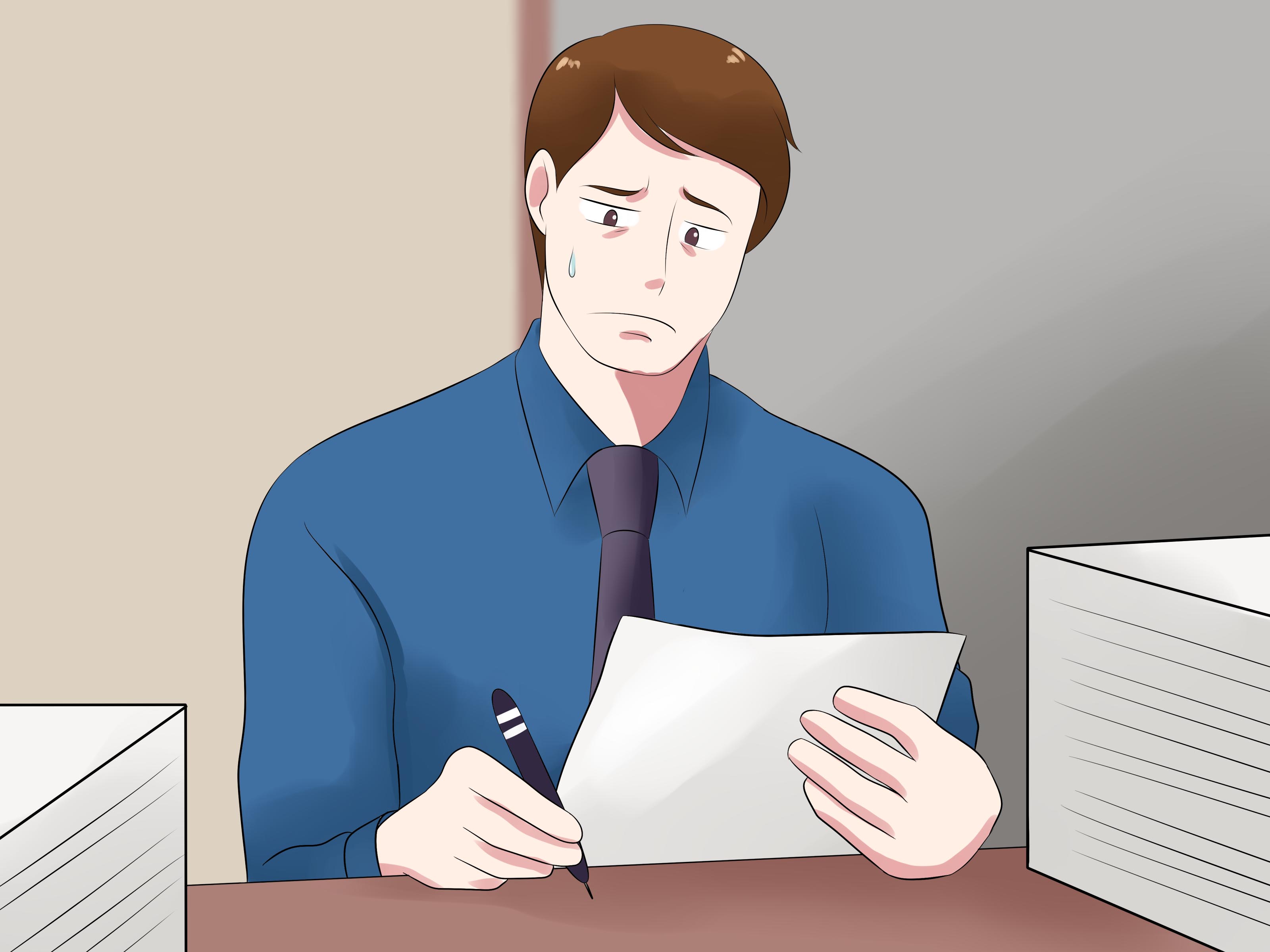
Insomnia is one of those problems that can turn a perfectly normal human into a dramatic midnight philosopher. At 2:13 a.m., suddenly the ceiling fan is too loud, your pillow has betrayed you, and your brain decides it is the ideal time to replay every awkward thing you have ever said since kindergarten. If that sounds familiar, you are far from alone.
Insomnia is common, frustrating, and often misunderstood. Some people think it only “counts” if you do not sleep at all. Others assume it is just stress, that a nightcap will fix it, or that sleeping until noon on Saturday will magically erase a week of poor rest. Unfortunately, insomnia does not usually respond to wishful thinking, random internet hacks, or a stubborn commitment to staying in bed while getting angrier by the minute.
The good news is that there is a lot we know about insomnia. We know what it is, what tends to trigger it, why it can stick around, and which treatments are most likely to help. We also know that many of the most popular beliefs about sleep are myths dressed up as “common sense.” This article breaks down the facts, clears up the confusion, and explains what people should know if sleep has become more battle than bedtime.
What Insomnia Actually Is
Insomnia is a sleep disorder that makes it hard to fall asleep, stay asleep, or get back to sleep after waking too early. It is not just about the number of hours you sleep. It is also about sleep quality and daytime impact. A person with insomnia may technically spend plenty of time in bed but still wake up feeling unrefreshed, foggy, irritable, and ready to fight a toaster for no clear reason.
Insomnia can be acute or chronic. Acute insomnia is short-term and often shows up during stressful periods, illness, travel, or major schedule changes. Chronic insomnia lasts longer and may be linked to medical conditions, mental health concerns, medications, poor sleep habits, other sleep disorders, or a mix of several factors at once. In other words, insomnia is often less like a single villain and more like a group project gone wrong.
Fast Facts About Insomnia
- Insomnia is one of the most common sleep complaints in adults.
- It can affect sleep onset, sleep maintenance, or early morning waking.
- Women and older adults are more likely to report insomnia symptoms.
- Insomnia can interfere with mood, concentration, learning, memory, work performance, and driving safety.
- Short-term sleep trouble is common, but persistent insomnia deserves attention.
- Behavioral treatment, especially CBT-I, is considered the first-line treatment for chronic insomnia.
Why Insomnia Happens
Insomnia does not appear out of thin air just to ruin your Tuesday. It usually develops because of one or more contributing factors.
Stress and Life Changes
Work pressure, school demands, relationship conflict, grief, money worries, illness, jet lag, and changes in routine can all disturb sleep. Even positive events, like starting a new job or moving to a new home, can throw off your sleep rhythm.
Health Conditions
Chronic pain, asthma, reflux, hormonal changes, depression, anxiety, heart problems, and neurological issues can all interfere with restful sleep. Sometimes insomnia is the main complaint. Other times it is a side effect of something else that is already creating chaos behind the scenes.
Other Sleep Disorders
Not every person who sleeps badly has insomnia alone. Sleep apnea, restless legs syndrome, and circadian rhythm problems can look like insomnia at first. That matters because treatment works best when the real cause is identified.
Substances and Medications
Caffeine, nicotine, alcohol, some cold medicines, certain antidepressants, stimulants, steroids, and even “helpful” over-the-counter products can all interfere with sleep. This is where many people become accidental sleep saboteurs while honestly trying to feel better.
Habits That Train the Brain the Wrong Way
Irregular bedtimes, doomscrolling in bed, watching the clock, falling asleep with bright screens on, and spending long periods awake under the covers can teach the brain that bed is a place for frustration instead of sleep. Once that pattern forms, insomnia can keep going even after the original trigger fades.
Common Myths About Insomnia and the Real Facts
Myth 1: Insomnia means you never sleep at all
Fact: Most people with insomnia do sleep some. The problem is that the sleep may be too short, too broken up, too light, or too unrefreshing. Someone can get a few hours of sleep and still have real insomnia if they regularly struggle at night and feel impaired during the day.
Myth 2: Everyone needs exactly eight hours of sleep
Fact: Sleep needs vary. Many adults do best in the seven-to-nine-hour range, but there is no magic number that fits every person. What matters is whether you are getting enough quality sleep to function well, think clearly, and feel reasonably human before your second cup of coffee.
Myth 3: Older adults need much less sleep
Fact: Older adults still generally need about the same amount of sleep as younger adults. What changes more often is sleep timing and sleep continuity. Sleep may become lighter, earlier, and more fragmented with age, but that is not the same as needing dramatically less rest.
Myth 4: Alcohol helps insomnia
Fact: Alcohol can make you feel sleepy at first, which is why this myth refuses to retire. But it often disrupts sleep later in the night, increases awakenings, and can worsen sleep quality overall. In sleep terms, alcohol is the friend who offers to help you move and then drops the couch on your foot.
Myth 5: If you cannot sleep, stay in bed and try harder
Fact: Trying harder to sleep is a little like trying harder to sneeze. It usually backfires. One core insomnia strategy is to avoid lying awake in bed for long stretches. That can strengthen the connection between bed and wakefulness. Instead, behavioral sleep treatment teaches people to rebuild the bed-sleep association.
Myth 6: Weekend catch-up sleep fixes everything
Fact: Extra sleep after a rough week may help you feel somewhat better, but it does not completely erase the effects of chronic sleep loss or poor sleep quality. Wild swings between weekday deprivation and weekend recovery can also disrupt your body clock, making Sunday night feel like a cruel practical joke.
Myth 7: Naps are always bad
Fact: Naps are not automatically evil. Short, well-timed naps can be helpful for some people. But long naps, late naps, or frequent naps can reduce sleep drive and make nighttime insomnia worse. Like frosting, naps are not the problem by default; the amount and timing matter.
Myth 8: Blue light is no big deal at bedtime
Fact: Evening exposure to light from phones, tablets, computers, TVs, and bright LEDs can interfere with melatonin and increase alertness. For people who already struggle to sleep, late-night screen use can be the equivalent of inviting a marching band into the bedroom.
Myth 9: Melatonin is a cure for chronic insomnia
Fact: Melatonin may help some people fall asleep a little faster, especially with jet lag or certain circadian rhythm issues, but it is not a universal fix for chronic insomnia. More is not always better, and supplements are not risk-free just because they sit on a store shelf looking innocent.
Myth 10: Sleeping pills are always the best solution
Fact: Medication can play a role for some people, but it is not the first answer for chronic insomnia. Some prescription sleep medicines carry important risks, including next-morning impairment and rare but serious complex sleep behaviors. Medication decisions should be individualized and medically guided, not chosen because a commercial promised “dreamy tranquility.”
Myth 11: Insomnia is just stress and will go away on its own
Fact: Stress is a common trigger, but persistent insomnia is not something people should simply tough out forever. Once poor sleep becomes a pattern, it can continue even after the original stressor fades. That is one reason evidence-based treatment matters.
How Insomnia Affects Daily Life
Insomnia is not just a nighttime problem. It is a 24-hour issue with nighttime roots. People with insomnia often describe daytime fatigue, brain fog, low patience, mood swings, reduced productivity, memory lapses, and less enjoyment in things they usually like. School and work performance can suffer. Driving can become riskier. Exercise feels harder. Relationships can get strained because sleep deprivation tends to make everything feel louder, harder, and far more personal than it really is.
Over time, poor sleep is also linked with broader health concerns. Sleep problems and insufficient sleep are associated with higher risks for anxiety, depression, high blood pressure, diabetes, heart disease, and other chronic conditions. That does not mean every bad night is a medical emergency. It does mean insomnia deserves more respect than the old “just go to bed earlier” speech.
What Actually Helps
CBT-I: The Gold Standard
Cognitive behavioral therapy for insomnia, or CBT-I, is considered the first-line treatment for chronic insomnia. It is not just basic sleep hygiene with a fancier name. CBT-I is a structured, evidence-based approach that targets the thoughts and behaviors that keep insomnia going.
CBT-I may include sleep restriction, stimulus control, cognitive strategies, relaxation techniques, and habits that support a stable sleep schedule. Yes, the phrase “sleep restriction” sounds rude at first. But when guided correctly, it can improve sleep efficiency and help the brain relearn when bed is for sleep and when it is not.
Consistent Sleep Scheduling
Going to bed and waking up at consistent times can strengthen your body clock. This matters more than many people realize. Sleep loves rhythm. Chaos is exciting for reality television, not for circadian biology.
Better Bedroom Conditions
A cool, dark, quiet bedroom helps many people sleep better. That does not mean your room must resemble a cave managed by a minimalist monk. It just means the environment should support rest rather than stimulate wakefulness.
Smarter Evenings
Cutting back on caffeine late in the day, reducing evening alcohol, dimming lights, limiting stimulating screen time, and building a wind-down routine can all help. Small changes matter when repeated consistently.
Addressing Underlying Problems
If pain, anxiety, depression, sleep apnea, reflux, shift work, menopause, medications, or restless legs syndrome are part of the picture, those issues may need attention too. Insomnia treatment works best when the bigger picture is not ignored.
When to Talk to a Doctor
It is time to get professional help if sleep problems are happening regularly, lasting for weeks, affecting school or work, hurting your mood, or making daily life harder. You should also seek evaluation if you snore loudly, gasp during sleep, kick a lot, feel extremely sleepy during the day, or think another sleep disorder may be involved.
And if you are using alcohol, supplements, or over-the-counter sleep aids often just to get through the night, that is another sign the situation deserves a closer look. “Temporary fix” has a bad habit of becoming “new routine” before anyone notices.
What Insomnia Often Feels Like in Real Life
People do not usually experience insomnia as a neat bullet list. They experience it as a string of nights and days that begin to blur together. One common experience is the “tired but wired” cycle. A person feels exhausted all day, counts down the hours until bedtime, and then becomes strangely alert the moment their head hits the pillow. The more they want sleep, the less cooperative sleep becomes. After several nights of this, bedtime starts to feel less like comfort and more like a performance review.
Another common pattern happens after a stressful event. Someone has a few bad nights during exams, a breakup, a move, a sick family member, or a demanding work stretch. At first, that makes sense. But then the stressor eases and the sleep problem stays. The person begins checking the clock, calculating how awful tomorrow will be, and worrying that something is deeply wrong. Soon, the fear of not sleeping becomes its own fuel source. The body gets into bed, but the brain shows up carrying a whistle, a clipboard, and a full emergency meeting agenda.
Parents often describe insomnia differently. They may finally have the house quiet, crawl into bed, and then remain mentally “on duty.” Even when no child is awake, their nervous system acts like it still has a pager attached. Shift workers and people with unpredictable schedules tell similar stories. They are not lazy, unmotivated, or “bad at sleep.” Their routines, light exposure, work demands, and body clocks are all pulling in different directions, which can make sleep feel permanently out of sync.
Older adults may describe frequent waking, lighter sleep, or falling asleep in the chair and then struggling in bed. Some assume this is simply what aging looks like and give up on the idea of better rest. But that assumption can delay help. Sometimes the problem is insomnia. Sometimes it is medication timing, pain, sleep apnea, mood changes, or another treatable issue hiding behind the phrase “I just don’t sleep like I used to.”
Many people with insomnia also say the worst part is not even nighttime. It is the anticipation. It is dreading bedtime. It is sitting through a meeting feeling mentally underwater. It is forgetting simple words, getting snappy with people you care about, or canceling plans because you feel too drained to be yourself. That is why good insomnia care is not just about adding minutes of sleep. It is about giving people their daytime lives back.
The encouraging part is that real improvement is possible. People who get proper assessment and evidence-based treatment often learn that sleep is not something they have permanently “broken.” The body still knows how to sleep. It may just need the right conditions, a different strategy, and sometimes expert help to stop fighting itself every night.
Final Thoughts
Insomnia is real, common, and more complicated than the usual myths suggest. It is not a personal failure, a lack of discipline, or proof that your brain has turned against you just for entertainment. It is a treatable sleep disorder shaped by biology, behavior, environment, stress, and health.
If there is one takeaway worth keeping, it is this: better sleep usually comes from better strategy, not more desperation. The goal is not to “try harder” at sleep. The goal is to understand what is keeping sleep stuck and use approaches that actually work. Goodbye, bedtime folklore. Hello, smarter rest.