Note: This article is written as original, web-publishable HTML body content in standard American English. It contains no external source links inside the article.
A Creamy Soup That Forgot to Invite the Cream
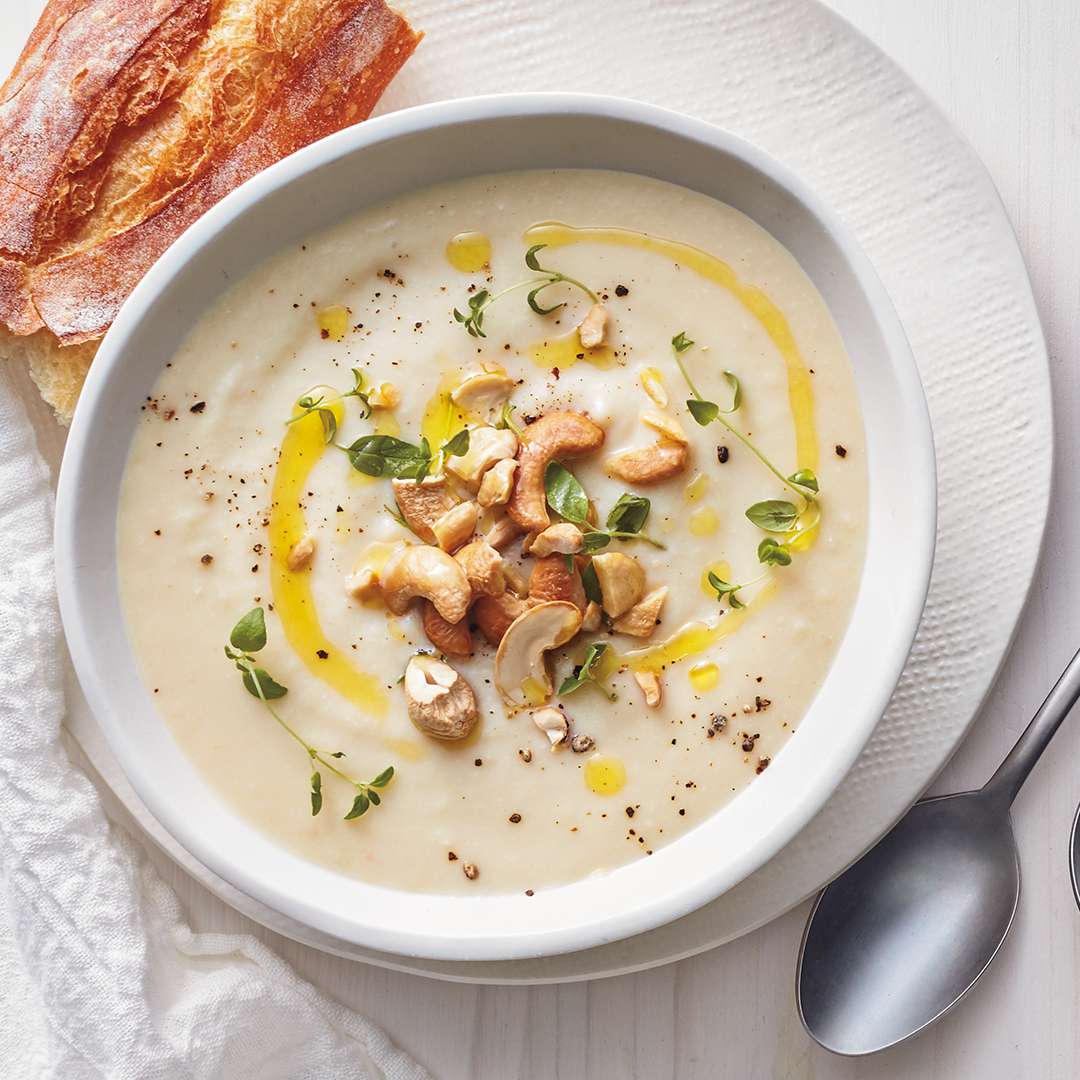
Some soups whisper comfort. This Cashew-Cauliflower Soup Recipe walks into the kitchen wearing fuzzy socks, carrying a ladle, and saying, “Relax, dinner is handled.” It is creamy without heavy cream, cozy without being heavy, and flavorful enough to make cauliflower feel like it finally got promoted from “vegetable tray filler” to “main character.”
The magic comes from a simple but brilliant partnership: tender cauliflower and buttery raw cashews. Cauliflower gives the soup body, mild sweetness, and that familiar vegetable comfort. Cashews bring silky richness when blended, creating a dairy-free cauliflower soup that tastes luxurious without requiring a carton of cream. Add garlic, onion, vegetable broth, a splash of lemon, and a smart pinch of seasoning, and suddenly you have a bowl that feels restaurant-worthy but still easy enough for a Tuesday night.
This recipe is ideal for home cooks who want a creamy cauliflower soup that is vegan-friendly, gluten-free, meal-prep friendly, and flexible. You can roast the cauliflower for deeper flavor, simmer it for speed, or add warming spices if your taste buds are wearing tiny adventure boots. However you make it, the result is smooth, nutty, savory, and deeply satisfying.
Why Cashews Work So Well in Cauliflower Soup
Cashews are the quiet overachievers of plant-based cooking. When soaked and blended, they turn into a naturally creamy base that can replace dairy in soups, sauces, dips, and pasta dishes. Unlike some nuts, cashews have a mild flavor, so they do not stomp all over the cauliflower. Instead, they melt into the background and make the soup taste richer, rounder, and smoother.
Cauliflower also loves being blended. Once cooked until tender, it breaks down into a soft, velvety texture. On its own, it can be a little light. With cashews, it becomes plush and full-bodied. Think of it as cauliflower wearing a cashmere sweater.
Ingredients for Cashew-Cauliflower Soup
This recipe serves 4 generous bowls or 6 smaller starter portions.
Main Ingredients
- 1 large head cauliflower, cut into florets
- 3/4 cup raw unsalted cashews
- 2 tablespoons olive oil
- 1 medium yellow onion, diced
- 4 cloves garlic, minced
- 4 cups low-sodium vegetable broth
- 1 cup water, plus more as needed
- 1 teaspoon kosher salt, plus more to taste
- 1/2 teaspoon black pepper
- 1/2 teaspoon smoked paprika or ground cumin, optional
- 1 tablespoon fresh lemon juice
- 1 tablespoon nutritional yeast, optional for a lightly cheesy flavor
Optional Toppings
- Toasted cashews, roughly chopped
- Fresh parsley, chives, or cilantro
- Cracked black pepper
- Chili crisp or red pepper flakes
- Roasted cauliflower florets reserved from the tray
- Olive oil drizzle
- Homemade croutons
How to Make Cashew-Cauliflower Soup
Step 1: Soak the Cashews
Place the raw cashews in a bowl and cover them with very hot water. Let them soak for 20 to 30 minutes, then drain. If you have a high-powered blender, you can get away with a shorter soak. If your blender has the personality of a tired lawn mower, give the cashews the full soak. Your soup texture will thank you.
Step 2: Roast the Cauliflower for Bigger Flavor
Preheat the oven to 425°F. Spread the cauliflower florets on a baking sheet, drizzle with 1 tablespoon olive oil, and season with a pinch of salt and pepper. Roast for 25 to 30 minutes, turning once, until the edges are golden brown and the florets are tender.
Roasting is optional, but highly recommended. It adds a nutty, caramelized flavor that makes the soup taste layered instead of flat. If you are short on time, you can simmer raw cauliflower directly in the pot. It will still be good, just a little more “weeknight sensible” than “dinner-party dramatic.”
Step 3: Build the Soup Base
In a large Dutch oven or soup pot, warm the remaining 1 tablespoon olive oil over medium heat. Add the diced onion and cook for 5 to 7 minutes, stirring occasionally, until soft and translucent. Add the garlic and cook for 30 seconds, just until fragrant. Do not burn the garlic unless you enjoy soup with a tragic backstory.
Step 4: Simmer Everything Together
Add the roasted cauliflower, drained cashews, vegetable broth, water, salt, black pepper, and smoked paprika or cumin if using. Bring the mixture to a gentle boil, then reduce the heat and simmer for 10 to 15 minutes. This gives the cashews extra time to soften and lets the flavors mingle like polite guests at a very delicious party.
Step 5: Blend Until Silky
Use an immersion blender to puree the soup directly in the pot, or carefully transfer it in batches to a countertop blender. If using a standard blender, do not fill it more than halfway with hot soup. Vent the lid, cover it loosely with a towel, and start on low speed before increasing. Hot soup expands when blended, and nobody wants cauliflower on the ceiling.
Blend until completely smooth. If the soup is too thick, add more broth or water a splash at a time. Stir in the lemon juice and nutritional yeast, then taste and adjust the seasoning. Lemon is important because it wakes up the whole bowl. Without it, the soup may taste rich but sleepy.
Recipe Card: Quick View
| Recipe Detail | Information |
|---|---|
| Recipe Name | Cashew-Cauliflower Soup Recipe |
| Prep Time | 15 minutes |
| Cook Time | 40 minutes |
| Total Time | 55 minutes |
| Servings | 4 bowls |
| Diet Style | Vegan, dairy-free, gluten-free |
| Best For | Lunch, dinner, meal prep, cozy appetizers |
Flavor Variations
Curried Cashew-Cauliflower Soup
Add 1 tablespoon curry powder, 1/2 teaspoon grated ginger, and a pinch of cayenne when cooking the onion. Finish with cilantro and toasted cashews. This version is warm, fragrant, and excellent with naan or rice.
Garlic-Roasted Cauliflower Cashew Soup
Roast 6 whole garlic cloves with the cauliflower, then blend them into the soup. Roasted garlic turns mellow and sweet, giving the soup a deeper savory flavor without sharpness.
Cheesy Vegan Cauliflower Soup
Add 2 to 3 tablespoons nutritional yeast and 1 teaspoon white miso after blending. This creates a savory, cheese-like depth while keeping the soup dairy-free.
Spicy Cashew-Cauliflower Soup
Add red pepper flakes, chili crisp, harissa, or a dash of hot sauce. Cauliflower is mild, so it welcomes heat like a polite host who secretly loves drama.
Tips for the Best Texture
The best cashew cream soup depends on three things: soft cashews, tender cauliflower, and enough liquid for the blender to do its job. If the soup turns grainy, the cashews may need more soaking or more blending time. If it tastes too thick, add broth. If it tastes too bland, add salt and acid. Most soup problems are just seasoning problems wearing fake mustaches.
For an ultra-smooth finish, use a high-speed blender. For a rustic texture, an immersion blender works beautifully. If you want a restaurant-style bowl, strain the soup through a fine mesh sieve after blending. That extra step is not required, but it does make the soup feel fancy enough to deserve cloth napkins.
What to Serve with Cashew-Cauliflower Soup
This soup pairs beautifully with crusty sourdough, garlic bread, roasted chickpeas, or a crisp green salad. For lunch, serve it with an avocado toast or a grilled vegetable sandwich. For dinner, pair it with baked potatoes, quinoa salad, roasted mushrooms, or a simple grain bowl.
If serving guests, add toppings right before bringing the bowls to the table. A swirl of olive oil, a sprinkle of herbs, and a few crunchy cashews make the soup look polished. People eat with their eyes first, which is inconvenient because eyes are terrible at chewing, but the point stands.
Storage, Freezing, and Reheating
Let the soup cool, then transfer it to airtight containers. Refrigerate for 3 to 4 days. For longer storage, freeze for up to 3 months for the best texture. Cashew-based soups usually freeze well, though they may thicken slightly after thawing.
To reheat, warm the soup gently on the stovetop over medium-low heat, stirring often. Add a splash of broth or water to loosen it. You can also microwave it in short intervals, stirring between each round. Avoid boiling it aggressively after blending; gentle heat keeps the texture smooth and creamy.
Common Mistakes to Avoid
Using Salted Cashews
Salted cashews can make the soup too salty before you even start seasoning. Use raw unsalted cashews for better control.
Skipping Acid
Lemon juice may seem small, but it balances the richness of the cashews. A splash of apple cider vinegar also works.
Under-Cooking the Cauliflower
Cauliflower should be fork-tender before blending. If it is still firm, the soup can taste grassy and feel grainy.
Blending Too Much Hot Soup at Once
Hot liquid creates steam. Blend in batches and vent the lid. Safety is always more attractive than soup explosions.
Nutrition-Friendly Comfort Food
One reason this healthy soup recipe works so well is that it feels indulgent while leaning on whole-food ingredients. Cauliflower is naturally light and provides fiber, vitamin C, and plant compounds found in cruciferous vegetables. Cashews add richness, healthy fats, minerals, and a little protein. Together, they make a soup that is satisfying without feeling heavy.
Of course, “healthy” depends on your needs. If you are watching sodium, choose low-sodium broth and season gradually. If you need more protein, add white beans before blending or serve the soup with lentils, tofu, or a protein-rich side. If you have a nut allergy, replace cashews with cooked white beans, sunflower seeds, or a splash of coconut milk.
Cashew-Cauliflower Soup Recipe: Final Thoughts
This Cashew-Cauliflower Soup Recipe is proof that simple ingredients can do impressive things when treated well. Roast the cauliflower, soften the cashews, blend until silky, and finish with lemon. That is the whole secret. No cream, no complicated steps, no culinary degree required.
The result is a cozy, flexible soup that works for weeknight dinners, meal prep lunches, holiday starters, or those evenings when you want something warm but do not want to wrestle a casserole. It is creamy, nutty, savory, and comfortingthe kind of bowl that makes you pause after the first spoonful and say, “Wait, I made this?” Yes, you did. Congratulations. Your blender deserves a tiny trophy.
Personal Kitchen Experience: What This Soup Teaches You
Making cashew-cauliflower soup is one of those cooking experiences that quietly builds confidence. At first glance, the recipe looks almost too simple. Cauliflower, cashews, broth, onion, garlicnothing flashy, nothing wearing sunglasses indoors. But the first time you blend everything together and watch the mixture turn from pale vegetables into a smooth, creamy soup, you understand why this recipe has become such a favorite in modern home kitchens.
The biggest lesson is that texture matters as much as flavor. A soup can have good ingredients and still feel disappointing if it is watery or uneven. Cashews solve that problem beautifully. Once soaked, they blend into the broth and give the soup a creamy structure. You do not taste “nuts” as much as you taste body and balance. It feels like someone added cream, but the ingredient list stays plant-based and simple.
Another experience worth noting is the difference roasting makes. Simmered cauliflower creates a clean, gentle soup. Roasted cauliflower creates a deeper, toastier one. Those browned edges add character, the way a little char on pizza crust makes the whole slice better. If you are cooking for someone who claims they do not like cauliflower, roasting is your best argument. It turns the vegetable sweeter and more complex, and it removes some of that cabbage-like aroma that can scare picky eaters away from the kitchen.
This soup is also forgiving, which is great because real kitchens are not cooking shows. Maybe your cauliflower is small. Add a potato or a can of white beans. Maybe you forgot to soak the cashews. Cover them with boiling water and give them 15 minutes. Maybe the soup tastes flat. Add lemon, salt, or a spoonful of miso. The recipe gives you room to adjust, and that flexibility makes it practical for busy families, beginner cooks, and meal-prep fans.
Serving it can be surprisingly fun. A plain bowl is comforting, but toppings turn it into an event. Toasted cashews add crunch. Herbs bring freshness. Chili oil gives attitude. Croutons make it feel like a café lunch. The soup becomes a blank canvas, but thankfully one you can eat instead of hang on a wall and pretend to understand.
After a few batches, this recipe becomes less of a strict formula and more of a dependable kitchen habit. It teaches you how to build flavor, how to use plant-based creaminess, and how to turn humble vegetables into something memorable. That is the beauty of cashew-cauliflower soup: it is simple enough for beginners, satisfying enough for experienced cooks, and cozy enough to earn a permanent spot in the soup rotation.