Everyone has a private-life version of themselves. It is the person who talks to the dog in a full customer-service voice, eats cereal from a mug because bowls suddenly feel too formal, dances in the kitchen like the microwave is an arena spotlight, or lies upside down on the couch for no scientific reason except that it somehow resets the soul.
Artist Amanda Oleander has built a powerful visual language around exactly those moments: the tiny, tender, funny, and sometimes heartbreaking things people do when no one is watching. In her wholesome illustration series, she invited people to share their private habits and turned those confessions into warm, relatable drawings. The result is a collection that feels like peeking through a windownot in a creepy-neighbor-with-binoculars way, but in a “wow, humans are weird and beautiful” way.
The title may sound playful, but the idea behind it is quietly profound. These illustrations are not about polished selfies, perfect homes, or dramatic milestones. They are about the ordinary rituals that make people feel safe, loved, silly, comforted, or connected. In a digital world full of performance, Oleander’s work reminds us that real life often happens off-camera.
Who Is Amanda Oleander?
Amanda Oleander is a contemporary artist and illustrator known for intimate depictions of everyday life. Born in Fort Lauderdale, Florida, and now based in Los Angeles, she studied painting and illustration and has worked across drawing, painting, sculpture, writing, clothing design, and prints. Her art often focuses on human connection, domestic scenes, and the unfiltered emotional details that usually stay behind closed doors.
Long before this private-moments series caught wide attention, Oleander had already become recognizable for illustrating the funny and tender realities of relationships: partners popping pimples, couples sharing space in bed, pets acting like tiny emotional landlords, and families moving through the delightful chaos of daily life. Her style blends soft humor with emotional honesty, which is why her work often feels less like “content” and more like a memory you forgot you had.
Why Private Moments Make Such Powerful Art
Private moments are powerful because they are rarely edited. In public, people tend to manage impressions. We sit properly, answer emails like civilized adults, and pretend we do not rehearse fake arguments in the shower. Alone, however, the mask slips. We become more tender, more ridiculous, more honest.
That honesty gives Oleander’s illustrations their charm. A person snuggling in a pet’s bed, a parent watching a sleeping child, a couple brushing their teeth together, or someone quietly saving worms from the sidewalk can reveal more about love than a grand romantic speech. These small acts show care in its natural habitat.
The Beauty of Being Unobserved
There is something liberating about being unobserved. People are more likely to be playful, emotional, and vulnerable when they are not trying to look impressive. That is why a drawing of someone talking to a cat over coffee can feel more touching than a dramatic portrait. It captures companionship without announcement.
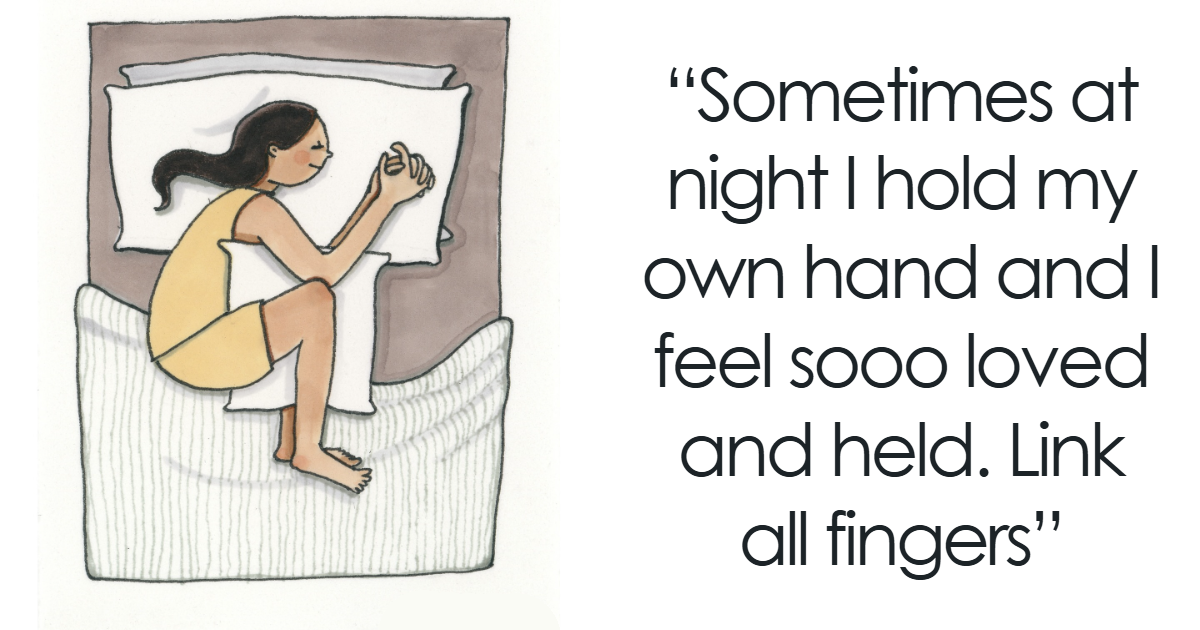
Oleander’s work succeeds because it treats ordinary behavior as worthy of attention. She does not need fantasy landscapes or heroic poses. Her subjects are people sitting on counters, holding their own hands at night, caring for pets, remembering grandparents, comforting children, or doing a private dance that probably should not be evaluated by a professional choreographer.
The 27 Pics Concept: A Gallery of Human Softness
The “27 Pics” format works especially well for this theme because each illustration feels like a tiny confession. Some are funny. Some are emotional. Some are so specific that they become universal. That is the magic trick: the more personal the moment, the more likely someone else will recognize a piece of themselves in it.
Several illustrations in the series revolve around pets, and that makes perfect sense. Animals are often witnesses to our least filtered selves. People tell cats about work drama, sing to dogs, apologize to houseplants, and treat pets like tiny roommates who simply refuse to pay rent. These moments may seem silly, but they reveal real attachment and comfort.
Other pieces explore grief and memory. A person hiding notes for children to find later, someone imagining comfort from a late grandmother, or a pet owner remembering a beloved dog turns private ritual into emotional storytelling. These illustrations do not push sadness too hard; they let it sit quietly beside love.
Funny Private Habits That Feel Deeply Familiar
One reason the series is so shareable is that it gives people permission to laugh at their own odd habits. Many of us have at least one private routine that makes perfect sense to us and no sense to anyone else. Maybe you practice an imaginary cooking-show monologue while making toast. Maybe you give your laundry machine a motivational speech. Maybe you sit on the floor because furniture suddenly feels too demanding.
Oleander’s wholesome illustrations capture that kind of harmless weirdness with affection, not judgment. The humor is gentle. Nobody is mocked. Instead, the drawings say, “Yes, this is strangeand also completely human.”
Tender Private Rituals That Say “I Love You”
Many of the strongest examples in the series involve care: brushing a child’s hair, watching kids sleep, comforting a partner, or sharing bedtime routines. These are not flashy gestures. They are the quiet maintenance work of love.
In real life, love often looks less like a movie kiss in the rain and more like remembering how someone takes their coffee, saving the good blanket, or pretending to be surprised by a family member’s favorite story for the 400th time. Oleander understands this. Her illustrations celebrate love as repetition, attention, and tiny acts performed without applause.
Why This Series Feels So Wholesome
The word “wholesome” gets thrown around a lot online, sometimes to describe anything that does not immediately make you want to throw your phone into a lake. But in this case, it fits. The illustrations are wholesome because they restore dignity to the small things. They suggest that private tenderness is not embarrassing; it is evidence that people are still emotionally alive under all the notifications.
They also arrive at a time when many people are tired of overly polished digital life. Social media often rewards spectacle, outrage, and perfection. Oleander’s drawings move in the opposite direction. They are quiet, domestic, emotionally open, and human-scale. They do not shout for attention. They invite recognition.
Art That Makes People Feel Seen
One of the most valuable things art can do is make people feel less alone. When someone sees a private habit illustrated with care, they may think, “I thought I was the only one.” That small moment of recognition can be surprisingly comforting.
This is why the series resonates beyond simple cuteness. It gives visual form to experiences that people rarely photograph: grief rituals, self-soothing habits, affectionate routines, sensory comforts, playful family moments, and the unglamorous details of living with pets, children, partners, memories, and one’s own complicated brain.
The Psychology Behind Private Habits
Private habits often help people regulate emotion. A small ritual can provide comfort, control, or a sense of continuity. Talking to a pet, walking in the rain, arranging objects a certain way, or revisiting a memory may seem minor, but these actions can create emotional structure. They tell the nervous system, “We are safe enough to be ourselves.”
Solitude also plays a role. Being alone is not the same as being lonely. Healthy alone time can help people recharge, reflect, and reconnect with their own thoughts. Of course, too much isolation can become harmful, but intentional solitude often gives people space to process emotions and return to the world with a little more steadiness.
That balance is visible throughout Oleander’s work. The illustrations do not glamorize isolation. Instead, they show private moments as part of a full emotional life. A person may be alone with a cat, a memory, a couch, or a bowl of cereal, but the scene still contains connection.
Why Asking People to Share Private Things Works
The participatory element is important. Oleander did not simply invent random cute scenes. She asked people to share the things they do in private, then transformed those submissions into illustrations. That process gives the series a documentary quality. It is not journalism in the traditional sense, but it is a visual archive of emotional truth.
When people submit private habits, they are offering a small piece of vulnerability. The artist then translates that vulnerability into an image that others can understand. This creates a loop: confession becomes art, art becomes recognition, and recognition becomes community.
The Internet Can Still Be Gentle
It is fashionable to describe the internet as a flaming garbage truck with Wi-Fi, and honestly, some days that feels fair. But projects like this show the softer side of online culture. When handled with respect, digital platforms can help strangers share experiences that are funny, healing, and deeply relatable.
The key is tone. Oleander’s work does not exploit private stories for shock value. It handles them gently. Even when a submission is funny, the drawing preserves the person’s dignity. Even when a story is sad, the image avoids melodrama. That emotional restraint is part of what makes the series memorable.
Visual Style: Warm, Expressive, and Instantly Relatable
Amanda Oleander’s illustration style is expressive without being overly complicated. Her characters often have soft shapes, warm colors, and exaggerated but believable body language. The details matter: a curled posture, a pet leaning into someone, a hand resting on a shoulder, a tired parent’s pose, a cozy room, or the relaxed messiness of home.
These choices support the emotional tone. The drawings do not feel sterile or overly polished. They feel lived-in. They make space for imperfect bodies, cluttered rooms, odd habits, and emotional tenderness. In other words, they look like life before guests arrive and everyone panic-cleans.
Why Small Details Matter
Small details are the soul of this kind of art. A favorite mug, a towel after a shower, a pet bed on the floor, or a child’s sleeping face can carry enormous emotional weight. These objects are ordinary, but they become symbols because they belong to someone’s private world.
That is why viewers often respond so strongly. The images do not require explanation. People understand the feeling before they analyze it. A drawing of someone lying on the floor with a sibling to decompress can instantly communicate overstimulation, trust, and relief. That is efficient storytelling.
What These Illustrations Teach Us About Everyday Life
The biggest lesson is simple: ordinary life is not empty. It is full of hidden tenderness. The quietest routines may be the ones that define us most. How we comfort ourselves, remember loved ones, care for animals, protect children, and behave when no one is ranking us says a lot about who we are.
The series also challenges the idea that meaningful art must always be grand or difficult. Sometimes a drawing of a person talking to a cat can reveal more about companionship than a 40-foot sculpture called “Existential Rectangle No. 7.” No shade to rectangles, but the cat is doing emotional heavy lifting.
Examples of Private Moments Many People Recognize
Even without recreating all 27 illustrations, the theme opens a door to countless familiar experiences. People sing fake concerts in the shower. They rehearse conversations that will never happen. They check on sleeping children with the seriousness of a museum security guard. They smell baby toes, cuddle pets, save worms after rain, dance in underwear, or talk to departed loved ones as if love could travel through the walls of time.
These examples are funny because they are specific, but they are moving because they reveal need. We need comfort. We need play. We need connection. We need a place where we do not have to be impressive.
Private Does Not Mean Meaningless
Some people dismiss private habits as random or embarrassing. Oleander’s work suggests the opposite. Private habits can be small ceremonies of survival. They may help us grieve, celebrate, calm down, bond, or simply feel at home inside our own lives.
That idea gives the series lasting emotional value. It is not just a cute list of illustrations. It is a reminder that people are carrying secret tenderness everywhere: in apartments, kitchens, bathrooms, cars, bedrooms, gardens, and quiet corners of ordinary days.
Why Readers Love Wholesome Illustration Series
Wholesome illustration series are popular because they are easy to enter and hard to forget. A viewer can understand one image in seconds, but the feeling may linger. Unlike long essays or dramatic videos, a single drawing can compress an entire emotional situation into one frame.
For SEO and online publishing, this type of content also works because it combines visual storytelling, emotional relatability, and curiosity. Readers want to know what other people secretly do. Not because they are nosywell, maybe a littlebut because private habits reveal the hidden comedy and tenderness of being human.
Added Experiences: What This Topic Reminds Us About Our Own Private Lives
Thinking about this series naturally makes people examine their own secret routines. Most of us have a few. They may not be dramatic enough for a documentary, but they matter. The private self is where we test emotions before bringing them into public. It is where we comfort ourselves without needing to explain why. It is where we become strange in the safest possible way.
For example, many people have private conversations with pets. A cat may receive a full report about office politics. A dog may be consulted about dinner plans despite having a documented history of trying to eat socks. These moments are funny, but they also show how people use companionship to process daily life. Pets become witnesses. They do not interrupt, judge, or say, “As per my last email.” That alone makes them emotionally superior to many meetings.
Others have private rituals connected to memory. Someone might keep a loved one’s sweater in a closet, cook a family recipe on difficult days, or speak aloud to a person who has passed away. From the outside, these actions may look small. From the inside, they are bridges. They help people stay connected to love after circumstances change.
There are also private habits of self-soothing. Some people sit on the floor when overwhelmed. Some wrap themselves in blankets like emotional burritos. Some clean one tiny corner of a room because the whole house feels impossible. Some hold their own hand, take a quiet bath, stand in the rain, or stare at the ceiling until their thoughts stop running laps. These are not failures of adulthood. They are improvised tools for getting through the day.
Then there are the joyful habits: dancing alone, making ridiculous faces in the mirror, inventing songs about snacks, narrating chores like a nature documentary, or pretending the grocery cart is a luxury vehicle with questionable steering. These moments matter because play is not just for children. Adults need absurdity too. Without it, life becomes one long password reset.
Oleander’s illustration series works because it honors all of these experiences. It understands that private life is not a lesser version of public life. It is the source material. Public confidence, kindness, humor, and resilience often begin in the small rooms where nobody is watching.
In that sense, the series invites readers to be more compassionate toward themselves. Your odd routines may be odd, yes. But they may also be proof that you are caring for your inner world. You are making meaning. You are keeping memory alive. You are finding humor in the mundane. You are building tiny shelters inside ordinary days.
And perhaps that is the most wholesome message of all: everyone is privately strange, secretly tender, and quietly doing their best. Some people just happen to have an artist like Amanda Oleander to draw it beautifully.
Conclusion
“This Artist Asked People To Share The Things They Do In Private And Created Wholesome Illustrations (27 Pics)” is more than a charming art feature. It is a celebration of the hidden rituals that make people human. Amanda Oleander’s illustrations transform private confessions into warm visual stories about love, grief, pets, family, solitude, play, and comfort.
The series reminds us that life’s most meaningful moments are not always dramatic. Sometimes they happen while brushing teeth beside someone you love, talking to a cat, saving worms after rain, holding your own hand at night, or dancing alone in the kitchen. These private acts may never make it into a photo album, but they shape the emotional texture of our lives.
In a world obsessed with being seen, Oleander’s work gently argues that what happens unseen is just as beautiful. Maybe even more.