Note: This original article is written for web publishing and synthesizes real home-decor guidance on decorative plate displays, plate walls, plate racks, open shelving, and safe styling methods.
Some plates are too pretty to spend their lives hiding behind cabinet doors like shy little porcelain celebrities. Whether you inherited floral china from your grandmother, found hand-painted dishes at a flea market, or accidentally became the proud owner of twelve blue-and-white plates because “they were on sale,” decorative plate displays give those pieces a chance to shine.
The best part? Plate display ideas work in nearly every home style. They can look cottage-inspired, coastal, traditional, modern, grandmillennial, farmhouse, eclectic, or even minimalist if you choose the right shapes and spacing. A decorative plate wall can fill a blank dining room, a plate rack can bring charm to a kitchen, and open shelving can turn everyday dishes into useful art. That is the magic trick: plates are both practical and pretty. They are home decor with a resume.
Below are 15 decorative plate displays to show off your prettiest pieces, with practical tips, styling examples, and smart ways to make your collection feel intentional instead of “I opened the cupboard and gravity helped me decorate.”
Why Decorative Plate Displays Are Back in Style
Decorative plates have moved far beyond the formal dining room. Today, homeowners and designers use them as sculptural wall art, shelf accents, kitchen color, and personal storytelling pieces. A plate collection can introduce pattern without wallpaper, color without repainting, and personality without buying generic framed prints that look like they were named “Abstract Beige No. 4.”
Plate displays are also budget-friendly. You can mix heirloom china, thrifted finds, handmade ceramics, travel souvenirs, and everyday dishes. The result feels collected rather than copied. That lived-in quality is exactly why plate walls, plate racks, and china displays continue to show up in stylish American homes.
15 Decorative Plate Display Ideas
1. Create a Classic Plate Wall Gallery
A plate wall gallery is the superstar of decorative plate displays. It works especially well in dining rooms, breakfast nooks, entryways, and kitchen corners. Start with one anchor plate, usually the largest or boldest design, then build around it with smaller plates in different shapes and patterns.
For a polished look, repeat at least one element: color, shape, material, or theme. For example, a mix of blue-and-white plates can include florals, stripes, birds, and scenic patterns while still feeling cohesive. If your plates are more colorful, keep the wall paint simple so the display does not start visually shouting across the room.
2. Use Open Kitchen Shelves as a Plate Showcase
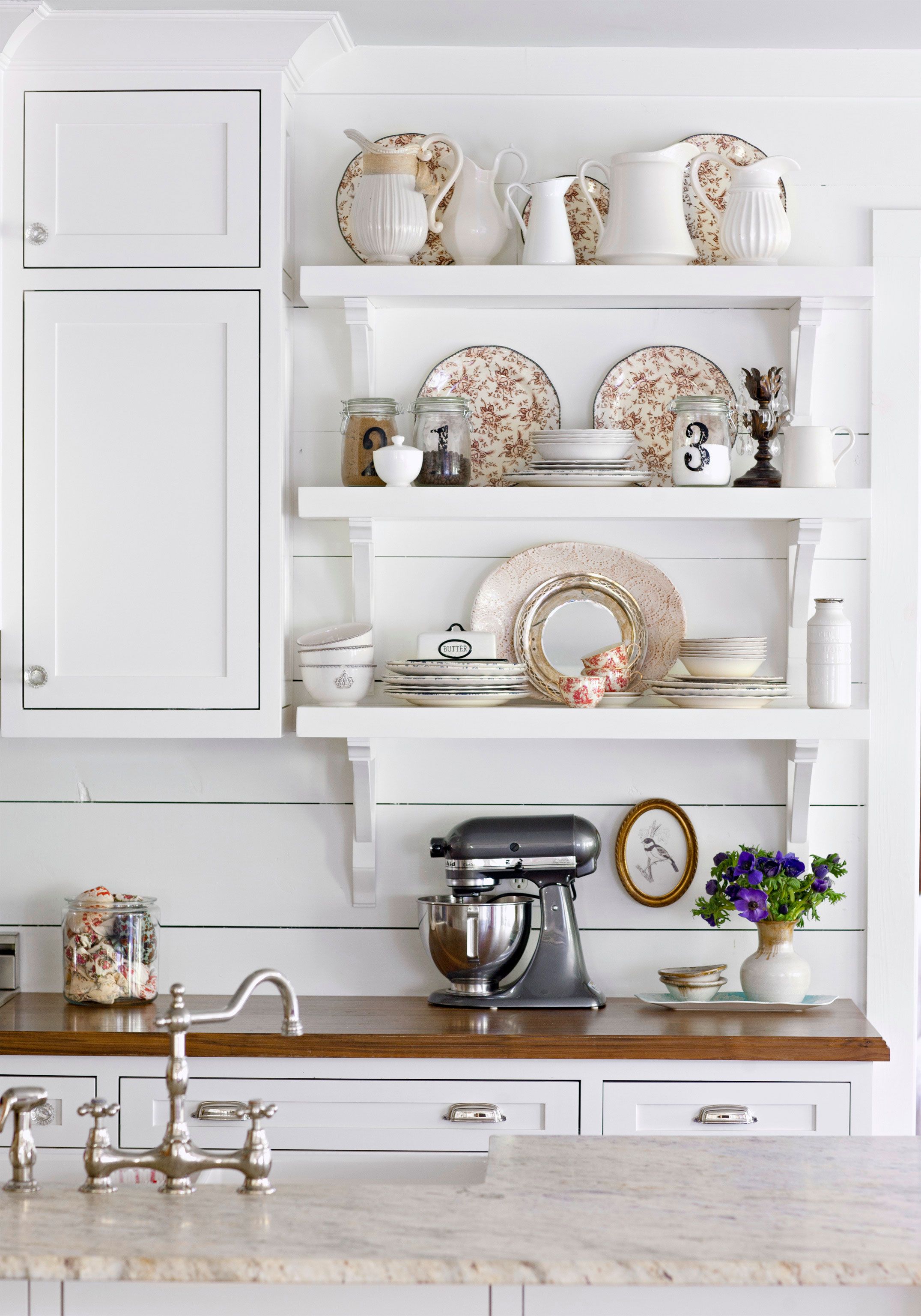
Open shelving is one of the easiest ways to display plates because it blends beauty with function. Stack simple dinner plates, lean decorative platters against the wall, and place patterned salad plates in front for depth. Add bowls, glassware, cookbooks, or small plants to prevent the shelf from looking like a dishware lineup at roll call.
This idea works beautifully in kitchens where storage is limited. The key is editing. Display your most attractive pieces and keep the less glamorous itemslooking at you, chipped cereal bowl from 2012behind closed doors.
3. Style a Traditional Plate Rack
A classic plate rack offers old-school charm with modern practicality. Built-in plate racks are especially lovely above counters, near dishwashers, or inside open cabinets. Freestanding and wall-mounted racks can also add structure to a kitchen or dining room.
Plate racks work best when the dishes share a visual thread. White ironstone, transferware, floral china, or solid ceramic plates all look more intentional when grouped together. For extra warmth, pair the rack with wood shelves, brass hardware, or woven baskets.
4. Display Plates Above a Banquette
The wall above a breakfast banquette is prime real estate for a decorative plate display. Since banquettes often create cozy corners, plates can emphasize that intimate, gathered feeling. Choose cheerful patterns, botanical designs, or plates in colors pulled from your seat cushions.
A loose, asymmetrical arrangement works well here because it softens the hard lines of built-in seating. Just make sure plates are hung securely and high enough that nobody leans back and becomes unwillingly acquainted with Aunt Linda’s wedding china.
5. Arrange Plates Around a Mirror
If a plate wall feels too busy by itself, use a mirror as the center point. Hang a round, oval, or rectangular mirror in the middle, then arrange plates around it like a decorative frame. This gives the display a clear focal point and adds light to the room.
This idea is excellent for entryways and dining rooms. Plates bring pattern and texture, while the mirror keeps the display from feeling heavy. Try using smaller plates near the mirror and larger plates toward the outer edges for balance.
6. Build a Color-Coordinated Plate Display
A color-coordinated display is perfect if you love order but still want personality. Choose one paletteblue and white, blush and cream, green and ivory, terracotta and beige, or black and whiteand collect plates within that range.
The plates do not need to match exactly. In fact, slight variation makes the display more interesting. A blue-and-white plate wall can include chinoiserie, stripes, florals, and geometric patterns. The shared palette does the organizing while the different motifs keep things lively.
7. Mix Plates With Framed Art
For a fresh twist, combine decorative plates with framed prints, small paintings, mirrors, or wall sconces. This creates a layered gallery wall that feels less predictable than plates alone. It also helps connect the plate display to the rest of your decor.
Use plates as sculptural elements. A round plate can soften square frames, while a platter can add size and shape variation. This approach works especially well in living rooms, hallways, and home offices where a full china display might feel too kitchen-specific.
8. Show Off Special Platters on a Mantel
A fireplace mantel is a natural stage for beautiful plates and platters. Lean a large platter at the back, add smaller plates in front, and layer in candles, greenery, books, or framed art. The mantel gives plates height without requiring a full wall installation.
This idea is easy to update seasonally. Use floral plates in spring, coastal colors in summer, warm earth tones in fall, and metallic or snowy white dishes during the holidays. Your mantel gets a wardrobe change, and your plates get applause.
9. Decorate a Hutch or China Cabinet
A hutch or china cabinet is the traditional home for decorative plates, but the styling can feel fresh with a little strategy. Instead of stacking everything flat, stand plates upright using grooves or plate stands. Group items by color, size, or pattern, and leave breathing room between clusters.
Glass-front cabinets are especially useful because they protect delicate pieces while keeping them visible. If your cabinet has lighting, even better. Suddenly your plates look like museum pieces, minus the security guard telling you not to touch anything.
10. Create a Small Plate Trio
You do not need twenty plates to make an impact. A trio of decorative plates can look elegant above a console table, beside a doorway, or over a small desk. Odd numbers often feel natural in styling, and three plates are easy to arrange.
Try one large plate with two smaller plates, or three plates of similar size in a gentle diagonal. This is a great option for renters or anyone who wants a low-commitment decorative plate display without turning the wall into a full dinnerware parade.
11. Use a Floating Shelf With a Plate Groove
A floating shelf with a front lip or groove is ideal for displaying plates without permanent hangers. Plates can lean safely against the wall, and you can swap them whenever your mood changes. Add a few cups, small bowls, framed recipes, or tiny vases to complete the look.
This display style is especially practical for small kitchens. It adds storage, color, and personality while keeping everything easy to reach. Just avoid overcrowding the shelf. Plates should look displayed, not trapped in a ceramic traffic jam.
12. Make a Dining Room Statement Wall
Dining rooms are perfect for large decorative plate displays because the theme makes sense. Plates above a sideboard, buffet, or long console can create a dramatic focal point. This is where you can go bigger with scale, symmetry, or a collected gallery arrangement.
For a formal look, use matching plates in a grid or balanced oval shape. For a relaxed look, mix sizes and patterns. Either way, keep the display centered over the furniture below so the arrangement feels anchored rather than floating randomly like a polite porcelain cloud.
13. Highlight Handmade Ceramic Plates
Handmade ceramic plates deserve special attention because their irregular shapes, glazes, and textures add artistic character. Display them on simple shelves, in shadow boxes, or as a wall cluster with enough space around each piece to show off the craftsmanship.
Because handmade plates can be heavier than factory-made dishes, choose hardware carefully. Check weight limits, use appropriate wall anchors, and avoid flimsy hangers. Beauty is important, but gravity is undefeated.
14. Add Plates to an Unexpected Room
Decorative plates do not have to stay in the kitchen or dining room. Try them in a bedroom, powder room, library, hallway, or laundry room. A few floral plates above a guest bed can feel charming. A bold plate in a powder room can act like compact artwork. A collection in a hallway can turn a pass-through space into a tiny gallery.
The trick is choosing plates that match the room’s mood. Soft botanical pieces work well in bedrooms. Graphic black-and-white plates suit modern spaces. Whimsical plates can make small rooms feel playful instead of forgotten.
15. Design a Vintage-Inspired Collected Display
A vintage-inspired plate display is perfect for anyone who loves thrift stores, antique malls, estate sales, and the thrill of saying, “This was only five dollars,” with heroic pride. Mix transferware, floral china, scalloped plates, souvenir dishes, and small platters for a layered look.
To keep the display from feeling chaotic, repeat a few design elements. Maybe most plates include blue, or perhaps they all have floral details. You can also create structure with a clear outline, such as a circle, arch, vertical column, or loose diamond shape.
How to Hang Decorative Plates Safely
A beautiful plate display should look effortless, but the installation deserves planning. Before hanging anything, arrange your plates on the floor or a large table. Take a photo so you can remember the layout. Then create paper templates by tracing each plate onto kraft paper, newspaper, or wrapping paper.
Tape the templates to the wall and adjust the spacing until the arrangement feels right. This helps prevent unnecessary nail holes and emotional damage. For hanging, use plate hangers, adhesive disc hangers, picture hooks, or wall anchors rated for the plate’s weight. If a plate is unusually heavy, fragile, or valuable, choose a shelf or secure display stand instead of guessing with weak hardware.
Always clean the back of the plate before using adhesive hangers, follow product instructions, and allow proper drying or curing time when required. In humid rooms, such as bathrooms or kitchens, choose hardware that can handle temperature and moisture changes.
Styling Tips for a Decorative Plate Display That Looks Designer
Repeat Colors Without Matching Everything
The easiest way to make mixed plates feel intentional is to repeat color. A display can include different patterns and eras as long as the palette connects them. Think navy, cream, and white; sage, ivory, and gold; or pink, burgundy, and soft green.
Vary the Sizes
A wall of identical plates can look stiff unless symmetry is the goal. Mix dinner plates, salad plates, saucers, bowls, and platters to add movement. Larger plates create anchors, while smaller plates fill gaps.
Leave Breathing Room
Spacing matters. Plates hung too close together can feel cluttered, while plates spaced too far apart can look disconnected. Most displays look best when the gaps feel consistent but not mathematically obsessive. Your wall should say “curated,” not “spreadsheet.”
Connect the Display to the Room
Pull colors from nearby curtains, rugs, pillows, cabinetry, or artwork. A plate wall above a green bench might include green botanical designs. A coastal dining room might use blue, white, and sandy neutral plates. This makes the display feel like part of the room rather than an enthusiastic afterthought.
Experience Notes: What Really Works When Displaying Decorative Plates
After looking closely at successful decorative plate displays, one lesson becomes clear: the best arrangements do not start with perfection. They start with a story. The plates that make people stop and look are rarely the ones that match like they came straight from a catalog. They are the ones with personality: the hand-painted plate from a vacation, the floral saucer from a grandmother’s cabinet, the flea-market platter with one tiny chip that somehow makes it more lovable, not less.
A practical experience-based tip is to begin smaller than you think. Many people imagine a huge plate wall first, then feel overwhelmed by spacing, hardware, and pattern choices. A smaller displaythree to seven plateshelps you understand your style before committing to a large arrangement. Try placing the plates above a console, in a breakfast nook, or beside open shelving. Once you like the balance, you can expand gradually.
Another useful lesson is that plates need context. A single decorative plate on a blank wall can look lonely unless it is large, bold, or intentionally framed by furniture. But place that same plate above a sideboard with a lamp, a bowl of fruit, and a small stack of books, and suddenly it looks thoughtful. Decorative plates work best when they are part of a vignette. They should have visual friends.
When styling shelves, depth makes a big difference. Lean a platter in the back, stack two or three plain plates in front, and add a smaller patterned plate on a stand. This layering creates a relaxed, collected look. It also keeps shelves from feeling flat. If everything is lined up at the same height, the display can look more like storage than decor.
For wall displays, templates are worth the extra time. Skipping templates may feel faster, but it often leads to awkward spacing and mysterious nail holes that haunt you later. Trace each plate, tape the shapes on the wall, step back, and adjust. Take a photo. Walk away. Come back later. If the layout still looks good after a snack break, it is probably ready.
One more experience-based rule: do not display every plate you own at once. Editing is what makes a collection feel stylish. Rotate pieces seasonally or whenever you want a refresh. Spring florals, summer blues, autumn earth tones, and holiday china can all have their moment. This keeps the display interesting and prevents your wall from looking like it is hosting a ceramic family reunion with no seating chart.
Finally, respect the plate’s weight and value. If a piece is rare, sentimental, heavy, or irreplaceable, a shelf, hutch, or enclosed cabinet may be safer than a wall hanger. Beautiful decor should not make you nervous every time someone closes a door. The goal is to enjoy your prettiest pieces daily, not to develop a new hobby called “checking if the plates are still attached.”
Conclusion
Decorative plate displays are a charming way to turn everyday objects, heirlooms, vintage finds, and special dishes into meaningful home decor. Whether you choose a full plate wall, a tidy rack, open shelving, a mantel arrangement, or a small trio above a console, the secret is balance. Repeat colors, vary sizes, use secure hardware, and let your collection tell a story.
Your prettiest plates deserve better than a dark cabinet and a once-a-year cameo at Thanksgiving. Put them where you can see them. Let them bring color to the kitchen, personality to the dining room, and a little “where did you find that?” energy to your walls. Plates are practical, personal, and surprisingly powerful as decor. Who knew dinnerware had such range?