Let’s clear up a common misconception right away: you cannot top off your joints like a car getting an oil change. Your body makes synovial fluid on its own, and the real goal is to support how well that fluid is produced, circulated, and preserved. That slippery, gel-like substance helps reduce friction inside joints, cushions movement, and keeps cartilage healthier as you bend, squat, reach, twist, and attempt to stand up gracefully after sitting too long.
If your joints feel stiff, creaky, or cranky, especially in the morning or after a long stretch of inactivity, the answer is usually not some miracle powder with a label that screams “mobility magic.” In most cases, the best ways to support synovial fluid are wonderfully unglamorous: move more, hydrate better, build strength, manage inflammation, and protect your joints from overload.
This article breaks down five practical ways to increase synovial fluid support naturally, explains what actually helps, and shows where medical treatment fits in when home strategies are not enough. No fluff, no cartoonish promises, no joint juice fairy dust.
What Is Synovial Fluid, Exactly?
Synovial fluid is the thick, slippery fluid found inside synovial joints such as the knees, hips, shoulders, elbows, ankles, and wrists. It is produced by the synovial membrane, and its job is a big one for something you never brag about at parties. It helps lubricate the joint, reduce friction between cartilage surfaces, absorb shock, and support nutrient exchange inside the joint space.
A major component of synovial fluid is hyaluronic acid, which helps give the fluid its slick, cushioning quality. In healthy joints, this system works quietly in the background. But when a joint becomes inflamed, overloaded, injured, or affected by osteoarthritis, the quality and function of that fluid can decline. That can contribute to stiffness, pain, and that annoying sense that your knees are negotiating every staircase one complaint at a time.
Can You Really “Increase” Synovial Fluid?
Yes and no. You may see the phrase “increase synovial fluid” online, but a more accurate way to think about it is this: you want to support normal synovial fluid production, improve circulation of the fluid through movement, and reduce the inflammation and wear that make it less effective.
In other words, the mission is not simply “more fluid.” It is better joint lubrication and healthier joint mechanics. That is why the most effective strategies are lifestyle-based and medically grounded rather than gimmick-based.
1. Move Your Joints Every Day
If there is one habit that deserves top billing, it is regular movement. Gentle motion helps circulate synovial fluid through the joint, which is one reason stiffness often improves once you get moving. That is also why sitting still for hours can make your body feel like it has been replaced by a collection of rusty hinges.
Why movement matters
Synovial fluid responds to motion. When you move a joint through a comfortable range, the fluid circulates more effectively, helping cartilage surfaces glide more smoothly. This is especially helpful in the morning, after long car rides, after desk work, or anytime your joints have been parked for too long.
What kind of movement helps?
- Walking
- Gentle stretching
- Range-of-motion exercises
- Yoga or mobility work
- Easy bodyweight movement breaks during the day
You do not need to train like an action hero. In fact, for sore or arthritic joints, consistency beats intensity. A five-minute movement break every hour can be more helpful than one heroic weekend workout followed by two days of regret.
Simple habit to try
Start your morning with five to ten minutes of joint-friendly movement: ankle circles, knee bends, shoulder rolls, cat-cow stretches, gentle hip openers, and a short walk. This can help reduce that “tin man” feeling and get fluid moving where it needs to go.
2. Choose Low-Impact Exercise That Your Joints Actually Like
Not all exercise affects your joints the same way. High-impact training may be fine for some people, but when your joints are already irritated, lower-impact exercise is often the smarter move. It supports joint lubrication, mobility, and function without piling on extra pounding.
Best low-impact options
- Walking on level ground
- Cycling or stationary biking
- Swimming
- Water aerobics
- Elliptical training
Cycling is a great example because it moves the hips, knees, and ankles repeatedly without the same impact load as running. Water exercise is another winner because buoyancy reduces stress on joints while still allowing movement and muscle work.
Why this helps synovial fluid
Low-impact activity encourages repeated, comfortable joint motion. That can support synovial fluid circulation and reduce stiffness while helping preserve mobility. It also helps you stay active long enough to get the other benefits of exercise, including better strength, weight control, and improved function.
The secret is picking activities you can do regularly. If your workout plan sounds great on paper but leaves your knees filing complaints by day three, it is not the right plan yet.
3. Build Strength and Maintain a Healthy Weight
Synovial fluid does not work alone. Your muscles, tendons, ligaments, and body weight all influence how much stress lands on a joint. Stronger muscles help absorb force and stabilize movement. A healthy weight reduces mechanical overload, especially in the knees and hips. Together, those changes make it easier for synovial fluid to do its job.
Why strength matters
Weak muscles can leave a joint poorly supported. That often leads to inefficient movement, extra strain, and more pain. Strengthening the muscles around a joint can improve alignment, reduce unnecessary stress, and make movement feel smoother.
Helpful strength exercises
- Chair squats or sit-to-stands
- Glute bridges
- Step-ups
- Resistance band rows
- Wall push-ups
- Core stability exercises
For knee discomfort, strengthening the quadriceps, glutes, and hips is often especially helpful. For shoulders, rotator cuff and upper-back work can improve stability and reduce strain. A physical therapist can tailor exercises to the joint that is bothering you instead of leaving you to guess with the confidence of someone assembling furniture without instructions.
Weight and joint fluid: what is the connection?
Excess body weight increases the load on weight-bearing joints and may also contribute to inflammation. That combination can worsen pain and make joints function less efficiently. Even modest weight loss can reduce stress on joints and improve day-to-day comfort. This does not mean everyone with joint pain needs to chase a tiny jeans size. It means that sustainable improvements in body composition can meaningfully support joint health.
4. Stay Hydrated and Eat for Joint Health
Hydration will not instantly flood your joints with extra synovial fluid, but it does matter. Water supports normal body processes, and adequate hydration helps keep tissues functioning properly. At the same time, a diet that helps reduce inflammation may support how your joints feel and function over time.
Hydration basics
Many people underestimate how much dehydration can affect how they feel overall. When you are under-hydrated, everything feels a little less cooperative, including exercise, recovery, and daily movement. Water is still the simplest and most reliable drink for general joint health support.
Try keeping a water bottle nearby and drinking regularly throughout the day instead of waiting until you feel like a raisin with opinions.
Foods that may support joint comfort
- Fatty fish such as salmon, sardines, and mackerel
- Walnuts, chia seeds, and ground flaxseed
- Olive oil
- Colorful fruits and vegetables
- Beans and lentils
- Whole grains
These foods fit an anti-inflammatory eating pattern, often similar to a Mediterranean-style diet. They are not a direct “synovial fluid booster,” but they may help reduce inflammation and support healthier joint function. That is an important distinction. Real joint health is usually built through overall habits, not through one trendy ingredient that costs more than your monthly streaming services.
What about supplements?
Supplements like glucosamine, chondroitin, collagen, turmeric, and fish oil get a lot of attention. Some people report symptom relief, but research is mixed, especially for glucosamine and chondroitin. These products may help some individuals, but they are not guaranteed, and they should not replace exercise, weight management, or medical care. If you want to try a supplement, it is smart to check with a healthcare professional first, especially if you take prescription medication.
5. Control Inflammation and Get the Right Treatment Early
If your joint is swollen, hot, repeatedly painful, or losing range of motion, the issue may not be simple stiffness. Inflammation inside the joint can affect how well synovial fluid works and can make symptoms much worse. That is why treating the underlying problem matters.
Common causes of joint inflammation
- Osteoarthritis
- Rheumatoid arthritis
- Overuse injuries
- Bursitis or tendinitis
- Gout
- Joint infection or other medical conditions
What treatment may include
- Physical therapy
- Activity modification
- Short-term anti-inflammatory medication when appropriate
- Bracing or supportive devices
- Weight-loss support if needed
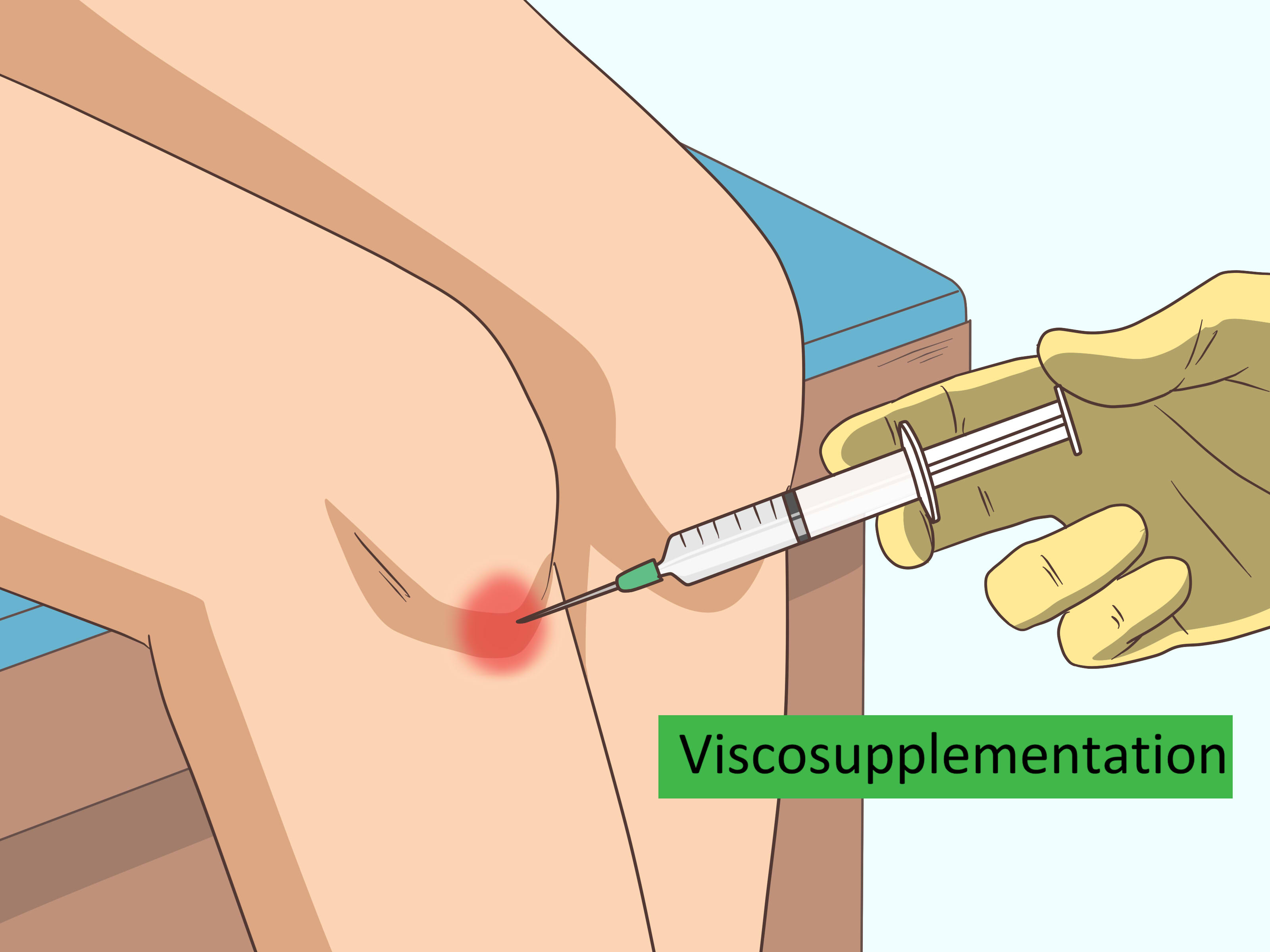
- In some cases, joint injections such as hyaluronic acid for knee osteoarthritis
Hyaluronic acid injections are sometimes used to improve lubrication in knees affected by osteoarthritis. They are not a magic reset button, and they are not right for every person or every joint, but they can be useful in selected cases. Think of them as a medical tool, not a universal life hack.
When to see a doctor
Do not try to “walk off” every joint problem forever. Seek medical care if you have:
- Sudden swelling
- Redness or warmth around the joint
- Severe pain
- Fever with joint pain
- Loss of function
- A joint that looks deformed
- Persistent symptoms that are not improving
Those signs can point to significant inflammation, injury, or even infection. And infections do not care that you were trying to be tough.
Habits That Quietly Hurt Synovial Fluid Function
Sometimes the fastest way to help your joints is to stop irritating them. A few common habits can work against healthy joint lubrication and motion:
- Long periods of sitting without movement breaks
- Jumping into high-impact workouts too quickly
- Ignoring pain that keeps returning
- Using poor form during lifting or repetitive activity
- Carrying excess body weight without any plan to address it
- Relying only on pills or supplements while avoiding exercise
Joints tend to like a steady routine: regular movement, moderate loading, adequate recovery, and not being treated like they are indestructible until further notice.
A Simple Daily Plan to Support Synovial Fluid
If you want something practical, here is a realistic routine:
Morning
- Five to ten minutes of mobility work
- One glass of water
- A short walk if possible
Midday
- Stand and move every hour
- Choose stairs carefully, not heroically
- Eat a balanced meal with protein, fiber, and healthy fats
Evening
- Twenty to thirty minutes of low-impact exercise
- Light strength training two to three times per week
- Gentle stretching before bed if stiffness is an issue
It is not flashy. That is exactly why it works.
Experiences People Commonly Have When They Start Supporting Synovial Fluid
One of the most useful ways to understand this topic is to look at the kinds of experiences people often have when they shift from passive hope to active joint care. Not dramatic miracle stories. Not “I drank one emerald-colored smoothie and now I can moonwalk.” Real patterns.
A very common experience is the desk-worker stiffening cycle. Someone sits for long stretches, stands up, and feels like their hips and knees need a software update. They assume the problem is aging alone, but when they begin taking short walk breaks, adding morning mobility, and moving their joints more often throughout the day, the stiffness eases. What changed was not magic. Their joints simply started getting regular motion again, which improves comfort and supports fluid circulation inside the joint.
Another frequent pattern shows up in former exercisers. A person who used to run or play sports notices that high-impact workouts now leave their knees or ankles sore for days. They worry that exercise is the problem, so they stop moving almost entirely. Unfortunately, less motion often means more stiffness. When they switch to cycling, swimming, or brisk walking, they often find they can stay active without the same irritation. The lesson is not “never exercise.” It is “choose the kind your joints will cooperate with.”
Then there is the strength revelation. Many people with knee or hip discomfort think the painful joint itself is the whole issue. But once they begin strengthening their glutes, thighs, and core, they often notice that everyday tasks feel easier. Stairs become less dramatic. Standing from a chair feels smoother. Walking longer distances becomes more manageable. Stronger muscles help share the workload, which means the joint is not doing every single shift alone.
Weight-related experiences are common too, and they are often less about appearance than function. People who lose even a modest amount of weight frequently say their knees feel less pressured and their movement feels more natural. They may still have arthritis, but the day-to-day grind on the joints becomes less intense. That can create a positive cycle: less pain makes movement easier, and more movement further supports joint health.
Hydration and food changes usually produce subtler experiences. Most people do not announce, “My synovial fluid feels emotionally renewed.” But they may notice they feel less achy, less sluggish, and more capable of sticking with exercise when they drink enough water and eat a more anti-inflammatory diet. The benefit is cumulative. It builds slowly, which is less exciting than a flashy promise but much more trustworthy.
Finally, some people discover that lifestyle changes help a lot, but not enough. Their joint stays swollen. Pain keeps waking them up. Range of motion keeps shrinking. In those cases, the meaningful experience is getting evaluated instead of guessing forever. Physical therapy, medication, or selected treatments like injections can sometimes help reduce inflammation and restore function. That is not failure. That is smart joint management.
The biggest shared experience across all these situations is this: joints usually respond best to steady, sensible care. Not punishment. Not panic. Not miracle marketing. Just regular movement, smart exercise, supportive nutrition, weight management when needed, and medical help when the joint is clearly asking for more than a pep talk.
Conclusion
If you want to increase synovial fluid support, think less about shortcuts and more about systems. Move your joints often, choose low-impact exercise, build strength, stay hydrated, eat in a way that helps control inflammation, and get medical guidance when symptoms are persistent or severe. That combination does more for real joint lubrication than almost anything sold with a shiny label and impossible promises.
Your joints do not need perfection. They need regular, intelligent care. Give them that, and they usually become much better coworkers.
SEO Tags
Note: This article is for educational purposes only and is not a substitute for medical diagnosis, treatment, or personalized advice from a licensed healthcare professional.