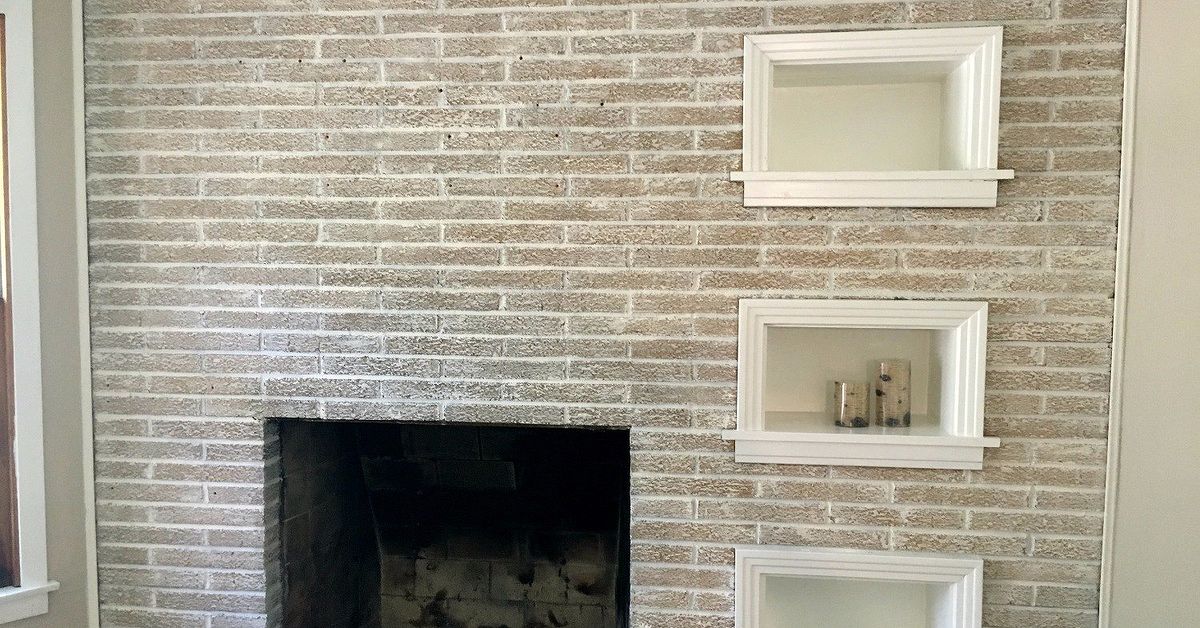
A painted brick fireplace can do what a dramatic haircut does for a person: suddenly the whole room looks fresher, brighter, and slightly more confident. One weekend, a can of paint, a brush, a roller, and a little patience can turn a dated red-brick surround into a clean modern focal point, a cozy cottage feature, or a moody designer moment that says, “Yes, I did think about the undertones.”
Brick fireplaces are naturally full of character, but they can also feel heavy, orange, dusty, or stuck in a decade where everyone apparently agreed that brown was a lifestyle. Painting brick is one of the most affordable fireplace makeover ideas because it changes the visual weight of the hearth without requiring demolition, tile work, or a contractor who looks at your wall and immediately says, “Well, this is interesting.”
Still, a painted brick fireplace is not a slap-and-go project. Brick is porous, textured, and usually decorated with soot, ash, old dust, and the occasional mystery stain from a holiday candle incident. The best results come from careful cleaning, proper priming, the right paint finish, and realistic expectations. Done well, painted fireplace brick can last for years and become the coziest part of your living room. Done badly, it can peel, stain, or look like someone painted a sidewalk with leftover craft supplies.
Why Paint a Brick Fireplace?
The main reason homeowners paint a brick fireplace is simple: the fireplace dominates the room. It is often centered on the main wall, surrounded by seating, and visually tied to the mantel, hearth, built-ins, television, or artwork. When the brick color clashes with the flooring, wall color, or furniture, the entire room can feel off, even if everything else is beautiful.
Painting brick allows you to control the mood. White painted brick can make a dark room feel larger and cleaner. Soft gray can modernize a traditional fireplace without erasing its texture. Charcoal or black can create a sophisticated statement, especially in rooms with warm wood, leather, brass, or natural fiber rugs. Cream, greige, taupe, and muted beige are excellent choices for homeowners who want something timeless but less stark than bright white.
A painted brick fireplace also helps unify mixed materials. If the room already has patterned rugs, bookshelves, wall art, wood trim, or colorful upholstery, painting the brick in a quiet neutral can calm everything down. Think of it as asking the fireplace to stop shouting and join the group chat politely.
Painted Brick Fireplace Ideas That Actually Work
Classic White Painted Brick Fireplace
White is the most popular painted brick fireplace color for a reason. It brightens the room, makes the texture look crisp, and works with farmhouse, coastal, transitional, Scandinavian, and modern interiors. For a softer look, choose warm white or creamy white instead of a cold, blue-white shade. Pure white can look fresh, but in some rooms it can also feel a little “freshly bleached dentist office.”
Soft Gray Fireplace Brick
Gray painted brick is a practical middle ground. It updates red brick without becoming too bright or too dramatic. Light gray feels airy and contemporary, while medium gray can make the fireplace feel grounded. Pair gray brick with white walls for contrast, or use it with warm beige walls for a more layered, relaxed look.
Black or Charcoal Painted Fireplace
A black painted brick fireplace is bold, elegant, and surprisingly forgiving. It hides soot better than white and gives the room a high-end look, especially when paired with a wood mantel, brass fireplace tools, or simple artwork. Matte black feels modern and architectural; charcoal feels a little softer and easier to live with.
Whitewashed Brick Fireplace
Whitewashing is different from fully painting brick. Instead of covering the brick completely, a diluted paint mixture lets some of the original color and texture show through. This is a great option if you like the character of brick but want to tone down strong red, orange, or brown shades. The effect is relaxed, rustic, and less permanent-looking than opaque paint.
Limewash and German Schmear Looks
Limewash and German schmear are popular alternatives to standard paint. Limewash creates a soft, chalky, mineral finish that ages beautifully. German schmear uses a mortar-like application to create an Old World effect with heavier texture. These finishes are ideal for cottage, European farmhouse, and vintage-inspired homes, although they require a different process than regular latex paint.
Before You Paint: Questions to Ask First
Before painting your fireplace, inspect the brick. Paint is not a magic spell. It will not fix crumbling mortar, moisture issues, cracked bricks, or a fireplace that smokes like it is auditioning for a fog machine. If the brick is flaking, damp, powdery, or damaged, solve the underlying problem before opening a paint can.
Next, decide whether the fireplace is decorative, gas-burning, or wood-burning. The brick surround around the fireplace can usually be painted with appropriate masonry primer and paint, but the inside of the firebox is different. Areas exposed to high heat require products rated for high temperatures. For active wood-burning fireplaces, painting the interior firebox is generally not recommended unless you are using a product specifically designed for that purpose and following manufacturer guidance.
Also consider resale and reversibility. Painted brick is difficult to return to its original look. If you love natural brick, try cleaning it first, changing the mantel, updating the wall color, or adding better lighting. If you still dislike it after that, congratulations: you have earned the paintbrush.
Best Paint for a Brick Fireplace
For the exterior brick surround, choose a high-quality interior acrylic latex paint or masonry paint designed to adhere to brick, stucco, or masonry surfaces. Brick expands and contracts slightly with temperature and humidity, so flexibility and adhesion matter. Ordinary wall paint can work in some cases when paired with the right primer, but masonry paint is often the safer choice for durability.
Finish matters, too. A flat finish hides imperfections and keeps brick looking natural, but it can be harder to wipe clean. Satin or eggshell finishes are easier to maintain and still avoid the plasticky shine that can make brick look artificial. Semi-gloss may be useful for mantels or trim, but it can make textured brick look overly slick unless that is the exact look you want.
For the firebox or metal fireplace components, do not use regular wall paint. Use only high-heat paint rated for the surface and temperature exposure. This is one place where “close enough” is not close enough. Fireplaces are charming because they contain fire, not because they create surprise chemistry experiments.
Tools and Supplies You’ll Need
A painted brick fireplace project does not require fancy equipment, but the right tools make the job far easier. Gather a stiff-bristle brush, vacuum, drop cloths, painter’s tape, mild detergent or a fireplace-safe cleaner, clean water, rags, masonry primer, paint, a two-inch angled brush, and a thick-nap roller. For rough brick, a roller with at least a half-inch nap helps reach the uneven surface, while the brush handles mortar lines and deep crevices.
You may also need protective gloves, safety glasses, a small detail brush, and a paint tray. If soot is heavy, use a cleaner designed for fireplace residue and follow the instructions carefully. Avoid trapping soot under primer because it can bleed through and ruin your clean new finish faster than a toddler with a marker.
How to Paint a Brick Fireplace Step by Step
Step 1: Protect the Room
Move furniture away from the fireplace and cover the floor with drop cloths. Tape off the walls, mantel, hearth, and any trim you do not want painted. Remove decor, fireplace tools, screens, and anything else that might get in the way.
Step 2: Clean the Brick Thoroughly
Vacuum the brick first to remove loose dust and ash. Then scrub the surface with a stiff-bristle brush and a mild cleaning solution. Pay special attention to soot near the firebox opening. Rinse with clean water and let the brick dry completely. This drying step is crucial because brick holds moisture. Painting damp brick can lead to adhesion problems, peeling, or bubbling.
Step 3: Repair Mortar and Cracks
Check the mortar joints and brick faces. Small gaps or cracks should be repaired before priming. If mortar is badly deteriorated, consult a masonry professional. Paint will highlight some defects and hide others, but it cannot replace structural repair.
Step 4: Apply Masonry Primer
Primer helps seal the porous brick and gives paint a better surface to grip. Use a brush to work primer into the mortar lines, corners, and edges. Then use a thick-nap roller on the brick faces. Let the primer dry according to the manufacturer’s instructions. If the brick is very porous or dark, a second coat of primer may be worth the extra time.
Step 5: Paint the Mortar Lines First
Use an angled brush to paint the mortar joints, cracks, and edges. This is the slow part, but it is also where the finished project begins to look professional. Put on music, accept that your wrist has feelings, and keep going.
Step 6: Roll the Brick Faces
Use the roller to apply paint to the larger brick surfaces. Work in small sections and roll from different directions to cover the texture. Avoid applying paint too thickly. Two thinner coats usually look better and last longer than one heavy coat.
Step 7: Add a Second Coat
Once the first coat is dry, inspect the fireplace in natural and artificial light. Brick often absorbs paint unevenly, especially old brick. Apply a second coat for full coverage. For white paint over red brick, a third coat may be needed, especially if you skipped tinted primer.
Common Mistakes to Avoid
The biggest mistake is painting dirty brick. Soot, ash, and dust interfere with adhesion and can cause stains to bleed through. The second biggest mistake is skipping primer. Brick is thirsty. If you paint without primer, the first coat may disappear into the surface like the brick just ordered a drink.
Another mistake is choosing the wrong color in isolation. Always test paint near the fireplace and view it at different times of day. A warm white can look creamy and beautiful in the morning but yellow at night. A black shade can look chic in bright rooms but too heavy in small rooms with little natural light.
Do not forget the mantel and surrounding decor. A freshly painted fireplace can make an old mantel, dated screen, or cluttered hearth stand out. Sometimes the best fireplace makeover includes painting the brick, simplifying the mantel, updating the screen, and adding one strong piece of art instead of twelve tiny objects trying to have a meeting.
How to Style a Painted Brick Fireplace
Once the paint is dry, styling brings the fireplace to life. For a white painted brick fireplace, try a natural wood mantel, black fireplace screen, woven basket, and simple greenery. For gray brick, add warm metals, framed artwork, and textured textiles. For black brick, keep the mantel clean and intentional: one large mirror, a pair of sconces, or a single oversized art print can look striking.
If your fireplace is non-working, fill the firebox with stacked birch logs, candles, books, or a decorative screen. If it is functional, keep the hearth safe and uncluttered. Decor should never interfere with ventilation, doors, screens, or safe fireplace operation.
Maintenance Tips for a Painted Brick Fireplace
Painted brick is fairly easy to maintain, but it is not maintenance-free. Dust it regularly with a soft brush attachment or microfiber cloth. For smudges, use a damp cloth and mild soap. Avoid abrasive cleaners unless you are prepared to touch up the paint afterward.
White painted brick may need occasional spot cleaning near the firebox. Soot erasers or dry-cleaning sponges can help lift residue without soaking the brick. Always test cleaning methods in a hidden area first. Keep extra paint in a labeled container for future touch-ups, because fireplaces live busy lives. They host smoke, heat, holiday garlands, candle wax, and guests who lean things where they absolutely should not.
For wood-burning fireplaces, safety maintenance matters as much as appearance. Burn dry, seasoned wood, keep the chimney clean, and schedule professional inspections as recommended by fireplace safety experts. A beautiful painted fireplace is wonderful, but a safe fireplace is the actual goal.
Real-World Experiences With a Painted Brick Fireplace
The first thing most people notice after painting a brick fireplace is not the fireplace itself. It is the room. Suddenly the sofa looks better, the rug makes more sense, and the walls seem less gloomy. That is the sneaky power of a painted brick fireplace: it changes the background music of the entire space.
In one typical living room makeover, the original fireplace was dark red brick with gray mortar and a heavy stained mantel. The room had decent natural light, but the brick absorbed it like a grumpy sponge. The homeowner chose a warm white paint for the brick and left the mantel wood. After two coats of primer and two coats of satin masonry paint, the fireplace looked cleaner, but not sterile. The wood mantel suddenly felt intentional rather than old. The best part was that the room did not need new furniture. The same beige sofa, blue pillows, and oak coffee table looked like they had been invited to a better party.
Another common experience happens with black painted brick. Many homeowners are nervous about going dark, especially if the brick already feels heavy. But when the walls are light and the room has enough natural light, a charcoal or black fireplace can look polished and calm. It hides soot better than white, frames the fire beautifully, and gives the room a modern anchor. The trick is balance. Add lighter textiles, warm wood, and simple decor so the fireplace feels dramatic, not like it is plotting something.
Whitewashing offers a different kind of satisfaction. It is ideal for people who hesitate to cover brick completely. The process feels more artistic because the goal is not perfect coverage. Some bricks stay darker, some turn pale, and the finished fireplace has a relaxed, lived-in look. It works especially well in older homes where perfectly opaque paint might feel too new. The downside is that whitewashing can be harder to predict. The brick’s original color affects the final tone, so testing is not optional unless you enjoy surprises with emotional consequences.
The most repeated lesson from painted fireplace projects is this: prep takes longer than painting. Cleaning mortar lines, vacuuming dust, taping edges, and waiting for brick to dry can feel tedious. But once paint goes on, every shortcut becomes visible. Soot stains can bleed through. Missed dust can create rough patches. Poor taping can leave wobbly edges. The fireplace is usually at eye level and center stage, so it does not forgive laziness quietly.
Another experience worth mentioning is how much the finish affects daily life. A flat finish looks soft and natural, but if the fireplace is used often, satin is easier to wipe. Families with kids, pets, or frequent fires often appreciate a slightly more washable surface. A decorative fireplace in a low-traffic formal room can get away with a more matte look.
Finally, the emotional payoff is real. Painting a brick fireplace is one of those DIY projects that feels bigger than the money spent. It can make a rental-style room feel personal, help an older home feel updated, or turn an awkward feature into the star of the house. And because the texture of the brick remains, the fireplace still has depth and character. It just stops wearing its old outfit.
Conclusion
A painted brick fireplace is one of the most effective ways to refresh a living room without tearing out the hearth or draining the renovation budget. The key is to respect the material. Brick needs cleaning, drying, priming, and the right paint. Color should be chosen with the whole room in mind, not just a tiny chip under fluorescent store lighting. Safety matters, especially around active fireplaces, fireboxes, chimneys, and high-heat surfaces.
Whether you choose crisp white, cozy cream, soft gray, bold black, whitewash, limewash, or a German schmear-inspired finish, the best painted brick fireplace looks intentional. It works with the room, highlights the texture, and makes the fireplace feel like a feature instead of a design problem. With good prep and smart styling, your fireplace can go from “well, that’s a lot of brick” to “please admire my charming architectural focal point.” Subtle? Maybe not. Worth it? Absolutely.