Few things are more annoying than finally getting cozy, pulling up the blanket, and then having your legs behave like they just remembered an important meeting. That jumpy, creepy-crawly, “please let me walk around the bedroom at 11:47 p.m.” feeling is a classic complaint in restless legs syndrome, or RLS. The condition can range from mildly irritating to sleep-wrecking, mood-denting, and patience-testing.
If you are wondering how to prevent restless leg syndrome, here is the honest answer: you cannot always prevent every case. Some people have a family history, and some develop RLS because of pregnancy, iron deficiency, kidney disease, neuropathy, or certain medications. But you can reduce your risk of flare-ups, lower the chances of symptoms getting worse, and create a lifestyle that gives restless legs fewer opportunities to hijack your evenings.
This guide explains what works in real life, what may trigger symptoms, what habits actually help, and when prevention needs to include a doctor, a lab test, or a medication review. In other words, this is not a “just drink water and think positive thoughts” article. Your legs deserve better.
What Is Restless Leg Syndrome?
Restless leg syndrome, also called Willis-Ekbom disease, is a neurological condition that creates an overwhelming urge to move the legs. It usually shows up during rest, especially in the evening or at night. People often describe the sensations as crawling, tingling, pulling, buzzing, itching, aching, or plain old weird. The key pattern is simple: sitting still makes it worse, moving makes it better, and bedtime becomes a negotiation.
RLS is not the same thing as a nighttime leg cramp. Cramps are sudden, painful muscle contractions. RLS is more about uncomfortable sensations and an irresistible need to move. That distinction matters, because prevention strategies work best when you are solving the right problem.
Can You Really Prevent RLS?
Sometimes yes, sometimes partly, and sometimes the goal is better control rather than total prevention. If your symptoms are tied to triggers like caffeine, poor sleep, nicotine, or long periods of inactivity, lifestyle changes can make a noticeable difference. If your symptoms are connected to iron deficiency, kidney disease, pregnancy, or medications that aggravate RLS, prevention depends on identifying and managing the underlying cause.
So the best question is not only, “How do I prevent RLS forever?” but also, “How do I make RLS less likely to show up tonight, this week, and next month?” That is where prevention becomes practical.
The Best Ways to Prevent Restless Leg Syndrome Flare-Ups
1. Build a Consistent Sleep Schedule
RLS loves chaos. Late nights, erratic sleep, oversleeping on weekends, and poor sleep quality can all make symptoms more noticeable. A regular sleep schedule helps support your body’s internal clock and reduces the evening fatigue that often seems to amplify leg discomfort.
Try going to bed and waking up at roughly the same time every day, including weekends. Make your bedroom cool, dark, and quiet. Keep the bed for sleep, not for doom-scrolling, late-night emailing, or watching one more episode that turns into four. The more predictable your sleep routine is, the fewer surprises your nervous system tends to produce.
2. Cut Back on Caffeine, Especially Later in the Day
Coffee is delightful. Tea is civilized. Chocolate is emotionally supportive. But for some people with RLS, caffeine is like handing the nervous system a tiny drum set. It can make symptoms worse or push them later into the night.
If you suspect caffeine is a trigger, do a real test. Reduce or avoid coffee, tea, cola, energy drinks, and even chocolate for a couple of weeks and watch what happens. Some people do fine with a morning cup but not with an afternoon iced coffee the size of a flower vase.
3. Limit Alcohol and Stop Smoking
Alcohol may seem relaxing at first, but it can disrupt sleep quality and worsen nighttime symptoms. Nicotine can also aggravate RLS and interfere with restful sleep. If you are trying to prevent restless legs, the “nightcap and cigarette on the patio” routine is not exactly a winning strategy.
You do not have to become a saint overnight. Even reducing alcohol in the evening and avoiding nicotine close to bedtime can help. Small changes often produce surprisingly big nighttime benefits.
4. Exercise Regularly, But Do Not Go Full Boot Camp at 9 p.m.
Moderate, regular exercise is one of the most commonly recommended habits for preventing RLS symptoms. Walking, cycling, swimming, yoga, stretching, and gentle strength work can improve circulation, support sleep, and reduce restlessness.
But there is a catch: too much intense exercise, especially late in the evening, can backfire. Your goal is steady movement, not punishing workouts that leave your legs sending angry emails to your brain. Think consistency over intensity.
A balanced plan might include a brisk walk during the day, short stretch breaks if you sit for long periods, and a gentle leg routine in the evening. Your legs want to feel used, not abused.
5. Avoid Long Periods of Inactivity
RLS often appears when you sit still for too long. That means car rides, long flights, desk work, binge-watching marathons, and any event that asks your body to remain motionless while your legs disagree.
If you are prone to symptoms, build movement into your day. Stand up every hour. Walk during phone calls. Stretch your calves while waiting for the microwave. On flights or road trips, take breaks when possible. Prevention is often less glamorous than medicine and more like, “Excuse me, I need to pace the hallway for two minutes so my legs stop auditioning for a percussion section.”
6. Check Your Iron Status
Iron deficiency is one of the most important medical issues linked with RLS. Even when anemia is not obvious, low iron stores can be part of the problem. That is why prevention is not just about bedtime tea and lavender candles. Sometimes it is about a blood test.
If you have frequent symptoms, talk with a clinician about checking iron levels, including ferritin. Do not start high-dose iron supplements on your own just because the internet whispered “low iron” at you. Iron can help the right person, but too much iron can be harmful. The smarter move is testing first, then treating based on actual results.
Diet still matters, of course. Iron-rich foods include lean red meat, poultry, beans, lentils, tofu, spinach, iron-fortified cereals, and pumpkin seeds. Pairing plant-based iron foods with vitamin C-rich foods can help absorption. Think beans plus bell peppers, spinach plus citrus, or fortified cereal with strawberries. Prevention tastes better when it comes with a recipe.
7. Review Medications That May Make RLS Worse
Some medications can trigger or worsen RLS symptoms. Common culprits include sedating antihistamines such as diphenhydramine, some antidepressants, some antipsychotics, and certain anti-nausea medications. This is one reason people sometimes take an over-the-counter sleep aid and accidentally make bedtime much worse. Nothing says “rude surprise” quite like a sleep medicine that encourages more leg restlessness.
If you think a medication is aggravating symptoms, do not stop a prescription abruptly. Ask your doctor or pharmacist whether there is an alternative that is less likely to worsen RLS. Sometimes prevention starts with reading the label and having one useful conversation.
8. Manage Stress Before It Turns Bedtime Into a Circus
Stress does not cause every case of RLS, but it can absolutely make symptoms feel louder. A revved-up nervous system is not exactly known for its calming influence on the legs. That is why many people notice worse symptoms during stressful seasons, after a bad day, or when sleep debt piles up.
Helpful ways to unwind include gentle stretching, meditation, breathing exercises, light yoga, reading, journaling, warm baths, or a short wind-down routine that tells your brain the day is over. You do not need a complicated wellness ritual involving moon water and twelve imported candles. You just need a repeatable habit that lowers the volume.
9. Try Simple Evening Relief Strategies
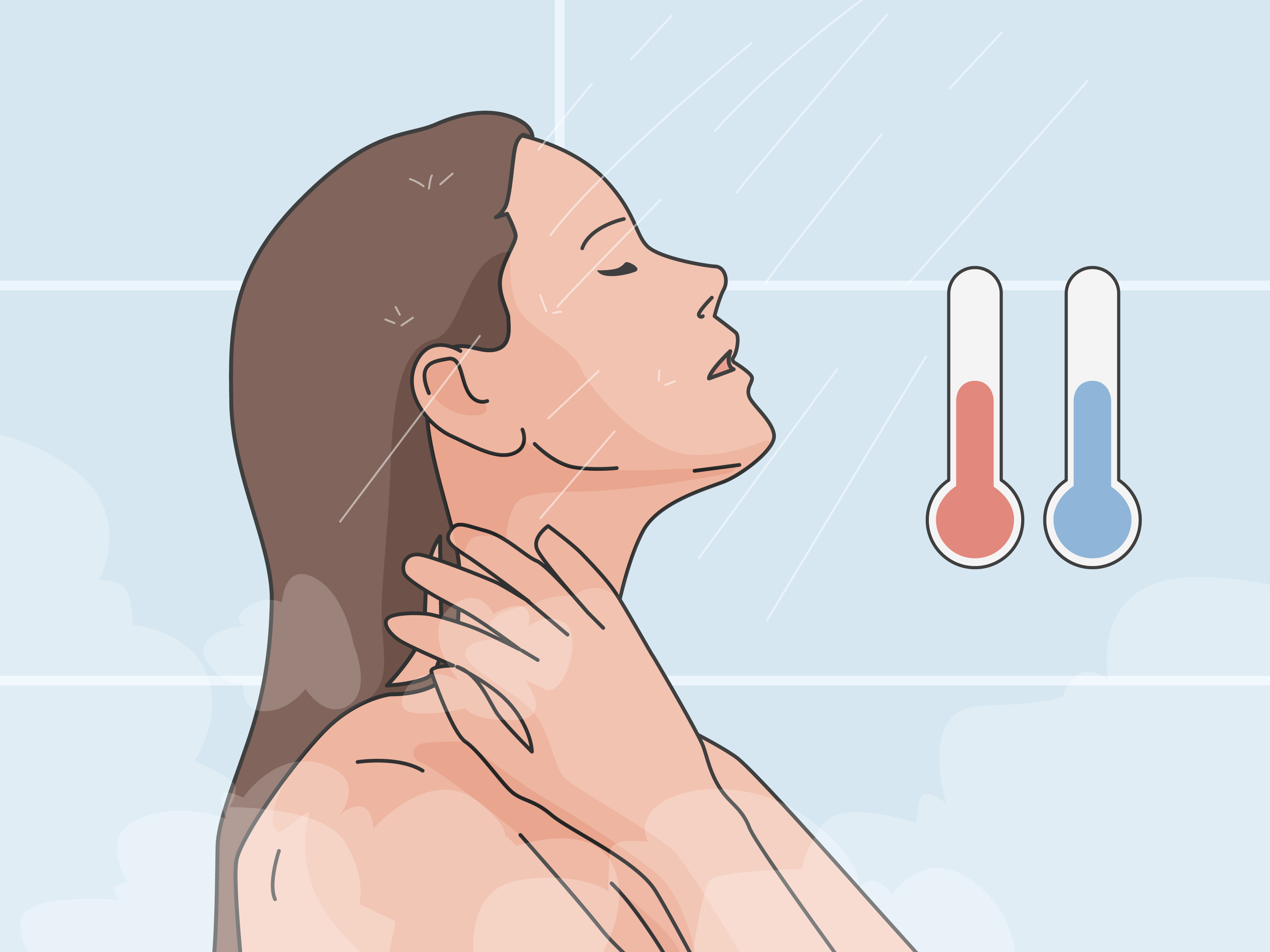
When prevention is not perfect, symptom control still matters. Many people find relief with warm baths, heating pads, cool packs, massage, calf stretches, light walking, or a brief session of relaxing movement before bed. These strategies do not cure RLS, but they can make the evening much more manageable.
It helps to experiment. Some people respond better to warmth, others to cold. Some swear by a short walk; others prefer quiet stretching. Your legs are allowed to be particular. You are allowed to learn their preferences like a slightly high-maintenance houseplant.
10. Treat Underlying Health Conditions
Sometimes restless legs are a clue rather than the whole story. RLS can be associated with iron deficiency, chronic kidney disease, pregnancy, diabetes-related nerve problems, and other medical conditions. In those situations, prevention means treating the driver behind the symptoms.
If your RLS is new, frequent, severe, or steadily worsening, it is worth getting evaluated. The best prevention plan is often a combination of healthy habits and medical follow-through.
What to Eat to Support RLS Prevention
There is no magical anti-RLS superfood, but a balanced diet can support prevention by helping with iron intake, blood sugar stability, inflammation, and overall sleep quality. A practical eating pattern includes iron-rich foods, enough protein, plenty of fruits and vegetables, and fewer late-night heavy meals that leave your body working overtime when it should be winding down.
Good options include:
- Lean meats and poultry for highly absorbable iron
- Beans, lentils, and tofu for plant-based iron and fiber
- Leafy greens, nuts, and seeds
- Fortified cereals or grains when appropriate
- Vitamin C-rich produce to support iron absorption
- Adequate hydration throughout the day
And yes, timing matters. A giant greasy meal right before bed is not your legs’ love language. Aim for lighter evening meals when possible.
When to See a Doctor
Call a healthcare professional if your symptoms happen often, disrupt sleep, affect mood or daytime function, or seem to be getting worse. You should also seek medical advice if symptoms began after starting a new medication, if you think you may have iron deficiency, or if you are pregnant and symptoms are making sleep miserable.
A doctor may ask about your symptom pattern, medications, family history, sleep quality, and medical conditions. They may also order blood work, especially iron studies. This is not overreacting. This is smart detective work.
What Prevention Looks Like in Real Life
In real life, preventing restless leg syndrome is usually less about one dramatic fix and more about stacking small wins. A person might notice that symptoms were worst during a month of bad sleep, extra stress, and too much afternoon coffee. Another person may discover that evening antihistamines were the hidden troublemaker. Someone else might feel better after addressing iron deficiency that had gone unnoticed for months.
The pattern is often the same: the more consistent the routine, the quieter the legs become. It is not glamorous, but it is effective.
Experiences Related to Preventing Restless Leg Syndrome (RLS)
People dealing with RLS often describe the prevention process as trial, error, and a little detective work. One common experience is realizing that the problem is bigger than “annoying legs at bedtime.” Many say they first noticed it while watching television at night, sitting through a movie, or trying to fall asleep after an especially stressful day. At first, they blamed the mattress, the weather, or “just getting older.” Only later did they connect the dots.
A very typical story goes like this: someone cuts back on afternoon coffee and notices they are not pacing the hallway at midnight anymore. Another starts walking for 20 to 30 minutes most days and finds the creepy-crawly sensations are less intense. Others discover that late-night workouts make symptoms worse, while gentle stretching helps. Prevention often comes down to learning the difference between movement that soothes and movement that stirs things up.
Many people also report that their biggest breakthrough came from fixing sleep habits rather than chasing exotic remedies. Going to bed at the same time, dimming lights in the evening, putting down the phone earlier, and keeping the bedroom cooler can make a real difference. It is not flashy advice, but it is the sort of boringly effective habit that makes the next morning feel much more human.
Some experiences are more medical. A person with frequent symptoms may finally get lab work and learn that iron stores are low. After treatment under a clinician’s guidance, the nighttime restlessness eases. Another person discovers that an over-the-counter sleep aid containing diphenhydramine was making everything worse. That can be an especially cruel twist: taking something to sleep better and ending up marching around the bedroom like a tiny, exhausted security guard.
Stress is another major theme in real-world experiences. People often say that on calm weeks, their legs are manageable, but during deadlines, family stress, or travel, symptoms return with attitude. That is why prevention plans that include stress reduction, light stretching, and a steady evening routine tend to hold up better over time.
The encouraging part is that many people do find a rhythm that helps. They may not “cure” RLS completely, but they learn their triggers, adjust their routines, and regain more control over their nights. And honestly, sleeping without feeling like your legs want to start a podcast at 1 a.m. is a pretty excellent reward.
Conclusion
If you want to prevent restless leg syndrome flare-ups, focus on the basics that matter most: regular sleep, moderate exercise, less caffeine and alcohol, no nicotine, fewer long stretches of sitting, and a thoughtful check for iron deficiency or other medical contributors. Prevention is rarely about one miracle trick. It is about building a routine that gives your nervous system fewer reasons to act up.
And if your symptoms keep showing up anyway, do not shrug them off. Persistent RLS is worth discussing with a clinician, especially if sleep is suffering. Because your evenings should end with actual rest, not a negotiation between your brain and your calves.