Some home improvements require permits, patience, dust, and a level of emotional strength usually reserved for assembling flat-pack furniture at midnight. Luckily, not every upgrade has to become a dramatic renovation saga. The right small changes can make your home look fresher, feel more comfortable, work more efficiently, and quietly whisper, “Yes, adults live here.”
Whether you are preparing to sell, settling into a new place, or simply tired of staring at the same tired wall color that has been judging your life choices since 2014, these easy home improvements can create a big visual impact without a full remodel. The best part? Many of them can be finished in a weekend, often with basic tools, a modest budget, and only one emergency trip to the hardware store. Two, if you forget painter’s tape.
Below are eight easy home improvements that instantly upgrade your home, followed by real-world experience tips to help you avoid common mistakes and make each project feel polished instead of “DIY, but make it suspicious.”
1. Refresh Your Walls With Paint
Paint is the superhero of easy home upgrades. It is affordable, dramatic, and capable of rescuing a room from looking like a waiting area at an old dentist’s office. A fresh coat of paint can brighten a dark room, make a small space feel larger, or add personality to an otherwise plain interior.
For an instant home upgrade, focus on high-impact areas: the living room, entryway, kitchen, bathroom, or primary bedroom. If you want a timeless look, warm whites, soft greige, light taupe, muted sage, and gentle blue-gray tones are dependable choices. If your room already has neutral furniture, an accent wall in charcoal, navy, olive, or terracotta can add depth without making the space feel like it joined a rock band.
Quick painting tips for a cleaner finish
Always clean the walls first, especially in kitchens and bathrooms where invisible grime likes to live rent-free. Patch nail holes, sand rough spots, use primer when covering dark colors, and remove outlet covers instead of painting around them like you are racing a game show timer. A satin or eggshell finish works well in most living spaces, while semi-gloss is helpful for trim, doors, and areas that need frequent cleaning.
If you want a fast upgrade without repainting an entire room, paint the front door, interior doors, fireplace surround, bathroom vanity, or old wood furniture. Small surfaces can make a surprisingly big style statement.
2. Upgrade Lighting Fixtures and Bulbs
Lighting can make the same room look cozy, expensive, flat, cold, cheerful, or like a grocery store aisle at 2 a.m. That is power. One of the easiest home improvements that instantly upgrades your home is replacing outdated fixtures and switching to better bulbs.
Start by looking at your main living areas. Is there a boob light in the hallway? A builder-grade chandelier over the dining table? A bathroom vanity fixture that appears to have witnessed several decades of questionable wallpaper? Replacing these with modern fixtures can immediately change the mood of your home.
Layered lighting works best. Instead of relying only on overhead lights, combine ceiling fixtures with floor lamps, table lamps, wall sconces, under-cabinet lighting, and accent lights. This creates warmth and makes rooms feel thoughtfully designed.
Choose the right bulb temperature
For most living rooms and bedrooms, soft white bulbs around 2700K to 3000K create a warm, comfortable glow. Kitchens, laundry rooms, closets, and home offices often benefit from brighter neutral light around 3500K to 4000K. Avoid mixing too many color temperatures in the same room unless your goal is “airport lounge meets haunted basement.”
Energy-efficient LED bulbs are also a smart upgrade. They last longer than traditional incandescent bulbs and use much less electricity, which means your home looks better while your utility bill gets slightly less dramatic.
3. Replace Cabinet Hardware and Door Handles
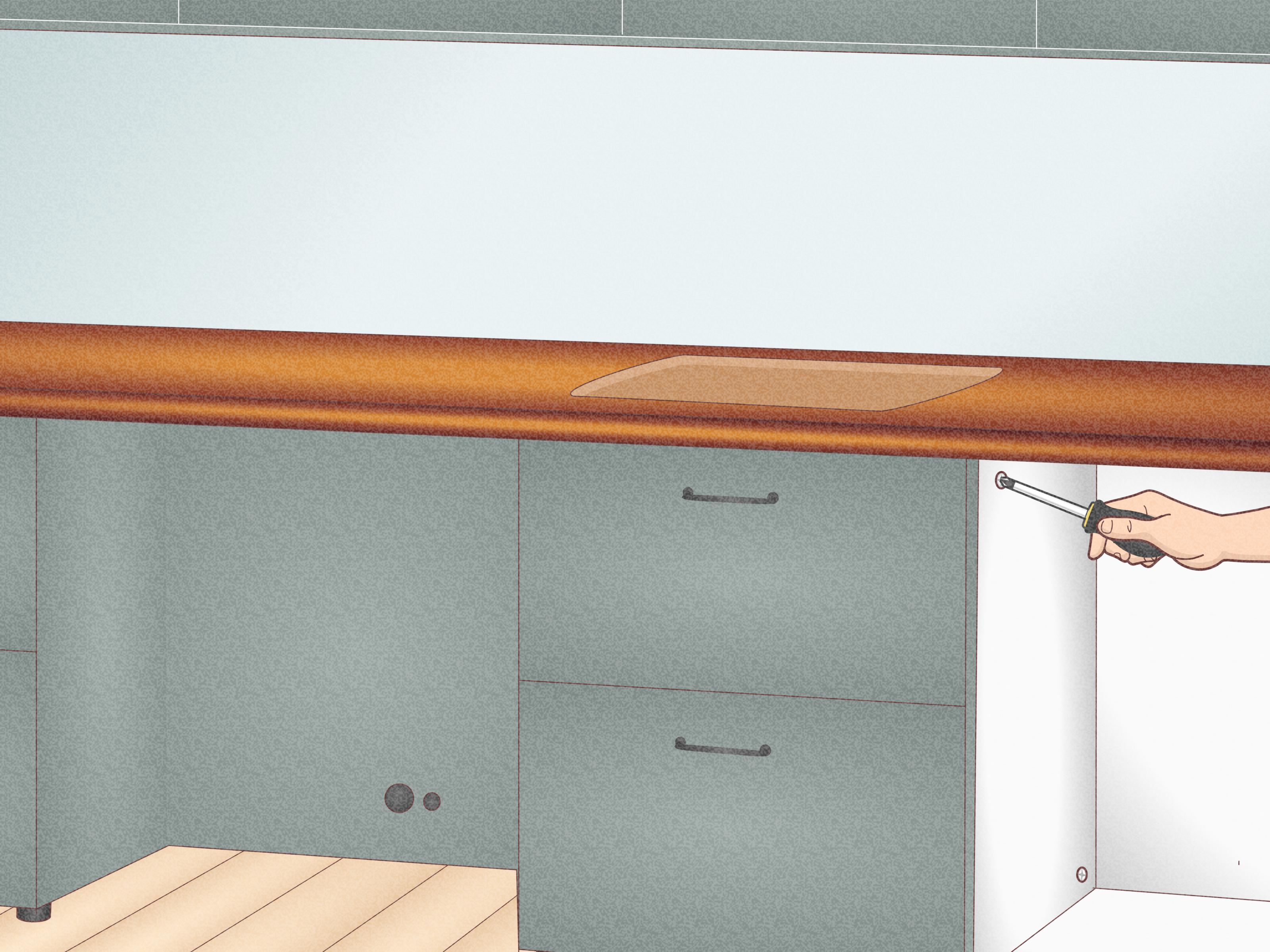
Cabinet hardware is the jewelry of your home. Old knobs and pulls can make a kitchen or bathroom feel dated even when the cabinets themselves are perfectly fine. Swapping hardware is one of the easiest DIY home improvements because it usually requires only a screwdriver, a measuring tape, and enough patience not to drop tiny screws into another dimension.
For kitchens, try matte black pulls for a modern look, brushed nickel for a clean transitional style, antique brass for warmth, or polished chrome for a crisp classic feel. In bathrooms, matching or coordinating cabinet pulls with faucets, towel bars, and lighting can make the space look more intentional.
Measure before buying
If your cabinets already have pulls, measure the distance between the screw holes before shopping. This is called the center-to-center measurement. Choosing new pulls with the same spacing makes installation easier and prevents you from needing to drill new holes or explain to your cabinets why they now look like Swiss cheese.
Do not stop at cabinets. Interior door handles, closet knobs, and entry door hardware also make a huge difference. Replacing worn brass knobs with updated levers can make the whole house feel newer.
4. Boost Curb Appeal at the Front Door
Your front entry is your home’s handshake. If it looks tired, guests notice before they even step inside. The good news is that curb appeal upgrades can be simple, affordable, and fast.
Start with the front door. A fresh paint color can completely change your home’s exterior personality. Classic black feels elegant, navy is polished, red is welcoming, sage green feels calm, and deep charcoal works well with many exterior styles. Add a new doormat, updated house numbers, a clean mailbox, and a pair of planters, and suddenly your entry looks like it has a skincare routine.
Outdoor lighting also matters. A new porch light or solar path lights can make the entrance feel safer and more inviting. Trim overgrown shrubs, remove weeds, sweep the porch, and pressure wash the walkway if needed. Sometimes the biggest upgrade is simply giving dirt its eviction notice.
Small curb appeal details that work
Choose house numbers that are large enough to read from the street. Use planters that match the style of your home. Add seasonal flowers or low-maintenance greenery. Keep the porch simple instead of crowding it with decorations, because “welcoming” and “obstacle course” are two different design categories.
5. Add Peel-and-Stick Backsplash or Tile Accents
A kitchen or bathroom backsplash can make a room look custom, but traditional tile installation can be messy and intimidating for beginners. Peel-and-stick backsplash panels offer a faster option for renters, new homeowners, or anyone who wants a stylish update without mortar becoming part of their personality.
Modern peel-and-stick options come in subway tile looks, marble patterns, geometric designs, metal finishes, and textured styles. They work especially well in laundry rooms, powder rooms, small kitchens, coffee bars, and utility spaces. The key is proper surface prep. Clean the wall thoroughly, remove grease, let it dry completely, and use a level so your first row does not slowly drift into chaos.
Where peel-and-stick works best
Use peel-and-stick products in low-to-moderate moisture areas unless the manufacturer says they are suitable for wet zones. They can be a great temporary upgrade behind a bathroom vanity or kitchen counter, but they are usually not the best choice inside showers or directly behind high-heat cooking surfaces unless specifically rated for that use.
For a more permanent improvement, consider adding a real tile backsplash in a small area, such as behind a stove or sink. Even a small tiled section can make the room feel more finished.
6. Install Smart, Safe, and Efficient Home Features
Not every home improvement has to be decorative. Some upgrades make daily life easier, safer, and more efficient. Smart thermostats, smoke alarms, carbon monoxide alarms, motion-sensor lights, and better air filters may not get the same applause as a dramatic accent wall, but they quietly improve the way your home functions.
A smart thermostat can help manage heating and cooling more efficiently, especially if your schedule changes throughout the week. Many models allow remote control from a phone, scheduling, energy reports, and maintenance reminders. This can be especially helpful in homes where people regularly forget to adjust the thermostat before leaving.
Safety upgrades matter, too. Make sure smoke alarms and carbon monoxide alarms are installed in the right places and tested regularly. Replace old units according to manufacturer guidance. This is not the glamorous side of home improvement, but it is one of the most important.
Easy efficiency upgrades to consider
Replace old bulbs with LEDs, add weatherstripping around drafty doors, caulk small gaps around windows, change HVAC filters on schedule, and install door sweeps where needed. These upgrades are inexpensive compared with major renovations, but they can improve comfort quickly.
7. Improve Storage and Declutter Visible Spaces
Clutter has a magical ability to make even a beautiful room look like it is losing an argument. Improving storage is one of the most practical easy home improvements because it instantly changes how your home feels. A tidy room looks larger, calmer, and more expensive, even if the budget was mostly baskets and determination.
Start with entryways, kitchens, bathrooms, closets, and laundry areas. These are the zones where everyday items multiply when no one is watching. Add hooks near the door, drawer organizers in the kitchen, clear bins in the pantry, floating shelves in the bathroom, and labeled baskets in closets.
Built-in storage looks high-end, but you can create a similar effect with affordable shelving, matching bins, and simple styling. For example, a blank wall in a mudroom can become a functional drop zone with a bench, hooks, baskets, and a small shelf for keys. Suddenly, backpacks and shoes have a home that is not “middle of the floor.”
Decluttering before decorating
Before buying more decor, remove what you no longer use. Clear countertops, reduce duplicate items, hide cords, and keep only the objects that add function or beauty. The fastest way to upgrade a room is often to subtract the things that are making it look busy.
8. Refresh Floors, Rugs, and Trim Details
Floors cover a huge visual area, so even small improvements can make a major difference. If replacing flooring is not in the budget, focus on cleaning, repairing, and styling what you already have. Deep clean carpets, polish hardwood, scrub grout, replace cracked transition strips, and touch up scuffed baseboards.
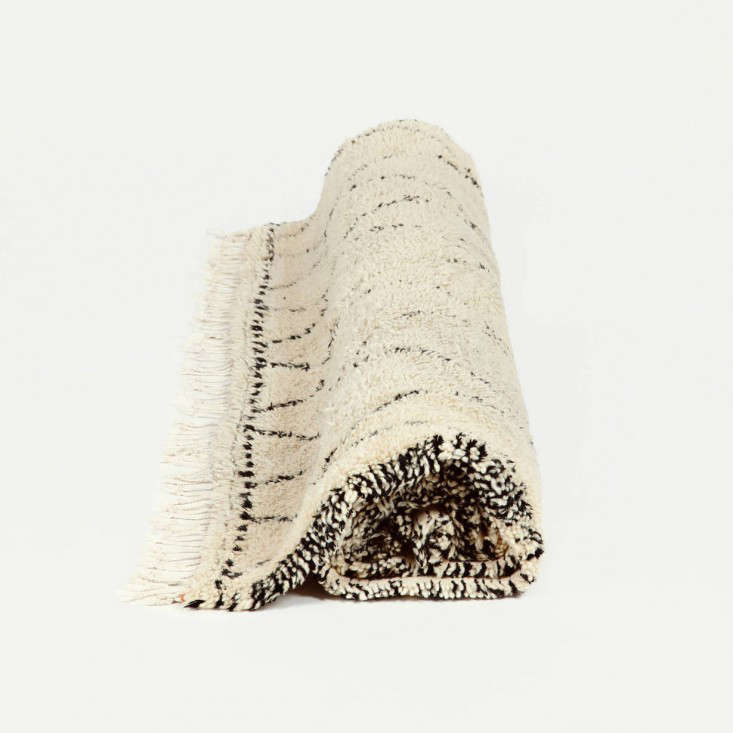
Area rugs are another instant upgrade. A properly sized rug can make a living room feel finished, define a dining area, soften a bedroom, and add color or texture. The most common mistake is choosing a rug that is too small. In a living room, at least the front legs of the main furniture should sit on the rug. A tiny rug floating under a coffee table can make the room look like it is wearing shoes two sizes too small.
Trim details also matter. Fresh white baseboards, clean caulk lines, painted interior doors, and updated switch plates can quietly elevate the whole home. These are not flashy improvements, but they create the crisp, cared-for look people notice even if they cannot explain why the room feels better.
Do not underestimate small repairs
Fix squeaky hinges, tighten loose handles, patch wall dents, replace cracked outlet covers, and repair peeling caulk. These little flaws can make a home feel older than it is. Taking care of them is like giving your house a good haircut: not always dramatic, but suddenly everything looks sharper.
Extra Experience Tips: What Actually Makes These Upgrades Work
After tackling small home improvements, one lesson becomes clear: the easiest projects are only easy when you plan them well. The difference between “instant upgrade” and “why is there paint on the dog?” is usually preparation.
First, pick one zone at a time. Many homeowners start with the kitchen, then wander into the hallway, then notice the bathroom mirror, then suddenly they are standing in the garage holding cabinet pulls and questioning reality. Choose one area, finish it, clean up, and then move to the next. Small completed projects build momentum. Half-finished projects build resentment.
Second, buy samples whenever possible. Paint colors can look completely different depending on natural light, artificial light, flooring, and furniture. A soft beige in the store may turn peach at home. A gray may suddenly become blue. Test paint swatches on multiple walls and check them in the morning, afternoon, and evening. Your future self will appreciate not living inside a surprise undertone.
Third, upgrade in layers. A room rarely needs only one thing. For example, painting a bedroom helps, but pairing fresh paint with better lamps, new bedding, decluttered nightstands, and clean baseboards makes the entire room feel renewed. The same is true in kitchens. New cabinet hardware looks good, but it looks better when the counters are cleared, the backsplash is cleaned, and the lighting is improved.
Fourth, match the upgrade to the home. A sleek modern fixture may look fantastic online but feel awkward in a cozy cottage-style space. A farmhouse door handle may clash with a contemporary condo. The goal is not to chase every trend; it is to make your home look like the best version of itself. Trends are fun, but your house should not look like it was dressed by an algorithm with a coupon code.
Fifth, respect your skill level. Painting a wall is beginner-friendly. Replacing a light fixture may be simple for some homeowners, but electrical work should be handled carefully and may require a professional. If a project involves wiring, plumbing, structural changes, gas lines, major moisture issues, or anything that makes you say, “I saw someone do this in a 43-second video,” pause and consider hiring help.
Sixth, do not ignore cleaning. It sounds boring, but deep cleaning can make upgrades look better. Wash windows before hanging new curtains. Scrub grout before judging the tile. Clean cabinet fronts before replacing hardware. Vacuum vents, wipe baseboards, remove cobwebs, and polish surfaces. A clean home reflects light better and makes every improvement look more expensive.
Seventh, create a realistic budget with a little cushion. Small projects have sneaky add-ons: brushes, tape, screws, anchors, caulk, sandpaper, outlet covers, touch-up tools, and the mysterious extra item you forgot until the store closes. Add 10 to 20 percent to your expected cost so the budget does not faint halfway through the weekend.
Eighth, take before-and-after photos. Not for social media, unless you want to, but for motivation. Small changes can feel ordinary while you are doing them, but photos show the transformation clearly. They also help you remember paint names, hardware finishes, and what the room looked like before you became emotionally attached to drawer pulls.
The best easy home improvements are not always the biggest or trendiest. They are the ones that make your home cleaner, brighter, safer, more organized, and more enjoyable to live in. A freshly painted door, better lighting, tidy storage, and updated hardware may seem small, but together they can make a home feel instantly more polished. That is the real magic: not perfection, just progress with better lighting.
Conclusion
Upgrading your home does not have to mean tearing down walls, draining your savings, or developing a suspiciously personal relationship with a contractor’s voicemail. With smart, simple home improvements, you can refresh your space quickly and create a noticeable difference in comfort, style, and function.
Start with paint, lighting, hardware, curb appeal, storage, safety features, backsplash updates, and floor details. These projects are approachable, budget-friendly, and flexible enough for different home styles. More importantly, they help your home feel cared for. And a cared-for home always looks better, even if there is still one drawer somewhere filled with batteries, tape, and mystery keys.