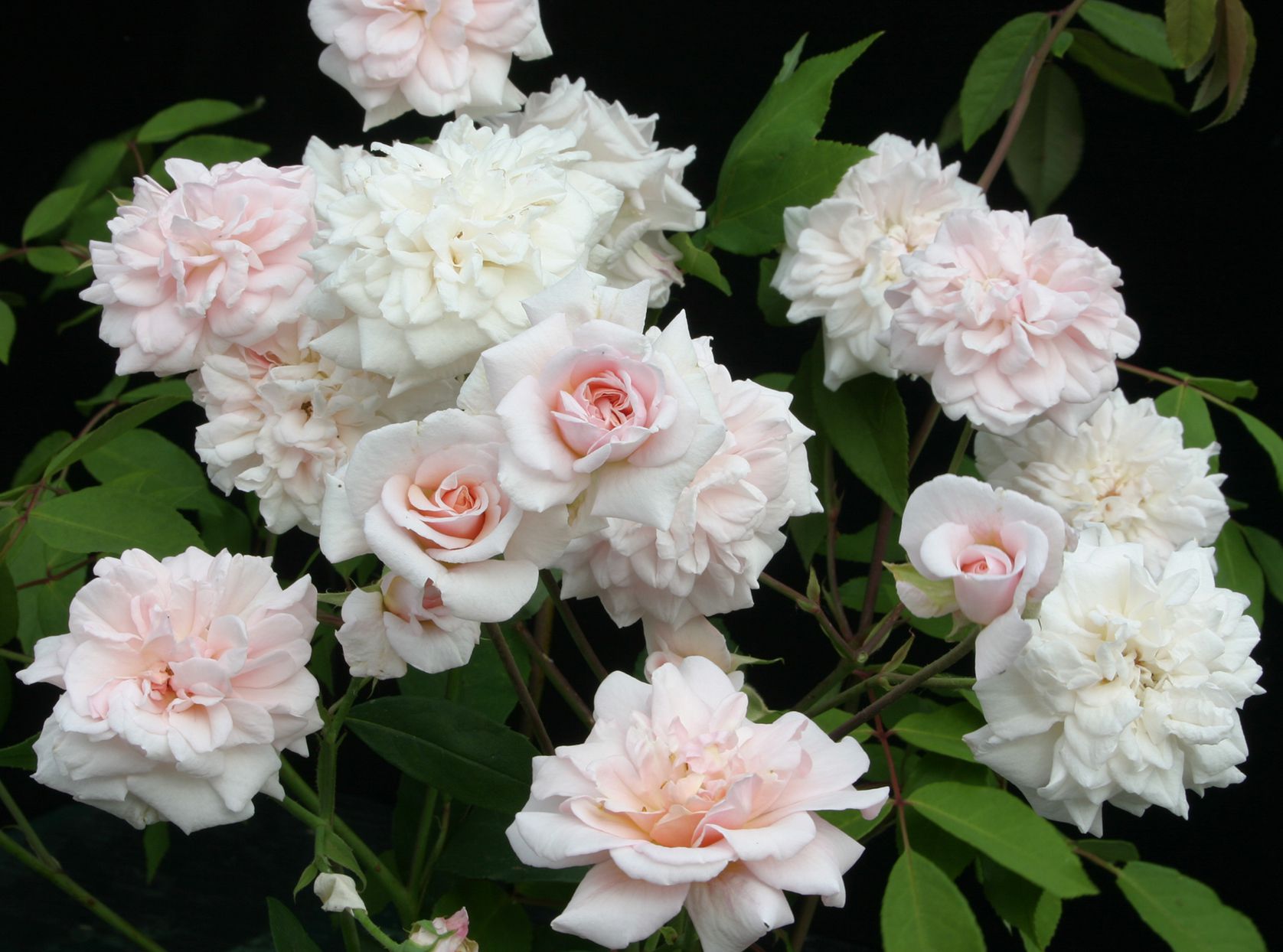
Roses have a reputation for being romantic, dramatic, and slightly high-maintenancebasically the divas of the flower world. But behind those velvety petals is a plant with a surprisingly wild résumé. Roses are ancient, edible, scientifically complicated, culturally powerful, and far more interesting than the average bouquet suggests.
Most people know roses as symbols of love, beauty, and “I’m sorry I forgot our anniversary.” Yet the real story of roses stretches across millions of years, several continents, royal gardens, perfume labs, backyard trellises, and even breakfast tablesbecause yes, roses are related to some of your favorite fruits.
In this guide, we’ll explore six fascinating facts about roses that you probably didn’t know, from fossil history to rose hips, hidden plant biology, scent chemistry, and the elusive quest for a true blue rose. Whether you’re a gardener, a flower lover, or someone who just enjoys knowing oddly impressive facts for dinner conversations, roses are ready to show off.
1. Roses Are Older Than HumansBy a Very Long Shot
Before roses became Valentine’s Day celebrities, they were already quietly thriving on Earth. Fossil evidence suggests that roses date back roughly 35 million years. That means roses were around long before grocery-store flower buckets, wedding centerpieces, and that one neighbor who insists on pruning at sunrise.
The genus Rosa naturally grows across the Northern Hemisphere, including parts of Asia, Europe, North America, and northern Africa. Most wild rose species are native to Asia, but North America also has native roses, many of which still grow in prairies, forests, and roadsides.
Humans Have Loved Roses for Thousands of Years
Garden cultivation of roses likely began thousands of years ago, probably in China. Over time, roses spread through trade, migration, empire-building, and gardening obsession. Ancient Romans used roses for decoration, fragrance, medicine, and celebrations. In later centuries, European royalty valued roses so highly that rose water and rose products were sometimes treated like luxury goods.
One of the most famous rose collectors in history was Empress Joséphine, wife of Napoleon Bonaparte. At her garden at Château de Malmaison near Paris, she gathered an extraordinary rose collection that influenced botanical illustration and rose breeding. In other words, before Instagram plant influencers existed, Joséphine was already doing the luxury garden content thingjust with more corsets and fewer hashtags.
Why This Fact Matters
The age of roses reminds us that these flowers are not just pretty accessories. They are botanical survivors. Modern garden roses may look polished and delicate, but their wild ancestors endured climate shifts, predators, competition, and millions of years of evolutionary pressure. That soft rose in a vase has a very tough family tree.
2. Roses Are Cousins to Apples, Strawberries, Peaches, and Almonds
Here’s a fact that makes roses feel less like a flower and more like the stylish aunt at a family reunion: roses belong to the Rosaceae family, a major plant family that includes many important fruits and nuts. Apples, pears, peaches, cherries, plums, strawberries, raspberries, blackberries, and almonds are all botanical relatives of roses.
So the next time you eat a strawberry shortcake or bite into a crisp apple, you’re technically enjoying something from the rose family. Not a rose itself, of courseplease do not put a dozen long-stemmed roses in your lunchbox and call it fruit saladbut the family connection is real.
The Rose Family Is Economically Important
The Rosaceae family includes thousands of species and many valuable food crops. Its members vary widely, from woody shrubs and fruit trees to herbaceous plants and ornamental flowers. This family is important not only for gardeners but also for agriculture, nutrition, and global food systems.
Roses are often seen as purely decorative, but their relatives feed millions of people. That makes roses part of a much bigger botanical storyone that connects beauty, flavor, farming, pollinators, and human culture.
What Roses Share With Their Fruit Relatives
Many plants in the rose family have five-petaled flowers, attractive blooms, and fruiting structures that develop after pollination. Wild roses produce hips, which are the fruit-like seed pods that form after the flower fades. Those hips are one of the clearest signs that roses are not just ornamental plants. They are part of a plant family deeply tied to food.
3. Rose Hips Are Edibleand Packed With Vitamin C
After a rose blooms and the petals drop, many varieties form round or oval fruits called rose hips. These hips can be red, orange, or deep reddish-brown, depending on the species and variety. They look a bit like tiny ornaments, but they are not just garden decoration. Rose hips are edible and have long been used in teas, jams, jellies, syrups, and traditional foods.
Rose hips are especially known for their vitamin C content. Wild rose hips, in particular, have been valued as a vitamin-rich food source. During times when fresh citrus was scarce, people often turned to rose hips for nutrition. That makes roses one of the few flowers that can go from “romantic centerpiece” to “practical pantry ingredient.” A flower with range? We respect it.
Can You Eat Rose Hips From Any Rose?
In general, rose hips are edible, but not all of them taste great. Some are sweet-tart and fruity; others are bland, seedy, or simply not worth the effort unless you are very committed to your cottagecore lifestyle. Older rose varieties and wild roses often produce better hips than heavily bred ornamental roses.
However, there is one important caution: only use rose hips from plants that have not been treated with unsafe pesticides, fungicides, or chemicals. Roses from florists are grown for beauty, not snacking. They may have been treated in ways that make them unsuitable for food. If you plan to use rose hips in tea or recipes, source them from edible-safe plants or reputable suppliers.
Popular Uses for Rose Hips
Rose hips can be dried for tea, cooked into jelly, blended into syrup, or added to baked goods. Their flavor is often described as tangy, fruity, and slightly floral. In the kitchen, they pair well with honey, citrus, apple, cinnamon, and ginger.
For gardeners, allowing some blooms to turn into hips can also provide seasonal beauty. In fall and winter, rose hips add color to the garden and can attract wildlife. So if you skip deadheading a few roses at the end of the season, you are not being lazyyou are creating ecological interest. Very sophisticated.
4. Roses Technically Don’t Have ThornsThey Have Prickles
“Every rose has its thorn” may be a famous line, but botanically speaking, it is not quite accurate. Roses do not have true thorns. They have prickles.
True thorns are modified stems or branches. Spines are modified leaves or leaf parts. Prickles, however, are outgrowths from the outer layers of a plant’s stem, more like sharp extensions of the surface. Rose “thorns” are technically prickles because they grow from the epidermis and cortex rather than from deeper stem tissue.
Why Roses Have Prickles
Prickles help protect roses from being eaten by animals. They can also help climbing or scrambling roses grip nearby vegetation as they grow. Anyone who has tried to untangle a climbing rose from a fence knows those prickles are extremely effective. Roses may look elegant, but they absolutely know how to defend personal space.
Recent plant research has also explored how prickles develop genetically across different plant species. Scientists are interested in prickles because similar structures appear in unrelated plants, which raises fascinating questions about evolution. In simple terms, plants have found similar ways to become pokey, even when they are not close relatives.
What This Means for Gardeners
If you grow roses, prickles are more than a trivia point. They affect where you plant roses and how you maintain them. A heavily armed climbing rose near a narrow walkway can turn a peaceful garden stroll into a tiny medieval battle. For family gardens, patios, and small spaces, gardeners may prefer nearly thornless or low-prickle varieties.
When pruning roses, wear thick gloves and long sleeves. This is not a fashion statement; it is survival gear. Rose prickles can scratch skin and snag clothing, especially on vigorous shrub roses and climbers.
5. A Rose’s Fragrance Is a Tiny Chemistry Concert
The scent of a rose may feel like magic, but it is also chemistry. Rose fragrance comes from a complex mix of volatile compounds released by the petals. Important scent molecules include geraniol, citronellol, nerol, phenylethyl alcohol, beta-damascenone, and rose oxide. Together, they create aromas that can smell sweet, spicy, citrusy, fruity, musky, or classic “old rose.”
Not all roses smell the same. Some have strong perfume-like fragrance, while others have barely any scent at all. A deep red rose may smell rich and damask-like, a yellow rose may have tea or citrus notes, and a pink garden rose may smell fruity or sweet. Meanwhile, some florist roses look gorgeous but smell like… absolutely nothing. Beautiful, yes. Emotionally available? Debatable.
Why Some Modern Roses Have Less Scent
For decades, rose breeders focused heavily on traits like flower form, vase life, disease resistance, repeat blooming, shipping durability, and unusual colors. Fragrance sometimes took a back seat. This is especially true for cut roses bred for the floral industry, where long stems and long vase life are major selling points.
In a garden, fragrance often depends on the rose variety, weather, time of day, and bloom stage. Warm temperatures can intensify scent, while cold or rainy conditions may make fragrance less noticeable. Many roses smell strongest in the morning, when their volatile compounds are most concentrated.
How to Choose Fragrant Roses
If fragrance matters to you, do not buy roses based on color alone. Look for descriptions such as “strong fragrance,” “damask scent,” “old rose fragrance,” “spicy,” “myrrh,” “tea,” or “fruity.” English roses, old garden roses, damask roses, bourbon roses, and certain hybrid teas are often loved for scent.
Whenever possible, smell the rose in person before buying. Online descriptions are helpful, but noses are personal. One gardener’s “delightful spice” may be another person’s “why does this smell like grandma’s soap drawer?”
6. True Blue Roses Don’t Naturally Exist
Roses come in many colors: red, pink, white, yellow, orange, lavender, peach, coral, burgundy, and nearly black-red. But true blue roses do not naturally occur. The reason is pigment chemistry. Roses naturally lack the ability to produce enough delphinidin, the blue pigment found in some other flowers.
Many so-called blue roses are actually lavender, mauve, silvery purple, or dyed white roses. They may be beautiful, but they are not naturally true blue in the way a blue hydrangea or delphinium can be blue.
The Quest for the Blue Rose
For centuries, blue roses symbolized mystery, impossibility, and the unattainable. That symbolism makes sense because plant breeders could not produce a naturally true blue rose through traditional breeding. The genetic and biochemical pathway simply was not there.
Modern biotechnology changed the conversation. Scientists developed genetically modified roses that could produce delphinidin-based pigments by introducing genes from other plants. These roses moved closer to blue than conventional breeding could achieve, though they still often appear lavender or purple rather than sky blue.
Why Blue Roses Still Feel Magical
The blue rose remains fascinating because it sits at the intersection of science and symbolism. It is a flower people imagined before they could create it. That makes it a perfect example of how human desire can push horticulture forward. We wanted a rose that nature did not provide, so breeders and scientists spent years trying to persuade the rose to wear a new color.
Even today, a truly blue rose remains rare, complicated, and somewhat mythical. In a world full of ordinary red bouquets, that little bit of mystery keeps the blue rose special.
Bonus Insight: Roses Became the National Floral Emblem of the United States
In 1986, the rose was officially designated the national floral emblem of the United States. This decision followed years of debate over which flower should represent the country. The rose won not only because of its beauty but also because of its deep cultural presence in American gardens, ceremonies, art, literature, and public life.
The rose’s national status makes sense. It is both elegant and resilient. It can look delicate while surviving winter, heat, pruning mistakes, pests, and the occasional gardener who forgets watering for a week. Honestly, that is a very American flower résumé.
How to Appreciate Roses More Deeply
Once you know these rose facts, it becomes easier to see roses as more than decorative flowers. They are living history, botanical chemistry, food-family royalty, and cultural icons. The next time you see a rose, look beyond the petals. Notice the leaf shape, the prickles, the scent, the hips, and the growth habit. Each detail tells part of the rose’s story.
If you are growing roses, choose varieties based on your goals. For fragrance, try old garden roses or strongly scented modern cultivars. For easy care, look for disease-resistant shrub roses. For food interest, consider roses known for attractive hips. For drama, grow climbers over an arbor or fence. For bragging rights, casually tell visitors that roses technically have prickles, not thorns. Then pause dramatically and let the knowledge bloom.
Experience Notes: What Roses Teach You When You Actually Grow Them
Reading about roses is lovely, but growing them is where the relationship gets real. Roses have a way of turning casual gardeners into weather watchers, soil inspectors, and people who suddenly own three different pairs of pruning gloves. The first experience many gardeners have with roses is surprise: they are both tougher and fussier than expected.
A rose can survive cold, bounce back after pruning, and produce new growth from what looks like a sad bundle of sticks. At the same time, it may object dramatically to poor airflow, soggy roots, or being planted in deep shade. Roses are not impossible to grow, but they do reward attention. Think of them as garden guests who do not need luxury accommodations, but definitely prefer a sunny room and decent drainage.
One of the most satisfying experiences with roses is watching the first flush of blooms open in spring or early summer. A healthy rosebush can go from bare stems to glossy leaves to fat buds with impressive speed. Then suddenly, the garden has color, fragrance, bees, and that smug feeling that maybe you do know what you are doing after all.
Fragrance is another memorable part of rose growing. Some roses release scent before you even lean in; others make you work for it. A warm morning after a light rain can make fragrant roses smell especially rich. This is when you understand why people have written poetry about roses for centuries. It is hard to stay cynical when a flower smells like honey, spice, tea, and summer all at once.
Roses also teach patience. Not every plant looks perfect in its first season. Some roses need time to establish strong roots before they bloom heavily. Others may sulk after transplanting, drop leaves in hot weather, or produce awkward early growth before settling into a graceful shape. New gardeners often panic too quickly. Experienced rose growers learn to observe before reacting.
Pruning may feel intimidating at first, but it becomes easier with practice. The basic goal is to remove dead, weak, crossing, or crowded growth so the plant gets better air circulation and directs energy into healthy canes. The first cut is always the scariest. After that, pruning becomes less like plant surgery and more like giving the rose a fresh haircut before its big season.
Another real-life lesson: roses are not solitary performers. They look beautiful with companion plants such as lavender, catmint, salvia, geraniums, and ornamental grasses. These plants soften the base of rose shrubs, attract pollinators, and help create a fuller garden design. A rose planted alone can be striking; a rose planted thoughtfully among companions can look like a scene from a garden magazine that somehow wandered into your yard.
Finally, roses teach gardeners to accept imperfection. A few spotted leaves, faded blooms, or crooked stems do not ruin the plant. In fact, they make roses feel alive. The best rose gardens are not sterile displays; they are changing, blooming, fading, recovering, and blooming again. That cycle is part of the charm.
Growing roses is a mix of science, art, patience, and occasional mild frustration. But when a rose finally opens perfectlysoft petals, glowing color, fragrance in the airit feels worth every scratched wrist and every minute spent wondering whether that cane is dead or just being dramatic.
Conclusion
Roses may be famous for romance, but their real story is even better. They are ancient flowers with a fossil history stretching back millions of years. They belong to the same plant family as apples, strawberries, peaches, and almonds. They produce edible rose hips, defend themselves with prickles instead of true thorns, create fragrance through complex chemistry, and still challenge scientists who dream of producing a truly blue rose.
That is what makes roses endlessly fascinating. They are familiar enough to feel comforting, yet complex enough to keep surprising us. Whether you admire them in a bouquet, grow them in a backyard, use rose hips in tea, or simply enjoy learning unusual plant facts, roses prove that beauty gets even better when it comes with a good backstory.