Mushrooms are one of the great kitchen overachievers. They can make a cheap pasta taste expensive, turn soup into comfort food, and somehow make toast feel like a meal with a graduate degree. But they also have a dramatic side. Buy a beautiful carton of cremini on Sunday, forget it in the fridge until Wednesday, and suddenly you are staring at a damp science project.
The good news is that preserving fresh mushrooms is not complicated. The better news is that you do not need a culinary laboratory, a moon mission budget, or mystical forest wisdom to do it well. You just need to understand one thing: mushrooms hate two extremes. They do not like too much moisture, and they do not like being trapped without airflow. That is why the best preservation methods focus on keeping them cold, dry, breathable, and properly processed when you want them to last much longer.
In this guide, you will learn five practical ways to preserve fresh mushrooms, from short-term refrigerator storage to long-term methods like freezing, drying, pickling, and safe canning. Along the way, we will cover what works, what ruins texture, what helps flavor, and what home cooks usually learn only after sacrificing a few innocent mushrooms to the back of the fridge.
Why Fresh Mushrooms Spoil So Fast
Fresh mushrooms are full of water and have a delicate structure, which makes them wonderfully tender in the pan and frustratingly fragile in storage. They bruise easily, absorb moisture, and can become slimy if they are stored in packaging that traps condensation. That is why preserving mushrooms starts with managing humidity and air circulation, not just tossing them into the refrigerator and hoping for the best.
Another important detail: washing mushrooms too early can shorten their shelf life. A quick rinse right before cooking is usually fine, but storing them wet is practically an invitation to spoilage. For best quality, think of mushrooms like little edible sponges with strong opinions.
1. Store Mushrooms Properly in the Refrigerator
If your goal is to keep mushrooms fresh for the next few days, proper refrigeration is your first and easiest preservation method. This is the move for mushrooms you plan to sauté later in the week, add to omelets, or toss into a stir-fry before they start plotting against you.
How to do it right
- Keep mushrooms in the refrigerator, ideally at 40°F or below.
- Store them in their original container if it is breathable, or transfer them to a paper bag.
- If needed, line the bag or container with a paper towel to absorb extra moisture.
- Do not wash them until you are ready to use them.
- Avoid airtight plastic bags or sealed containers that trap humidity.
A paper bag is the quiet hero here. It allows mushrooms to breathe while helping wick away excess moisture. That balance matters. Plastic tends to hold condensation, and once mushrooms sit in that damp environment, they can turn slick and sad in record time.
For common varieties like white button, cremini, and portobello mushrooms, this method usually buys you several good-quality days and sometimes close to a week, depending on freshness at purchase. Shiitake may last longer, while more delicate mushrooms like oyster tend to fade faster. Translation: not all mushrooms are equally patient.
Best for: Short-term storage and preserving texture for everyday cooking.
2. Freeze Mushrooms for Convenient Long-Term Use
Freezing is one of the smartest ways to preserve mushrooms when you have more than you can use soon. It is especially handy if you cook with mushrooms often and do not mind that they will be best in soups, sauces, stews, casseroles, risotto, and sautéed dishes after thawing.
Here is the catch: mushrooms generally freeze better after a little prep. Freezing raw mushrooms can leave them watery or rubbery. Pre-cooking helps protect quality, improves texture, and makes them easier to use later.
Two good ways to prep mushrooms for freezing
- Steam them: This is often preferred for longer freezer quality. Mushrooms can be steamed briefly after trimming and cutting.
- Sauté them: Cook mushrooms in a little fat until almost done, cool them quickly, then pack and freeze.
If you want the nicest color, some preservation guides suggest a brief anti-darkening treatment before steaming, using lemon juice or citric acid in water. That extra step is useful, especially for sliced mushrooms that are going to spend time in the freezer before their glorious return in a winter soup.
Freezing tips that make life easier
- Freeze mushrooms in meal-size portions so you do not thaw a mountain when you need a molehill.
- Cool cooked mushrooms before packing.
- Use freezer-safe containers or bags and remove excess air.
- Label everything. “Mystery brown slices” is not a helpful freezer category.
Frozen mushrooms are usually best when cooked from frozen or thawed straight into a recipe. They may not win a beauty pageant after thawing, but they can still taste rich and earthy, which is the whole point.
Best for: Cooks who want ready-to-use mushrooms for hot dishes over the coming months.
3. Dry or Dehydrate Mushrooms for Pantry-Friendly Storage
If freezing is the practical cousin, drying is the elegant overachiever. Dehydrating mushrooms removes moisture so they can be stored much longer while concentrating flavor. Done well, dried mushrooms can become one of the most useful ingredients in your kitchen.
Dried mushrooms are fantastic in broths, sauces, ramen, stuffing, gravy, and braises. They also work beautifully in powdered form, where a spoonful can deepen savory flavor faster than you can say “why does this soup suddenly taste expensive?”
How drying works best
- Choose firm, sound mushrooms without decay.
- Clean them gently with a brush, soft cloth, or a quick rinse followed by thorough drying if needed.
- Slice evenly so pieces dry at a similar rate.
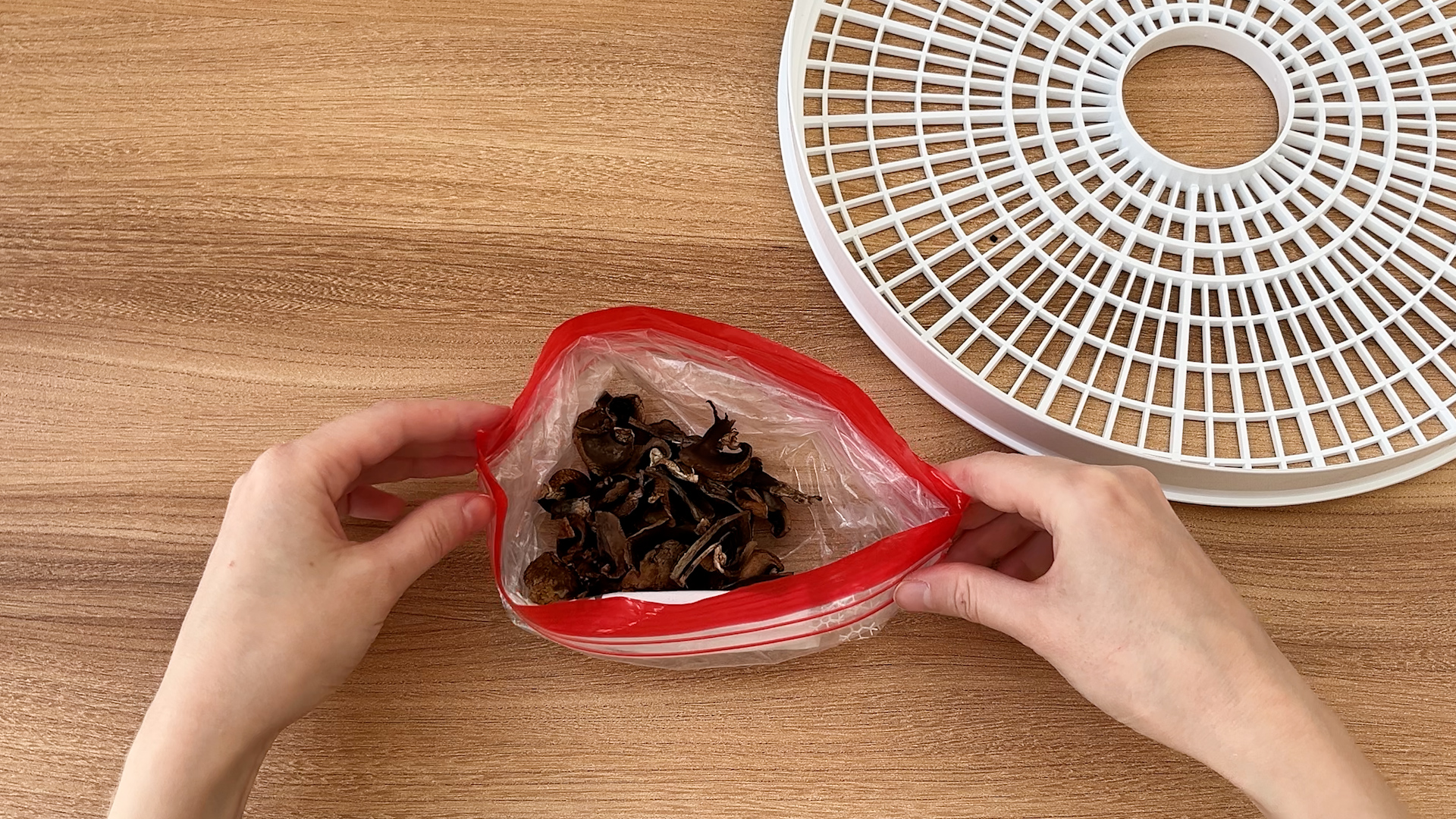
- Use a food dehydrator or controlled drying method until the mushrooms are thoroughly dry and brittle, not leathery and damp.
- Store dried mushrooms in airtight packaging away from moisture.
Drying is especially useful for shiitake and other flavorful varieties, but many cultivated mushrooms can be dried successfully. Once dry, they can be rehydrated in warm water for cooking, and that soaking liquid often becomes a flavor bomb for soups and sauces. Strain it well, because nobody enjoys a surprise spoonful of grit.
You can also grind dried mushrooms into mushroom powder. This is not just trendy pantry theater. It is genuinely useful. Stir it into gravy, pasta sauce, meatloaf, burger mixes, roasted vegetables, or popcorn seasoning if you are living boldly.
Best for: Long storage, concentrated flavor, and small-space pantry convenience.
4. Pickle Mushrooms for Tang, Texture, and Refrigerator Appeal
Pickling is for people who want preservation with personality. It gives mushrooms a bright, savory punch that works on antipasto platters, sandwiches, grain bowls, and snack boards that make you feel like you have your life together.
Pickled mushrooms are not just delicious; they can also be safely preserved when you use a tested recipe. That last part matters more than many home cooks realize. Mushrooms are low-acid foods, so the vinegar balance in a pickling recipe is not a place for casual improvisation and cinematic confidence.
What makes pickling work
The mushrooms are usually pre-cooked briefly, then packed with an acidic pickling mixture that may include vinegar, herbs, salt, and aromatics. Some recipes create marinated whole mushrooms with a savory, almost deli-style flavor profile.
If you are making pickled mushrooms for refrigerator storage, they are a wonderful make-ahead ingredient. If you want shelf-stable pickled mushrooms, use a tested preservation recipe from a trusted source and follow it closely. The ratio of vinegar, liquid, and processing method is doing real safety work, not decorative paperwork.
When pickled mushrooms shine
- As a topping for salads and grain bowls
- On charcuterie or snack boards
- In pasta salad or antipasto
- Alongside roasted meats or sandwiches
Best for: Flavor-forward preservation and make-ahead entertaining ingredients.
5. Safely Can Mushrooms When You Follow Tested Rules
Yes, mushrooms can be canned at home, but this is the method where confidence should be matched by caution. Mushrooms are low-acid foods, so they require proper pressure canning to be shelf-stable. Even more important, research-based guidance is limited in scope.
The safest home-canning guidance applies to domestically grown button mushrooms, whole or sliced, using tested pressure-canning directions. Other mushroom varieties may differ in density and texture, which affects safe processing. Wild mushrooms should not be casually treated as interchangeable with cultivated button mushrooms just because they all look charming next to garlic.
Before you choose canning
- Use only tested, research-based instructions.
- Do not rely on random internet shortcuts.
- Do not use boiling-water canning for plain mushrooms.
- Reserve this method for mushrooms that fall within approved guidance.
For many home cooks, freezing or drying is simpler and more flexible. But if you are experienced with food preservation and want shelf-stable canned mushrooms, pressure canning approved mushroom varieties can be a useful method. This is the advanced class, not the extra-credit worksheet.
Best for: Experienced preservers who follow tested procedures exactly.
Common Mistakes That Ruin Mushrooms Early
- Storing them in sealed plastic: This traps moisture and speeds spoilage.
- Washing them too soon: Extra surface moisture can shorten storage life.
- Keeping them warm too long: Fresh mushrooms belong in the refrigerator, not lingering on the counter.
- Freezing them with no prep: Raw freezing often sacrifices texture.
- Using untested preservation recipes: Especially important for pickling and canning.
Which Preservation Method Is Best?
The answer depends on how you cook and how soon you plan to use the mushrooms.
- Use refrigeration if you plan to cook them within a few days.
- Use freezing if you want quick portions for future hot dishes.
- Use drying if you want the longest pantry-friendly storage and intense flavor.
- Use pickling if you want ready-to-eat mushrooms with bold flavor.
- Use pressure canning only if you want shelf-stable storage and are following approved guidance for the right type of mushroom.
If you cook often, the smartest strategy may be a combination. Keep a paper bag of fresh mushrooms in the fridge for this week, freeze a sautéed batch for later, and dry a few extra trays for broth, gravy, and sauce season. That way, no mushroom is left behind. Or slimed.
Practical Kitchen Experiences: What People Usually Learn the Hard Way
Anyone who cooks with mushrooms regularly tends to develop the same set of hard-earned opinions. The first is that mushrooms almost always seem plentiful until the exact moment you need them. Buy one package and you wish you had two. Buy two packages and suddenly you are in a race against time, humidity, and your own meal-planning optimism.
One of the most common experiences is discovering that the refrigerator drawer is not automatically a magical preservation chamber. Many people slide mushrooms into the crisper in a tightly closed plastic container and expect victory. A few days later, they open it to find condensation, dark spots, and that telltale slick feel that says dinner plans are changing. Once they switch to a paper bag or a breathable package, the difference becomes obvious. The mushrooms stay drier, firmer, and far less moody.
Another familiar lesson involves cleaning. New cooks often want to wash mushrooms the second they get home, which feels organized and virtuous. Unfortunately, it usually turns into extra moisture that speeds up spoilage. After making this mistake once or twice, most people become converts to the “clean right before cooking” school. A soft brush, a damp paper towel, or a quick rinse followed by thorough drying becomes the routine, and suddenly the mushrooms stop aging like bananas in a sauna.
Freezing teaches its own lesson. The first time someone freezes raw sliced mushrooms and thaws them later, there is often a moment of silence. The texture is softer, wetter, and less charming than expected. But when that same person tries sautéing or steaming mushrooms before freezing, the results are much better. The mushrooms may never return to their just-bought glory, but they become excellent in soups, pasta sauces, stroganoff, omelets, and pot pies. This is usually the moment when a home cook realizes preservation is not about making time stand still. It is about matching the method to the future use.
Drying mushrooms creates a different kind of kitchen revelation. Many people try it because they are trying to avoid waste, then keep doing it because the flavor is incredible. A handful of dried mushrooms in broth can make a simple soup taste deep and savory. Ground mushroom powder can rescue bland gravy, upgrade roasted vegetables, and quietly make weekday cooking taste more thoughtful than it probably was. It is one of those pantry tricks that feels small until you start using it constantly.
Pickling tends to win over the skeptics. People often assume pickled mushrooms will be strange, but then they try them on a salad, next to cheese and bread, or layered into a sandwich, and suddenly they are the person telling everyone else to “just trust me on this.” The biggest surprise is usually how useful they are when dinner needs an acidic, savory note that wakes everything up.
And then there is the oldest kitchen truth of all: the best preservation method is the one you will actually use. A freezer full of unlabeled bags, a dehydrator that never leaves the box, or ambitious canning plans for “someday” do not save mushrooms. Habits do. A paper bag in the fridge, a quick sauté before freezing, a weekend batch of dried slices, or a jar of pickled mushrooms ready for sandwiches will always beat good intentions and a forgotten produce drawer.
Final Thoughts
Fresh mushrooms are too flavorful to waste and too expensive to treat casually. The best way to preserve them depends on your timeline and your cooking style, but the fundamentals stay the same: keep them cool, keep them dry, give them airflow, and choose a preservation method that fits how you actually cook.
If you only remember one rule, make it this: mushrooms prefer breathing over sweating. Start there, and you will already be ahead of most refrigerator tragedies. From there, freezing, drying, pickling, and safe canning can help you stretch your mushroom haul into future meals with far less waste and a lot more flavor.