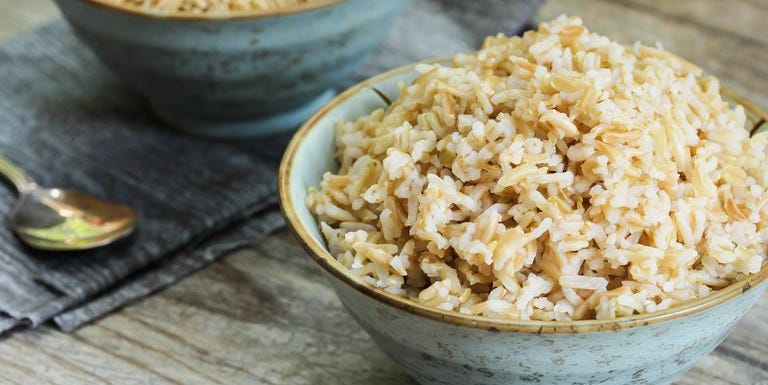
Rice is one of those foods that somehow manages to be both humble and dramatic. It sits quietly under stir-fries, curries, beans, grilled fish, roasted vegetables, and last night’s leftovers, yet people still argue about it like it is running for public office. Is brown rice better than white rice? Is black rice secretly a superhero? Is wild rice even rice? And why does every “healthy bowl” at a trendy café cost $17 when it is mostly grains and optimism?
The truth is simple but not boring: the healthiest rice depends on your goals, your taste, your digestion, your blood sugar needs, and how you build the rest of the meal. Still, some rice options offer more fiber, minerals, antioxidants, and steady energy than others. In general, whole-grain rice varieties are the nutrition winners because they keep the bran and germ intact, the parts that carry much of the fiber and many nutrients. Refined white rice can still fit into a healthy diet, but it usually brings less fiber to the party.
This guide breaks down five healthy rice options, explains what makes each one useful, and helps you choose the best rice for everyday meals without turning dinner into a nutrition exam. Spoiler: you do not need to ban rice. You just need to pick smart, watch portions, and stop treating plain rice like it personally caused your afternoon slump.
What Makes Rice Healthy?
Before ranking rice like a tiny grain Olympics, it helps to understand what “healthy rice” actually means. A healthier rice option usually has more fiber, more naturally occurring vitamins and minerals, a gentler effect on blood sugar, and enough flavor or texture to make a meal satisfying. The best choice is not always the lowest-calorie option. Sometimes the healthiest rice is the one that keeps you full, pairs well with vegetables and protein, and does not make you want cookies 40 minutes later.
Whole Grain vs. Refined Rice
Whole-grain rice keeps the bran, germ, and endosperm. Refined rice, such as typical white rice, has had the bran and germ removed. That makes white rice softer, quicker to cook, and easier to digest for some people, but it also removes much of the grain’s fiber and some minerals. Many white rice products are enriched, meaning certain nutrients are added back, but enrichment does not fully recreate the original whole grain.
Fiber is one major reason whole-grain rice often gets the nutrition crown. Fiber supports digestion, helps meals feel more filling, and can support steadier blood sugar when rice is eaten as part of a balanced plate. Minerals such as magnesium, phosphorus, manganese, and zinc also matter because they support normal body functions, including energy metabolism, bone health, and overall wellness.
The Healthiest Rice Is Also About the Plate
A mountain of brown rice with no vegetables, no protein, and a lonely splash of soy sauce is not automatically a balanced meal. Meanwhile, a modest serving of white rice with salmon, broccoli, avocado, and beans may be more nutritious overall. Rice is the base, not the entire orchestra. For a healthier plate, pair rice with lean protein, colorful vegetables, healthy fats, and seasonings that add flavor without turning the sodium dial to “ocean water.”
1. Brown Rice: The Everyday Whole-Grain Hero
Brown rice is probably the most familiar healthy rice option, and for good reason. It is a whole grain, meaning it keeps the bran and germ that white rice loses during processing. That gives brown rice more fiber, more chew, and a nuttier flavor. It also tends to be more filling than white rice, which can help with portion control without making you feel like dinner was a sad beige suggestion.
Brown rice is a strong choice for people who want an easy swap from white rice. It works in burrito bowls, fried rice, rice pilaf, stuffed peppers, veggie bowls, soups, and meal-prep lunches. If you are new to brown rice, start with brown basmati or brown jasmine. These varieties are aromatic and less “serious health food” tasting than some short-grain brown rice options.
Why Brown Rice Is Healthy
Brown rice provides fiber, plant-based protein, B vitamins, magnesium, manganese, selenium, and other minerals. Its intact outer layers slow digestion compared with more refined grains, making it a helpful option for people trying to build meals that feel steady and satisfying. It is not magic, but it is reliable. Think of brown rice as the friend who brings a jacket, snacks, and phone charger to every road trip.
Brown rice does take longer to cook than white rice, usually around 35 to 45 minutes depending on the type. A rice cooker makes this easier, and batch cooking can save the week. Cook a pot on Sunday, cool it quickly, refrigerate it, and use it for quick lunches, soups, and bowls. Future-you will be grateful, probably while eating over the sink between meetings.
Best Uses for Brown Rice
Use brown rice when you want a dependable everyday grain. It is excellent with roasted chicken, tofu, beans, eggs, grilled shrimp, sautéed greens, and roasted vegetables. Add herbs, lemon juice, garlic, or a drizzle of olive oil to keep it from tasting too plain. If the texture feels too firm, mix half brown rice and half white rice while your taste buds adjust. Nutrition does not require an all-or-nothing personality.
2. Black Rice: The Antioxidant Powerhouse
Black rice, sometimes called forbidden rice, looks dramatic enough to have its own theme music. Its dark purple-black color comes from anthocyanins, the same type of plant pigments found in foods like blueberries and blackberries. That color is not just pretty; it is a clue that black rice brings antioxidant compounds to the bowl.
Black rice has a slightly sweet, nutty flavor and a pleasantly chewy texture. It can turn deep purple when cooked, which makes it one of the most visually interesting rice options. If brown rice is the dependable friend, black rice is the friend who shows up in a velvet jacket and somehow makes roasted carrots look fancy.
Why Black Rice Is Healthy
Black rice is usually a whole-grain rice, so it provides fiber and minerals along with its antioxidant pigments. Antioxidants help protect cells from oxidative stress as part of an overall healthy diet. While no single food prevents disease by itself, eating a variety of colorful plant foods is a smart long-term habit, and black rice is an easy way to add color beyond the usual greens and oranges.
Because it is more flavorful than plain white rice, black rice can make healthy meals feel less like “diet food” and more like something you would willingly order. It pairs beautifully with salmon, tofu, edamame, mango, cucumber, sesame, citrus dressings, mushrooms, and roasted squash.
Best Uses for Black Rice
Black rice works especially well in grain bowls, warm salads, and side dishes where its color can shine. Try it with roasted sweet potatoes, kale, grilled chicken, and a tahini-lemon dressing. Or make a tropical bowl with black rice, shrimp, pineapple salsa, avocado, and lime. It also works in rice pudding, where its natural color turns dessert into something that looks more complicated than it is. We support low-effort elegance.
3. Red Rice: The Nutty, Mineral-Rich Choice
Red rice is another whole-grain option with a bold color and a slightly nutty flavor. Like black rice, red rice contains natural plant pigments, including antioxidant compounds. It is less common in many American kitchens than brown rice, but it deserves more attention, especially for people who want variety without leaving the rice family.
The texture of red rice is pleasantly chewy, and the flavor is earthy without being overpowering. It holds up well in hearty meals and does not collapse into mush if you cook it properly. That makes it a great option for salads, bowls, and dishes that need a grain with backbone.
Why Red Rice Is Healthy
Red rice is typically sold as a whole grain, so it keeps more fiber and nutrients than refined white rice. It may contain minerals such as magnesium, iron, and zinc, though the exact nutrition varies by brand and growing region. Its color signals the presence of beneficial plant compounds, which adds to its appeal as part of a diverse, plant-forward diet.
Red rice can be especially satisfying because of its chew and flavor. That matters more than people think. A meal that tastes good and feels filling is easier to stick with than one that makes you stare into the pantry afterward like it owes you emotional support.
Best Uses for Red Rice
Use red rice in Mediterranean-style bowls with chickpeas, cucumbers, tomatoes, feta, parsley, and grilled chicken. It also works well with lentils, roasted vegetables, curry spices, and sautéed mushrooms. Because it has a stronger flavor than white rice, it can handle bold seasonings like cumin, smoked paprika, ginger, garlic, and chili flakes.
4. Wild Rice: The Protein-Friendly “Not Exactly Rice”
Wild rice is technically not the same species as common rice. It is the seed of aquatic grasses, but nutritionally and culinarily, it behaves enough like rice to earn a spot in the conversation. Wild rice has a long, dark grain, a chewy texture, and a roasted, earthy flavor. It is also one of the best rice-like options for people who want more protein and fiber in their grain bowl.
Wild rice is often sold on its own or blended with brown rice, white rice, or other grains. Check the package if you want true wild rice rather than a blend. Blends can still be healthy, but the nutrition profile changes depending on what is mixed in.
Why Wild Rice Is Healthy
Wild rice tends to offer more protein than many common rice varieties, along with fiber, minerals, and a satisfying texture. It is naturally gluten-free, like rice, making it useful for people who avoid gluten for medical reasons. Its chewiness makes meals feel substantial, which can help prevent the classic “I ate lunch but somehow I’m still emotionally available to a bag of chips” situation.
Because wild rice has such a distinct flavor, it shines in dishes where the grain is meant to be noticed. It is not the best choice when you want a neutral base, but it is wonderful when you want depth.
Best Uses for Wild Rice
Wild rice is excellent in soups, especially with mushrooms, chicken, turkey, carrots, celery, and herbs. It also works in fall and winter salads with cranberries, apples, pecans, roasted squash, and a mustard vinaigrette. For a simple side dish, cook wild rice with low-sodium broth, then toss it with parsley, lemon zest, and toasted almonds.
5. Brown Basmati Rice: The Fragrant Blood-Sugar-Friendly Favorite
Brown basmati rice deserves its own spotlight because it combines the benefits of whole-grain rice with the aroma and long, fluffy grains of basmati. It is less sticky than short-grain brown rice and often feels lighter on the plate. For people who want healthier rice but dislike dense textures, brown basmati can be the gateway grain.
Basmati rice is known for its fragrance, and the brown version keeps more fiber and nutrients than white basmati. It pairs naturally with Indian, Middle Eastern, and Mediterranean flavors, but it is flexible enough for everyday bowls and meal prep.
Why Brown Basmati Rice Is Healthy
Brown basmati rice is a whole grain, so it provides more fiber and minerals than refined white basmati. It may also have a gentler effect on blood sugar than many refined rice options, especially when eaten in moderate portions with protein, vegetables, and healthy fats. The key phrase is “with the rest of the meal.” Rice eaten alone is very different from rice served with lentils, chicken, vegetables, yogurt sauce, and herbs.
This rice is also practical. It tastes familiar, cooks into separate grains, and does not require a personality change to enjoy. For many households, that makes it one of the easiest healthy rice options to use consistently.
Best Uses for Brown Basmati Rice
Use brown basmati with lentil curry, grilled kebabs, chickpea stew, roasted vegetables, turkey meatballs, or spiced tofu. It is also excellent in rice bowls with cucumber, tomato, hummus, olives, and chicken. Add cumin, turmeric, cinnamon, cardamom, or bay leaf to the cooking water for extra flavor without much effort.
So, What Is the Healthiest Rice Overall?
If we are choosing one winner for most people, brown rice is the best everyday healthy rice because it is widely available, affordable, versatile, and more nutrient-dense than typical white rice. But if the question is “Which rice has the most exciting nutrition profile?” black rice and wild rice are strong contenders. Black rice brings antioxidant-rich pigments, while wild rice offers a hearty texture and relatively higher protein.
The real healthiest choice is variety. Rotate brown rice, black rice, red rice, wild rice, and brown basmati. This gives you different textures, flavors, nutrients, and cooking possibilities. It also keeps your meals from becoming a repetitive grain-based screensaver.
Is White Rice Unhealthy?
No, white rice is not automatically unhealthy. This is where nutrition conversations often get unnecessarily dramatic. White rice is lower in fiber and some nutrients than whole-grain rice, but it can still be part of a balanced diet. It is easy to digest, quick to cook, and useful for certain meals. Some people with digestive issues may tolerate white rice better than high-fiber whole grains, especially during flare-ups or stomach upset.
The issue is not white rice itself; it is how often, how much, and what you eat with it. A large plate of white rice with little protein or vegetables may leave you hungry sooner. A smaller portion with beans, fish, eggs, tofu, vegetables, and healthy fats can be perfectly reasonable. White rice is not a villain. It is more like a supporting actor who needs a strong cast.
How Much Rice Should You Eat?
A typical serving of cooked rice is about half a cup to one cup, depending on your calorie needs, activity level, and the rest of the meal. Athletes, very active people, and those with higher energy needs may eat more. Someone managing blood sugar or trying to reduce overall carbohydrate intake may choose a smaller serving and add more non-starchy vegetables and protein.
A practical plate formula is simple: fill half the plate with vegetables, one quarter with protein, and one quarter with rice or another grain. Add a little healthy fat, such as avocado, olive oil, nuts, seeds, or a yogurt-based sauce. This structure makes rice part of a balanced meal rather than the entire meal wearing a vegetable hat.
What About Arsenic in Rice?
Rice can absorb arsenic from soil and water more readily than some other crops, partly because it is often grown in flooded fields. Brown rice may contain more arsenic than white rice because arsenic can concentrate in the outer layers of the grain. That does not mean you need to panic or throw your pantry into the yard. It means moderation and variety are smart.
To reduce exposure, rinse rice thoroughly before cooking, use plenty of water when cooking and drain the excess, and rotate rice with other whole grains such as oats, quinoa, barley, farro, or bulgur. Families with infants, toddlers, or pregnant people may want to be especially mindful about relying too heavily on rice-based foods. A varied diet is the boring advice that keeps winning for a reason.
Tips for Making Rice Healthier and Tastier
Cook It With Flavor
Use low-sodium broth, garlic, ginger, bay leaves, herbs, turmeric, cumin, or lemon zest in the cooking water. Healthy rice does not have to taste like a punishment issued by a wellness committee.
Cool and Reheat for Meal Prep
Cooked rice can be cooled and stored safely in the refrigerator for quick meals. Cool it promptly, refrigerate it in shallow containers, and reheat until steaming hot. Food safety matters, because rice is wonderful, but bacteria are not invited to dinner.
Mix Rice With Vegetables
Stretch rice with cauliflower rice, peas, carrots, spinach, mushrooms, corn, peppers, or broccoli. This increases volume, color, and nutrients while keeping the comfort of rice in the bowl.
Add Protein
Pair rice with eggs, chicken, turkey, tofu, tempeh, beans, lentils, shrimp, tuna, salmon, or Greek yogurt sauces. Protein helps make the meal more satisfying and supports steady energy.
Watch Sauces and Sodium
Rice often becomes less healthy because of what gets poured on top. Soy sauce, teriyaki sauce, bottled dressings, and salty seasonings can add a lot of sodium. Choose lower-sodium options, use citrus and herbs, and taste before adding more.
of Real-Life Rice Experience: What Actually Works in the Kitchen
The biggest lesson from eating healthier rice regularly is that the “best” rice is the one you will actually cook. Many people buy one bag of ultra-serious whole grain rice, cook it badly, decide it tastes like damp cardboard with ambition, and never return. That is not a nutrition failure. That is a cooking strategy problem.
Brown rice, for example, becomes much better when you stop treating it like white rice. It needs more water, more time, and a little patience. Cooking it in broth instead of plain water makes a major difference. So does adding a pinch of salt, a smashed garlic clove, or a bay leaf. When it is finished, let it rest with the lid on for 10 minutes. This small step improves texture and makes the rice fluffier. Yes, rice also needs a spa moment.
Black rice is the one to use when you want a meal to look restaurant-level with very little effort. A bowl of black rice with roasted sweet potato, edamame, avocado, cucumber, and a sesame-lime dressing looks like something created by a chef with linen pants. In reality, it is mostly chopping and stirring. Black rice also holds up well in the fridge, which makes it excellent for meal prep.
Wild rice is best when you lean into its woodsy flavor. It may not be the rice you want under a delicate stir-fry, but it is amazing in soup. A big pot of chicken and wild rice soup with carrots, celery, onions, thyme, and mushrooms can carry several lunches. It is filling without feeling heavy, and it reheats well. If you are cooking for someone who thinks healthy food is suspicious, wild rice soup is a friendly way to change the mood.
Red rice is a sleeper hit. It is not always available in every supermarket, but when you find it, it is worth trying. It works especially well with bold flavors: roasted peppers, chickpeas, feta, olives, parsley, lemon, and grilled chicken. Unlike softer rice, it does not disappear under dressing. It stays chewy and interesting, which is exactly what you want in a lunch salad that will not become sad by 1 p.m.
Brown basmati may be the easiest healthy rice for families because it feels familiar. The grains are long and fragrant, and the texture is lighter than many brown rice varieties. It is excellent with lentils, curry, grilled meats, and vegetables. If someone in the house is skeptical of brown rice, start here. Do not announce, “Good news, everyone, we are improving our fiber intake.” Just serve dinner. Sometimes stealth nutrition is the most peaceful nutrition.
The best routine is to cook two types of rice during the week. Keep one mild option, such as brown basmati, and one bold option, such as black or wild rice. This makes meals feel different even when the protein and vegetables are simple. Rice bowls, soups, stir-fries, salads, and leftovers suddenly become easier. Healthy eating is not about finding one perfect grain and marrying it forever. It is about building a rotation that tastes good, supports your goals, and does not make you dread lunch.
Conclusion
So, what is the healthiest rice? For everyday use, brown rice is the most practical winner because it is affordable, easy to find, and more nutrient-dense than white rice. But the best rice lineup includes black rice for antioxidants, red rice for color and chew, wild rice for protein-friendly texture, and brown basmati rice for fragrant, family-friendly meals. White rice can still fit, especially when paired with protein and vegetables, but whole-grain rice options generally offer more nutrition per bite.
The smartest approach is not rice perfection. It is rice variety. Choose whole-grain rice more often, keep portions reasonable, rinse and cook rice properly, and build balanced plates with vegetables, protein, and healthy fats. Do that, and rice can remain exactly what it should be: comforting, flexible, affordable, and absolutely welcome at dinner.