Spring has a sneaky way of exposing every outdoor shortcut we took last year. The patio chair that “just needed a quick wipe” now looks like it survived a pirate shipwreck. The planters are empty. The string lights have staged a quiet rebellion. And somehow, one lonely leaf from November is still clinging to the deck like it pays rent.
The good news? You do not need a luxury landscaping budget, a full construction crew, or a dramatic backyard reveal complete with slow-motion music to refresh your outdoor space. With a few smart updates, your patio, porch, balcony, deck, or backyard can feel brighter, cleaner, more comfortable, and ready for spring living.
This guide breaks down 5 easy ways to upgrade your outdoor space for spring, using practical ideas inspired by real outdoor living, gardening, water-smart landscaping, patio design, and safety best practices. Whether you have a sprawling backyard or a tiny balcony that barely fits a chair and your hopes, these upgrades can help you create a fresh outdoor retreat you will actually use.
Why Spring Is the Best Time to Upgrade Your Outdoor Space
Spring is the sweet spot for outdoor improvements. The weather is warming up, plants are waking up, and most homeowners are suddenly motivated by sunshine, fresh air, and the powerful urge to eat lunch somewhere other than the kitchen counter.
Upgrading your outdoor space in spring also gives you the longest possible season to enjoy the results. A refreshed patio in April or May can serve you through cookouts, quiet morning coffee, family dinners, weekend reading sessions, and late-summer evenings when everyone pretends mosquitoes are “not that bad.”
From a home value perspective, a well-planned outdoor area also makes your property feel larger and more functional. A defined seating zone, comfortable furniture, good lighting, and healthy plants can turn unused square footage into a real extension of your home. The goal is not perfection. The goal is a space that invites you outside and makes staying there feel effortless.
1. Start With a Deep Clean and a Fresh Layout
Before buying anything new, begin with the least glamorous but most powerful outdoor upgrade: cleaning. A clean patio can look almost remodeled, especially after a long winter of dirt, pollen, mildew, leaves, and mystery grime that no one wants to identify too closely.
Clear Everything Out First
Remove furniture, planters, rugs, toys, garden tools, and decorative pieces from the space. This gives you a clear view of what you are working with. Sweep away leaves, twigs, cobwebs, and debris from corners, under railings, between deck boards, and along fence lines.
Once the space is empty, inspect hard surfaces. Look for cracked pavers, loose deck boards, rusted hardware, wobbly railings, clogged drains, or areas where water pools. Spring is a smart time to fix small issues before they become expensive problems wearing a tiny villain cape.
Clean Surfaces the Right Way
For patios, concrete, composite decking, brick, and stone, warm water with mild detergent and a stiff outdoor brush often works wonders. Pressure washing can help in some situations, but it should be used carefully. Too much pressure can damage wood, loosen paver joints, scar softer stone, or strip protective finishes. When in doubt, use a gentler cleaning method first.
Outdoor furniture also deserves attention. Wash frames with mild soap and water, wipe down tables, clean cushions according to their care labels, and let everything dry fully before putting it back. If cushions smell musty or have stubborn stains, spot-cleaning and sun-drying can make a big difference.
Rearrange Before You Replace
After cleaning, test a new layout. Move seating closer together to create conversation. Angle chairs toward a garden view. Shift a dining table into partial shade. Add a small side table where someone would naturally place a drink. These simple changes cost nothing but can completely change how the space feels.
Think of your outdoor area like a room without walls. It still needs flow, purpose, and a focal point. A small balcony might only need two chairs and a plant stand. A larger backyard may benefit from separate zones for dining, lounging, gardening, and play. The clearer the layout, the more inviting the space becomes.
2. Create Comfortable Outdoor Living Zones
One of the easiest ways to upgrade your outdoor space for spring is to stop treating it like leftover square footage. Instead, design it like an outdoor room. That means giving each area a purpose and choosing furniture that supports how you actually live.
Choose a Main Function
Start by asking one practical question: What do you want to do outside most often? Your answer should guide your design.
- For morning coffee: Choose a compact bistro set, two cushioned chairs, and a small table.
- For family meals: Prioritize a durable dining table, comfortable chairs, and shade.
- For relaxing: Add lounge seating, outdoor pillows, and a side table for books or drinks.
- For entertaining: Create flexible seating with benches, poufs, stackable chairs, or sectional pieces.
- For small spaces: Use folding furniture, wall-mounted shelves, and vertical planters.
The biggest mistake is trying to make one tiny patio do everything at once. If the space is small, pick one main function and do it well. A cozy reading corner beats a crowded “dining-lounging-gardening-yoga-entertaining” zone where nobody can move without apologizing to a flowerpot.
Anchor the Space With an Outdoor Rug
An outdoor rug is one of the fastest ways to make a patio or deck feel intentional. It visually anchors furniture, adds softness underfoot, and brings color or pattern without permanent commitment. Look for rugs made from outdoor-friendly materials such as polypropylene or polyester, which are often designed to resist moisture, fading, and mildew.
Size matters. A rug that is too small can make the furniture look like it is drifting apart at sea. Ideally, at least the front legs of chairs and sofas should sit on the rug. For dining areas, choose a rug large enough so chairs remain on the rug even when pulled out.
Add Side Tables and Storage
Comfort is not only about cushions. It is also about convenience. A side table beside every seat makes the space more usable. A storage bench can hide cushions, garden gloves, outdoor toys, or citronella candles. A deck box keeps clutter under control while protecting items from rain and sun.
When outdoor spaces fail, it is often because they require too much effort. If you have to carry cushions outside, find a tray, move three chairs, and wipe down a table every time you want to sit down, you will probably stay indoors. Make the outdoor setup easy, and you will use it more often.
3. Bring in Spring Color With Containers and Native Plants
Plants are the soul of a spring outdoor space. They soften hard surfaces, add fragrance, attract pollinators, create privacy, and make even a plain patio feel alive. The easiest way to add them is through container gardening.
Use Containers for Instant Impact
Container gardens are perfect for patios, balconies, porches, and rental homes because they are flexible and easy to rearrange. You can place them beside seating, along steps, near doors, or around dining areas to create a lush, finished look.
For best results, choose containers with drainage holes and use a high-quality potting mix rather than dense garden soil. Potting mix is lighter, drains better, and gives roots more oxygen. Containers dry out faster than in-ground beds, especially in sunny or windy areas, so check soil moisture regularly.
Try the Thriller, Filler, and Spiller Formula
A simple container design formula is “thriller, filler, spiller.” The thriller is the tall focal plant, the filler adds fullness, and the spiller trails over the edge. For example, you might combine purple fountain grass, petunias, and creeping Jenny. Or try a spring-friendly mix of snapdragons, pansies, and trailing lobelia.
For edible containers, mix herbs such as basil, parsley, thyme, mint, rosemary, and chives. Herbs are practical, fragrant, and forgiving. Plus, nothing makes you feel more like a garden genius than casually snipping fresh basil five minutes before dinner.
Add Native Plants for Pollinators
Native plants are especially valuable because they are adapted to local conditions and support bees, butterflies, birds, and other wildlife. Even a small patio can help pollinators if you plant nectar-rich flowers in containers or small beds.
Consider native options suited to your region, such as milkweed, coneflower, black-eyed Susan, bee balm, coreopsis, penstemon, phlox, or native grasses. The exact choices depend on your climate, sunlight, and soil. Planting a variety of bloom times is ideal because it gives pollinators food from spring through fall.
If you are new to native plants, start small. Replace one tired shrub, add two native perennials to a sunny corner, or plant a pollinator pot near your seating area. Dense planting also helps reduce bare soil, discourage weeds, and create a more abundant look.
Do Not Forget Mulch
Mulch is not glamorous, but it is one of the hardest-working upgrades in the garden. A fresh layer of mulch helps reduce evaporation, moderate soil temperature, suppress weeds, prevent erosion, and make beds look tidy. Organic mulch, such as shredded bark or wood chips, can also improve soil as it breaks down.
Keep mulch a few inches away from plant stems and tree trunks to prevent rot. A clean edge and fresh mulch can make old garden beds look professionally refreshed in an afternoon.
4. Upgrade Comfort With Shade, Textiles, and Weather-Smart Materials
A beautiful outdoor space is nice. A comfortable outdoor space is better. The difference often comes down to shade, seating, textiles, and materials that can handle real weather.
Add Shade Where People Actually Sit
Shade is essential in spring and summer, especially for patios that get strong afternoon sun. A market umbrella, cantilever umbrella, shade sail, pergola, awning, or even a large potted tree can make the space more usable.
When choosing shade, think about the sun’s path. The area that looks perfectly shaded at 9 a.m. may become a skillet by 3 p.m. Watch the light for a day before deciding where to place umbrellas or seating.
Choose Durable Outdoor Furniture
Outdoor furniture should match your climate and maintenance style. Teak is naturally weather-resistant and classic, but it can be expensive. Powder-coated aluminum is lightweight and resists rust. Resin wicker offers a cozy look when built on a sturdy frame. HDPE lumber is durable and low-maintenance. Steel and iron can be strong, but they may require more care in wet or coastal environments.
For cushions, look for outdoor-rated fabrics that resist fading, moisture, and mildew. Removable covers are a bonus because spring pollen does not ask permission before moving in.
Use Pillows and Throws Strategically
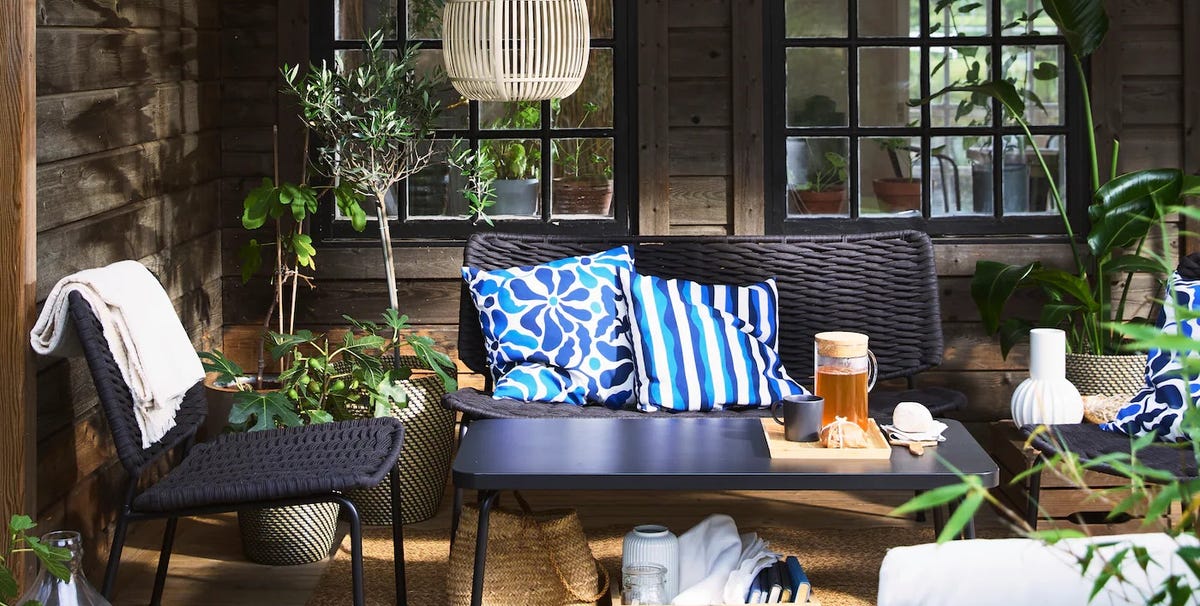
Outdoor pillows can refresh a space quickly. Choose two or three coordinating colors rather than every pattern in the store. A simple palette feels more polished and easier to update seasonally. For spring, soft greens, warm neutrals, sunny yellows, blues, terracotta, and floral accents all work beautifully.
Lightweight outdoor throws are helpful for chilly evenings. Store them in a weather-resistant basket or bench so they stay clean and ready. The goal is to create a space that feels welcoming, not staged like a furniture catalog where nobody is allowed to sit.
Refresh Small Details
Small changes can carry a lot of visual weight. Replace faded chair cushions. Paint old planters. Add a tray to the coffee table. Hang a wreath on the back door. Swap plastic pots for ceramic, terracotta, or fiberstone containers. Add hooks for garden tools or towels. Update house numbers near the patio entrance. These details are modest, but together they make the space feel cared for.
5. Layer Lighting and Ambiance for Longer Spring Evenings
Lighting is the secret ingredient that turns an outdoor space from “nice during the day” into “magical after sunset.” Good outdoor lighting improves safety, highlights plants and architecture, and encourages you to linger outside after dinner.
Use Layers of Light
Think in layers. Path lights help people move safely. String lights add sparkle overhead. Lanterns create cozy pools of light. Wall sconces brighten entrances. Table lamps or rechargeable outdoor lights make seating areas feel like real rooms.
Warm light usually feels more comfortable than bright white light outdoors. Lower, softer lighting creates atmosphere without making your patio feel like a parking lot. Shielded or downward-facing fixtures can also reduce glare and limit light spill into neighboring yards or wildlife habitat.
Make Safety Part of the Design
Lighting should be beautiful, but it should also prevent trips and stumbles. Illuminate stairs, uneven paths, deck edges, and changes in surface level. Use outdoor-rated fixtures and extension cords only where appropriate. Solar lights are simple to install, while low-voltage lighting can provide a more permanent and polished effect.
Add a Fire Feature Carefully
A fire pit, chiminea, or tabletop fire bowl can make spring evenings feel cozy. However, fire features require common sense and local-rule awareness. Place them outdoors on a level, nonflammable surface, away from anything that can burn. Keep children and pets supervised, avoid using flammable liquids, and always fully extinguish flames before leaving the area.
If open flames are not allowed where you live, you can still create ambiance with lanterns, LED candles, warm string lights, and a cozy blanket setup. Nobody has to know your “campfire mood” runs on batteries.
Bonus Ideas for Small Outdoor Spaces
If your outdoor space is small, focus on vertical design and multifunctional pieces. A tiny balcony can still feel like a spring retreat with the right choices.
- Use railing planters to save floor space.
- Choose folding chairs or stackable stools.
- Add a narrow bench with hidden storage.
- Hang plants from hooks or wall brackets.
- Use one bold outdoor rug to define the area.
- Install battery-powered lanterns or solar lights.
- Keep the color palette simple so the space feels calm.
The trick is to avoid clutter. A small outdoor space should not become a storage closet with a view. Choose fewer items with more purpose.
Outdoor Space Upgrade Checklist for Spring
Use this quick checklist to plan your spring refresh without getting overwhelmed:
- Clean hard surfaces, furniture, cushions, railings, and light fixtures.
- Inspect decks, patios, fences, stairs, and drainage areas for winter damage.
- Create one clear outdoor living zone for lounging, dining, or entertaining.
- Add containers with spring flowers, herbs, or native pollinator plants.
- Refresh mulch and edge garden beds for a clean, finished look.
- Add shade with an umbrella, shade sail, pergola, or canopy.
- Use outdoor textiles such as rugs, pillows, and throws for comfort.
- Layer warm lighting for safety and evening atmosphere.
- Store cushions, tools, and accessories in weather-smart storage.
- Keep the layout simple, usable, and easy to maintain.
Common Mistakes to Avoid
Outdoor upgrades are exciting, but a few mistakes can make the space harder to enjoy.
Buying Furniture Before Measuring
Measure your space before shopping. Outdoor furniture often looks smaller in a showroom or online photo than it does on your actual patio. Leave enough room for people to walk around chairs, open doors, and move comfortably.
Ignoring Drainage
Beautiful planters without drainage holes are basically tiny bathtubs for roots. Always make sure water can escape. The same goes for patio areas that collect water. Puddles can damage surfaces, attract mosquitoes, and make outdoor living less pleasant.
Choosing Style Over Durability
That gorgeous cushion set may look amazing for three weeks, but if it cannot handle sun, rain, or pollen, it will age faster than milk in July. Choose outdoor-rated materials whenever possible.
Using Too Many Tiny Decor Items
Small accessories can look cluttered outdoors. Larger planters, fewer pillows, and one strong focal point often look better than a collection of tiny decorations scattered everywhere.
Experience-Based Tips: What Actually Makes an Outdoor Space Feel Better
After refreshing outdoor spaces in real life, the most surprising lesson is that comfort beats decoration every single time. A patio can have beautiful plants, stylish lanterns, and a magazine-worthy rug, but if the chair is uncomfortable or the sun hits your face like a spotlight, no one will stay long. The best outdoor spaces are not just pretty. They are easy to use.
One of the most effective upgrades is creating a “ready-to-sit” setup. That means the chairs are already in place, the cushions are easy to access, the table is clean, and there is a spot for a drink. It sounds simple, but it changes behavior. When the outdoor area is ready, you are more likely to step outside for coffee, take a phone call in the fresh air, or sit with family after dinner. When everything has to be dragged out of storage first, the couch usually wins.
Another helpful experience is to observe the space before spending money. Spend a day noticing where the sun hits, where the wind blows, where water collects after rain, and where people naturally want to sit. In many yards, the “obvious” furniture placement is not the best one. Sometimes moving a table six feet closer to shade makes the entire space more usable. Sometimes the prettiest corner is too windy for dining but perfect for plants.
Containers are also more powerful than people expect. A few large pots often look better than many small ones. Large containers hold moisture longer, give roots more room, and create a stronger design statement. For spring, combining flowering annuals with herbs is especially satisfying. A pot with rosemary, thyme, pansies, and trailing flowers looks cheerful and smells wonderful. It also gives the cook in the house a reason to wander outside with scissors like a very peaceful garden wizard.
Lighting is another upgrade that changes the mood instantly. String lights are popular for a reason, but they work best when paired with lower lights such as lanterns or table lamps. Overhead lights alone can feel flat. Layered lighting feels warmer and more natural. Even a few solar path lights can make a walkway feel safer and more welcoming.
The biggest mistake I have seen is overdecorating too early. People buy pillows, signs, lanterns, plant stands, and decorative objects before solving the basics: seating, shade, cleaning, storage, and layout. Once those fundamentals are handled, decoration becomes easier and more effective. A clean patio with two comfortable chairs, a healthy planter, and warm lighting will always feel better than a cluttered patio full of random accessories.
Finally, the best outdoor spaces evolve. You do not need to finish everything in one weekend. Start with cleaning, then improve seating, then add plants, then lighting, then finishing touches. Spring gives you time to experiment. Move things around. Try new flowers. Add a table. Remove what you do not use. Your outdoor space should fit your life, not someone else’s Pinterest board. The real win is not creating a perfect backyard. It is creating a place where you want to breathe deeper, laugh longer, and maybe eat one more grilled hot dog than originally planned.
Conclusion
Upgrading your outdoor space for spring does not have to mean a full renovation. The most effective changes are often simple: clean thoroughly, create a clear layout, add comfortable seating, bring in plants, refresh textiles, improve shade, and layer warm lighting. These upgrades make your patio, porch, balcony, deck, or backyard more beautiful and more usable.
The key is to design for real life. Choose durable materials, easy-care plants, smart storage, and seating that invites people to relax. Whether you have a tiny balcony or a generous backyard, your outdoor space can become a spring retreat with just a few thoughtful updates. And yes, cleaning the patio first counts as design. Very responsible, very adult, very secretly satisfying.
Note: This article is for general editorial and home-improvement guidance. For best results, choose plants suited to your local climate, follow municipal fire rules, and use outdoor-rated products according to manufacturer instructions.