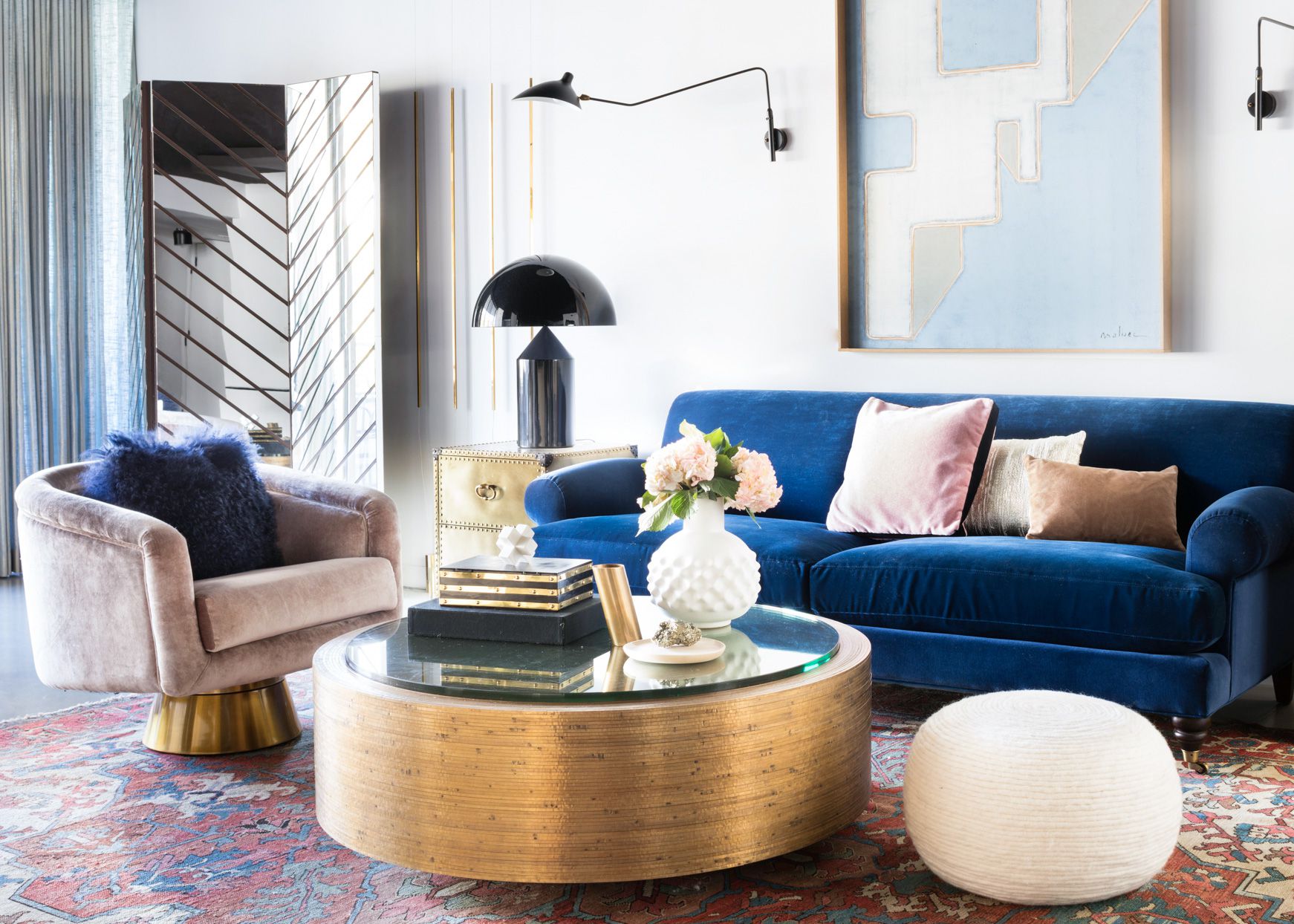
Your coffee table is the living room’s overachiever. It holds drinks, hides remotes, catches mail, starts conversations, and somehow still gets judged for “not looking finished.” A lot of pressure for four legs and a flat top. The good news is that great coffee table decor does not require a design degree, a celebrity budget, or a mysterious stylist named Luca who only communicates in mood boards. It just takes a little balance, a little personality, and a little restraint.
The best coffee table decor ideas work because they blend beauty with function. A living room should feel designed, not staged for a furniture catalog where no one has ever spilled sparkling water. Whether your space leans modern, farmhouse, coastal, traditional, boho, or somewhere between “clean girl” and “I collect weird vintage birds,” the right coffee table styling can make the whole room feel smarter, warmer, and more intentional.
How to Style a Coffee Table Without Making It Look Fussy
Before jumping into the ideas, remember one simple rule: decorate the table for the way you actually live. If you host game nights, leave room for snacks. If your kids treat the living room like a stunt arena, skip the spiky sculpture. If your dog believes every candle is a personal challenge, maybe go flameless. The most stylish coffee table decor is the kind that fits your life instead of fighting it.
A good arrangement usually includes a mix of height, texture, shape, and purpose. Think books, bowls, flowers, candles, boxes, trays, and one object that makes people say, “Oh, where did you get that?” Leave some breathing room too. A coffee table packed edge to edge can look less “designer chic” and more “airport gift shop after turbulence.”
35 Coffee Table Decor Ideas for Every Style of Living Room
For Modern and Minimalist Living Rooms
1. Start with a sculptural tray. A sleek tray instantly gives structure to a modern coffee table. It keeps smaller items from floating around aimlessly and makes the whole arrangement look intentional.
2. Stack two or three oversized art books. Coffee table books add height, color, and personality. Choose titles on architecture, fashion, travel, or photography so the stack says something about you besides “I once panic-bought decor online at 1:14 a.m.”
3. Add one low ceramic vase. A matte vase with a simple silhouette works beautifully in minimalist living room design. Use fresh branches, greenery, or leave it empty if the shape itself has enough presence.
4. Try a monochrome palette. Black, cream, taupe, gray, or soft brown keeps modern coffee table decor calm and polished. When everything feels cohesive, even a small grouping looks elevated.
5. Use one statement object instead of five tiny ones. A single marble knot, carved wood piece, or sculptural bowl creates visual weight without clutter. Tiny random objects often read as accidental, not curated.
6. Let negative space do some heavy lifting. Not every inch needs decor. A nearly bare coffee table can feel luxurious because it gives the eye room to rest and the room a cleaner, more expensive look.
7. Mix smooth and rough textures. Pair a glossy tray with a linen-covered book, a ribbed candle, or a rough stone object. Minimalist rooms often depend on texture more than color, so this trick adds depth without noise.
8. Choose a glass display box. This is perfect for modern spaces because it feels clean and practical. Store matches, coasters, or little keepsakes inside so your table looks neat while still earning its keep.
For Traditional and Transitional Living Rooms
9. Use a classic book-and-bloom combo. A small stack of books topped with flowers is timeless for a reason. It softens the table and gives traditional living room decor an easy sense of polish.
10. Bring in brass accents. A brass candleholder, bowl, or lidded box adds warmth and a slightly dressed-up finish. It is the jewelry of the coffee table, and yes, your table deserves accessories too.
11. Create a balanced trio. Try one stack of books, one floral element, and one decorative object. This classic formula feels symmetrical enough for formal rooms but still relaxed enough to live with.
12. Add a decorative box for remotes. Transitional rooms shine when function is disguised as beauty. A handsome box keeps practical items nearby without turning the tabletop into command central.
13. Use candlesticks for height. Taller candlesticks draw the eye upward and make a traditional room feel layered. Keep them to one side so they do not interrupt sightlines during conversation.
14. Include a shallow bowl. A wooden, stone, or metal bowl adds shape and can hold seasonal fruit, wrapped candy, coasters, or nothing at all. Empty bowls still count as decor. They are confident like that.
15. Echo colors already in the room. Pull tones from your pillows, drapes, rug, or artwork. When the tabletop repeats those colors, the entire living room design feels tied together.
For Rustic, Farmhouse, and Organic Living Rooms
16. Style with natural wood. A carved wood bowl, beaded garland, or weathered box adds warmth and texture. Rustic coffee table decor works best when it feels grounded and a little imperfect.
17. Use branches instead of formal flowers. Loose greenery, olive stems, eucalyptus, or foraged branches feel more organic and less precious. They bring life to the room without looking overly polished.
18. Layer in a woven element. A small woven tray or basket softens hard surfaces and makes farmhouse living room styling feel casual and inviting.
19. Display a vintage piece. Think an antique magnifying glass, old brass candleholder, stoneware crock, or thrifted box. One piece with age gives the table soul.
20. Add a linen or earthy-textured book stack. Coffee table books with muted covers work especially well in organic interiors. They create height without stealing the show from the natural materials around them.
21. Keep the arrangement low and relaxed. Rustic rooms often look best when the decor feels effortless. Short vases, bowls, and stacked books create that “I just casually have great taste” vibe.
22. Use a tray on an ottoman table. If your coffee table is upholstered, a tray creates a stable surface for decor and drinks. It also keeps the room from feeling too soft or shapeless.
23. Bring in seasonal texture. Pinecones in winter, shells in summer, mini pumpkins in fall, mossy accents in spring. Seasonal coffee table decor is easy to swap and makes the living room feel fresh without a full redesign.
For Coastal, Light, and Airy Living Rooms
24. Use a pale color story. White, sand, soft blue, driftwood brown, and sea-glass green are natural fits for coastal coffee table decor. The palette should feel breezy, not theme-park beach shack.
25. Style with coral-inspired or shell-inspired shapes. Go subtle here. A single textured object or bowl with coastal character feels elegant. A table covered in enough shells to summon a tide warning does not.
26. Try a clear vase with loose stems. Hydrangeas, grasses, or simple green branches look especially good in light-filled living rooms. The transparency keeps the arrangement airy.
27. Use light-reflective materials. Glass, pale ceramics, woven rattan, and soft metallics help bounce light around the space and keep the coffee table from looking heavy.
For Boho, Eclectic, and Collected Spaces
28. Mix old and new. Pair a modern candle with a vintage dish, or a glossy book with a handmade ceramic object. Eclectic living room decor comes alive when the pieces do not all feel bought in the same hour.
29. Add a conversation-starting object. A quirky figurine, travel souvenir, stone, or handmade piece gives the table personality. This is the decor equivalent of having a good story at a party.
30. Layer different shapes. Combine a rectangular book stack, round bowl, and irregular vase. Shape contrast makes a tabletop feel dynamic and curated.
31. Create a mini collection. Three similar objects, like bud vases or candleholders, can look chic when grouped together. The trick is to let them relate without becoming matchy-matchy.
32. Use color confidently. A bold lacquer box, bright flowers, or a richly colored book cover can wake up a neutral living room and make the coffee table decor feel expressive.
For Small Living Rooms, Family Rooms, and Real-Life Spaces
33. Choose a round arrangement for round tables. If your coffee table is round, style it with a central anchor and a few surrounding pieces so the layout follows the shape naturally. Round tables tend to feel softer and are especially helpful in tight layouts.
34. Keep one area guest-ready. Always leave open space for a mug, snack plate, or board game. The best family room coffee table ideas make the table usable, not just pretty from exactly one angle.
35. Hide clutter beautifully. Use lidded boxes, drawers, lower shelves, or baskets underneath for remotes, chargers, coasters, and kid stuff. A living room that works well usually looks better too, because chaos has somewhere else to go.
Common Coffee Table Styling Mistakes to Avoid
Even beautiful decor can go sideways when the scale is off. One common mistake is using several objects that are all the same size. That makes the arrangement feel flat and oddly fussy. Another is choosing items so tall they block conversation across the sofa. Your coffee table should support the room, not audition to be a privacy wall.
Too much paper clutter is another fast track to a messy look. Magazines are fine when stacked intentionally; random mail, shopping receipts, and a takeout menu from six Tuesdays ago are not part of a design plan. Also be careful with fragile or sharp decor if the room gets heavy traffic. Stylish is great, but stylish with a side of emergency ice pack is less ideal.
How to Match Coffee Table Decor to Your Living Room Design
If your living room is modern, keep the palette edited and the shapes strong. If the room is traditional, lean into classic pairings like books, florals, and brass. If it is coastal, use airy textures and relaxed color. If the room is eclectic, let the coffee table show off your point of view. The goal is not to make the table the only interesting thing in the room. The goal is to let it join the conversation.
Pay attention to material too. A heavy wood coffee table can handle lighter, brighter accessories. A glass table often benefits from fewer but more sculptural pieces. A stone or marble top already has visual movement, so the decor can be simpler. And if the table itself is a statement, let it shine. Not every star needs backup dancers.
Experience-Based Ideas: What Actually Works in Real Living Rooms
In real homes, coffee table decor succeeds when it survives daily life. The prettiest arrangement in the world means nothing if you have to dismantle it every time someone wants to set down a drink. One of the most useful lessons people learn over time is that coffee table styling is less about perfection and more about editing. At first, many homeowners throw everything they love onto the table: books, candles, flowers, beads, bowls, a tray, maybe a tiny bust of a Roman philosopher for drama. Then they step back and realize the table looks like it got lost on the way to a flea market. The fix is almost always subtraction.
A better approach is to start with one anchor piece, usually a tray or a stack of books, and build from there. In family rooms, this makes a huge difference because it creates a visual zone for the decor and leaves the rest of the surface open. In smaller apartments, this trick can make a coffee table feel bigger because it looks organized rather than crowded. People also tend to have better long-term success when they choose items with a job to do. A decorative box that hides remotes, a bowl that catches coasters, or a tray that holds candles and a drink instantly earns its spot.
Another real-life lesson is that the “right” coffee table decor changes with the season and with your routines. In summer, a simple vase of greenery and a breezy stack of travel books may feel just right. In the colder months, the same table may look better with a warmer candle, a darker wood object, and a few richer tones. During the holidays, people often overdo it and end up with a coffee table that looks festive but unusable. The smarter move is to swap just one or two elements. A bowl of ornaments or a few mini pumpkins says “seasonal charm.” Twelve glittering reindeer, three snow globes, and a plaid gnome army says “someone needs an intervention.”
People also discover that sentimental objects work best when they are mixed with more neutral pieces. A souvenir from a trip, a handmade bowl from a local market, or a shell picked up on vacation becomes more special when it is not competing with ten other memory-filled items. The coffee table is a great place to tell a small story, not your entire autobiography. That balance is what makes the decor feel personal and stylish at the same time.
And finally, the most memorable coffee tables are the ones that reflect the mood of the living room itself. A calm room needs calm decor. A lively room can handle bolder choices. When the coffee table feels like a natural extension of the space, everything clicks. It stops looking like random stuff placed on a surface and starts looking like part of the room’s personality. That is the sweet spot: a coffee table that looks great, works hard, and still has room for an actual cup of coffee. Revolutionary, really.
Final Thoughts
The best coffee table decor ideas are not about copying one exact formula. They are about reading the room, choosing a few thoughtful pieces, and styling with enough confidence to leave some space empty. Whether your living room design is sleek and modern, warm and rustic, breezy and coastal, or delightfully eclectic, the right coffee table decor can make the space feel more finished, more functional, and much more like home.
So stack the books, light the candle, add the bowl, edit the clutter, and let your coffee table finally live up to its potential. It has been waiting patiently beneath everyone’s drinks for years.