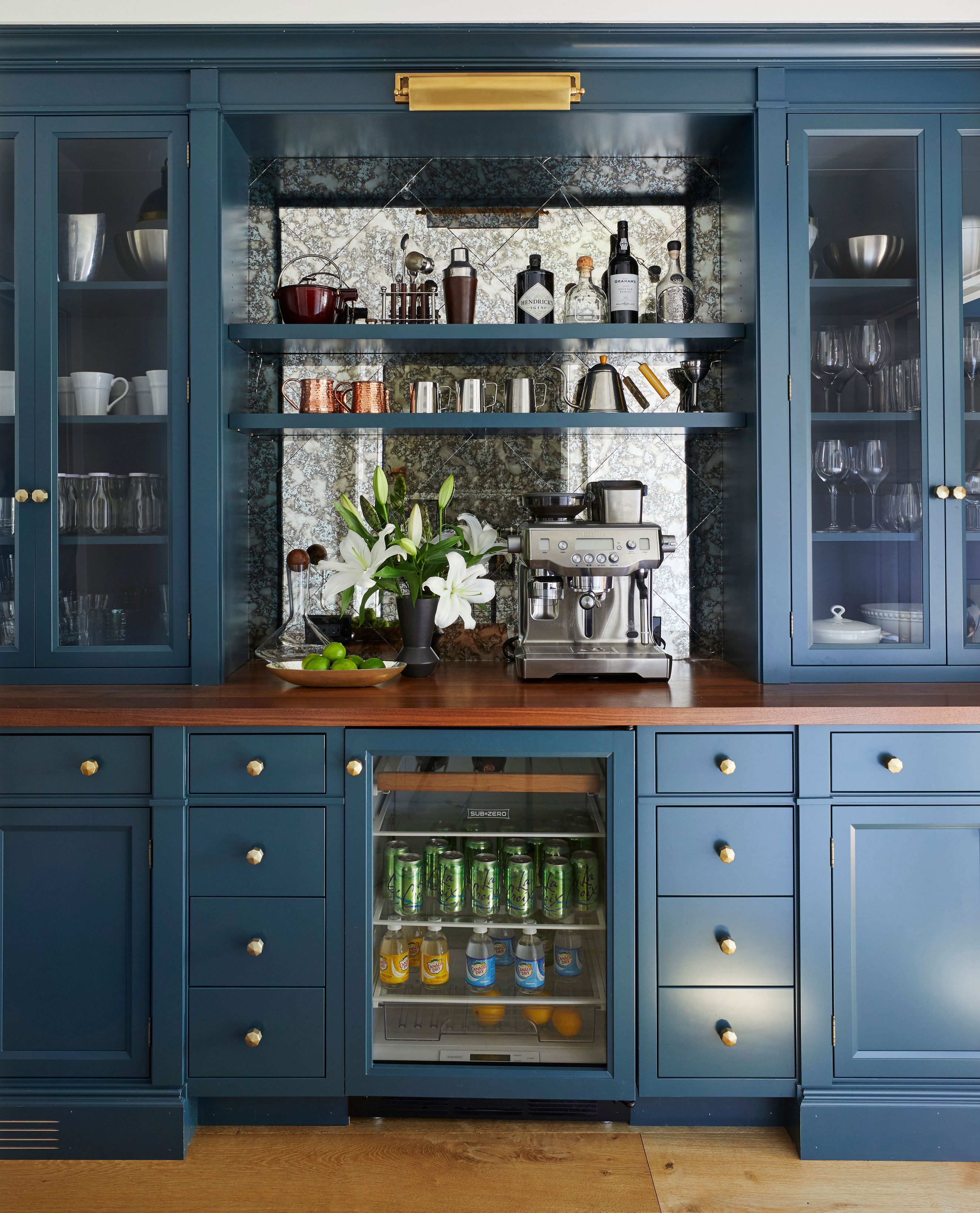
A butler pantry used to sound like something that came with a tuxedoed staff member and a silver tray. Today, thankfully, it is much more practicaland much less likely to judge your cereal choices. A modern butler pantry is a hardworking transition zone between the kitchen, dining room, mudroom, or entertaining area. It can store dishes, hide countertop clutter, hold small appliances, stage drinks, organize pantry staples, and give your main kitchen the serene, magazine-ready look it rarely has five minutes before dinner.
Whether you have a narrow hallway, a walk-in room, a cabinet wall, or a tiny nook that currently stores mystery cords and one lonely vase, these butler pantry ideas can help you create a clean, functional space that feels intentional. The best designs combine storage, workflow, lighting, surfaces, and style. In other words, this is not just a closet with shelves. This is the backstage crew of your kitchenand it deserves applause.
What Makes a Butler Pantry Functional?
A functional butler pantry should solve real problems. Do you need a coffee station? A place to plate food before guests arrive? A snack zone for kids? Hidden storage for bulky appliances? Extra counter space for baking? Before choosing finishes, decide what job the space must do every day. A beautiful pantry that does not match your habits is just a very expensive cabinet selfie.
The most successful butler pantry designs usually include three things: accessible storage, durable work surfaces, and a layout that supports movement. Open shelves help with visibility, closed cabinets reduce visual clutter, drawers make deep storage easier to use, and a small sink or beverage fridge can turn the pantry into a true secondary prep area. The trick is balancing pretty and practical so the room works even when life gets messywhich, inconveniently, is often.
31 Butler Pantry Ideas for a Clean, Functional Space
1. Add Floor-to-Ceiling Cabinets
Floor-to-ceiling cabinetry instantly makes a butler pantry feel custom and organized. Use upper cabinets for seasonal serving pieces, extra glassware, and holiday dishes, then reserve lower cabinets or drawers for heavier items like mixers, Dutch ovens, and bulk pantry staples. Taking storage all the way up also reduces dust-catching gaps, which is a tiny domestic victory worth celebrating.
2. Mix Open Shelving with Closed Storage
Open shelving is perfect for items you use often or want to display, such as white dishes, clear jars, cookbooks, or pretty serving bowls. Closed cabinets are better for less photogenic necessities: paper towels, backup cereal boxes, plastic containers, and that one novelty mug you cannot emotionally release. A mix keeps the space airy without turning it into visual chaos.
3. Create a Coffee and Tea Station
A butler pantry is an ideal spot for an espresso machine, coffee maker, electric kettle, mugs, filters, tea bags, sweeteners, and syrups. Add a small tray for daily essentials and a drawer divider for spoons, pods, or stirrers. This keeps the main kitchen counter clear and prevents morning traffic jams around the toaster, which is basically kitchen rush hour.
4. Install a Prep Sink
A small sink makes the pantry more than storage. It becomes a prep, cleanup, and entertaining station. Use it for rinsing fruit, filling pitchers, cleaning coffee parts, or washing delicate glasses away from the main sink. If plumbing is possible, a prep sink adds real function, especially for households that host often.
5. Add a Beverage Refrigerator
A compact beverage fridge keeps sparkling water, juice boxes, wine, mixers, or canned drinks out of the main refrigerator. This is especially useful during parties because guests can grab drinks without opening your main fridge and discovering last night’s leftovers living their best life.
6. Use Pull-Out Drawers for Deep Storage
Deep shelves are where cans go to retire. Pull-out drawers solve that problem by bringing the contents to you. Use them for snacks, baking supplies, small appliances, linens, or serving pieces. They are especially helpful in lower cabinets, where digging around can quickly become an accidental leg workout.
7. Choose Durable Countertops
Butler pantries often handle spills, appliances, hot dishes, and heavy serving trays, so choose a countertop that can take daily use. Quartz, sealed natural stone, butcher block, solid surface, and durable laminate can all work depending on your budget and style. A long, shallow counter is excellent for staging desserts, arranging appetizers, or hiding the mess before guests wander in.
8. Add Good Task Lighting
Lighting can make or break a pantry. Under-cabinet lights help you see the counter clearly, while ceiling lights brighten the entire space. If the pantry has glass-front cabinets, interior lighting can make dishes and glassware feel decorative. No one should have to identify flour in the dark like they are solving a kitchen escape room.
9. Use Glass-Front Cabinets for Display
Glass cabinet doors are a classic butler pantry feature. They allow you to display china, glassware, pitchers, or serving bowls while keeping dust away. For a softer look, try reeded glass, frosted glass, or antique mirror panels. These options add texture and hide minor disorderbecause even elegant people sometimes stack bowls aggressively.
10. Add Pocket Doors
Pocket doors are perfect for narrow butler pantries because they do not swing into the walkway. Use them to close off a coffee bar, appliance garage, or entire pantry when you want the space hidden. They are especially practical in pass-through layouts between the kitchen and dining room.
11. Try a Hidden Pantry Door
If you prefer a streamlined kitchen, disguise the pantry door with cabinet panels or matching wall treatment. A hidden door keeps the main kitchen looking clean while still giving you access to major storage. It is the home design version of “nothing to see here,” except there is absolutely something to seeand it is probably snacks.
12. Build an Appliance Garage
Small appliances are useful, but they can make counters look crowded fast. Dedicate one pantry section to the toaster, blender, stand mixer, food processor, or air fryer. Add outlets inside the cabinet or along the backsplash so appliances can be used in place. This keeps the main kitchen cleaner and saves you from hauling a mixer across the room like a medieval stone.
13. Label Pantry Staples
Labels are not just for people who alphabetize spices for funalthough we respect the commitment. Labels help everyone in the household know where things belong. Use simple labels for flour, sugar, rice, pasta, snacks, breakfast items, baking supplies, and refills. The goal is not perfection; it is making the pantry easy to reset after daily use.
14. Use Clear Containers
Clear containers make it easy to see when you are running low on staples. They also reduce the clutter of mismatched packaging. Choose airtight containers for dry goods such as flour, cereal, oats, coffee, rice, and snacks. For the cleanest look, use containers from the same family but in different sizes.
15. Add Turntables for Small Items
Turntables, also called lazy Susans, are excellent for oils, vinegars, sauces, spreads, spices, and coffee syrups. They make awkward corners and deep shelves more usable. One quick spin and the balsamic appears like magic. It is not actually magic, but in a busy kitchen, close enough.
16. Design a Baking Zone
If you bake often, create a dedicated baking station in the butler pantry. Store flour, sugar, baking powder, chocolate chips, measuring cups, mixing bowls, parchment paper, and decorating tools together. A counter near these supplies lets you prep dough or assemble desserts without covering the main kitchen in a charming snowfall of flour.
17. Include Vertical Dividers
Vertical dividers are ideal for trays, cutting boards, sheet pans, cooling racks, and platters. Instead of stacking everything horizontally and causing a tiny avalanche every time you need one pan, store them upright. This simple cabinet feature makes large, flat items much easier to grab.
18. Use Baskets for Loose Items
Baskets are helpful for grouping snacks, napkins, linens, lunch supplies, produce, or party items. They add texture while keeping shelves tidy. Choose woven baskets for a warm look, wire baskets for visibility, or plastic bins for easy cleaning. The best basket is the one you will actually use, not the one that only looks perfect on day one.
19. Install a Wine Rack
If your butler pantry supports entertaining, add a wine rack or bottle storage area. Built-in cubbies, X-shaped racks, slim shelves, or a wine fridge can all work. Keep bottle storage away from direct heat and sunlight, and pair it with glassware storage so the serving zone feels complete.
20. Create a Mini Bar
A butler pantry can double as a home bar with a small sink, beverage fridge, glassware, cocktail tools, mixers, and storage for bottles. Add a backsplash with personality, such as tile, stone, mirror, or washable wallpaper. Even if your “cocktail” is sparkling water with lime, the setup still feels special.
21. Use Washable Wallpaper
Because a butler pantry is often smaller than the main kitchen, it is a great place to try a bold pattern. Washable wallpaper can add color, charm, and personality without overwhelming the entire home. Try botanical prints, stripes, geometrics, or subtle textured designs. Small spaces can handle big style surprisingly well.
22. Add a Statement Backsplash
A backsplash protects the wall and gives the pantry a finished look. Ceramic tile, zellige-style tile, marble, quartz slab, beadboard, stainless steel, or glass can all work. For a clean and functional pantry, choose materials that wipe down easily, especially behind coffee makers, sinks, or appliances.
23. Paint Cabinets a Bold Color
The butler pantry is a safe place to experiment with color. Deep blue, forest green, warm gray, black, mushroom, terracotta, and creamy white are all popular choices. A rich cabinet color can make the pantry feel like a jewel box, especially when paired with brass, bronze, or polished nickel hardware.
24. Match the Kitchen for a Seamless Look
If you prefer calm continuity, use the same cabinet style, countertop material, or hardware as the main kitchen. This makes the pantry feel like an intentional extension rather than an afterthought. Matching finishes are especially effective when the pantry is visible from the kitchen or dining area.
25. Add a Rolling Ladder
For tall pantries, a rolling ladder makes upper shelves more accessible and gives the space a classic library feel. Use high shelves for items you do not need daily, such as holiday platters, special glassware, cake stands, or oversized serving bowls. The ladder adds function and a little drama, which every pantry secretly deserves.
26. Choose Shallow Shelves
Shallow shelves are often more useful than very deep ones because items do not disappear into the back. For food storage, shallower shelves keep everything visible. For dishes and serving pieces, they reduce stacking and make access easier. Clean design often starts with being able to find the crackers before they become archaeological artifacts.
27. Include a Message or Planning Area
Add a small bulletin board, chalkboard, whiteboard, or pinboard for grocery lists, meal plans, recipes, school reminders, or party menus. A butler pantry often becomes the command center for food and entertaining, so give notes a real place to live instead of letting them migrate across the refrigerator.
28. Use Drawers for Linens and Entertaining Supplies
Napkins, table runners, placemats, candles, chargers, and extra utensils are perfect candidates for pantry drawers. Store entertaining items near serving dishes and glassware so setting the table becomes quicker. Drawer organizers prevent small pieces from turning into a festive junk drawer.
29. Add Easy-Clean Flooring
Butler pantries handle crumbs, spills, and foot traffic, so flooring should be practical. Tile, luxury vinyl plank, sealed wood, and durable stone are common options. If the pantry is a galley-style pass-through, consider a washable runner to soften the space and add color without creating a cleaning crisis.
30. Make Room for Recycling and Trash
A pull-out trash and recycling cabinet keeps prep mess contained. This is useful if the pantry includes a coffee station, snack area, baking zone, or wet bar. Add a small bin for packaging, bottle caps, wrappers, or used coffee pods so clutter does not collect on the counter.
31. Plan for Everyday Reset
The cleanest butler pantry is not the one that looks perfect once; it is the one that is easy to reset every day. Store items near where they are used, leave breathing room on shelves, avoid overbuying containers before measuring, and create simple categories. A functional pantry should help your home run smoothly, not become another room demanding emotional maintenance.
Smart Layout Tips for a Butler Pantry
Layout matters more than square footage. A small, well-planned butler pantry can outperform a larger one that lacks clear zones. If your pantry is narrow, consider a galley layout with cabinets or shelves on one or both sides. Keep walkway space comfortable and avoid cabinet doors that block traffic. Pocket doors, sliding doors, or open entries can help tight spaces function better.
If the pantry sits between the kitchen and dining room, design it as a staging area. Store plates, platters, napkins, serving utensils, and glassware close together. If it sits near the kitchen but away from the dining room, it may work better as a prep pantry with appliances, food storage, and cleanup supplies. If it is near a mudroom or garage entry, consider adding bulk storage for groceries and household extras.
For larger homes, a butler pantry can become a back kitchen with a sink, dishwasher, wall oven, refrigerator drawers, or extra freezer space. For smaller homes, it might simply be a beautifully organized cabinet wall. Either version can be effective as long as the design supports real routines.
Cleaning and Organization Tips That Actually Last
Start by removing everything from the pantry and sorting items into categories: food, drinks, dishes, appliances, serving pieces, linens, paper goods, and duplicates. Toss expired food, donate items you never use, and relocate things that do not belong. Then measure shelves and drawers before buying bins or containers. Buying organizers without measuring is how innocent people end up with twelve baskets that fit nowhere.
Keep everyday items at eye level or waist height. Store heavy appliances below the counter. Put occasional-use items higher up. Group similar supplies together and leave extra space for restocking. A pantry packed to the edges may look efficient, but it usually becomes frustrating. Empty space is not wasted space; it is what allows the system to breathe.
Design Experiences and Practical Lessons from Real Butler Pantry Use
One of the biggest lessons about butler pantries is that the most beautiful design is not always the most usable one. A homeowner may dream of open shelves filled with matching jars, but if the family buys different snacks every week, rigid container systems can become more work than help. In real life, flexibility matters. Adjustable shelves, mixed storage, and a few open bins often perform better than a pantry designed only for photos.
Another common experience is underestimating outlets. A butler pantry that stores appliances should have enough electrical access to support them. Coffee makers, grinders, toasters, mixers, blenders, and chargers all need power. Without outlets, the pantry becomes a storage zone instead of a working zone. When planning a remodel, it is wise to think through where each appliance will sit and whether it needs to be used in place.
Lighting is another detail people often appreciate only after living with the space. A pantry with dark corners becomes frustrating, especially when storing dry goods or glassware. Under-shelf lighting, ceiling lights, or motion-sensor lights can make the room feel cleaner and more useful. Good lighting also makes labels easier to read, which matters when flour and powdered sugar are sitting in similar containers and one mistake can turn cookies into a comedy sketch.
Homeowners who entertain often discover that a butler pantry changes the flow of gatherings. Instead of piling dirty dishes in the main kitchen or crowding the island with drinks, the pantry can absorb the behind-the-scenes mess. Drinks can be served from the beverage fridge, desserts can be staged on the counter, and extra plates can stay close to the dining area. Guests enjoy a cleaner kitchen, and the host gets a practical workspace that does not feel like performing dinner service on stage.
Families with children often find that a snack drawer or low shelf makes daily routines smoother. When kid-friendly snacks, lunch containers, water bottles, and napkins are stored at reachable height, mornings become less frantic. The key is setting boundaries. One drawer for snacks is helpful; six random snack zones scattered through the pantry is how crackers end up emotionally in charge of the household.
Another useful lesson is that closed storage is your friend. Open shelves look lovely, but not everything deserves a spotlight. Bulk paper goods, mismatched containers, backup cereal, pet supplies, and extra cleaning products are better behind doors. A clean butler pantry usually has a combination of display and concealment. Show the pretty dishes; hide the giant bag of pretzels unless it has achieved family heirloom status.
Finally, the best butler pantry is easy to maintain. A complicated system may look impressive, but if it takes too long to reset, it will not survive a busy week. Keep categories simple, use labels where they help, and schedule a quick monthly check for expired food and clutter. A butler pantry should make life easier, not become a tiny room where good intentions go to develop dust.
Conclusion
A clean, functional butler pantry is one of the smartest upgrades for a modern kitchen. It creates extra storage, supports entertaining, hides clutter, and gives everyday routines a smoother rhythm. Whether you choose floor-to-ceiling cabinets, a coffee bar, a prep sink, pull-out drawers, bold wallpaper, or a full back-kitchen setup, the goal is the same: make the space work beautifully for the way you actually live.
Start with function, then layer in style. Decide what the pantry needs to hold, how often each item is used, and which tasks the room should support. From there, choose durable materials, strong lighting, practical storage, and a few design details that make the space feel special. The result is a butler pantry that looks clean, works hard, and quietly saves your main kitchen from looking like it just hosted a cooking competition.