People love saying, “Nobody ever really changes.” It is a wonderfully convenient belief, especially when you would rather not update the mental file you created for someone in ninth grade. Then the former party animal becomes a devoted parent, the exhausted executive opens a pottery studio, or the quiet librarian discovers that she is alarmingly good at improv comedy.
Major life turnarounds are fascinating because they disrupt the stories social circles tell about their members. Friends and relatives become accustomed to assigning roles: the successful one, the unreliable one, the health fanatic, the troublemaker, the shy one, or the person who will definitely arrive 40 minutes late carrying an iced coffee. When someone abandons that role, everybody else must adjust.
Research on adult development suggests that personality and behavior can continue changing throughout adulthood rather than becoming permanently fixed after youth. Major transitions can also reshape identity, relationships, routines, and social networks. However, transformation is not automatically positive. A life can turn toward recovery and meaning, or toward isolation, addiction, and loss.
Why a Dramatic Life Change Shocks Everyone Else
A true life 180 rarely involves nothing more than a new haircut and an inspirational mug. It changes the person’s habits, priorities, relationships, identity, and often the structure of an entire household.
Social circles may initially resist the change because predictability feels safe. A friend’s sobriety can unsettle drinking buddies. A career change can confuse relatives who equate salary with success. A newly confident person may stop accepting disrespect, which can be highly inconvenient for anyone who benefited from the old arrangement.
Support matters, particularly during stressful transitions and recovery. Health agencies describe recovery as an ongoing, person-directed process rather than one dramatic moment. Treatment, peer communities, practical routines, and supportive relationships can all help someone sustain change.
30 Remarkable Life Turnarounds That Nobody Saw Coming
-
1. The Future Doctor Who Chose Woodworking
A top student appeared destined for medical school but was quietly miserable. He left the academic track, moved to a smaller community, and built a custom-furniture business. His relatives feared disaster; he found satisfaction, craftsmanship, and a life that finally felt like his own.
-
2. The Heavy Drinker Who Became a Present Parent
One person described drinking a large amount every night while drifting through life. Falling in love and becoming a parent helped push him toward sobriety. Years later, the people who once expected chaos now saw reliability, patience, and packed school lunches.
-
3. From Bedridden Patient to Teacher and Runner
A neurological condition left one individual dependent on caregivers and unable to move normally. Despite a discouraging prognosis, the person gradually rebuilt strength, trained as a teacher, and completed a 5K. The transformation was measured in years, not a cinematic three-minute montage.
-
4. The Directionless Young Man Who Finally Flipped the Switch
A bright but unreliable young adult lied, stole, and failed out of college. Eventually, he returned to school, studied electrical engineering, graduated near the top of his class, and established a stable career. His family had prepared for another crisis and received a graduation announcement instead.
-
5. The Bodybuilder Who Became a Pastry Chef
A gym teacher once lived on strict workouts, protein shakes, and bodybuilding culture. Then he enrolled in culinary school and opened a bakery. He gained weight, lost interest in counting every calorie, and reportedly became much happier. Apparently, éclairs can bench-press the human spirit.
-
6. The Troubled Teen Who Built an Adult Life
One account described a sick, angry, deeply depressed teenager who believed there was no future worth reaching. With time and support, that teenager survived, matured, and built a far healthier adult identity. Sometimes the most dramatic turnaround is simply living long enough to meet your future self.
-
7. The Estranged Father Who Earned His Family Back
After addiction damaged his relationships, a father went years without contact with his daughter. Sustained sobriety slowly reopened the door. He eventually walked her down the aisle and became an active community member, proving that trust may returnbut it travels by stairs, not elevator.
-
8. The Felon Who Quietly Rebuilt Everything
A woman cycling through addiction and incarceration had lost custody of her children and much of her family’s confidence. Her turnaround arrived without a grand announcement. She pursued recovery, became dependable, and gradually resumed responsibility. The lack of fireworks made the achievement no less enormous.
-
9. The Foster Kid Who Went From Prison to Prosperity
After losing both parents, entering foster care, and later serving time in prison, one person seemed trapped in a brutal pattern. Following release, he rebuilt his life and eventually achieved financial success. His story did not erase the past, but it refused to let the past write the ending.
-
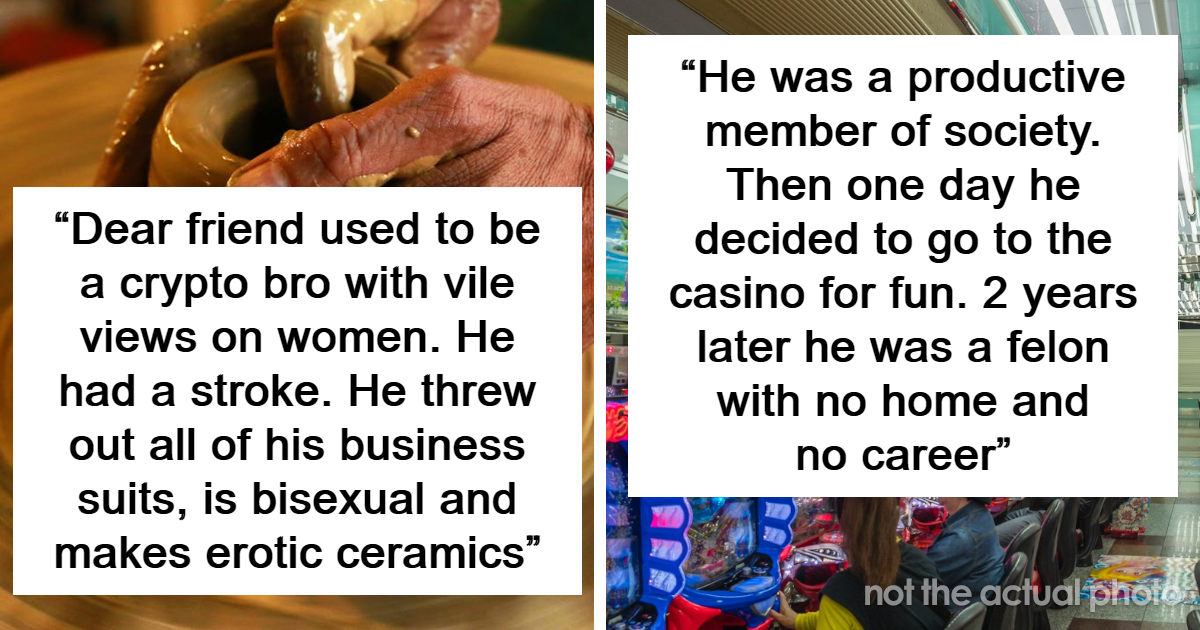
10. The Banker Who Threw Away His Suits
A wealthy, status-driven finance professional experienced a serious accident and neurological injury. His values changed dramatically afterward. He abandoned corporate fashion, embraced art, adopted several dogs, and began living more openly. His former colleagues probably required several group chats to process the Hawaiian shirts.
-
11. The Lottery Winner Who Used the Money to Get Sober
A man struggling with substance use repeatedly bought scratch-off tickets despite friends explaining the terrible odds. In an unlikely twist, he won a substantial prize. Instead of burning through it, he became sober, bought reliable transportation, secured steadier work, and created a quieter life.
-
12. The Parent Who Abandoned a Harmful Conspiracy Belief
One family member challenged her mother’s denial of a well-documented historical atrocity by encouraging museum visits, conversations, and meaningful contact with people from the affected community. Exposure and education changed her views. The reversal showed that beliefs can shift when defensiveness gives way to human connection.
-
13. The Librarian Who Discovered Improv
A reserved librarian spent most evenings alone until she joined a local improv group as an experiment. She discovered unexpected comic talent and a new community. Nobody was more surprised than the acquaintances who had previously known her as the person whispering, “The library closes in five minutes.”
-
14. The Incarcerated Alcoholic Who Became a Teacher
One individual moved from alcohol dependence, jail, and dead-end employment to college, graduate school, and a career teaching middle school. The same person once treated as a warning became a guide for young people facing their own uncertain beginnings.
-
15. The Unhappy Spouse Who Finally Left
A person trapped in an abusive marriage coped by drinking heavily and avoiding home. Leaving the relationship became the first step toward reducing alcohol use, rebuilding self-respect, and creating a safer life. The social shock came partly from how successfully the person had hidden the suffering.
-
16. The Divorced Couple Who Both Improved
Not every major breakup needs a villain twirling a mustache. One person described changing careers, personal style, and daily priorities after divorce, while the former spouse also moved forward successfully. Their marriage ended because their futures no longer matched, not because either person was irredeemable.
-
17. The Conservative Student Who Reconsidered Her Prejudices
A student raised in a highly conservative religious environment once expressed openly hostile views toward LGBTQ+ people. Later experiences led her to reject that prejudice while retaining a more compassionate spiritual identity. Friends who expected certainty instead witnessed humility and growth.
-
18. The Friend Who Chose Rehabilitation Over Jail
After overdoses, theft, and an arrest, a young man was offered structured rehabilitation as an alternative to incarceration. He committed to the program and repaired a friendship he had nearly destroyed. Recovery involved accountability, not pretending the missing money had wandered away independently.
-
19. The Grieving Cousin Who Became a Marathon Runner
After a relative’s death related to serious health complications, an overweight family member changed his habits and lost a large amount of weight. He eventually began running marathons. His transformation was physical, but the deeper shift involved grief, fear, discipline, and a new understanding of time.
-
20. The Disconnected Woman Who Built a Nonprofit
A woman who once felt rootless began distributing necessities to unhoused people. A small volunteer effort grew into a donation-supported nonprofit and community network. Her personal search for purpose ultimately improved other lives, creating the rare social shockwave that came with boxes of clean socks.
-
21. The Recluse Who Rebuilt Life One Routine at a Time
One person combined sobriety meetings, therapy, exercise, meditation, better sleep, nutrition, and written daily plans. No single habit performed magic. Together, repeated consistently, they turned an isolated and unreliable lifestyle into something stable and productive.
-
22. The Executive Who Became a Meditation Teacher
A high-powered corporate professional spent years chasing promotions and tolerating burnout. Health problems forced a pause. After reevaluating his values, he trained to teach meditation. Former colleagues were stunned that someone who once worshiped his calendar now asked people to sit quietly and notice their breathing.
-
23. The Bullied Young Man Who Taught Himself Programming
A socially isolated man with little education, no career, and low confidence began studying programming independently. He later found well-paid work, improved his health, and developed a relationship. Learning a marketable skill changed more than his bank account; it changed how othersand heimagined his future.
-
24. The Public Fall Followed by a Career Comeback
Some public figures have moved from addiction, arrests, or professional ruin to recovery and major career success. These stories attract attention because the failures were visible. However, the comeback usually rests on years of less glamorous work: treatment, accountability, rebuilding trust, and showing up consistently.
-
25. The Young Adult Who Came Out and Rewrote His Politics
A formerly rigid, highly conservative student later came out as bisexual, attended Pride events, and adopted political positions his teenage self would have rejected. The shift startled old classmates but reflected a broader process of identity exploration and lived experience.
-
26. The High Achiever Whose Gambling Destroyed Everything
Not all 180s point upward. One previously stable professional began gambling recreationally and gradually lost his home, career, relationships, and freedom. His story reminded friends that dramatic decline can also emerge through small decisions repeated until they are no longer small.
-
27. The Athlete Whose Pain Treatment Became an Addiction
A talented athlete suffered an injury, received prescription pain medication, developed an addiction, and experienced escalating legal and personal consequences. The speed of the decline stunned everyone who had expected trophies and scholarships rather than courtrooms.
-
28. The Professional Whose Accident Changed Her Trajectory
Another account described a married healthcare professional whose life unraveled after an accident, pain treatment, and subsequent substance use. Her decline affected children, employment, and relationships, illustrating why addiction should be treated as a medical and social crisis rather than a character defect.
-
29. The College Dropout Who Regretted the Fantasy
One young adult left college believing a freer, more exciting future would appear automatically. Several years later, limited opportunities produced regret. The experience still created a turnaround of sorts: unrealistic confidence became clearer judgment and a willingness to rebuild.
-
30. The Person Everyone Had Permanently Written Off
Across many turnaround stories, the common theme is not extraordinary talent. It is the moment someone stopped treating an old identity as a life sentence. The unreliable friend became steady. The quiet observer became a performer. The “lost cause” became the person others called for help.
What These Life-Changing Stories Have in Common
Change Usually Looks Sudden Only From the Outside
Friends may hear, “She quit her job,” and assume the decision appeared over breakfast. In reality, the person may have spent three years waking at 3 a.m. wondering why a respectable career felt like wearing somebody else’s shoes. The announcement is sudden; the internal debate rarely is.
A New Identity Needs Repeated Evidence
Saying “I am sober,” “I am a runner,” or “I am returning to school” can initiate a new story, but repetition makes it believable. Each meeting attended, assignment completed, boundary maintained, or morning walk taken becomes evidence. Over time, the new behavior stops looking temporary and begins looking like character.
Social Circles Can Help or Quietly Sabotage Progress
Some friends celebrate change. Others attempt to restore the old dynamic by offering drinks, mocking new ambitions, or repeatedly mentioning past mistakes. Major transitions can produce relationship churn because not every connection adapts to a person’s new responsibilities or identity.
Growth After Adversity Is Possible but Not Guaranteed
Serious illness, trauma, grief, and failure can prompt new priorities, stronger relationships, or a deeper appreciation of life. Psychologists sometimes describe these changes as post-traumatic growth. That does not mean suffering is secretly wonderful or that everyone must emerge stronger. Pain is not a motivational seminar with terrible catering.
Experiences and Lessons From Watching a Life 180 Up Close
Watching someone change dramatically can be emotionally confusing. You may feel proud, skeptical, relieved, jealous, or all four before lunch. When a person has broken promises repeatedly, it is reasonable not to trust the newest declaration immediately. Support does not require pretending the past never happened. A healthier response is to recognize progress while allowing trust to rebuild through observable behavior progress while allowing trust to rebuild through observable behavior. “I am glad you are doing better” and “I still need time” can exist in the same conversation.
Another common experience is realizing how strongly a group depended on the old version of someone. The friend who always organized rides home after parties may be praised for becoming sober, yet the group may resent losing its unofficial caretaker. A relative who begins setting boundaries may be labeled selfish by family members who previously had unlimited access to that person’s time. Sometimes resistance is not proof that the transformation is wrong. It is proof that the old arrangement was useful to other people.
Career turnarounds create a different kind of shock. Families often understand promotions more easily than reinvention. Becoming a highly paid attorney fits a familiar success narrative; leaving law to restore furniture can sound like a malfunction. People making such changes frequently discover that loved ones are not only worried about income. They are also grieving an identity they helped construct. The best support combines practical questions with curiosity: What will the transition cost? What is the plan? What makes this new direction meaningful?
Recovery stories teach perhaps the most important lesson: improvement is rarely a straight line. A person may make enormous progress and still experience depression, cravings, fear, or damaged relationships. That does not cancel the progress. Long-term recovery can involve treatment, medication, peer support, new routines, changed environments, and occasional setbacks. The helpful question is not whether someone has become flawless. It is whether the overall direction has changed and whether the person returns to healthy action after difficult days.
Finally, major life changes invite everyone nearby to reconsider their own assumptions. The former dropout earning a degree challenges the belief that education has an expiration date. The shy librarian performing comedy challenges the idea that personality is a permanent costume. The person leaving an abusive home challenges the family rule that appearances matter more than safety. A life 180 sends shockwaves because it makes one uncomfortable fact impossible to ignore: the future is less settled than we pretend.
The practical lesson is not to blow up your entire life on Tuesday because an inspirational article made Tuesday feel significant. Meaningful change works better when it has a direction, realistic steps, useful support, and room for adjustment. Start with the phone call, application, appointment, class, meeting, or honest conversation that makes tomorrow slightly different from yesterday. Huge turnarounds are often built from actions too ordinary to impress anybody at first.