Note: This article treats “winning” as keeping your credibility, protecting the relationship, and reaching a smarter outcomenot manipulating someone, dodging responsibility, or turning a conversation into a verbal wrestling match with office supplies flying in the background.
Introduction: So, You’re Wrong. Congratulations, You’re Human.
Everyone eventually walks into an argument with great confidence, dramatic hand gestures, and exactly zero correct facts. Maybe you insisted the meeting started at 3:00 when the calendar clearly said 2:30. Maybe you claimed the restaurant was “definitely open on Mondays” while standing in front of a dark building. Maybe you defended a point online so fiercely that your keyboard started filing for emotional damages.
The uncomfortable truth is simple: being wrong does not automatically mean you have to lose everything. You may lose the factual point, yes. The sky will not crack open. But you can still “win” in a better, more adult way. You can win trust. You can win respect. You can win a useful solution. You can win the rare and beautiful prize of not making the situation worse.
The main keyword here is how to win an argument when you are wrong, but the real lesson is deeper: the best way to win a wrong argument is to stop trying to prove a false point and start managing the conversation with honesty, calm, and strategy. That does not mean surrendering your dignity. It means upgrading your definition of victory.
Below are three practical, ethical, and surprisingly powerful ways to handle an argument when you know you are wrong.
Way 1: Admit the Specific Part You Got Wrong Before the Other Person Builds a Parade Around It
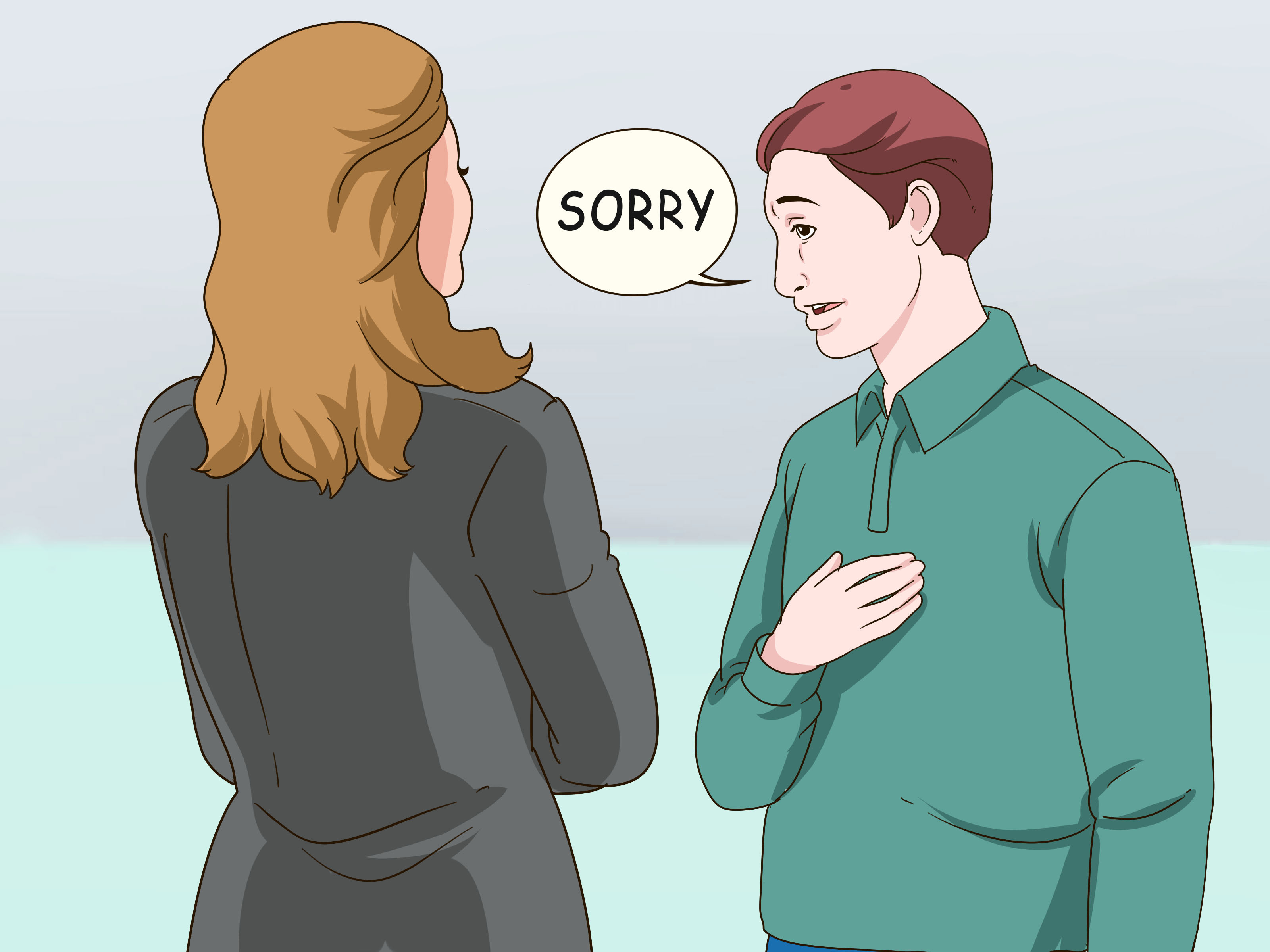
The first way to win an argument when you know you are wrong is to admit the exact part you got wrongquickly, clearly, and without turning your apology into a fog machine.
People often avoid admitting mistakes because they fear it makes them look weak. In reality, a precise admission can make you look more trustworthy. What damages credibility is not being wrong. What damages credibility is being wrong while tap-dancing around the obvious like a politician trapped in a group text.
Why a Specific Admission Works
When you say, “You’re right, I misread that number,” you do three important things. First, you remove the other person’s need to keep proving you wrong. Second, you show that you care about accuracy more than ego. Third, you reset the emotional temperature of the conversation.
A vague admission sounds like this: “Fine, maybe I wasn’t totally perfect.” That is not an apology. That is a tiny ego wearing a raincoat.
A useful admission sounds like this: “You’re right about the deadline. I thought it was Friday, but the email says Wednesday. I should have checked before arguing.”
Notice the difference. The second version is clean. It does not blame Mercury retrograde, your inbox, your childhood, or “the vibe.” It simply identifies the mistake and moves forward.
Use the 3-Part Credibility Reset
When you are wrong, try this structure:
- Name the mistake: “I got the date wrong.”
- Accept responsibility: “I should have checked before pushing back.”
- Redirect toward the solution: “Let’s figure out what needs to happen now.”
This approach helps you win because it makes you look grounded, fair, and solution-oriented. You are no longer the person clinging to a sinking argument while yelling, “This boat is fine!” You become the person mature enough to grab a bucket.
Example: The Workplace Mix-Up
Imagine you argue with a coworker because you believe a report does not need client data. Halfway through the conversation, you realize the client specifically asked for that data in the project brief. You could keep fighting and hope no one notices. Spoiler: they will notice.
A better response is: “I see it nowthe client did request that section. I missed that line in the brief. You were right to flag it. Let’s add the data and make sure the summary still reads cleanly.”
You technically lost the factual argument. But you won something more valuable: you preserved your professional reputation. You also made it easier for the other person to work with you in the future.
Way 2: Shift from “Who Is Right?” to “What Are We Actually Trying to Solve?”
The second way to win an argument when you are wrong is to reframe the conversation. Many arguments become ugly because people defend positions instead of solving problems. A position is what someone demands. An interest is the reason behind the demand.
For example, “We must leave at 7:00” is a position. “I do not want to miss the flight” is an interest. “This design has to be blue” is a position. “The brand needs to feel calm and trustworthy” is an interest. “You never listen to me” is a position wrapped in emotional dynamite. “I want to feel heard before decisions are made” is the interest hiding inside it.
Why Reframing Helps When You Are Wrong
If your original point collapses, you do not have to collapse with it. You can move the conversation toward the shared goal. This is not a sneaky escape hatch. It is a responsible way to stop wasting energy on a dead claim.
Try saying:
“I was wrong about that detail. Let me step back. What I’m really concerned about is making sure we don’t repeat this mistake.”
That sentence does not pretend you were right. It does something smarter: it separates the error from the bigger concern. The person you are arguing with may still disagree, but now the conversation has room to become useful.
Ask Better Questions
When you are wrong, questions can save the conversationif they are sincere. Do not ask questions like a courtroom villain. Ask questions to understand the other person’s reasoning and uncover the actual problem.
Helpful questions include:
- “What part of this matters most to you?”
- “What outcome are you hoping for?”
- “What would feel fair from your side?”
- “What information should we use to decide?”
- “How can we fix this without creating another problem?”
These questions move the argument away from ego and toward collaboration. They also help you avoid the common trap of defending a weak point simply because you have already said it loudly.
Example: The Family Budget Argument
Suppose you argue with your partner because you think a monthly subscription costs $10. It actually costs $49.99, because apparently the app includes premium features, cloud syncing, and the ability to silently drain your checking account like a raccoon in a pantry.
Instead of doubling down, you could say: “You’re right, I had the cost wrong. My bigger concern is that we both feel comfortable with our monthly spending. Can we review the subscriptions together and decide what we actually use?”
That is a win. Not because you magically became right about the price, but because you turned a losing point into a productive conversation.
Way 3: Use Humility, Humor, and a Repair Plan to Leave the Argument Better Than You Found It
The third way to win an argument when you know you are wrong is to repair the moment. Arguments are not only about facts. They are also about tone, pride, trust, and whether anyone feels respected. Once you know you are wrong, the question becomes: how do you exit gracefully?
The answer is a mix of humility, light humor, and a clear plan. Used carefully, this combination can turn tension into relief. Used badly, it can sound dismissive. The key is to make yourself the target of the humor, not the other person.
Use Humor Without Dodging Responsibility
Good humor sounds like this: “Well, my confidence was clearly running faster than my facts.”
Bad humor sounds like this: “Wow, calm down, I was only wrong by a lot.”
The first line lowers tension while accepting responsibility. The second line mocks the other person’s reaction. That is not conflict resolution; that is throwing a banana peel on the floor and acting shocked when someone slips.
Humor works best after you have acknowledged the mistake. If you joke too early, it may look like you are avoiding accountability. First own the error. Then, if the relationship allows it, add a little warmth.
Offer a Repair Plan
A repair plan shows that your admission is not just decorative. It tells the other person what you will do next. This is especially important in arguments where your mistake caused inconvenience, confusion, or hurt feelings.
Useful repair statements include:
- “I’ll send a corrected version by noon.”
- “I’ll check the source before I repeat that next time.”
- “I’ll update the group so nobody works from the wrong information.”
- “I understand why that frustrated you. I’ll handle it differently next time.”
This is where you win the long game. Anyone can say, “My bad.” Fewer people follow it with a meaningful correction. Be one of those people. They are rarer than printers that work on the first try.
Example: The Online Debate
Let’s say you post a comment claiming a public policy began in 2018. Someone replies with evidence showing it began earlier. Your first instinct may be to defend yourself because the internet rewards confidence, speed, and occasionally the emotional maturity of a wet sock.
A stronger response is: “Good catch. I had the date wrong, and I appreciate the correction. My broader point was about how the policy changed later, but I should have been more accurate.”
This response does three things. It admits the error. It thanks the other person. It clarifies the valid part of your point, if there is one. That is how to win an argument when you are wrong without becoming the villain in someone’s screenshot.
What Not to Do When You Know You Are Wrong
Now that we have covered the three ethical ways to win, let’s talk about the traps. These are the classic moves people use when they are wrong and panicking. They may feel satisfying for five seconds, but they usually damage trust.
Do Not Move the Goalposts
Moving the goalposts means changing the standard of proof after the other person has already met it. You said, “Show me the email.” They show you the email. Then you say, “Well, emails can be misleading.” At that point, the problem is not the argument. The problem is that you are trying to win hide-and-seek with reality.
Do Not Attack the Person
If the facts are against you, it can be tempting to attack the other person’s tone, personality, or motives. Avoid this. Saying “You always have to be right” does not make your original claim stronger. It just adds a second argument to the first one, like putting a raccoon on a Roomba and calling it transportation.
Do Not Over-Apologize Dramatically
There is also such a thing as apologizing in a way that makes the other person comfort you. “I guess I’m just the worst person alive” is not accountability. It is emotional paperwork for someone else. Keep your apology direct, calm, and proportional.
Why Being Wrong Feels So Threatening
Being wrong can feel personal because people often connect their opinions with their identity. When someone challenges your point, your brain may treat it like a challenge to your intelligence, values, or status. That is why small arguments can suddenly feel enormous.
This is also why intellectual humility matters. Intellectual humility does not mean thinking you are foolish. It means recognizing that your knowledge has limits. You can be smart and still miss a fact. You can be experienced and still misread a situation. You can be confident and still need a correction.
The goal is not to become a person with no opinions. The goal is to become a person whose opinions can survive contact with evidence, feedback, and other human beings who also have calendars, receipts, screenshots, and functioning memories.
How to Win Without Being Right: A Practical Script
Here is a simple script you can adapt when you realize you are wrong:
“You’re right about that point. I missed it, and I should have checked before arguing. What I was trying to solve was [shared concern]. Let’s focus on the best next step. I’ll [specific repair action].”
For example:
“You’re right about the budget number. I missed the updated file, and I should have checked before arguing. What I was trying to solve was keeping the project under control. Let’s focus on the best next step. I’ll revise the estimate and send it to the team today.”
This script works because it includes responsibility, context, and action. It does not beg for forgiveness or demand applause. It simply moves the conversation forward like an emotionally stable adult, which is still legal in most states.
Experience Section: What Real Life Teaches About Winning Arguments When You Are Wrong
In real life, the arguments we remember are rarely the ones where someone had the cleanest statistics. We remember how people made us feel. We remember whether they listened. We remember whether they cared more about truth or victory. That is why the experience of being wrong in an argument can become a surprisingly useful teacher.
One common experience happens at work. A person defends an idea in a meeting, only to discover that someone else has better information. The room goes quiet. Everyone can sense the awkwardness hovering like a tiny storm cloud above the conference table. In that moment, the wrong person has two choices. They can protect their ego, or they can protect the project. The people who choose the project usually earn more respect. They say, “I missed that. Thanks for catching it.” Then they help fix the issue. That kind of response tells the team, “I am safe to collaborate with.”
Another experience happens in relationships. Couples, friends, siblings, and roommates argue over details that are often less important than the emotional need underneath. The argument may begin with dishes, timing, money, or who forgot to buy coffee. But underneath, one person may feel ignored, burdened, or unappreciated. If you are wrong about the surface detail, you can still win by hearing the deeper concern. Saying, “You’re right, I did say I would handle that. I understand why you’re annoyed,” can soften a conflict faster than a ten-minute defense speech about how busy you were.
There is also the experience of being wrong online, which is basically a public gymnasium for the ego. Online arguments invite people to perform certainty. Nobody wants to look foolish in front of strangers, even though most strangers are scrolling while eating cereal. But the internet also gives people a chance to model better behavior. A calm correction, a thank-you, and a revised statement can stand out in a sea of shouting. You may not convince everyone, but you protect your credibility.
Personal growth often begins the moment you stop asking, “How do I escape being wrong?” and start asking, “What can I learn from this?” That shift changes everything. It turns embarrassment into information. It turns conflict into practice. It turns a failed argument into a better habit.
The most useful experience is discovering that admitting you are wrong rarely destroys you. In fact, it often makes the conversation lighter. People relax when they no longer have to drag you toward reality by the ankles. They become more willing to share, compromise, and forgive. Your honesty gives them permission to be honest too.
Of course, not everyone will respond generously. Some people may gloat. Some may replay your mistake like a greatest-hits album. But even then, you still win internally. You acted with integrity. You corrected the record. You did not trade your character for a temporary point.
Over time, the real victory is becoming the kind of person who can be wrong without becoming defensive, rude, or slippery. That is a rare skill. It helps in friendships, marriages, workplaces, classrooms, and comment sections where caps lock goes to retire. Winning an argument when you know you are wrong is not about defeating the other person. It is about defeating the worse version of yourselfthe one that would rather look right than do right.
Conclusion: The Best Way to Win Is to Stop Fighting Reality
So, how do you win an argument when you know you are wrong? You win by admitting the specific mistake. You win by shifting from ego to the real problem. You win by using humility, humor, and a repair plan to leave the conversation better than you found it.
That kind of victory may not come with dramatic music or a slow-motion walk away from an exploding debate. But it gives you something better: credibility, trust, and the ability to keep learning without turning every correction into a courtroom drama.
Being wrong is not the end of your intelligence. It is just evidence that you are a human being operating without a full-time fact-checking department. Handle it well, and you may discover that the strongest person in the argument is not the one who refuses to bend. It is the one who can say, “I was wrongnow let’s make this better.”