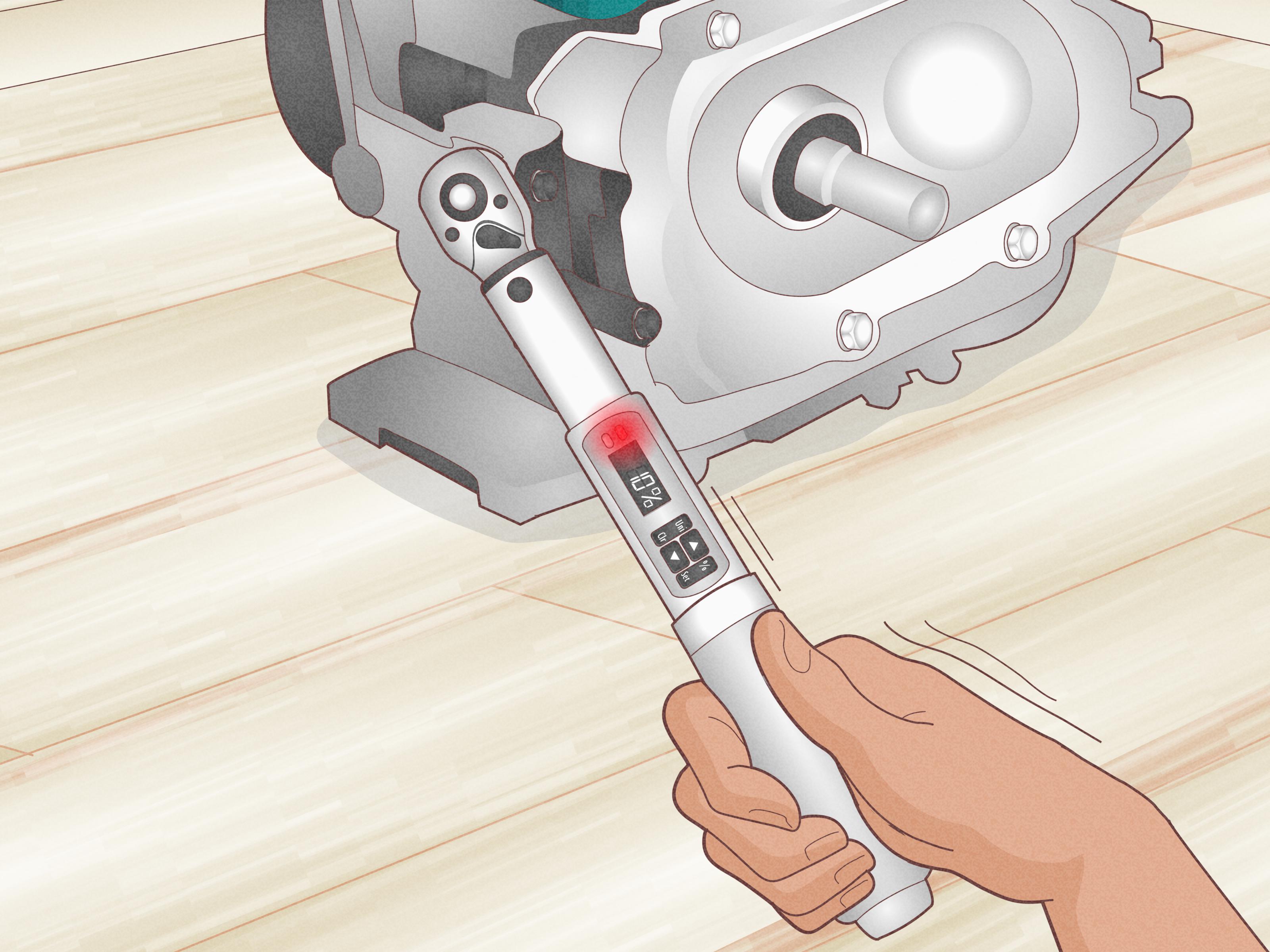
Reading a torque wrench is one of those garage skills that seems intimidating right up until the moment it finally clicks. Sometimes literally. At first glance, the markings look like they were designed by a very serious engineer who had never met a beginner. But once you understand the system, a torque wrench becomes less mysterious and more like a very picky friend who insists your bolts be tightened exactly right.
That fussiness is a good thing. A fastener that is too loose can vibrate free, leak, or let parts shift under load. A fastener that is too tight can stretch, strip, warp, or snap. That is why learning how to read a torque wrench matters whether you are tightening lug nuts, brake components, engine parts, bicycle hardware, or any fastener with a specific torque spec. In this guide, we will walk through the three most common ways to read a torque wrench: the beam style, the click style, and the digital style. We will also cover examples, common mistakes, and practical lessons that make the whole process a lot less frustrating.
Why Reading a Torque Wrench Correctly Matters
A torque wrench is not just another wrench with a confidence problem. It is a measuring tool. Its job is to help you apply a precise amount of twisting force, usually shown in foot-pounds, inch-pounds, or newton-meters. The exact number matters because manufacturers design bolts, gaskets, wheels, and mechanical parts around proper clamping force.
That means “good and tight” is not a torque spec. Neither is “one more grunt ought to do it.” Those methods belong in the Hall of Regret, right next to stripped threads and warped valve covers. If you can read the tool properly, you can tighten with much more confidence and a lot less drama.
Way 1: How to Read a Beam Torque Wrench
A beam torque wrench is the simplest style to understand mechanically. It usually has a long beam, a handle, and a pointer that moves across a scale as force is applied. Think of it as the analog version of torque measurement. No batteries. No click. No beep. Just you, a pointer, and your ability to pay attention.
What You Are Looking At
Most beam torque wrenches have a fixed pointer and a printed scale marked in units such as ft-lb or Nm. As you pull on the handle, the beam flexes slightly and the scale moves under the pointer. Your job is to watch where the pointer lands and stop when it reaches the target torque value.
This style is great for people who like mechanical simplicity and low maintenance. It is also affordable. The downside is that it requires a clear line of sight. If your body position is awkward, your lighting is bad, or your face is somewhere between the radiator support and your life choices, the reading can be harder to see accurately.
How to Read It Step by Step
- Find the required torque spec for the fastener.
- Check which scale you need to use, such as ft-lb, in-lb, or Nm.
- Place the socket fully on the fastener.
- Pull smoothly on the handle while watching the pointer.
- Stop the moment the pointer reaches the desired value.
For example, if the target is 30 ft-lb, keep your eyes on the ft-lb scale and apply force gradually until the pointer reaches 30. Do not yank. Do not overshoot and then declare it “close enough.” On a beam wrench, accuracy depends heavily on a steady pull and a clear reading.
Common Beam Wrench Mistakes
The biggest mistake is reading from an angle. If your eyes are not square to the scale, you can misread the pointer. Another mistake is pulling too fast. Since there is no mechanical click to stop you, speed can send you past the target before your brain catches up. Beam torque wrench reading rewards patience. It is less action movie, more careful science fair.
Way 2: How to Read a Click Torque Wrench
The click torque wrench, also called a micrometer torque wrench in many cases, is the most common style for automotive and home garage use. This is the one many people mean when they say “torque wrench.” It has a main scale on the shaft and a rotating handle with smaller increments. When you reach the set torque, the wrench gives an audible or tactile click.
Understand the Major and Minor Scale
This wrench is “read” in two stages. First, you set the major value on the main scale. Then you add the minor value using the rotating handle. Together, those numbers equal your final setting.
Here is the easy version:
- The main scale gives you the large number, such as 110 ft-lb.
- The rotating handle adds smaller increments, such as 3 ft-lb.
- Your final setting becomes 113 ft-lb.
That is why new users sometimes get confused. They expect one obvious number, but the wrench is really asking you to combine two readings. Once you get that, the system feels much less cryptic.
How to Set and Read a Click Torque Wrench
- Unlock the handle or collar at the end of the wrench.
- Turn the handle until the main scale lines up with the closest base number below your target.
- Keep turning slowly until the minor scale lines up with the extra amount you need.
- Lock the handle.
- Place the socket on the fastener and pull smoothly.
- Stop immediately when you hear or feel the click.
Let’s say your torque spec is 76 ft-lb. You might line up the main scale at 75, then rotate the handle until the minor mark adds 1 more ft-lb. Now the wrench is set to 76. As you tighten, the wrench will click at the target torque. That click is your cue to stop. Not click-and-keep-going. Not click-and-see-if-there-is-a bonus round. Just stop.
What the Click Actually Means
The click indicates the set torque has been reached. It is not permission to lean into the wrench for another half turn because “it felt too easy.” In fact, one of the fastest ways to over-torque a fastener is to ignore the click or pull too aggressively and blow right past it.
Use slow, even pressure. Keep your hand on the handle, not choked up near the head. If the wrench has a marked grip area, use it. That is where the tool is meant to be loaded accurately.
When You Are Done
Many click-style micrometer torque wrenches should be returned to their minimum setting before storage, not left cranked up. This helps protect the internal spring and preserve calibration. Check your wrench manual because some split-beam designs are different and can be stored without winding down. In other words, do not assume all torque wrenches have the same bedtime routine.
Way 3: How to Read a Digital Torque Wrench
If beam wrenches are old-school and click wrenches are the garage classic, digital torque wrenches are the smart version that arrived with flashing lights and strong opinions. These tools display the torque value on a screen and often alert you with beeps, lights, and sometimes vibration as you approach and reach the target.
What Makes Digital Wrenches Easier to Read
A digital torque wrench removes a lot of visual guesswork. Instead of reading a tiny pointer or combining two scales, you enter the target value directly. Many models also let you switch units, such as ft-lb, in-lb, and Nm. Some include tolerance alerts, memory presets, peak mode, and angle mode for torque-plus-angle procedures.
That last feature is especially handy for modern automotive work. Some fasteners are tightened first to a torque value and then turned an additional number of degrees. A digital wrench can make that process much easier than trying to eyeball it and hope your math teacher would be proud.
How to Read and Use a Digital Torque Wrench
- Power on the tool.
- Select the correct unit of measurement.
- Enter the target torque value.
- Set any alert tolerance if your wrench allows it.
- Attach the socket and begin tightening with smooth force.
- Watch the display and stop when the wrench signals that the target has been reached.
For instance, if a spec calls for 170 Nm, you set the wrench to 170 Nm, confirm the display, and begin tightening. Many digital models give an early warning as you approach the value, then a stronger beep, light, or vibration when you hit the target. That makes the reading process more intuitive, especially in cramped spaces where a traditional scale is hard to see.
Digital Wrench Tips
Digital tools are convenient, but they are still precision tools. Keep fresh batteries in them. Follow the startup and calibration instructions in the manual. Do not treat them like a hammer with a screen. If the wrench warns of overload or displays an error, take it seriously. Electronics are helpful, but they are not magical. They still depend on proper handling and steady technique.
Quick Torque Wrench Reading Cheat Sheet
- Beam torque wrench: Watch the pointer move across the scale and stop at the target value.
- Click torque wrench: Set the main and minor scale, tighten smoothly, and stop at the click.
- Digital torque wrench: Program the target value, tighten steadily, and stop at the beep, light, or vibration.
Common Mistakes That Throw Off Your Reading
Using the Wrong Units
Foot-pounds and inch-pounds are not interchangeable. Neither are ft-lb and Nm. Mixing them up can turn a careful repair into an expensive lesson. Always double-check the unit before setting the wrench.
Pulling Too Fast
Torque should be applied slowly and steadily. Fast pulls make it easier to overshoot, especially on click and beam wrenches.
Using a Torque Wrench as a Breaker Bar
Do not use it to loosen stubborn fasteners. That can damage the mechanism or throw off calibration. Use a breaker bar for the ugly work and save the torque wrench for precise tightening.
Holding the Tool in the Wrong Place
Apply force at the handle, where the tool is designed to be used. Choking up on the wrench changes leverage and can affect accuracy.
Ignoring Thread Condition
Dirty, rusted, greasy, or lubricated threads can change how torque translates into clamping force. Always follow the specification for the actual condition required.
Real-World Experiences and Lessons From the Garage
The funny thing about learning to read a torque wrench is that most people do not truly learn it from the manual. They learn it from one small victory, one mild mistake, and one moment of panic that ends with, “Okay, I should probably do this correctly.” That is usually when the torque wrench graduates from random toolbox resident to trusted teammate.
A classic example is the first wheel job. Someone changes brakes, rotates tires, or swaps wheels and thinks tightening lug nuts is easy. Then they discover that “tight enough” is a surprisingly unreliable unit of measurement. The beam wrench feels awkward at first because you have to watch the pointer. The click wrench feels better until you realize the click is subtle at low settings. The digital wrench feels luxurious until you forget the battery is dead. Every type teaches a different lesson.
Many beginners also discover that body position matters almost as much as the tool. If you are twisted sideways, reaching over a fender, and trying to read tiny markings while your elbow argues with your shoulder, accuracy gets worse fast. A lot of torque wrench success comes from slowing down, improving your angle, and getting enough light to actually see what you are doing. Revolutionary concept, I know.
Another common experience happens on smaller fasteners. People often use a big 1/2-inch wrench for everything because it looks serious and feels powerful. Then they work on a delicate cover, small engine part, bicycle component, or lightweight aluminum piece and realize that too much wrench can be too much confidence. A smaller inch-pound torque wrench suddenly makes sense. That is usually the moment people understand that choosing the right tool size is part of reading the tool correctly.
Then there is the storage lesson. Plenty of DIYers learn this one after leaving a click wrench set high on a shelf for months. Later, the wrench feels off, the click seems weird, or calibration becomes a concern. From then on, they start returning spring-style tools to minimum setting after use and storing them carefully. It is not glamorous, but neither is buying the same tool twice because the first one was treated like a crowbar with ambitions.
Experienced mechanics also tend to develop a rhythm. They seat the fastener first, tighten in stages when needed, follow the correct pattern on parts like wheels or covers, and then make the final pass with steady pressure. Reading the torque wrench becomes less about staring at numbers and more about combining the numbers with good habits. That is when the tool really starts to make sense.
In the end, reading a torque wrench is one of those skills that feels technical but becomes practical very quickly. Once you understand how your specific wrench communicates the target, the fear disappears. What replaces it is something much better: repeatable results, fewer stripped fasteners, and the quiet satisfaction of knowing the job was done right. That may not sound thrilling, but in the garage, confidence is a beautiful thing.
Conclusion
If you know how to read a torque wrench, you are already ahead of a surprising number of people armed with enthusiasm and entirely too much leverage. The key is matching your reading method to the wrench style. Beam wrenches require your eyes. Click wrenches require proper setup and discipline at the click. Digital wrenches require correct programming and a little respect for electronics. Master those three approaches, and you will tighten fasteners more accurately, protect parts better, and work with far more confidence.
So the next time a repair manual gives you a torque spec, do not panic and do not guess. Grab the right wrench, read it correctly, and let precision win for once. Your bolts, threads, wheels, and future self will all be grateful.