A broken arm is not exactly the party invitation anyone hopes to receive. One minute you are living your normal life, and the next you are learning how many daily tasks secretly require two cooperative arms. Opening a snack bag? Olympic event. Putting on a hoodie? Advanced engineering. Scratching that one mysterious itch under the cast? Absolutely not, tiny warrior.
Still, having a broken arm does not mean your fun life has to be placed in storage next to old board games and mystery cables. With smart planning, a little creativity, and a healthy respect for your doctor’s instructions, you can turn recovery time into something surprisingly enjoyable. Maybe not “theme park with unlimited churros” enjoyable, but definitely better than staring at the ceiling and counting dust particles.
This guide shares three practical, safe, and genuinely fun ways to enjoy life with a broken arm. It is written for anyone stuck in a cast, sling, splint, or the awkward “please do not bump into me” phase of healing. The goal is simple: protect your arm, keep your mood up, and find activities that make the recovery period feel less like a punishment and more like a weird little life chapter with better snacks.
Important note: This article offers general lifestyle ideas, not medical advice. Always follow your healthcare provider’s instructions about movement, sports, bathing, school, work, sleep, and pain management. If your fingers become numb, pale, blue, unusually swollen, very painful, or cold, or if the cast feels too tight, contact a medical professional right away.
Way 1: Build a Recovery Zone That Actually Feels Fun
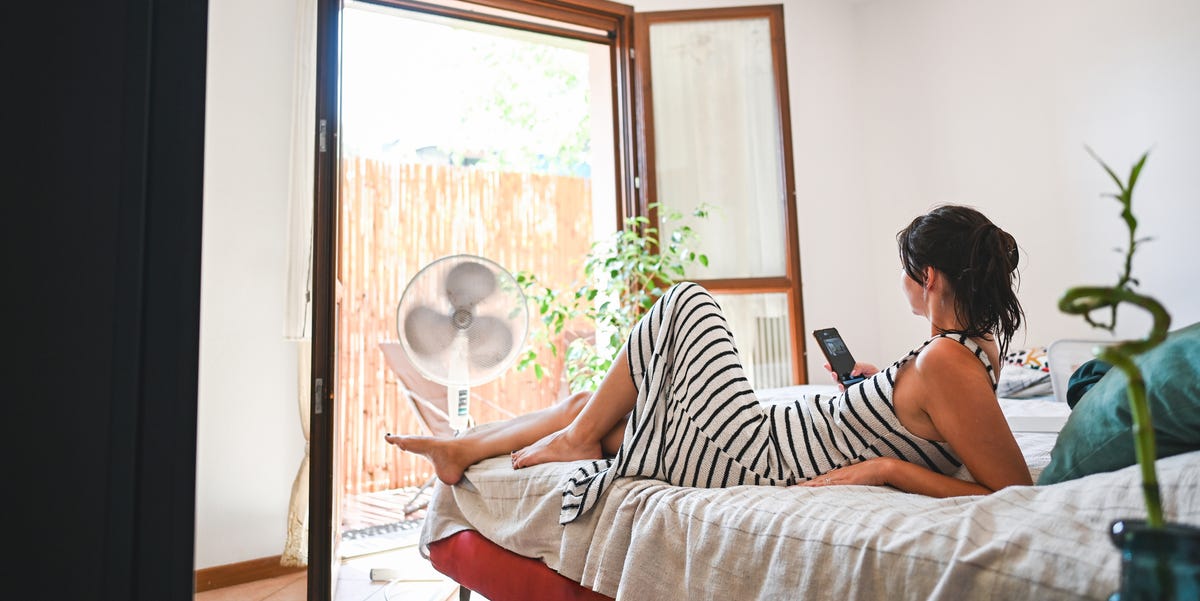
The first way to have fun with a broken arm is to create a comfortable “recovery zone.” This is not the same as lying sadly on the couch under a blanket like a burrito with homework. A good recovery zone is part command center, part entertainment lounge, and part snack-friendly headquarters. The idea is to reduce frustration so you can spend more energy enjoying yourself and less energy trying to reach the TV remote with your toes.
Start With Comfort and Safety
During the early days after a fracture, swelling and soreness can make everything feel more annoying than usual. Your doctor may tell you to keep the injured arm raised on pillows, especially in the first couple of days. That does not sound glamorous, but it can become much easier when your setup is comfortable. Use pillows to support your arm, keep essentials nearby, and arrange your space so you do not need to constantly get up.
Your recovery zone should include water, easy snacks, tissues, a phone charger, headphones, books, a tablet, a notebook, and anything else you use often. Keep items on the side of your uninjured hand. If you are right-handed and broke your right arm, congratulations: your left hand has just been promoted to Assistant Manager of Your Life. Place everything where that hand can actually reach it.
Cast care is also part of keeping fun possible. A wet, cracked, smelly, or damaged cast can quickly turn a normal recovery day into a medical phone call. Unless your provider specifically says your cast is waterproof, keep it dry. For showers or baths, follow the covering instructions you were given. Do not swim with a regular cast, do not shove objects inside to scratch, and do not decorate it with anything that damages the material. Your cast is not a piñata, a science project, or a storage container for pencils.
Create an Entertainment Menu
One underrated trick is to make a recovery entertainment menu. When you are bored, uncomfortable, or tired, it can be weirdly hard to think of something fun to do. A short list saves you from scrolling endlessly while whispering, “I have nothing to watch,” even though the internet contains more videos than one human could consume in twelve lifetimes.
Your menu might include comfort movies, funny shows, podcasts, audiobooks, relaxing games, video calls, simple crafts, music playlists, and low-effort hobbies. Choose activities based on your energy level. On a high-energy day, you might play a strategy game, learn a few words in a new language, or organize digital photos. On a low-energy day, you might listen to an audiobook, rewatch a favorite comedy, or ask a friend to come over and bring snacks like the heroic supporting character they were born to be.
Audio-based entertainment is especially useful with a broken arm. Audiobooks, podcasts, comedy specials, storytelling channels, and language apps let you enjoy yourself without holding a book or typing much. You can also make themed playlists: “Cast Life Anthems,” “One-Handed Productivity,” or “Songs for Dramatically Looking Out the Window.” Recovery deserves a soundtrack.
Invite People Into Your Recovery Zone
A broken arm can feel isolating, especially if you temporarily cannot join your usual sports, hobbies, or weekend plans. Instead of waiting for people to guess that you are bored, invite them into your recovery world. Host a movie night, a board game session, a low-key pizza hangout, or a “decorate my cast but keep it classy” gathering.
Keep the plan simple. You do not need to be the perfect host. You are literally healing a bone. That is already a full-time job with poor lighting. Ask friends to bring food, choose the movie, or help set up the room. If you are in school, you can create a rotating visitor plan where different friends stop by after class or check in by video chat. If you are an adult, schedule short visits instead of exhausting all-day events.
Fun grows when the environment is easy. The more your recovery zone supports your comfort, cast care, and social life, the less your broken arm controls the mood of the day.
Way 2: Try One-Handed Hobbies and Brainy Challenges
The second way to have fun with a broken arm is to explore activities that do not require both arms working at full superhero capacity. This is your chance to discover the surprisingly large world of one-handed hobbies. Some may be familiar. Others may make you realize you have been ignoring perfectly good entertainment because both arms were too busy pretending to be essential.
Play Games That Do Not Punish You for Having a Cast
Video games can be a great option, depending on the type of game and which arm is injured. Fast-action games may be difficult or frustrating, but slower games can be perfect. Try turn-based strategy games, puzzle games, story-driven games, word games, card games, trivia apps, farming games, or simulation games. The best choices let you pause, think, and use simple controls.
Board games and card games can also work well if friends or family help with shuffling, dealing, moving pieces, or holding cards. Cooperative games are especially nice because everyone works together instead of staring at your cast like it is a competitive disadvantage. If holding cards is hard, use a card holder, a music stand, or a row of cards laid flat on a table.
Puzzle books, crosswords, Sudoku, logic puzzles, chess apps, and trivia quizzes are excellent for days when your body wants rest but your brain wants action. You can make it more fun by setting tiny challenges: solve one puzzle before lunch, beat yesterday’s score, or learn three new facts that are strange enough to bother your family with at dinner.
Learn a Skill That Fits Your Temporary Superpower
A broken arm gives you a strange opportunity: your routine is interrupted, so your brain may be open to new habits. Choose a skill that is cast-friendly and does not risk reinjury. You could learn basic photo editing, start a digital journal, practice voice typing, take an online drawing class using your uninjured hand, learn beginner music theory, study a new language, or explore simple coding lessons.
Voice tools can be surprisingly helpful. Dictation lets you write journal entries, school notes, stories, emails, or blog ideas without typing every word. It may feel awkward at first because speaking punctuation out loud makes everyone sound like a robot in a legal drama. But once you get used to it, voice typing can turn recovery time into a creative season.
If your dominant arm is broken, try using your non-dominant hand for small creative activities. Do not expect masterpiece-level results. That is part of the charm. Draw tiny cartoons, make silly doodles, write your name in the most dramatic way possible, or create a “left-hand art gallery.” The results may look like a squirrel stole a pen, but they will be funny, memorable, and weirdly satisfying.
Make Your Cast Part of the Story
If you have a cast, it can become a creative object instead of just a medical accessory. Ask friends to sign it, draw small designs, write jokes, or add encouraging messages. Use safe materials and avoid anything your doctor told you not to use. Do not cut, drill, paint heavily, soak, or alter the cast in a way that weakens it. Think “portable yearbook,” not “home renovation project.”
You can also document your recovery in a funny way. Take weekly photos of your cast, record short voice notes about what you learned, or keep a “one-handed wins” list. Examples might include: opened a yogurt without launching it, tied shoes with assistance and dignity mostly intact, survived a shower without soaking the cast, learned to eat cereal left-handed, or discovered that hoodies are secretly complicated machines.
These small challenges create progress. They also help you remember that a broken arm is temporary. You are not just waiting for healing; you are collecting stories.
Way 3: Stay Social, Active, and Cheerfully Careful
The third way to have fun with a broken arm is to stay connected and gently active while avoiding activities that could damage the cast or hurt the arm again. This is where balance matters. You do not want to become a couch fossil, but you also should not treat your cast like armor in a medieval tournament.
Choose Safe Social Activities
Social fun does not have to involve running, climbing, jumping, tackling, skating, swimming, or catching objects launched by overconfident friends. Try activities where the risk of bumping your arm is low. Good options include movie nights, coffee or smoothie trips, easy walks if your doctor allows, art nights, trivia nights, casual board games, photo walks, picnics, study sessions, or cooking hangouts where someone else handles chopping and hot pans.
If you are going out, think ahead. Crowded places can be tricky because people may bump into your arm without noticing. Wear your sling as instructed, keep your arm protected, and choose seating where people will not squeeze past you every two minutes. At restaurants, sit with your injured arm away from traffic. At school or work, let people know you may need extra space. You do not need a dramatic announcement. A simple “Please watch my arm” works better than silently hoping everyone develops cast radar.
Move the Parts You Are Allowed to Move
Your doctor may recommend moving your fingers, wrist, or shoulder in specific ways, depending on the injury and type of cast or splint. Follow those instructions carefully. Gentle approved movement can help reduce stiffness and keep you from feeling like your entire upper body has entered retirement.
Do not start exercises just because an internet article said movement is good. The exact safe movement depends on your fracture, treatment, and healing stage. Some people need strict immobilization. Others may be told to wiggle fingers or do gentle range-of-motion movements. The winning strategy is simple: do what your healthcare provider says, and do not freestyle your own rehab routine like a cast-wearing fitness influencer.
If you are usually athletic, ask your provider what activities are safe during recovery. Walking may be allowed for many people, while contact sports, biking, skateboarding, swimming with a non-waterproof cast, rough play, or climbing may be off-limits. The goal is not to prove toughness. The goal is to heal well so you can return to your normal activities without turning a few weeks of recovery into a longer medical saga.
Use Humor as a Recovery Tool
Humor will not heal the bone faster, but it can absolutely make the healing period easier to tolerate. Give your cast a nickname. Create a fake “cast diary.” Make a list of things your broken arm has taught you, such as “doors are aggressive,” “button-up shirts deserve more respect,” and “people will ask what happened even if the story is not exciting.”
You can also turn daily tasks into mini-games. How neatly can you make your bed with one arm? Can you prepare a snack without making the kitchen look like a raccoon hosted a cooking show? Can you master the art of carrying objects in a tote bag instead of trying to hold everything at once?
Celebrate small victories. Recovery can feel slow, and small wins make it feel more manageable. The first comfortable night of sleep, the first successful shower, the first time you put on a shirt without needing a rescue teamthese moments count. Fun with a broken arm is not always loud or exciting. Sometimes it is just laughing at the ridiculousness of the situation and realizing you are adapting better than you expected.
Practical Tips for Making Broken Arm Life Easier
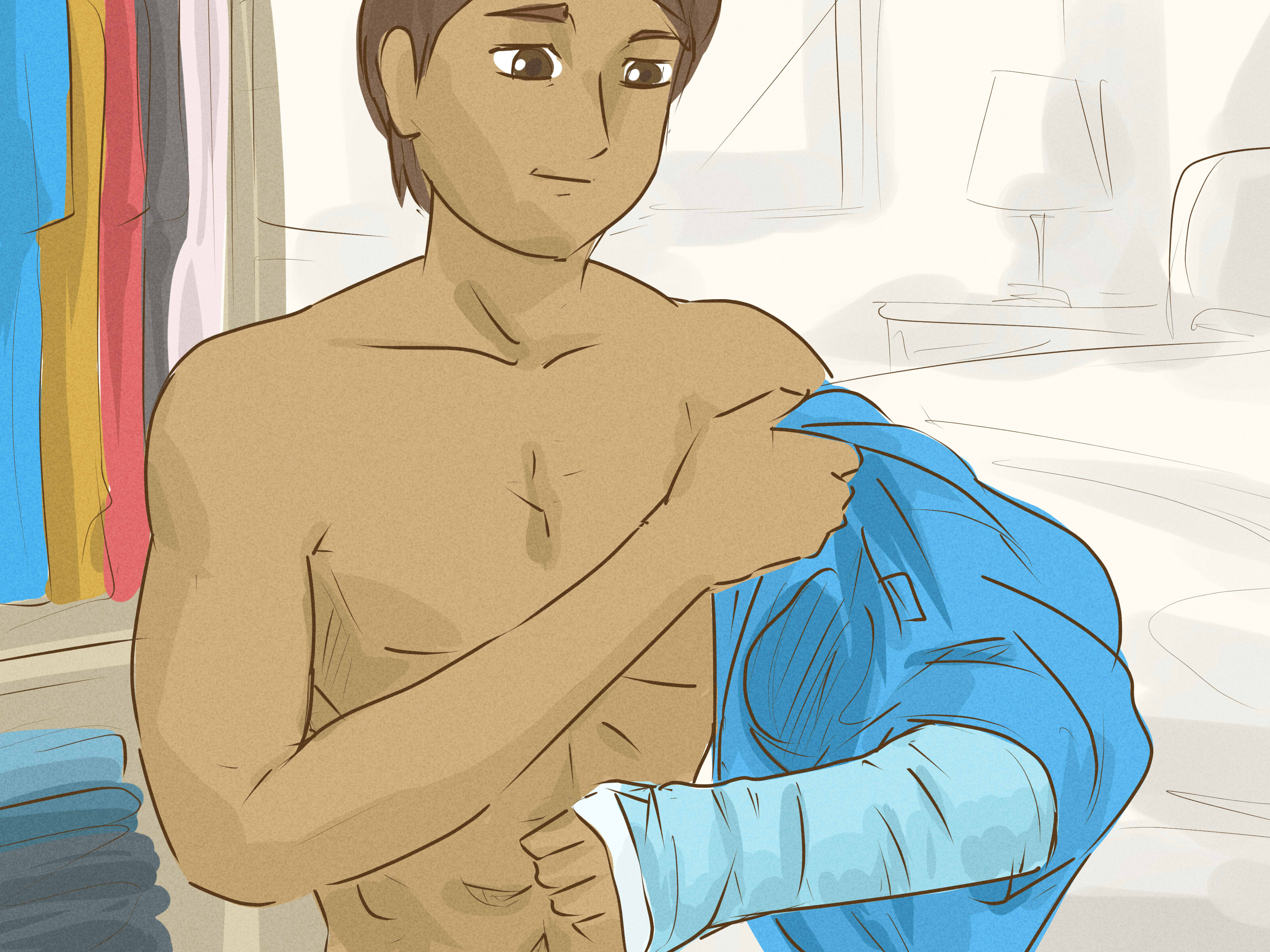
Having fun is much easier when basic life tasks are less frustrating. Clothing can be one of the first challenges. Loose shirts, zip-up hoodies, stretchy sleeves, and oversized tops are usually easier than tight clothing. Put the injured arm into clothing first and remove it last, unless your medical team gave different instructions. Avoid heavy backpacks or bags that pull on the injured side.
For bathing, protect the cast according to your provider’s directions. A sponge bath may be easier in the early days, especially if balance, pain, or cast dryness is a concern. Keep towels within reach before you start. Nothing humbles a person quite like standing in the bathroom, one arm wrapped like a sandwich, realizing the towel is across the room.
Eating can also require adjustments. Choose foods that are easy to manage with one hand: wraps, sandwiches, pre-cut fruit, yogurt cups, soups in mugs, smoothies, pasta, rice bowls, and finger foods. Ask someone to pre-cut tougher foods. There is no shame in requesting help. A broken arm is one of the few times in life when “Can you cut my pancakes?” is both reasonable and noble.
At school or work, communicate early. You may need extra time for writing, typing, carrying books, taking notes, changing clothes for gym, or getting between rooms. Voice notes, digital documents, recorded lectures, or a buddy system can help. The less you try to hide the inconvenience, the easier it is for people to support you.
What Not to Do When Trying to Have Fun
Fun should not come at the cost of healing. Avoid activities that could cause a fall, direct hit, or twisting force to the injured arm. That usually means no contact sports, roughhousing, trampoline sessions, skating, biking, climbing, or risky stunts unless your healthcare provider has cleared you. Even if you feel fine, the bone still needs time and protection.
Do not stick objects under the cast to scratch. It can injure the skin and lead to irritation or infection. If itching is bothering you, ask your provider about safe options. Some people are told they can use cool air from a hair dryer, but only if it is allowed and only on a cool setting. Never use heat inside or around a cast.
Do not ignore warning signs. Worsening pain, numbness, tingling, unusual swelling, bad odor, drainage, fever, skin sores, or fingers that look pale, blue, cold, or very swollen should be taken seriously. Fun can wait. Circulation and nerve health cannot.
Extra Experiences: Real-Life Ways People Make Broken Arm Recovery Less Boring
One of the best experiences during a broken arm recovery is discovering how creative people become when normal routines are temporarily off the table. A student who usually played basketball after school might suddenly become the unofficial movie critic of the friend group. Every Friday, friends come over, someone brings popcorn, and the person with the cast gets final vote because, frankly, they have earned executive privileges. The broken arm becomes less of a lonely inconvenience and more of a reason for everyone to slow down together.
Another common experience is learning to accept help without feeling awkward. At first, asking someone to open a bottle, tie a shoe, carry a tray, or pull a sleeve over a cast may feel embarrassing. But after a few days, many people realize that help is not a big dramatic event. It is just what humans do. Friends hold doors. Parents cut fruit. Siblings retrieve chargers after only moderate complaining. Teachers offer extra time. Coworkers carry boxes. The experience can be surprisingly heartwarming, like a tiny community service project centered around your elbow.
There is also the funny one-handed learning curve. People often develop strange new techniques for everyday life. They use their knees to stabilize a notebook, their hip to close a drawer, their teeth to hold a wrapper for one second before realizing that maybe this is not elegant, and their non-dominant hand to write notes that look like secret messages from a tired pirate. These moments can be frustrating, but they also become great stories later.
Some people turn recovery into a personal challenge. They make a list of cast-friendly goals: finish three books, learn twenty Spanish phrases, organize phone photos, beat a puzzle game, build a playlist, write a short story, or start a simple blog about the recovery process. The broken arm becomes a deadline with a cast-shaped timer. By the time the cast comes off, they have something to show besides dry skin and a dramatic appreciation for flexible wrists.
Decorating the cast is another memorable experience. Friends may write jokes, draw tiny cartoons, add motivational quotes, or turn the cast into a temporary art exhibit. One person might write “Handle with care.” Another might add “Limited edition.” Someone will probably draw a smiley face with sunglasses because there is always that friend. These little marks become a record of who showed up, who made you laugh, and who cannot draw a star under pressure.
Finally, many people say the best part of recovering from a broken arm is the first wave of independence returning. The first time you button something, carry a plate safely, sleep comfortably, or use your hand again with permission from the doctor, it feels oddly heroic. You realize you were adapting the whole time. You were not just waiting; you were learning patience, creativity, and how to laugh when life temporarily turns simple tasks into obstacle courses.
Conclusion
A broken arm is inconvenient, uncomfortable, and occasionally ridiculous, but it does not have to cancel your fun. The secret is to work with your recovery instead of fighting it. Build a comfortable recovery zone, explore hobbies that fit your temporary limits, stay socially connected, and choose safe activities that protect your healing arm.
Most importantly, listen to your healthcare provider. A cast or splint has an important job: keeping the bone protected while it heals. Your job is to care for it, avoid risky activities, and find little ways to enjoy the process. With the right mindset, a broken arm can become more than a frustrating pause. It can become a funny, creative, surprisingly memorable chapter in your life.