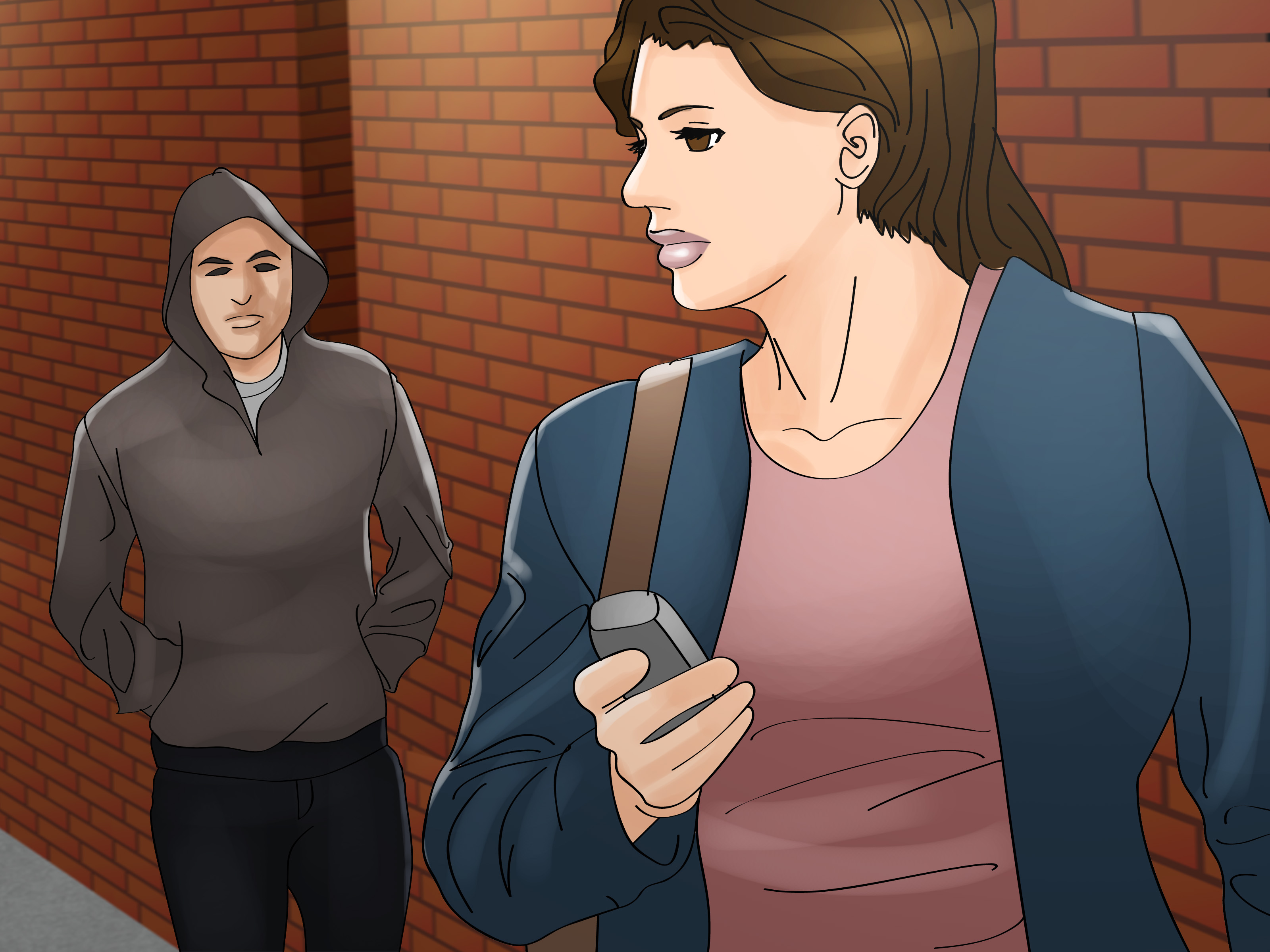
Safety note: This article does not teach physical gun-disarming moves. A handgun threat is not a movie scene, and real life does not come with stunt coordinators, slow motion, or a friendly director yelling “cut.” The safest goal is not to win a fight. The goal is to survive, reduce harm, escape when possible, and get professional help as quickly as conditions allow.
When people search for “3 ways to disarm a criminal with a handgun,” they often imagine a dramatic wrist twist, a heroic lunge, or a perfectly timed move learned from a video. Unfortunately, a real handgun confrontation is chaotic, fast, and brutally unforgiving. Distance, stress, fear, lighting, bystanders, the attacker’s mental state, and plain bad luck can turn a “technique” into a tragedy.
A better way to understand “disarming” is broader and smarter: disarm the situation, disarm the opportunity, and disarm the danger. That means using calm behavior, distance, escape, communication, and last-resort survival decisions rather than gambling everything on a physical move. Your ego can recover from handing over a wallet. Your body may not recover from pretending you are in an action franchise.
Understanding the Real Goal: Survival, Not Heroics
Before discussing the three safer approaches, let’s clear up one dangerous myth: the person with the gun does not need to be physically defeated for you to “win.” You win by living. You win by getting away. You win by helping others avoid harm. You win by becoming an excellent witness after you are safe.
Most public-safety guidance for armed threats emphasizes practical priorities: create distance when possible, get out of the danger area, hide or barricade if escape is unsafe, call emergency services when you can, and treat direct physical resistance as a last resort. That is not cowardice. That is risk management with a pulse.
Handguns are especially dangerous because they are compact, quick to move, and lethal at close range. A person under stress may move unpredictably. A victim under stress may freeze, stumble, shout, or misread the attacker’s intention. Even highly trained professionals avoid unnecessary close contact with an armed person when safer options exist.
Way 1: Disarm the Situation with Calm Compliance and De-Escalation
The first and safest “way” to disarm a handgun threat is to lower the chance that the criminal uses the weapon. This does not mean making friends with the attacker. It means avoiding sudden moves, reducing emotional heat, and making yourself less threatening while looking for a safe opportunity to survive.
Keep Your Hands Visible
If someone points a handgun at you during a robbery, carjacking attempt, or street confrontation, your hands become the attacker’s main concern. Sudden reaching can be misread as resistance. Keep your hands visible and move slowly. If you need to reach for a wallet, phone, keys, or bag, say what you are doing before you move. Simple words can help: “My wallet is in my right pocket. I’m going to reach slowly.”
This kind of calm narration may feel awkward, but awkward is better than alarming. Think of it as turning on subtitles for your body language. The attacker should not have to guess what your hands are doing.
Use Short, Clear Speech
In high-stress moments, speeches are not useful. This is not the time to deliver your TED Talk on personal boundaries. Use short, steady sentences: “Okay.” “I understand.” “Take it.” “I don’t want trouble.” Avoid insults, threats, sarcasm, or arguments. Your goal is to prevent escalation, not win a debate with someone already making poor life choices.
Compliance is often the safest option in a property crime. Money, phones, bags, watches, and cars can be replaced. A life cannot. If the attacker wants belongings, giving them up may end the encounter faster. Do not chase the person afterward. Get to safety, call 911, and provide details while they are fresh.
Observe Without Staring
Once safe, useful details can help investigators: clothing, height, build, direction of travel, vehicle description, license plate if safely visible, tattoos, shoes, voice, and any accomplices. However, during the threat, do not stare aggressively or appear to study the person in a way that makes them feel cornered. Gather what you naturally notice. Your first job is survival, not becoming a detective with a pulse rate of 180.
Way 2: Disarm the Opportunity by Creating Distance and Escaping
The second way to “disarm” a handgun threat is to remove yourself from the attacker’s reach. Distance is your friend. Exits are your friend. Solid barriers are your friend. Crowded confusion, narrow spaces, and pride are not your friends.
Leave When You Can Leave Safely
If you hear gunfire, see a weapon, or recognize an immediate threat before the attacker is focused on you, leave the area if there is a safe route. Do not wait to collect your laptop, argue with a friend, or finish your coffee. Coffee is wonderful. Coffee is not worth dying for.
Move away from the threat. Help others escape if you can do so without trapping yourself. Warn people nearby if it does not slow your escape. Keep your hands visible when approaching law enforcement so officers can quickly identify you as a victim or bystander rather than a threat.
Hide or Barricade If Escape Is Unsafe
If you cannot safely escape, hiding may be the best available option. Choose a location out of the attacker’s view. Lock doors if possible. Turn off lights, silence phones, and stay quiet. Put solid objects between you and the threat. If you are with others, spread out only when it improves safety and does not create confusion.
A barricade does not have to be elegant. Heavy furniture, locked doors, wedges, belts, cords, or stacked items may delay entry. The goal is not to build a medieval castle. The goal is to buy time and reduce access until law enforcement arrives or a safer escape opens.
Call 911 When It Is Safe
Call 911 as soon as you can do so without increasing danger. If you cannot speak, leave the line open if possible and follow dispatcher instructions. Be ready to give your location, the nature of the emergency, a description of the attacker, the number of weapons if known, injuries, and your own description so responders can identify you.
In a workplace, school, store, church, theater, or public venue, knowing exits before an emergency can make a difference. Notice doors, stairwells, back exits, front counters, security desks, and rooms that lock. This habit should not turn you into a nervous meerkat at dinner. It simply means you spend two seconds being aware of your surroundings.
Way 3: Disarm the Danger Only as a True Last Resort
The third way is the one people often came looking for, so let’s handle it responsibly: physical resistance against someone with a handgun should be considered only when you reasonably believe there is no safe escape, no useful cover, no chance to comply, and the threat to life is immediate. Even then, this article will not provide step-by-step disarming instructions.
Why? Because a written tutorial cannot evaluate your distance, angle, strength, injuries, the attacker’s grip, whether there are multiple attackers, whether the gun is real, whether another weapon is present, or whether someone behind you is in the line of danger. Bad instructions can create false confidence. False confidence is a very expensive subscription plan.
Think in Terms of Survival, Not Control
If resistance becomes unavoidable, the goal is survival and escape, not a clean cinematic disarm. Real incidents are messy. People fall. Weapons discharge. Bystanders panic. The attacker may be stronger, intoxicated, desperate, or accompanied by others. The safest mindset is not “I will take the gun.” It is “I will do whatever creates the best chance to get away alive.”
People who want practical preparation should seek qualified, in-person training from reputable self-defense instructors who emphasize avoidance, legal limits, scenario judgment, emergency communication, and medical response. Any training that promises guaranteed gun-disarming success should be treated with extreme skepticism. There are no guarantees when a firearm is already in play.
Avoid Common Dangerous Reactions
Several reactions can make a handgun threat worse. Do not mock the attacker. Do not dare them to shoot. Do not reach suddenly into pockets or bags. Do not chase after the attacker once they leave. Do not pick up a dropped firearm unless you have no safer option and understand the risk of being mistaken for the armed threat. If police arrive, follow commands, keep your hands visible, and avoid sudden movements.
After the incident, expect adrenaline effects: shaking, tunnel vision, memory gaps, nausea, anger, crying, or a strange sense of calm. These reactions are common after trauma. Get medical attention if needed, report the crime, preserve evidence, and consider support from victim services or a trauma-informed counselor.
Practical Examples: What Safer Choices Look Like
Example 1: The Parking Lot Robbery
You are walking to your car when someone approaches, shows a handgun, and demands your keys and wallet. A safer response is to keep your hands visible, speak calmly, explain any movement, comply with property demands, and create distance once the attacker moves away. Your car can be replaced. Your attempt to become a parking-lot ninja may not go as planned.
Example 2: The Convenience Store Threat
You are inside a store when an armed robber enters and points the gun at the cashier. If the attacker is not focused on you and a safe exit is available, leaving may be best. If escape would draw attention or cross the attacker’s path, quietly taking cover or hiding may be safer. Do not record the event for social media. “Viral” is not a survival strategy.
Example 3: The Workplace Emergency
If an armed person enters a workplace, employees who already know exits, lockable rooms, emergency alerts, and gathering points have better options. Run if safe. Hide if running is not safe. Barricade if possible. Communicate with 911 when safe. Physical resistance is reserved for the most extreme situation where life is in immediate danger and no safer option remains.
How to Prepare Before a Handgun Threat Ever Happens
Build Situational Awareness Without Paranoia
Situational awareness is not about living in fear. It is about noticing what is normal and what is not. When entering a restaurant, store, office, school, or parking area, casually notice exits, lighting, people loitering, and obstacles. Keep your phone charged. Avoid walking distracted in isolated areas. Trust your instincts when something feels wrong and leave early when possible.
Take Legitimate Training
Consider first aid, CPR, bleeding-control training, and reputable personal-safety classes. Bleeding-control skills are especially useful because emergencies often continue after the threat ends. Knowing how to apply firm pressure, use a trauma kit, or follow dispatcher instructions may save a life while responders are on the way.
Understand the Legal Aftermath
Self-defense law varies by state, and the legal analysis often depends on imminence, necessity, proportionality, location, and whether the threat was still ongoing. If you survive a violent encounter, cooperate with emergency responders, request medical care if needed, and consider speaking with a qualified attorney before making detailed legal statements beyond immediate safety facts.
Experience-Based Safety Lessons Related to Handgun Threats
People who have lived through armed robberies, workplace threats, domestic violence incidents, or public attacks often describe the same lesson: everything happens faster than expected. A person may believe they will respond bravely, but the body has its own emergency software. Heart rate spikes. Hands tremble. Hearing narrows. The brain may replay one command over and over: survive. That is why simple plans beat complicated techniques.
One common experience is the value of calm compliance during a robbery. Survivors frequently report that the attacker was focused on quick control and quick escape. In those moments, arguing over a phone, purse, or wallet can increase risk. A calm voice, visible hands, and slow movement may help keep the encounter from turning more violent. This does not mean the victim is weak. It means the victim understands priorities. The first priority is breathing tomorrow.
Another lesson is that exits matter. People who regularly notice exits often feel silly until the day the habit becomes useful. In restaurants, they know where the kitchen door is. In offices, they know which stairwell avoids the lobby. In parking lots, they choose well-lit paths and keep keys ready before reaching the car. These tiny habits do not guarantee safety, but they reduce hesitation. In an emergency, hesitation can feel like a locked door inside your own mind.
Survivors also talk about the strange aftermath. After danger passes, people may feel embarrassed that they froze, complied, cried, or did not “do more.” That guilt is often unfair. Freezing is a common stress response. Compliance can be smart. Running can be brave. Hiding can be wise. Calling 911 from behind cover can be heroic. The movies trained people to admire the dramatic move, but real safety often looks boring, quiet, and practical.
Experienced instructors who teach responsibly tend to emphasize judgment before movement. They remind students that a physical response to a handgun threat is not a magic trick. The better questions are: Can I leave? Can I create distance? Can I comply safely? Can I get behind cover? Are there other attackers? Are children or bystanders nearby? What happens after the weapon is on the ground? Those questions matter more than memorizing a flashy move from a thirty-second clip.
Finally, many people underestimate medical preparation. In violent incidents, the danger may not end when the attacker leaves. Someone may be bleeding, in shock, or unable to move. A basic trauma kit, first aid training, and the courage to follow emergency instructions can make an enormous difference. The person who saves a life may not be the one who fought the attacker. It may be the person who locked the door, called 911, applied pressure to a wound, and kept everyone calm until help arrived.
Conclusion: The Smartest Disarm Is Often Not Physical
The phrase “3 Ways to Disarm a Criminal with a Handgun” sounds like it should lead to a list of dramatic moves. In reality, the safest and most responsible answer is different. Disarm the situation through calm compliance and de-escalation. Disarm the opportunity by escaping, hiding, barricading, and calling for help. Disarm the danger only as a true last resort, and even then, think survival rather than technique.
A handgun threat is one of the most serious emergencies a person can face. The best preparation is not fantasy confidence. It is awareness, restraint, emergency planning, first aid knowledge, and respect for how dangerous firearms are at close range. If you remember one thing, remember this: property is replaceable, pride is negotiable, and survival is the win.