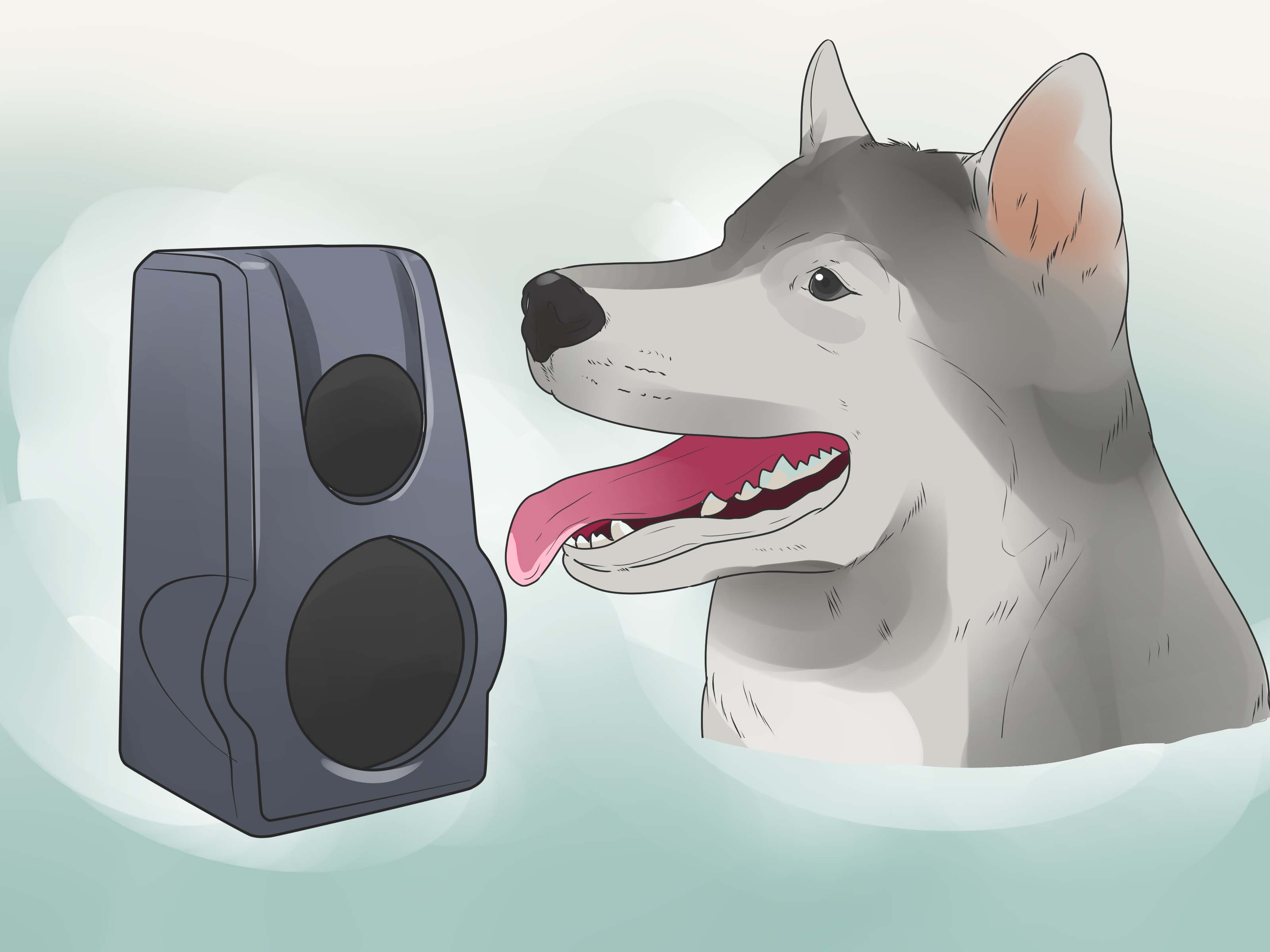
There are few modern sounds as motivating as your neighbor’s dog barking like it’s being paid per yelp. You want peace. The dog wants… something. (Probably a squirrel, a delivery truck, or validation.) The good news: most “barking dog wars” don’t require you to move, start a feud, or learn Morse code in earplugs. With the right approach, you can usually reduce the noise and keep the neighborhood vibes intact.
This guide focuses on three practical, humane, and reality-tested ways to handle a neighbor’s barking dog: (1) talk it out like adults who share a zip code, (2) help them fix the cause (without becoming their unpaid dog trainer), and (3) if needed, document and use formal channels the smart way.
Quick note: If you suspect neglect or a welfare issue (dog left outside in extreme heat/cold, no water, signs of injury), skip the “polite chat” step and contact local animal services for a welfare check. Noise is annoying; suffering is urgent.
Way #1: Start With a Neighbor-Friendly Conversation (Bring Data, Not Drama)
Most barking-dog situations drag on because the owner genuinely doesn’t realize how bad it isespecially if the barking happens when they’re at work or sleeping like a rock. Your job is to share the problem clearly, kindly, and specifically. Think: “collaboration,” not “courtroom monologue.”
Pick the right moment (and the right tone)
- Don’t knock mid-bark meltdown. Wait for a calm time when neither you nor the dog is in full “air raid siren” mode.
- Lead with curiosity. “Heyhave you noticed the barking during the afternoon?” lands better than “Your dog is ruining my life.”
- Use “I” statements. “I’m having trouble taking calls” beats “You’re inconsiderate.”
- Assume good intentions. Even if you’re secretly furious, start from “They probably don’t know.”
Be specific: time, duration, and impact
Vague complaints are easy to dismiss. Specific patterns are solvable. Try: “It’s usually between 1:00–3:00 p.m., and it can go on for 20–30 minutes at a time. I work from home and it’s been tough on meetings.” That gives them something they can test and verify.
Ask for a joint experiment (yes, like science)
The fastest progress often happens when you frame this as a short trial: “Would you be open to trying a few changes for two weeks and seeing if it improves?” That’s less threatening than “Fix this forever immediately,” and it creates a clear timeline.
Offer a few easy, non-judgy options
You’re not telling them how to parent their dog; you’re sharing tools. Some low-friction suggestions:
- More supervision outside. If the dog barks in the yard unsupervised, bringing the dog inside sooner can reduce habit-building.
- Reduce “window security duty.” Closing blinds or using a privacy film can cut down on barking triggered by passersby.
- Add enrichment. Food puzzles, safe chew items, and short training sessions can drain boredom and nervous energy.
- Pre-work exercise. A brisk walk or play session before the owner leaves can make the dog more likely to rest.
If talking feels unsafe, go one notch more formal (but still polite)
If your neighbor is volatile, unpredictable, or you simply don’t feel comfortable, skip face-to-face confrontation. A short, calm note can work: mention the pattern, the impact, and a willingness to talk. Keep it “neighborly,” not “threatening.” The goal is still cooperationnot a neighborhood Cold War.
Way #2: Help Them Fix the Cause (Without Becoming Their Dog’s Therapist)
Barking isn’t random; it’s communication. Dogs bark because they’re bored, overstimulated, anxious, territorial, under-exercised, or rewarded (even accidentally) for barking. When you identify the “why,” the “how to reduce it” becomes much easier.
Common barking patterns (and what usually helps)
1) Boredom or under-exercise: “I have opinions and no hobbies”
If the dog spends long stretches alone with minimal exercise, barking becomes entertainment. Solutions typically focus on burning energy and adding mental work: longer walks, structured play, training games, puzzle feeders, and rotating safe chew options. The magic isn’t a single toyit’s a routine that meets the dog’s needs.
Example: A dog barks every weekday from 2–4 p.m. The owner adds a morning walk plus a food puzzle at lunchtime. Barking drops because the dog is busy being a professional snack engineer.
2) Territorial or trigger barking: “INTRUDER ALERT (mail carrier edition)”
Many dogs bark at visual and sound triggers: people walking by, other dogs, delivery trucks, door slams, you existing in your own yard. Helpful strategies often include:
- Management: limiting access to the fence line, windows, or high-trigger areas when unsupervised.
- Desensitization: gradually pairing the trigger with something positive (treats, attention, a cue like “come” or “place”).
- Interrupt + redirect: teaching an alternate behaviorlike going to a matso the dog has a “job” besides barking.
3) Attention-seeking: “I bark, humans appearthis is working”
If barking reliably leads to attention (even negative attention like yelling), the dog learns barking is powerful. Owners often need to: (a) avoid reinforcing barking, and (b) actively reward quiet, calm behaviors. Teaching a dog how to earn attention with a sit, eye contact, or “go to your bed” can be a game-changer.
4) Separation anxiety or panic: “Please don’t leave me”
If barking comes with signs of distressdestruction, drooling, pacing, escape attemptsthis can be more than “noise.” Separation-related problems usually improve with a plan: gradual alone-time training, predictable routines, and guidance from a veterinarian or qualified behavior professional. Punishment tends to make anxiety worse, not better.
Encourage humane training, not gadget roulette
In the real world, owners sometimes jump straight to “anti-bark devices.” Some devices can be harmful or increase fear and stress, which may worsen barking or create new behavior problems. If you’re suggesting tools, nudge toward humane, reward-based training approaches and professional help when needed. Think: long-term behavior change, not “make the dog stop by Tuesday.”
A friendly script you can use (no dog degree required)
“I’m not trying to tell you how to handle your dog, but I read that barking often comes from boredom or triggers. If you want, I can share what times I’m hearing it so you can test a couple fixeslike more enrichment or blocking the fence view. I’d really appreciate it.”
Way #3: Document, Mediate, and Escalate (When ‘Talking’ Doesn’t Work)
Sometimes you do everything rightcalm conversation, helpful info, patienceand nothing changes. At that point, the “grown-up” move is not revenge. It’s documentation + the proper process. Many cities and counties treat chronic barking as a nuisance issue and have a specific complaint path.
Step 1: Keep a simple barking log (your future self will thank you)
A log turns “It barks all the time!” into evidence. Keep it boring and factual: date, start/end time, duration, and what you noticed (continuous barking, barking in bursts, triggered by passersby, etc.). Many agencies prefer (or require) a multi-day diary.
Sample log entry:
Feb 21 1:12–1:38 p.m. (26 min), continuous barking in backyard; began after delivery truck arrived; no owner visible.
If you can do so legally and safely, short audio/video clips can help confirm duration and severity. (Don’t trespass, don’t harass, and don’t record in a way that violates privacy lawskeep it to what’s audible/visible from your property.)
Step 2: Try mediation (the underrated middle path)
Mediation is basically “structured conversation with a neutral guide”and it can be shockingly effective for neighbor disputes. Many communities offer low-cost or free mediation services, and some animal services departments use mediation specifically for barking complaints. The upside: you can solve the problem without turning your neighbor into your lifelong enemy.
What mediation typically looks like: a scheduled session (in-person or virtual), clear ground rules, each person explains impact, and you negotiate a realistic plan: quiet hours, indoor time at night, training steps, enrichment schedule, fence management, and a follow-up date.
Step 3: File a complaint the “right” way (so it actually goes somewhere)
Processes vary widely, but many agencies ask for:
- A written complaint with addresses and a description of the issue
- A barking log/diary showing dates, times, duration
- Supporting evidence (audio/video) or sometimes a second witness/neighbor
- Signed statements or affidavits in some jurisdictions
The agency may start with education and warnings, then escalate if the problem continues. In some places, the complaint path is designed to encourage neighbor-to-neighbor resolution first, then uses documentation to determine whether the barking meets the standard for a nuisance.
Understand the “nuisance” concept (without going full law school)
Many communities don’t treat a single bark as a violationdogs bark sometimes, and that’s normal. Complaints usually focus on excessive, repeated, or prolonged barking that unreasonably interferes with someone else’s use of their home. If your area doesn’t have a dog-specific rule, general noise or nuisance ordinances often apply. Translation: your log matters.
Last resort options (use sparingly)
If official channels don’t resolve it, some people explore civil remedies or small claims options. That’s highly local and fact-specific, so consider talking with a local attorney or tenant/landlord resource first. Also: once lawyers enter, neighborly small talk usually leaves the chat.
A Quick “Do This in Order” Checklist
- Confirm the pattern: When does it happen? How long? What triggers it?
- Talk calmly: Share specific times and impact; ask for a two-week trial plan.
- Suggest humane fixes: exercise, enrichment, supervision, trigger management, training alternatives.
- Document: Keep a log for at least 1–2 weeks; gather lawful evidence if needed.
- Try mediation: Especially if the relationship matters (and it doesyou share air).
- File a formal complaint: Follow your local process exactly.
Real-World Experiences (500-ish Words of “Yes, This Happens”)
The internet loves a dramatic “my neighbor’s dog barked once so I moved to a lighthouse” storyline, but most barking situations are less cinematicand more solvable. Below are composite, real-life-style scenarios based on common patterns people report. Names and details are changed, but the lessons are very real.
Experience 1: The Work-From-Home Meeting Wrecker
“Jordan” works remote and started noticing barking every weekday around lunchtime. At first, it felt petty to complain dogs bark, right? But the barking wasn’t a single “woof.” It was a 20-minute TED Talk delivered entirely in yells. Jordan kept a simple log for a week, then approached the neighbor with specifics: “It’s usually 12:30–2:00 p.m. and it’s hard during calls.” The neighbor had no idea; they left the dog in the yard while running errands. They tried a two-week experiment: dog stays inside during that window, plus a puzzle feeder at noon. Result: barking dropped dramatically, and both humans avoided becoming villains in each other’s origin stories.
Experience 2: The Night Barking Mystery (Spoiler: It Was Wildlife)
“Mia” kept getting woken up at 2 a.m. by frantic barking. The owner insisted, “He never barks at night.” Mia’s log showed otherwiseand when she finally mentioned it, the owner checked their security camera. Turns out: raccoons were strolling the fence line nightly like they owned the place. The fix wasn’t a feud; it was management: bringing the dog inside at night and adding motion lights. Mia got her sleep back, and the dog retired from his unofficial role as Night Watch Commander.
Experience 3: The ‘I Tried Talking’ Dead End
“Sam” approached the neighbor politely. Twice. The neighbor responded with a shrug and a vibe best described as: “Your problem, not mine.” Sam resisted the urge to respond with interpretive dance and instead documented the barking for two weeks. Then Sam used the local complaint process exactly as writtenlog, dates, and short recordings from inside Sam’s home. It didn’t turn into instant justice, but it did create a formal track: warning, follow-up, and eventually compliance because ignoring official notices became harder than addressing the dog’s routine. Not funbut effective.
Experience 4: When Mediation Saved the Relationship
“Lena” and “Chris” had been friendly neighbors for years. Then Chris adopted a young dog who barked whenever Lena used her patio. A direct complaint felt like tossing a grenade into a good relationship. They tried community mediation. In a structured session, Lena explained the impact (she stopped using her patio), and Chris explained the dog’s trigger (fear/over-excitement around movement). They agreed on practical steps: a privacy screen, supervised outdoor time during high-traffic hours, and training sessions pairing Lena’s patio use with treats and calm cues. Two months later, Lena got her patio backand they got their neighborly peace back too.
Experience 5: The Plot TwistThe Dog Was Asking for Help
One of the most uncomfortable outcomes is realizing the barking is a symptom of poor conditions: long hours outside, no shade, isolation, or obvious distress. In those cases, the “neighbor etiquette” playbook matters less than the dog’s welfare. People who reported the best outcomes didn’t escalate emotionally; they escalated appropriately: they contacted local animal services for guidance or a welfare check. Sometimes the result was education and improvement. Sometimes it was intervention. Either way, it shifted the situation from “annoying noise” to “this animal may actually need help,” which is a different category of problemand deserves a faster response.
Conclusion
Dealing with a neighbor’s barking dog is part communication, part problem-solving, and part patience. Start with the path that preserves peace: calm conversation and specific observations. If the owner is willing, focus on humane fixes that address the causeboredom, triggers, anxiety, or habit. And if cooperation fails, protect your sanity by documenting the issue, trying mediation, and following your local complaint process step by step. You’re not asking for silence foreveryou’re asking for reasonable peace in your own home. That’s not petty. That’s the dream.