Note: This article is an original, source-based synthesis prepared for web publication. Source links are intentionally omitted, and unnecessary citation artifacts have been removed.
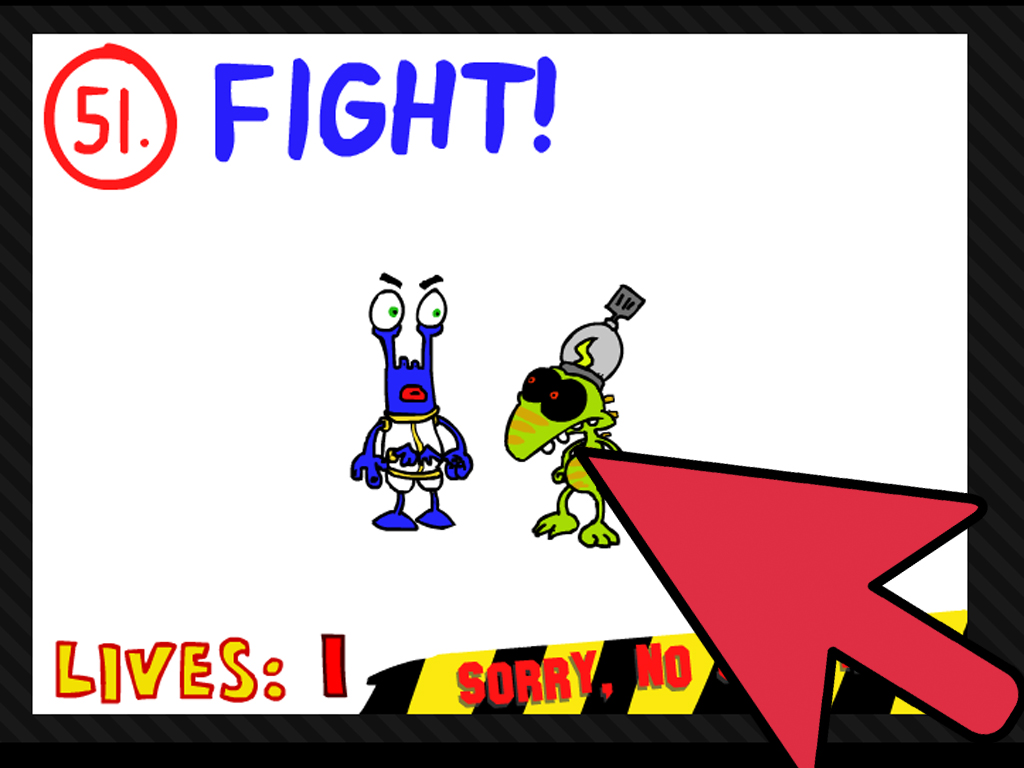
If you have ever played The Impossible Quiz, you already know the title is not joking. This game does not want to be your friend. It wants to trick you, mock your reading comprehension, and send you back to the start because you clicked the most obvious answer like a confident little champion. Then it laughs while you stare at the screen like a detective who just got outsmarted by a cartoon onion.
That said, the quiz is not truly impossible. It is just incredibly good at punishing normal test-taking habits. You do not beat it by being the smartest person in the room. You beat it by learning how the game thinks, managing your lives and skips like a squirrel guarding its winter snacks, and practicing the hardest parts until your hands and brain stop arguing with each other.
In this guide, you will learn 3 ways to beat the Impossible Quiz without turning your keyboard into modern art. These methods are practical, beginner-friendly, and based on how the game actually works. So take a deep breath, stop trusting multiple-choice logic, and let us walk straight into the chaos.
Why This Game Feels Impossible in the First Place
Before you can beat the quiz, you need to understand why it wrecks so many players. The answer is simple: The Impossible Quiz is not really a trivia test. It is a trap-filled puzzle game disguised as a trivia test. Some questions use wordplay. Some depend on noticing hidden clickable areas. Some demand quick reactions. Others look fair for about half a second and then pull the rug out from under you like a magician with a mean streak.
That design changes the entire approach. In a normal quiz, you read carefully, compare options, and pick the best answer. In this game, that method will help you for approximately twelve seconds before you get flattened by a bomb timer, a hidden answer off to the side, or a prompt that only makes sense if you stop reading like a student and start reading like a prank victim.
The good news is that the quiz has patterns. Once you understand those patterns, the game becomes less “impossible” and more “weirdly specific and emotionally rude.” That is progress.
Way 1: Stop Taking the Quiz Literally
Learn the game’s favorite tricks
The first and most important strategy is to stop treating each question like a normal question. The quiz loves puns, double meanings, sound-alike words, visual jokes, hidden objects, and fake-outs. If you keep answering literally, the game will keep handing you failure with a smug little grin.
For example, many prompts are built around phrases rather than facts. A question may appear to ask one thing, while the real answer is hidden in the wording, the layout, or the tiny detail you ignored because your brain was busy trying to be rational. That is your first clue: rational is not enough. You need to be playful, suspicious, and slightly paranoid.
Think of each screen as having two layers. The first layer is the obvious one: the words, the answer boxes, and the apparent task. The second layer is the real one: what the game is implying, hiding, or daring you to overlook. Winning means training yourself to search for that second layer immediately.
Ask smarter questions before you click
When a new question appears, do not rush. Ask yourself:
- Is this using a pun or joke instead of a literal meaning?
- Is there something clickable outside the answer boxes?
- Is the wording trying to make me focus on the wrong part of the sentence?
- Is this really a knowledge test, or is it a visual trick?
This tiny pause changes everything. Instead of reacting like the quiz wants, you start investigating. That one habit can save lives early and prevent the kind of mistake that makes you stare into the middle distance while questioning your life choices.
Use examples to train your brain
Some of the most memorable questions teach this lesson perfectly. One safe question in the early game makes you interact with colored stripes and letters rather than simply choosing from obvious options. Another famous bomb question asks what is at the end of “the world,” and the real answer is not the letter you expect but the punctuation mark at the end of the sentence. That is classic Impossible Quiz: it rewards players who look past the surface and punishes everyone else with theatrical cruelty.
There is also the kind of question that appears simple until you realize the answer is not in the box you want, but somewhere else on the screen. That means your best habit is not “know more facts.” It is “inspect everything.” Scan the corners. Check the text. Notice odd spacing. Assume the quiz is lying to you until proven innocent.
Once you stop taking the quiz literally, you stop feeling ambushed by every question. Suddenly, the game starts to look less like chaos and more like a comedy routine with rules. Strange rules, yes. But rules.
Way 2: Play for Survival, Not for Glory
Treat every life like it is your last donut
The second way to beat the game is to play with survival in mind. Too many players treat early mistakes like no big deal. That is a trap. A wasted life in the first third of the quiz can become a disaster later when the harder reflex questions and bomb timers show up. If you limp into the late game with one life left, the quiz will smell your fear like a shark smells blood.
Your goal is not just to get answers right. Your goal is to preserve margin for error. That means learning which questions are risky, which ones are safe, and which ones are likely to blow up your run if you panic.
For instance, one notorious late-game question tells you to “Be prepared” and then throws a one-second bomb at you with an escape button appearing in a place many first-time players are not ready for. This is the kind of screen that punishes hesitation. If you have already burned too many lives earlier, it can end your run in one cruel little moment.
Save your skips like a responsible goblin
This is the part many new players learn the hard way: using skips whenever you feel annoyed is a terrible plan. It feels smart in the moment. It feels efficient. It feels like you are beating the system. Then you reach the final question and discover the game has been running a long con the entire time.
The best skip strategy is painfully simple: do not spend them. The final question requires you to use all the skips you collected. So if you casually toss one away earlier because a question looked inconvenient, congratulations, you have accidentally made the run unwinnable. The quiz salutes your confidence and then launches it directly into a ditch.
Because of that, skip discipline is not optional. It is the backbone of a successful clear. When you play, remind yourself that every skip is not a convenience tool. It is a late-game key. Spend it early, and you may not be able to open the final door.
Build a tiny danger map
The smartest players create a mental or written list of problem areas. You do not need a giant spreadsheet worthy of a government investigation. A short set of notes is enough. Mark bomb questions. Mark hidden-click questions. Mark anything that uses unusual cursor movement or weird timing. Mark the questions that are safe so you can calm down there instead of playing every screen like it is a hostage negotiation.
This approach matters because The Impossible Quiz is partly a memory game. The more familiar the danger zones become, the less mental energy you waste re-solving them from scratch. That energy can then go toward staying calm, moving accurately, and avoiding the small panic errors that wreck promising runs.
In other words, survival is not just about caution. It is about preparation. The player who remembers the traps has a much easier time than the player who keeps trying to improvise against a game built by a professional nonsense merchant.
Way 3: Practice Like a Speedrunner, Even If You Are Not One
Break the run into chunks
The third way to beat the quiz is to stop thinking of it as one giant monster and start practicing it in chunks. New players often try full runs over and over, hoping that sheer stubbornness will eventually work. Sometimes it does. More often, it creates fatigue, sloppy mistakes, and the kind of frustration usually associated with assembling furniture using only vibes.
A better method is to split the game mentally into sections. Learn the early questions until they feel automatic. Then focus on the middle section, especially the trickier movement or hidden-click questions. Finally, practice the late-game stretch where the pressure is highest and the cost of a mistake feels personally insulting.
This chunking method helps for two reasons. First, it reduces overwhelm. Second, it turns vague frustration into specific improvement. Instead of saying, “I keep failing,” you can say, “I need to improve my cursor path on this question,” or “I keep forgetting the trick on that bomb screen.” That is a much more useful problem.
Train your cursor, not just your memory
A lot of players assume the game is only about remembering answers. Not quite. Cursor control matters too. Some questions require fast movement, unusual click timing, or confidence with hidden areas. Others become easier once you know exactly where to hover or where an object will appear.
That is why experienced players and runners focus on mechanics as well as memory. They practice positions. They practice movement. They get used to how certain questions feel in the hand, not just how they look on the screen. If a question needs you to react instantly, your body has to know the move before your inner narrator finishes screaming.
This is especially true near the end of the quiz. Once you are deep into the run, nerves can make your cursor feel like it belongs to someone else. Practicing movement ahead of time keeps that from turning into a full comedy collapse.
Manage your mood before it manages you
Here is the sneaky truth: the quiz is partly mental. If you get tilted, you get sloppy. If you get sloppy, you lose lives. Then you get more tilted, which is the emotional equivalent of trying to escape quicksand by teaching it karate.
So take breaks. Reset after ugly runs. Laugh at the nonsense when you can. The game is easier when you are steady. This is not just feel-good advice. It is practical. Players who stay calm remember more, click cleaner, and recover from mistakes faster.
Ironically, one of the best ways to beat the quiz is to stop acting like every run is a final exam. Treat it like practice with progress. That mindset makes you sharper, and sharp beats dramatic almost every time.
Common Mistakes That Send Players Back to the Start
- Reading too literally: the quiz loves puns, visual jokes, and sneaky wording.
- Using skips early: this feels smart until the final question arrives and ruins your afternoon.
- Ignoring the whole screen: not every answer sits politely inside an answer box.
- Panicking on bomb questions: speed helps, but practiced speed helps more.
- Playing while tilted: frustration turns familiar questions into avoidable failures.
A Smart First-Clear Plan
If you want a realistic roadmap for your first successful run, use this:
- Run 1-3: Focus on understanding the game’s logic, not on winning.
- Run 4-6: Start memorizing recurring trick types, bomb questions, and hidden click spots.
- After that: Stop spending skips, protect lives early, and concentrate on smooth execution.
- Late game: Practice staying calm more than playing fast.
- Final push: Reach Question 110 with all your skips and enough emotional stability to click like a civilized mammal.
This plan works because it matches how the game actually teaches you. First it confuses you. Then it humiliates you. Then, if you pay attention, it slowly becomes learnable. Rude, but learnable.
The Real Secret: It Is a Memory Game Wearing a Comedy Mustache
At first glance, The Impossible Quiz looks like a pure chaos machine. But after enough attempts, a secret becomes obvious: it is really a memory-and-execution game disguised as nonsense. Yes, you need lateral thinking. Yes, you need to catch visual tricks. But eventually, success comes from knowing what is coming and handling it calmly.
That is why the three ways in this guide work so well together. Way 1 teaches you how the quiz thinks. Way 2 teaches you how to survive long enough to benefit from that knowledge. Way 3 turns your knowledge into consistent performance. Put them together, and the game stops feeling impossible.
It still feels rude, though. Let us not pretend otherwise.
Player Experience: What It Actually Feels Like to Beat The Impossible Quiz
There is a very specific emotional journey that comes with this game, and anyone who has spent time with it will recognize the pattern. At the beginning, the quiz feels funny. You laugh at the absurd answers. You admire the nonsense. You think, “Oh, this is clever.” About ten minutes later, your laugh becomes the kind that sounds like a villain who just lost a board meeting. The game has now introduced you to its true personality.
The early experience is usually a mix of curiosity and false confidence. Players assume they can reason their way through it because that is what quizzes are for. Then the game starts using puns, hidden clicks, screen tricks, and timing traps, and suddenly intelligence alone is not enough. That shift is what makes the game memorable. It forces you to change modes. You stop trying to be “correct” in the normal sense and start trying to be adaptable. That moment is strangely satisfying, because it feels like learning a secret language spoken by a gremlin with a diploma in mischief.
The middle of the game is where the emotional roller coaster really gets its money’s worth. This is usually the stage where players begin to improve, but also where they begin to care. And that is dangerous. Once you know you can make progress, each mistake hurts more. A silly miss no longer feels like a random failure. It feels personal. The quiz has gone from “weird internet game” to “my sworn enemy,” which is impressive for something made of buttons, jokes, and psychological sabotage.
Then comes the late-game experience, which is almost athletic. Your hands get tense. Your cursor movements become serious. You stop talking. You start reacting to certain questions the way action movie heroes react to suspicious wires. Players often describe a tunnel-vision feeling here: you know the answers, but your body has to cooperate. That is why beating the game feels so good. It is not just that you remembered things. It is that you kept your composure under pressure from a game specifically designed to scramble it.
And then, finally, there is the moment of victory. It does not feel like winning a normal quiz. It feels like surviving a prank war, escaping a carnival funhouse, and passing a bizarre exam in cartoon logic all at once. The joy comes partly from the challenge, but mostly from the transformation. At the start, the quiz controls the rhythm. By the end, you do. You know when it is bluffing. You know when it is setting a trap. You know when to move fast and when to slow down.
That is why people still talk about this game years later. It is frustrating, yes, but it is also deeply replayable because improvement is so visible. Every run teaches something. Every failure makes the next attempt slightly smarter. And once you finally beat it, you earn the right to become exactly the kind of person who says, “Honestly, it is not that bad once you memorize everything, manage your skips perfectly, stay calm, read every joke correctly, and move your cursor like a tiny trained falcon.” Which is technically true and also hilariously unhelpful.
Still, that is the charm. The Impossible Quiz is hard in a way that becomes funny, then maddening, then rewarding. It turns confusion into pattern recognition and panic into routine. And when you finally clear it, the victory feels disproportionate in the best possible way. You did not just answer questions. You learned to think like the game. That is the real win.
Conclusion
If you want to know how to beat The Impossible Quiz, do not look for one magical shortcut. The real answer is a three-part strategy: stop reading literally, protect your lives and skips, and practice with purpose. Once you do that, the game becomes much more manageable. Not easy, exactly. More like “delightfully unreasonable with occasional moments of personal betrayal.”
But that is also why beating it feels great. The quiz rewards players who adapt. Learn its logic, respect its traps, and keep your cool in the late game. Do that, and the “impossible” part starts looking a lot more negotiable.