Aloe vera is the houseplant equivalent of the quiet friend who never asks for much: a sunny spot, a dry pot, and the occasional compliment. But when it comes to flowers, aloe suddenly becomes mysterious. You water it. You praise it. You move it three inches closer to the window like a plant-care detective. Still, no bloom spike.
So, can you actually force bloom on aloe vera? The honest answer is: not in the push-a-button sense. Aloe vera blooms when it is mature, healthy, and convinced that life feels enough like its native dry, sunny habitat. Your job is not to bully the plant into flowering. Your job is to create the right conditions so it thinks, “Fine, I’ll show off.”
This guide explains three simple, realistic ways to encourage aloe vera flowering indoors or in containers: stronger light, seasonal stress, and smarter pot-and-feeding care. These methods are practical, plant-safe, and much better than pouring random fertilizer into the soil while whispering motivational quotes.
First, Know What Aloe Vera Needs Before It Blooms
Before trying to make aloe vera bloom, check whether your plant is even old enough. Most aloe plants need several years of growth before they are mature enough to send up a flower stalk. A tiny pup in a cute pot may be adorable, but it is not usually ready for a dramatic floral performance.
A mature aloe vera plant usually has a wide, sturdy rosette of thick leaves, a strong root system, and steady growth during the warm season. When conditions are right, the plant may produce a tall flower stalk from the center of the rosette. The flowers are usually tubular and often appear in yellow, orange, or coral shades, depending on the aloe type and growing conditions.
Indoor aloe vera plants bloom less often than outdoor plants because indoor conditions are usually too mild, too dim, or too consistently cozy. Aloe likes comfort for growth, but it often needs bright light and a seasonal shift to trigger flowering. In other words, your aloe may be living a luxurious apartment life, but flowers usually require a little desert-style discipline.
Way 1: Give Aloe Vera Much More Light
If aloe vera had a dating profile, its first requirement would be “must love sunshine.” Light is one of the biggest reasons an aloe vera plant does not bloom indoors. A plant can survive in bright indirect light, but survival and blooming are not the same thing. Blooming requires extra energy, and energy comes from light.
Place It in the Brightest Safe Window
For indoor aloe vera, a south- or west-facing window is often the best option. The plant should receive several hours of bright light daily. If your aloe is stretching, leaning, turning pale, or producing weak leaves, it is likely asking for more light in the most dramatic plant language available.
However, do not suddenly move a low-light aloe into harsh direct sun. Aloe leaves can sunburn, especially if the plant has been living indoors away from intense light. Sunburn may look like brown, tan, or reddish damaged patches. The plant may recover, but the burned areas usually remain as a reminder that plants also dislike surprise vacations.
Acclimate It Gradually to Outdoor Light
One of the best ways to encourage aloe vera to bloom is to move it outdoors during warm months, as long as temperatures are safe and the plant is protected from cold nights. Start in bright shade or gentle morning sun for a few days, then slowly increase exposure. This gradual process helps the leaves adjust without burning.
Outdoor light is much stronger than indoor light, even near a sunny window. A mature aloe that spends the warm season outdoors often has a better chance of blooming than one kept year-round in a dim corner. Just make sure the pot drains well, rain does not leave the soil soggy, and the plant comes back indoors before temperatures drop too low.
Use a Grow Light if Your Home Is Too Dim
If your windows are shaded by buildings, trees, curtains, or the general gloom of modern architecture, a grow light can help. Place the light above the plant and keep it on long enough to supplement natural daylight. Aloe does not need a rainforest setup, but it does need enough brightness to build the energy required for flowers.
A good light routine can turn a sleepy aloe into a stronger, more compact plant. Even if it does not bloom immediately, better light improves leaf thickness, color, and overall health. Think of it as charging the plant’s battery before asking it to produce a flower stalk.
Way 2: Create a Dry, Cool Rest Period
Aloe vera is adapted to dry climates where seasons matter. Many indoor growers keep conditions nearly the same all year: same room temperature, same watering habit, same window, same everything. That is convenient for humans, but it may not give aloe the seasonal cue it needs to bloom.
To encourage flowering, give the plant a winter rest period. This means cooler but safe temperatures, less water, and bright light. You are not trying to punish the plant. You are gently reminding it that nature has seasons.
Reduce Watering in Winter
Aloe vera stores water in its thick leaves, so it does not want constantly moist soil. During winter, growth slows down and the plant uses even less water. Let the soil dry completely before watering again, and avoid watering on a strict calendar without checking the soil first.
Overwatering is one of the fastest ways to ruin an aloe plant. Wet soil can lead to root rot, soft leaves, and a sad plant that is definitely not thinking about flowers. If the pot feels heavy, the soil is damp, or the leaves look mushy, step away from the watering can.
Keep It Bright but Not Freezing
During its rest period, aloe still needs bright light. A cool, dark room is not ideal. Aim for a bright location with temperatures that are cooler than summer conditions but not cold enough to shock or damage the plant. Avoid frost, cold drafts, and windowsills that become icy at night.
This cooler, drier period can help mimic the environmental rhythm aloe experiences outdoors. When warmer temperatures and stronger light return in spring, a mature and healthy plant may be more likely to produce a bloom spike.
Resume Normal Care in Spring
As days get longer and temperatures rise, gradually increase watering. Still let the soil dry between waterings, but do not keep the plant bone-dry forever. Aloe needs moisture during active growth, especially if it receives brighter light or spends time outdoors.
Spring is also the right time to assess the plant’s overall condition. Remove dead leaves, check for pests, and make sure the pot drains properly. A plant that wakes up from winter healthy and well-lit has a stronger chance of blooming than one limping into spring with soggy roots and emotional baggage.
Way 3: Use the Right Pot, Soil, and Light Feeding
Even with perfect light and seasonal care, aloe vera may refuse to bloom if its roots are stuck in poor soil or a waterlogged pot. Aloe is a succulent, which means it wants drainage more than pampering. Rich, heavy soil can hold too much moisture around the roots. That may be lovely for some tropical plants, but for aloe it is basically a swamp invitation.
Choose Fast-Draining Soil
Use a cactus or succulent potting mix, or amend regular potting soil with gritty materials such as perlite, pumice, or coarse sand. The goal is simple: water should pass through easily, and the soil should dry out between waterings.
If your aloe sits in dense soil that stays wet for a week, flowering is not the main issuesurvival is. Repotting into a better mix can improve root health and help the plant grow strongly enough to bloom later.
Pick a Pot With Drainage Holes
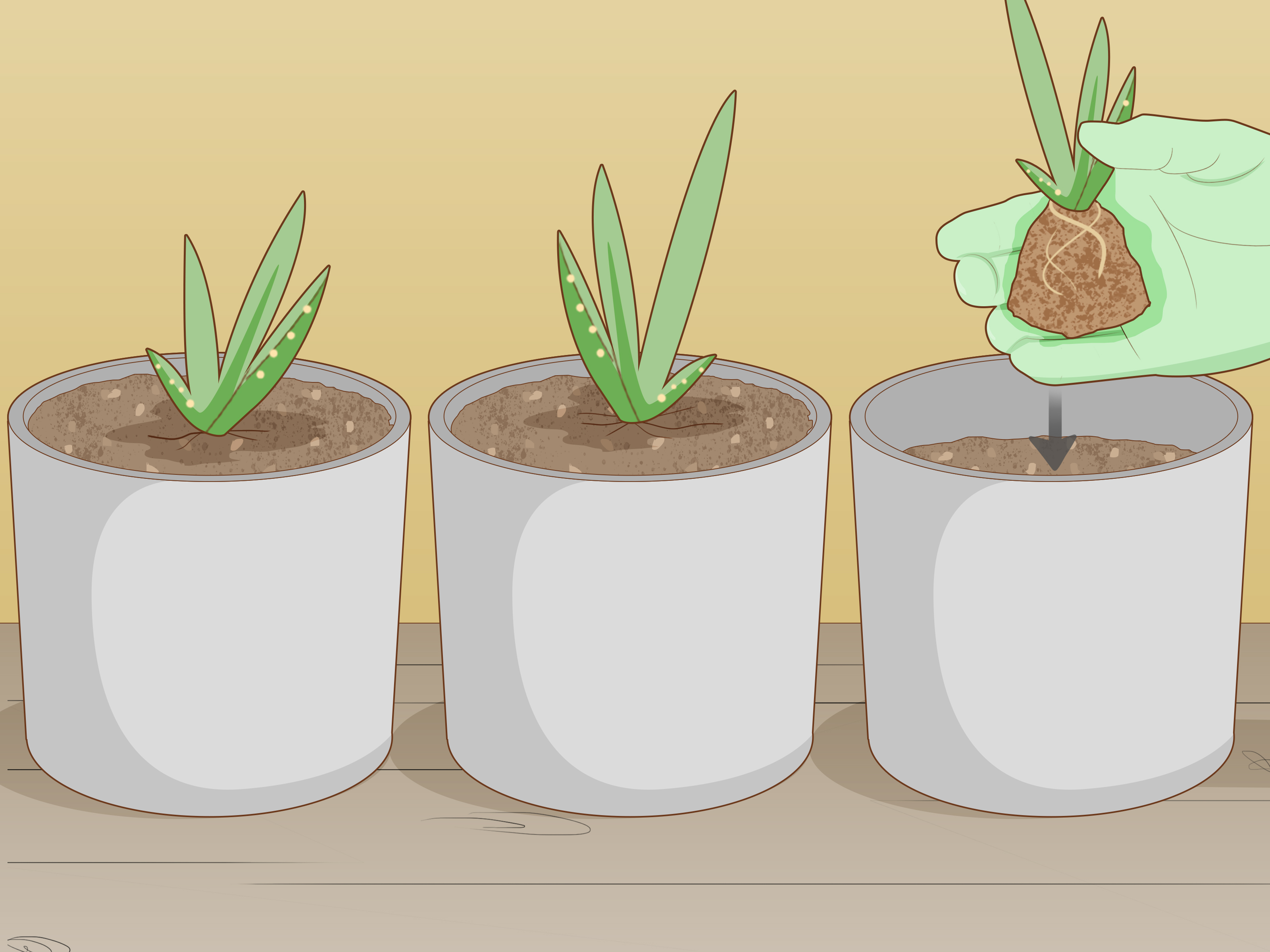
A container without drainage is risky for aloe vera. Even careful watering can leave excess moisture trapped at the bottom. Choose a pot with drainage holes, and avoid letting the pot sit in a saucer full of water. Terracotta pots are popular because they breathe and help soil dry faster, although any well-draining container can work.
Aloe does not need a giant pot. In fact, a slightly snug container can be fine as long as the roots are healthy and the plant is not severely cramped. Too much extra soil around the roots can stay wet longer than needed.
Feed Lightly, Not Aggressively
Aloe vera is not a heavy feeder. Too much fertilizer can damage roots, encourage weak growth, or leave mineral buildup in the soil. If you feed, do it sparingly during the active growing season, usually spring or early summer. A diluted succulent or houseplant fertilizer is enough.
Avoid the temptation to dump high-powered bloom fertilizer into the pot and expect instant flowers. Aloe blooming depends more on maturity, light, seasonal rhythm, and root health than on a miracle bottle. Fertilizer can support growth, but it cannot replace sunshine and proper care.
Common Reasons Aloe Vera Refuses to Bloom
If your aloe vera is not flowering, do not assume you have failed. Indoor blooming is naturally less common. Still, a few common problems can lower the odds.
The Plant Is Too Young
Young aloe plants usually will not bloom. If your plant is still small or recently propagated from a pup, give it time. Focus on healthy growth first. Flowers can come later, when the plant has enough stored energy.
It Is Not Getting Enough Light
Aloe can look alive in moderate light while still lacking the energy to bloom. If the plant is floppy, stretched, or leaning hard toward the window, increase light gradually.
It Is Overwatered
Overwatered aloe often develops soft leaves, yellowing, or rot near the base. A stressed root system will not support flowering. Let the soil dry, improve drainage, and repot if the roots are damaged.
It Never Gets a Seasonal Rest
Aloe kept warm, watered, and dim all winter may simply keep existing without receiving a bloom trigger. A dry, bright, cooler rest period can make a difference for mature plants.
What to Do When Aloe Vera Finally Blooms
When your aloe vera sends up a flower stalk, congratulations. You have earned the right to casually mention it to every visitor who enters your home. The flower stalk may rise well above the leaves and open gradually. Keep caring for the plant normally, giving it bright light and careful watering.
After the flowers fade, you can cut the spent stalk near the base with clean scissors or pruning shears. Do not remove healthy leaves just because the plant bloomed. Aloe vera is not like some succulents that die after flowering. A healthy aloe can continue growing and may bloom again in future seasons.
Real-Grower Experience: What Actually Helps Aloe Vera Bloom
In real-life indoor gardening, the biggest change is usually not fertilizer or fancy soil. It is light. Many aloe owners keep their plants in places that look bright to human eyes but are still too dim for a desert-loving succulent. A room can feel sunny while the plant is actually several feet away from usable light. Moving aloe closer to a bright window often improves growth within weeks.
Another common experience is that aloe vera becomes much stronger after a summer outdoors. The leaves often grow thicker, the color deepens, and the whole plant looks more compact. The important trick is patience. A plant moved outside too quickly can burn. A plant introduced slowly to morning sun or filtered light usually adapts better. By late summer, it may handle more direct light, especially if temperatures are warm and airflow is good.
Growers also learn that watering less is harder than it sounds. Aloe vera does not want constant attention with a watering can. Many struggling plants improve when their owners stop watering “just a little” every few days. A deeper watering followed by a full dry-down is usually better. The pot should feel lighter before watering again, and the top few inches of soil should be dry.
Repotting can also change the plant’s behavior. An aloe in heavy, old, compacted soil may grow slowly for years. Once moved into a gritty succulent mix with proper drainage, it often begins producing healthier leaves. That does not guarantee instant flowers, but it builds the foundation. A weak aloe will not bloom simply because someone added fertilizer. A strong aloe in the right environment at least has a fighting chance.
The most satisfying bloom stories usually come from growers who combine all three methods: bright light, a drier winter rest, and excellent drainage. They stop treating aloe like a leafy tropical houseplant and start treating it like the sun-loving succulent it is. The result may not appear overnight. Sometimes the plant needs one full seasonal cycle before it responds. But when that flower stalk finally rises from the center, it feels like the aloe has handed over a tiny trophy.
The final lesson is to adjust expectations. Aloe vera flowers are wonderful, but the plant is still valuable even without blooms. Thick, healthy leaves, steady offsets, and a sturdy rosette are all signs of good care. Flowers are the bonus round. Give your aloe the right conditions, let it mature, and resist the urge to fuss too much. The plant may reward you when it is readyand because it is aloe, it will do so on its own mysterious schedule.
Conclusion
To force bloom on aloe vera, think less about forcing and more about encouraging. A mature aloe needs strong light, a dry and cool rest period, fast-draining soil, and light feeding during active growth. When these conditions come together, the plant has the energy and seasonal signal it needs to flower.
If your aloe has not bloomed yet, do not panic. Improve the basics first: brighter light, careful watering, good drainage, and patience. Aloe vera is not a vending machine for flowers. It is a slow, sturdy succulent that rewards consistent care. Give it a sunny life with just enough seasonal stress, and one day you may spot that tall bloom stalk rising like a tiny botanical victory flag.