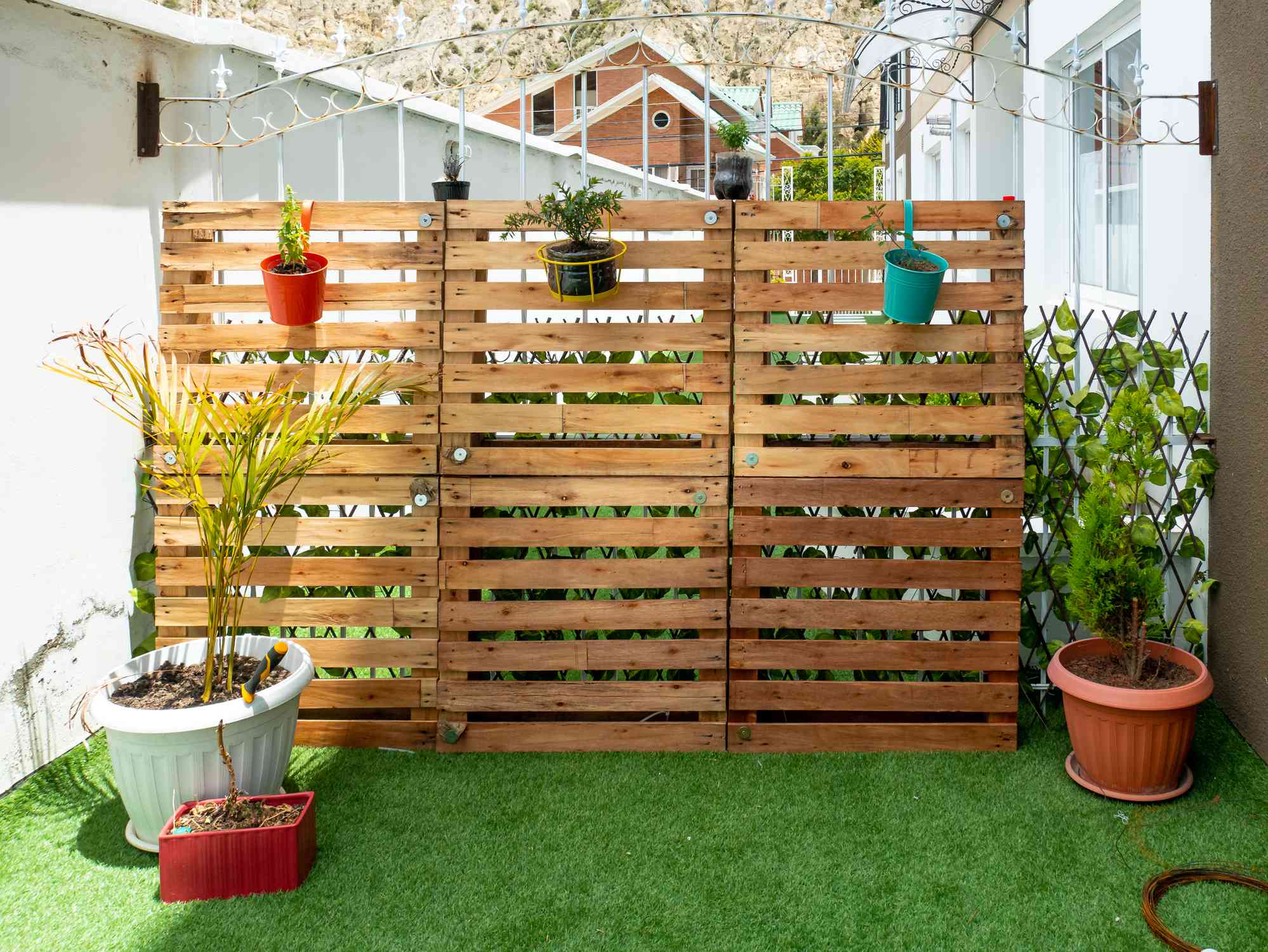
A good fence can make a yard feel finished, private, cozy, and just a little smug. The problem? Traditional fencing can cost enough to make your wallet crawl under the porch and refuse to come out. That is exactly where pallet fence ideas shine. Wood pallets are often free or inexpensive, surprisingly versatile, and ready to become anything from a rustic garden border to a full backyard privacy screen.
Of course, a DIY pallet fence is not magic. You still need clean pallets, basic tools, a sensible layout, and enough patience not to declare war on every stubborn nail. But compared with buying new fence panels, upcycled pallet fencing can deliver serious charm for very little money. Whether you want to protect vegetables from rabbits, hide trash bins, create a farmhouse-style backdrop, or give your patio a more private feel, pallets can do the job with personality.
Below are 18 pallet fence ideas that cost next to nothing to build, plus practical tips, safety notes, and real-world experience to help your project look intentional rather than “I found some wood and got emotionally ambitious.”
Before You Build: Choose the Right Pallets
Start with pallets that are dry, sturdy, and free of oil stains, chemical spills, mold, or strange odors. For garden and backyard projects, look for pallets marked “HT,” which means heat-treated. Avoid pallets marked “MB,” which indicates methyl bromide fumigation. If a pallet looks suspicious, smells suspicious, or appears to have survived a mystery industrial adventure, leave it behind. Free wood is only a bargain when it is safe to use.
You should also check local rules before building a tall or permanent fence. Many cities, counties, and homeowner associations have requirements for fence height, placement, setbacks, and street-facing appearance. For low garden borders, you may be fine. For a six-foot privacy fence, do your homework first. Nothing ruins a weekend project like having to take it down because the neighborhood clipboard committee has awakened.
18 Pallet Fence Ideas for a Budget-Friendly Yard
1. Classic Upright Pallet Garden Fence
The simplest pallet garden fence is made by standing whole pallets upright and fastening them between posts or stakes. This works beautifully around vegetable gardens, compost areas, or small flower beds. The open slats allow sunlight and airflow while creating a clear boundary. For extra strength, attach the pallets to pressure-treated posts set in gravel or concrete. Add a gate made from one pallet, and you have a charming garden enclosure for the cost of hinges and screws.
2. Rustic Picket-Style Pallet Fence
If you love the look of a classic picket fence but not the price tag, disassemble pallets and cut the boards into pickets. You can leave the tops flat for a clean farmhouse look or cut them into points for a traditional cottage style. Attach the pickets to horizontal rails, spacing them evenly. This idea takes more time than using whole pallets, but the result looks more polished and less like your fence used to deliver refrigerators.
3. Horizontal Slat Privacy Screen
A horizontal pallet fence feels modern, especially when the boards are arranged with slim, even gaps. Use pallet planks as horizontal slats attached to sturdy posts. This design is excellent for patios, hot tub corners, outdoor dining areas, or anywhere you want privacy without building a wooden wall that says, “I am hiding from society.” Stain the boards in a warm brown or charcoal tone for a sleek backyard upgrade.
4. Double-Stacked Pallet Privacy Fence
For more height, stack pallets two high and secure them to strong posts. This creates a pallet privacy fence that can block views from neighbors, alleys, or busy streets. Because stacked pallets catch more wind, stability matters. Use deep posts, strong screws, and cross-bracing where needed. This idea works best as a partial privacy wall rather than a full property-line fence unless you are prepared to reinforce it properly.
5. Pallet Fence With Built-In Planters
One of the prettiest pallet fence ideas is to turn the top or front of the fence into a planter display. Attach small planter boxes to the boards and fill them with herbs, trailing flowers, strawberries, or succulents. A pallet fence with built-in planters is perfect for small yards because it combines structure and greenery in one footprint. It also distracts visitors from imperfect boards, which is extremely useful if your carpentry style is “enthusiastic but negotiable.”
6. Whitewashed Farmhouse Pallet Fence
Whitewashing gives rough pallet wood a softer, brighter look without hiding every knot and weathered mark. Mix white exterior paint with a little water, brush it on lightly, and wipe away excess for a relaxed farmhouse finish. This is a great choice for cottage gardens, chicken runs, and backyard seating areas. Whitewashed pallets reflect light, make small spaces feel larger, and look intentionally rustic rather than accidentally abandoned.
7. Rainbow Pallet Fence for a Play Area
If the fence is for a children’s play zone, craft corner, or cheerful backyard garden, paint each pallet board a different color. Use leftover exterior paint to keep costs low. A rainbow pallet fence brings instant joy and turns mismatched wood into a feature. Keep brighter colors on the inside of your yard if your HOA has strong feelings about “visual harmony,” which is often code for “beige forever.”
8. Pallet Fence With a Matching Gate
A fence feels more finished when it includes a gate. Use one pallet as the gate panel, reinforce it with diagonal bracing, and hang it from a sturdy post with outdoor-rated hinges. Add a latch, handle, and maybe a little sign if you want full garden charm. This works especially well for vegetable patches, dog areas, and side-yard storage zones. Make sure the gate clears the ground so it does not drag after rain.
9. Mini Pallet Border Fence
Not every fence needs to be tall. A mini pallet border fence can define flower beds, line a walkway, or separate a lawn from a garden without blocking the view. Cut pallets down into shorter sections or use only the top boards. This is one of the easiest DIY pallet fence projects for beginners because it does not require heavy posts or complicated framing. It is more decorative than defensive, so do not expect it to stop a determined dog, toddler, or raccoon with career goals.
10. Pallet Fence for Raised Garden Beds
Pair pallet fencing with raised beds for an organized kitchen garden. Use the fence as a backdrop for tomatoes, beans, cucumbers, or climbing flowers. You can also attach trellis netting to the pallet frame. The result is practical and attractive: the fence defines the garden while supporting vertical growth. Keep any pallet wood used near edible plants clean, untreated, and safely sourced.
11. Staggered-Height Pallet Fence
A staggered-height design gives your fence a custom look even when the materials are mismatched. Cut sections at different heights or use pallets of varying sizes, then arrange them in a pleasing rhythm. This works nicely along garden paths or patio edges. Add caps or trim boards along the top for a more finished appearance. The secret is to make the unevenness look deliberate. Confidence is half of DIY design.
12. Pallet Fence With Wire Mesh
For a garden that needs more protection, combine pallet frames with wire mesh. The pallets provide structure, while the mesh keeps out rabbits, chickens, or other small visitors who did not RSVP. Staple galvanized wire to the inside of the fence and secure it tightly. This idea is especially useful when whole pallets have gaps that are too wide for garden protection. It keeps the rustic look while improving function.
13. Pallet Privacy Wall for a Patio
You do not need to fence the entire yard to enjoy more privacy. Build a short run of pallet panels around a patio, grill area, or outdoor sofa. Add string lights, hanging plants, or a narrow shelf for drinks and lanterns. A pallet privacy wall can make a plain concrete slab feel like an outdoor room. It is cheaper than a pergola, easier than masonry, and less dramatic than telling your neighbors you need “space.”
14. Dark-Stained Modern Pallet Fence
Pallet wood does not have to look country or rustic. Sand the boards, align them neatly, and apply a dark exterior stain. Black, espresso, or deep walnut tones can make a pallet fence look surprisingly modern. Pair it with gravel, ornamental grasses, metal planters, and simple outdoor furniture. The contrast between recycled wood and clean design gives the yard a stylish, budget-smart edge.
15. Pallet Fence With Climbing Plants
Use your DIY pallet fence as a living trellis. Plant climbing roses, clematis, morning glories, jasmine, or pole beans along the base. As the plants grow, they soften rough wood and add seasonal color. This idea is ideal when your pallets are structurally solid but not beauty-pageant material. Nature is excellent at covering flaws, which is why vines deserve more credit in home improvement.
16. Portable Pallet Fence Panels
If you rent or need flexibility, build freestanding pallet fence panels with simple feet or bases. These can screen trash cans, create temporary pet zones, or hide utility areas without digging holes. Portable panels are not as wind-resistant as permanent fencing, so place them in sheltered spots and weigh the bases if needed. This is a smart option for renters who want privacy without having an awkward conversation with the landlord.
17. Pallet Fence Around a Compost Area
A compost area does not have to look like a backyard crime scene for vegetable scraps. Pallets are ideal for building a simple compost enclosure because the gaps allow airflow. Use three or four pallets to create a bin, then add a front gate or removable panel for turning the pile. This fence idea is practical, nearly free, and perfect for gardeners who enjoy turning kitchen scraps into soil like backyard alchemists.
18. Decorative Pallet Fence With Salvaged Details
Finish your pallet fence with salvaged details: old hooks, lanterns, house numbers, garden tools, clay pots, shutters, or small shelves. These additions make the fence look collected and charming rather than merely cheap. A few thoughtful details can transform rough pallet boards into a focal point. The goal is not perfection. The goal is character, function, and a yard that looks like someone creative lives there.
How to Make a Pallet Fence Look Better
The difference between “upcycled chic” and “loading dock leftovers” usually comes down to finishing. First, clean the pallets with a stiff brush and mild soap. Let them dry thoroughly. Next, sand rough edges, splinters, and high-touch areas. You do not need furniture-level smoothness, but nobody wants a fence that fights back.
For a more polished look, trim uneven boards, align the tops, and add cap rails. A simple top board can make the whole fence feel designed. Exterior stain, paint, or sealant helps protect the wood from weather and gives the project a consistent look. If your pallets are mismatched, choose one finish color to unify everything. When in doubt, plants are your best friend. Hanging baskets, vines, and planter boxes can turn humble pallet boards into a garden feature.
Practical Building Tips for a Stronger DIY Pallet Fence
Even a low-cost fence should be safe and stable. Plan your layout with string lines before you start attaching panels. Mark corners, gates, and post locations. If the fence will be tall, exposed to wind, or used as a privacy screen, install real posts rather than relying on pallets to stand on their own. Posts should be plumb, braced, and set according to local conditions.
Use exterior-rated screws instead of indoor fasteners. Pallet boards are often dry and brittle, so predrilling can prevent splitting. Keep wood slightly above soil level when possible to reduce rot. Add gravel at post bases for drainage. If your climate is wet, seal exposed end grain and inspect the fence each season. A pallet fence can last several years with care, but it is still reclaimed softwood, not a lifetime fortress.
My Experience Notes: What Actually Matters When Building a Pallet Fence
The first thing you learn with pallet fence projects is that “free” does not always mean “easy.” Pallets vary wildly. Some are clean, square, and practically begging for a second life. Others are warped, cracked, nailed together with the determination of a medieval blacksmith, and somehow heavier than regret. The best experience starts before building: collect more pallets than you think you need, then sort them. Use the strongest ones for visible fence panels and save the rough ones for spare boards, braces, or test cuts.
Disassembling pallets is usually the slowest part. A pry bar works, but a pallet buster tool saves time and reduces broken boards. If you only need a rustic fence, using whole pallets is much faster. If you want a polished picket or slat fence, expect extra labor. That is the trade-off: whole pallets are quick and chunky; dismantled pallets are prettier but more work. Neither is wrong. It depends on whether your weekend has one free afternoon or an entire personality shift available.
Another lesson: posts matter more than panels. Many beginners focus on the pallet boards because they are the visible part, but a wobbly fence with cute boards is still a wobbly fence. For anything taller than a small garden border, use sturdy posts. Set them straight, brace them while the concrete or backfill settles, and check alignment often. A level is not optional unless you enjoy fences that lean like they are listening to gossip.
Finishing also changes everything. Raw pallet wood can look charming, but it weathers quickly. A coat of exterior stain or paint makes mismatched boards feel intentional. Dark stain looks modern. Whitewash looks farmhouse. Bright colors look playful. Clear sealer keeps the raw-wood look while adding some protection. If the fence faces rain, sprinklers, or strong sun, sealing is worth the small cost.
Finally, do not underestimate small details. A simple gate latch, a straight top rail, a row of herbs, or evenly spaced screws can make a budget fence feel custom. The best pallet fences are not pretending to be luxury cedar fences. They have their own charm: practical, resourceful, relaxed, and a little scrappy in the best possible way. Build it safely, finish it thoughtfully, and let the character show.
Conclusion
Pallet fence ideas are proof that a beautiful backyard upgrade does not have to empty your bank account. With clean heat-treated pallets, smart planning, and a few basic tools, you can build a garden fence, privacy screen, compost enclosure, patio wall, or decorative border for next to nothing. The key is to match the design to the job. Use whole pallets for fast rustic projects, dismantled boards for polished picket or slat fences, and sturdy posts whenever height or wind becomes a factor.
A DIY pallet fence will not replace every professional fencing solution, but it can solve plenty of everyday backyard problems with style. It can protect vegetables, hide clutter, frame a seating area, support climbing plants, and make your outdoor space feel more personal. Best of all, it gives discarded wood a useful second act. That is budget-friendly, eco-friendly, and just smug enough to feel fantastic.
Note: Always choose clean, dry, heat-treated pallets, avoid stained or chemically marked wood, wear gloves and eye protection, and check local fence rules before building permanent or tall structures.