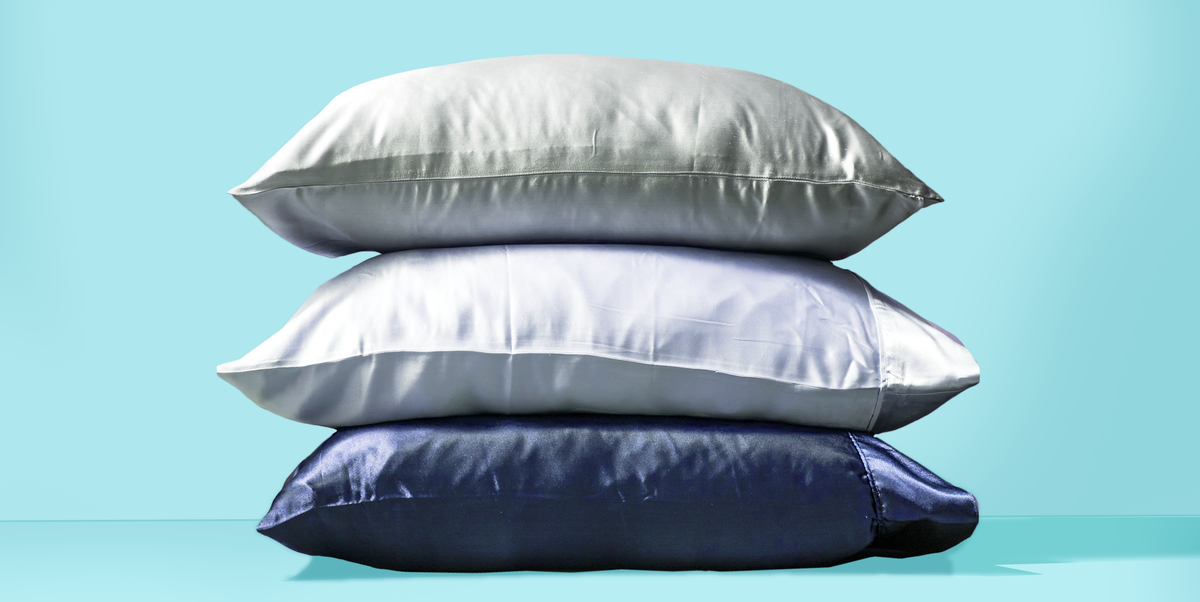
Some beauty upgrades require a 12-step routine, a tiny gold spatula, and the emotional strength to read an ingredient label in 6-point font. A silk pillowcase is not one of them. You put it on your pillow, sleep on it, and let the fabric do its quiet little job while you dream about remembering your passwords.
But is a silk pillowcase actually good for your skin and hair, or is it just another “beauty sleep” trend wearing a very expensive outfit? According to dermatologists and hair-care experts, the answer is somewhere in the sensible middle. A silk pillowcase will not erase wrinkles, cure acne, regrow hair, or make you wake up looking like you were professionally lit by a movie crew. However, it may help reduce friction, minimize frizz, protect delicate hair, support skin hydration, and make your sleep surface feel smoother and cooler.
The biggest silk pillowcase benefits come from the fabric’s smooth texture and lower absorbency compared with many cotton pillowcases. That matters because your face and hair spend hours pressed against your pillow every night. If the surface is rough, dirty, or overly absorbent, it can contribute to hair tangles, product loss, skin irritation, and those charming morning pillow lines that make your cheek look like it slept on a waffle iron.
Below, we break down the top dermatologist-informed benefits of silk pillowcases for skin and hair, plus how to choose one, how often to wash it, and what real-life results you should actually expect.
Are Silk Pillowcases Really Better for Skin and Hair?
Silk pillowcases are often recommended because silk has a naturally smooth surface. Unlike rougher woven fabrics, silk allows skin and hair to glide more easily as you move during sleep. This reduced friction is the main reason silk pillowcases are popular for people with curly hair, fine hair, color-treated hair, sensitive skin, or acne-prone skin.
Dermatologists tend to be careful about the word “benefit.” A silk pillowcase can support a healthier skin and hair routine, but it is not a treatment for medical skin conditions. If you have persistent acne, eczema, scalp irritation, hair loss, or unexplained breakage, a dermatologist should be your first stop. Think of silk as a helpful supporting character, not the superhero who saves the whole plot.
10 Silk Pillowcase Benefits for Skin and Hair
1. Silk Pillowcases May Reduce Hair Friction
One of the most practical benefits of a silk pillowcase is reduced friction. When your hair rubs against a traditional cotton pillowcase, especially while you toss and turn, the fibers can create drag. That drag may contribute to tangles, frizz, and breakage over time.
Silk gives hair a smoother surface to move across. This is especially useful for curly, coily, textured, fine, fragile, bleached, or chemically treated hair. These hair types are often more vulnerable to mechanical damage, meaning damage caused by pulling, rubbing, brushing, or tight styling.
For example, someone with shoulder-length curls may wake up with less flattened curl shape and fewer knots after switching to silk. Someone with highlighted hair may notice fewer rough ends because the hair is not scraping against a dry, high-friction surface all night.
2. Silk Can Help Minimize Frizz and Morning Bedhead
Frizz happens when the hair cuticle is raised, dry, or disrupted. While humidity, heat styling, and hair health all play a role, nighttime friction can make frizz worse. A silk pillowcase helps reduce that rubbing, which may leave hair looking smoother in the morning.
This does not mean you will wake up with a fresh salon blowout. Your pillowcase is talented, but it is not holding a round brush. However, silk can help preserve your style better than rougher fabrics. Blowouts, silk presses, curls, braids, and waves may hold their shape longer because the hair experiences less tugging while you sleep.
For best results, pair a silk pillowcase with a loose braid, a soft scrunchie, or a silk bonnet if your hair is long, curly, or easily tangled. The pillowcase helps; the full routine helps more.
3. Silk May Help Protect Delicate or Breakage-Prone Hair
Hair breakage is not the same as hair loss from the root. Breakage happens when the hair shaft snaps, often because it has been weakened by heat styling, coloring, chemical treatments, dryness, or tension. Since friction can add stress to already fragile strands, switching to silk may be a small but meaningful protective step.
This is especially relevant for people who use bleach, relaxers, permanent color, hot tools, tight hairstyles, or frequent brushing. A silk pillowcase will not repair split ends, but it may reduce the nightly stress that makes damaged hair worse.
Think of it like switching from a gravel road to a smoother highway. Your car still needs maintenance, but at least the ride is gentler.
4. Silk Pillowcases May Help Skin Retain Moisture
Cotton is loved for many good reasons: it is breathable, washable, affordable, and comfortable. But cotton can also absorb moisture from your skin and hair. Silk is generally less absorbent, which means it may help keep more of your nighttime moisturizer, facial oil, or hair product where you put it.
This can be helpful for people with dry skin, mature skin, or skin that feels tight in the morning. If you apply a gentle moisturizer before bed, a silk pillowcase may absorb less of that product than a standard cotton pillowcase. The result is not instant glass skin, but your face may feel less dry when you wake up.
For the best skin hydration results, apply moisturizer to slightly damp skin, give it a few minutes to settle, and then go to bed on a clean silk pillowcase. Your skincare routine deserves better than being donated to your bedding.
5. Silk May Be Gentler on Sensitive Skin
Sensitive skin often reacts to friction, rough textures, heat, sweat, fragrance, laundry detergent, and residue from hair products. A smoother pillowcase surface may help reduce rubbing against the cheeks, jawline, and forehead, especially for side sleepers.
People with easily irritated skin may appreciate silk because it feels soft and smooth rather than scratchy. Still, fabric is only one part of the equation. If your pillowcase is washed with heavily fragranced detergent or coated in fabric softener residue, even silk can become irritating.
For sensitive skin, choose a gentle, fragrance-free detergent and skip fabric softeners. They can leave residue that may bother reactive skin. Clean, simple, and boring usually wins. Dermatology is not always glamorous; sometimes it is just laundry with boundaries.
6. Silk Pillowcases May Help Reduce Sleep Creases
Sleep creases are temporary lines that appear when your face is pressed into bedding for hours. They usually fade after you wake up, but repeated compression and friction may make lines more noticeable over time, especially if you sleep on your side or stomach.
A silk pillowcase may help because the surface creates less drag against the skin. Instead of your face catching and folding against a rougher fabric, it can glide more smoothly. This may reduce the intensity of those morning creases.
That said, silk does not replace sunscreen, retinoids, moisturizer, or healthy sleep habits. If wrinkle prevention is your goal, dermatologists usually emphasize daily sun protection first. Silk is a nice bonus, not a time machine with a zipper closure.
7. Silk Can Support Acne-Prone Skin When Combined With Clean Bedding Habits
Can a silk pillowcase cure acne? No. Acne is influenced by clogged pores, oil production, bacteria, inflammation, hormones, genetics, medications, skincare products, and more. A pillowcase alone cannot solve all that.
However, your pillowcase touches your face for hours and can collect sweat, oil, dead skin cells, makeup residue, hair products, and bacteria. For acne-prone skin, changing pillowcases frequently is more important than the fabric itself. Silk may help by creating less friction and absorbing less moisture and product, but it must be clean to be useful.
If you have acne-prone skin, change your pillowcase at least once or twice a week. If you sweat at night, use heavy hair products, sleep with makeup on, or have oily skin, every two to three days may be better. A dirty silk pillowcase is still dirty. Luxury bacteria are still bacteria.
8. Silk May Help Preserve Hairstyles Overnight
If you have ever spent 45 minutes styling your hair only to wake up looking like you fought a ceiling fan, you already understand the importance of nighttime hair protection. Silk pillowcases may help preserve hairstyles by reducing friction, flattening, and tangling.
Curly hair may hold definition better. A blowout may stay smoother. A silk press may last longer with fewer creases. Braids and protective styles may experience less rubbing around the hairline. Fine hair may look less roughed-up in the morning.
For even better results, do not sleep with wet hair unless your hair type and routine can handle it. Wet hair is more fragile and can stretch more easily. Let hair dry, use a loose protective style, and let the silk pillowcase act as your soft landing pad.
9. Silk Pillowcases Can Feel Cooler and More Comfortable
Many people love silk pillowcases simply because they feel cool, smooth, and luxurious. Comfort matters because better sleep supports overall skin and hair health indirectly. When you sleep well, your body has time to recover, regulate inflammation, and maintain normal repair processes.
Silk is not an air conditioner, but it can feel cooler to the touch than some fabrics. Hot sleepers may enjoy the smooth, breathable feel, especially during warmer months. If you tend to flip your pillow to “the cool side,” silk may make that ritual slightly more satisfying.
Just remember that pillow fill, room temperature, mattress material, and humidity also affect sleep comfort. A silk pillowcase is one piece of the bedroom puzzle, not the entire sleep laboratory.
10. Silk Adds a Simple, Low-Effort Upgrade to Your Routine
The best beauty habits are often the ones you can actually maintain. A silk pillowcase is easy because it does not require an extra step every night. Once it is on the pillow, it works passively while you sleep.
This makes it a smart option for people who want better hair and skin habits without adding more products. If your bathroom shelf already looks like a tiny skincare pharmacy, switching your pillowcase may feel refreshingly simple.
The key is consistency. Use it nightly, wash it properly, and manage expectations. You may notice less frizz, fewer tangles, less dryness, and a smoother sleep surface. You probably will not wake up looking airbrushed, but you may wake up looking slightly less like your pillow personally attacked you.
How to Choose the Best Silk Pillowcase
Look for 100% Mulberry Silk
Mulberry silk is widely considered the gold standard for silk bedding because the fibers are long, smooth, and durable. If your goal is skin and hair comfort, look for a pillowcase labeled 100% mulberry silk rather than “silky,” “silk-like,” or “satin feel.” Those descriptions may refer to polyester satin, which can still be smooth but is not the same fiber as real silk.
Check the Momme Weight
Momme is a measurement of silk fabric weight and density. For pillowcases, many shoppers look for silk in the 19 to 25 momme range. A lower momme may feel lighter and more affordable, while a higher momme often feels thicker and more durable. The right choice depends on your budget and preference.
Choose a Secure Closure
An envelope closure or hidden zipper keeps the pillow inside the case. This matters more than it sounds. If the pillow slides out during the night, your face may end up on the actual pillow instead of the silk pillowcase, which is not exactly the luxury experience you paid for.
Pick Easy-Care Silk
Some silk pillowcases are hand-wash only, while others can be machine washed on a delicate cycle. Always follow the care label. Use gentle detergent, cold water, and a mesh laundry bag if machine washing is allowed. Avoid bleach and high heat, which can weaken silk fibers.
Silk vs. Satin Pillowcases: What Is the Difference?
Silk is a natural fiber. Satin is a weave. That means satin can be made from silk, polyester, nylon, or other materials. A satin pillowcase can feel smooth and may reduce friction, but it is not automatically silk.
If you want the natural fiber benefits of silk, choose a product labeled 100% silk or 100% mulberry silk. If your main goal is simply reducing friction on a budget, satin may still be a useful option. Many dermatologists and hairstylists mention both silk and satin because both can offer a smoother surface than standard cotton.
How Often Should You Wash a Silk Pillowcase?
Wash or change your silk pillowcase at least weekly. If you have acne-prone skin, oily hair, night sweats, allergies, or use leave-in hair products, change it every two to three days. Clean bedding matters because pillowcases collect oil, sweat, dead skin cells, skincare products, and environmental debris.
To wash silk, use a gentle detergent and cool water. If machine washing is allowed, place the pillowcase in a mesh bag and use a delicate cycle. Air-drying is usually safest. Do not use fabric softener, because it can leave residue on the fabric and may irritate sensitive skin.
Who Benefits Most From a Silk Pillowcase?
A silk pillowcase may be especially helpful if you have curly or coily hair, frizz-prone hair, fine hair, fragile hair, color-treated hair, dry skin, sensitive skin, or acne-prone skin that gets irritated by friction. It may also be worth trying if you are a side sleeper who wakes up with deep pillow marks.
However, silk is not mandatory for everyone. If your cotton pillowcase is clean, soft, and not causing issues, you may not need to change anything. The best pillowcase is one that supports your skin, protects your hair, feels comfortable, and gets washed regularly.
Common Myths About Silk Pillowcases
Myth: Silk Pillowcases Cure Acne
Silk may reduce friction and absorb less moisture, but acne usually requires a consistent skincare routine and sometimes medical treatment. Clean pillowcases help, but they are not a cure.
Myth: Silk Pillowcases Remove Wrinkles
Silk may reduce sleep creases, but it cannot remove established wrinkles. Sunscreen, retinoids, hydration, and professional treatments have stronger evidence for wrinkle management.
Myth: Silk Pillowcases Stop Hair Loss
Silk may reduce breakage from friction, but it does not treat hair loss from hormones, genetics, illness, medication, or scalp conditions. If you see shedding, thinning, bald patches, or sudden changes, talk to a dermatologist.
500-Word Experience Section: What It Feels Like to Switch to a Silk Pillowcase
The first night with a silk pillowcase can feel surprisingly fancy, like your bed suddenly got invited to a boutique hotel and forgot to tell you. The surface feels cool, smooth, and soft against the cheek. If you are used to cotton, the difference is noticeable right away. Your skin does not drag across the fabric in the same way, and your hair moves more freely when you turn your head.
After a few nights, the biggest change many people notice is not dramatic skin transformation. It is hair behavior. Morning tangles may be easier to brush out. Curly hair may look less crushed. Fine hair may have fewer flyaways. Long hair may feel less knotted at the nape of the neck. If you usually wake up with one mysterious section of hair standing straight up like it has received shocking news, silk may help calm the situation.
For skin, the experience is more subtle. People with dry skin may notice their face feels less tight in the morning, especially when they apply moisturizer before bed. Side sleepers may see fewer deep pillow lines on the cheeks. Sensitive skin may feel less rubbed or irritated. These are small improvements, but small improvements are often what make a routine easier to keep.
One realistic example: imagine someone with dry, color-treated, shoulder-length hair and combination skin. With a cotton pillowcase, they might wake up with frizz around the crown, flattened ends, and a cheek crease that looks like punctuation. After switching to silk, they may still wake up with imperfect hair, because sleep is not a professional styling service, but the hair may feel smoother and easier to refresh. A little water mist or leave-in conditioner may be enough to revive the shape instead of starting from zero.
Another example: someone with acne-prone skin might switch to silk expecting instant clear skin. That expectation can lead to disappointment. The better approach is to use silk as part of a clean-sleep routine. Wash the face before bed, keep hair products away from the face, change the pillowcase every few days, and avoid sleeping in makeup. In that context, silk may reduce irritation and help the skin stay calmer, but it should work alongside proven acne care, not replace it.
The care routine is the part people sometimes underestimate. Silk needs gentle washing. If you throw it into hot water with towels, jeans, and aggressive detergent, it may lose its smooth feel faster. Treat it kindly: cool water, gentle detergent, no bleach, and air-drying when possible. Basically, wash it like it has feelings.
Overall, the experience of using a silk pillowcase is less about overnight miracles and more about comfort, consistency, and reducing unnecessary friction. It is a small upgrade that can make bedtime feel more intentional. You may not wake up looking like a skincare advertisement, but you may wake up with smoother hair, a softer sleep surface, and fewer reasons to argue with your mirror before breakfast.
Conclusion
Silk pillowcases are not magic, but they are genuinely useful for many people. Dermatologist-informed benefits include reduced friction, less frizz, fewer tangles, better moisture retention, a gentler surface for sensitive skin, and a cleaner-feeling sleep routine when washed regularly. The best results come when silk is paired with smart habits: gentle skincare, regular pillowcase changes, careful hair protection, and realistic expectations.
If your hair breaks easily, your curls lose shape overnight, your skin feels dry in the morning, or your pillowcase leaves lines on your face, switching to silk may be worth trying. Choose 100% mulberry silk, wash it properly, and give it time. Your pillow may not become a dermatologist, but it can become a much better roommate for your skin and hair.