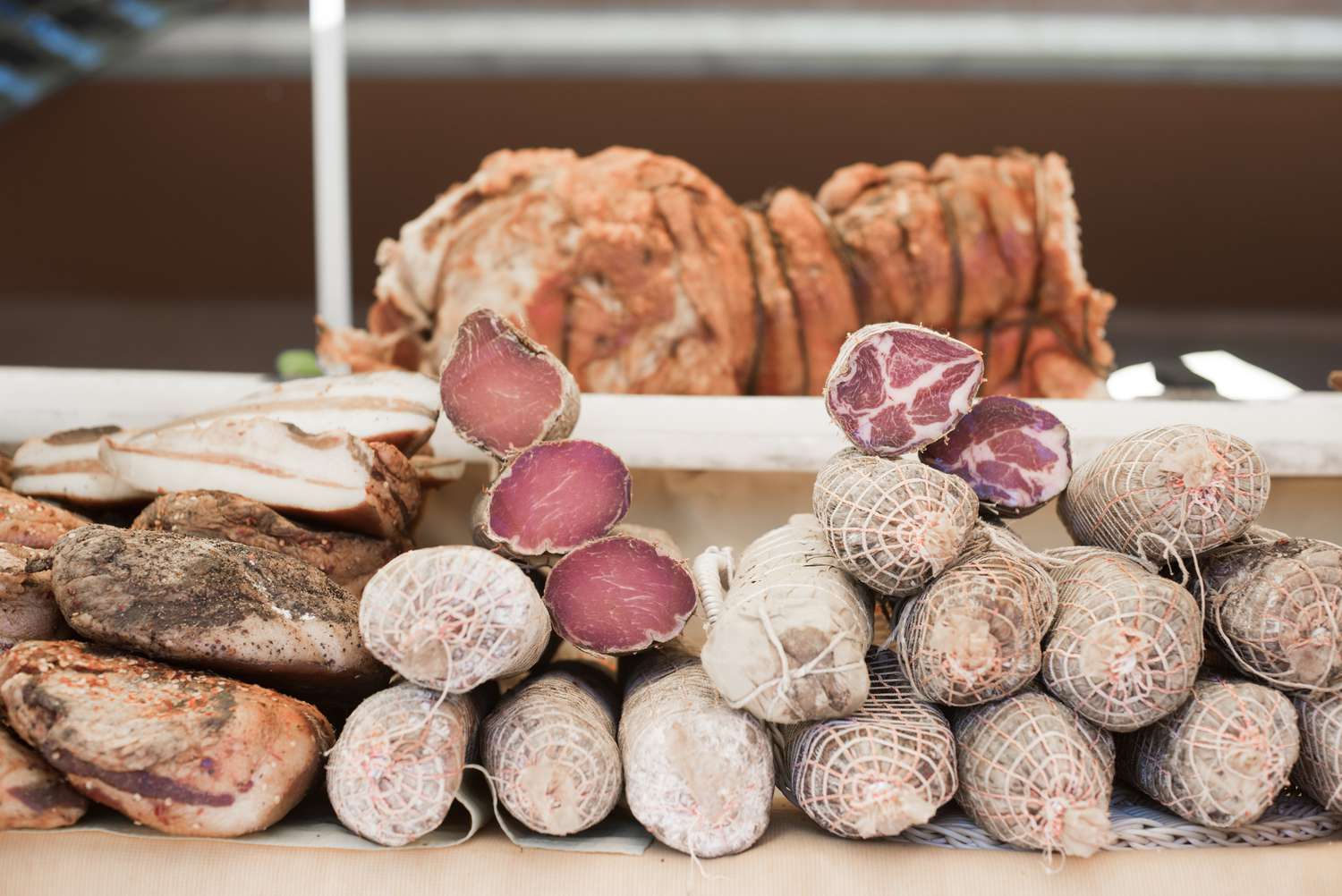
Italian food has a charming way of turning humble ingredients into dishes that feel like a warm hug from a grandmother who refuses to let you leave the table hungry. And pork? Pork is one of Italy’s great culinary storytellers. From crisp-skinned porchetta perfumed with fennel to Roman pasta glossy with guanciale, classic Italian pork dishes show how regional cooking can be rustic, elegant, bold, and comforting all at once.
Across Italy, pork appears in celebration meals, weeknight sauces, winter stews, street food, and holiday traditions. Some dishes are famous worldwide, while others are regional treasures that deserve a louder round of applause. This guide explores 10 classic Italian pork dishes, including where they come from, what makes them special, and how they are usually enjoyed. Bring an appetite. A small espresso afterward would not hurt either.
Why Pork Is So Important in Italian Cooking
Pork has long played a central role in Italian cuisine because it is versatile, flavorful, and practical. Historically, families used nearly every part of the pig, preserving meat as salumi, simmering tougher cuts into stews, and seasoning sauces with cured pork. This nose-to-tail approach created dishes that were economical without ever feeling boring.
Regional identity also matters. In Rome, guanciale gives pasta alla gricia and amatriciana their unmistakable depth. In Emilia-Romagna, cotechino appears during New Year celebrations. In Lombardy, cassoeula turns pork and cabbage into a cold-weather classic. In central Italy, porchetta is a market-day hero. These dishes are more than recipes; they are edible postcards from different corners of Italy.
10 Classic Italian Pork Dishes Every Food Lover Should Know
1. Porchetta
Porchetta may be the ultimate Italian pork showstopper. Traditionally, it is made by seasoning pork with garlic, rosemary, fennel, black pepper, and salt, then rolling and roasting it until the inside becomes tender and the outside turns crisp and deeply golden. In many versions, pork belly is wrapped around loin or shoulder, creating a contrast between juicy meat and crackling skin.
This dish is especially associated with central Italy, including Lazio, Umbria, and Abruzzo. It is often served sliced in sandwiches at markets, festivals, and roadside stands. The flavor is bold but balanced: aromatic herbs, savory pork fat, and that unmistakable fennel note that makes the kitchen smell like a tiny Italian parade just marched through it.
Porchetta is best served warm or at room temperature, tucked into crusty bread or plated with roasted potatoes, bitter greens, or beans. The key is slow cooking and confident seasoning. This is not the time to whisper with herbs; porchetta likes a little drama.
2. Pasta all’Amatriciana
Pasta all’Amatriciana is one of the most beloved Roman-style pasta dishes, though its roots are tied to the town of Amatrice. The classic sauce is built with guanciale, tomato, Pecorino Romano, and pasta, often bucatini or rigatoni. The guanciale renders slowly, releasing flavorful fat that becomes the backbone of the sauce.
The magic of amatriciana is its balance. Tomato brings brightness, Pecorino adds salty sharpness, and guanciale provides a rich, savory punch. Red pepper flakes are often used for gentle heat, though the dish should not taste like it is trying to win a hot sauce contest.
For the best result, the pasta should be cooked al dente and finished directly in the sauce. A splash of pasta water helps everything cling together. When done right, each bite is smoky, tangy, salty, and satisfying without feeling heavy.
3. Pasta alla Gricia
Pasta alla gricia is sometimes described as amatriciana without tomato, but that undersells its beauty. This classic Roman pasta uses only a few ingredients: guanciale, Pecorino Romano, black pepper, pasta, and starchy pasta water. Simple? Yes. Easy to perfect? Not quite. Italian cooking loves to hide difficulty inside recipes with five ingredients.
The guanciale is cooked until the fat renders and the edges become crisp. Then pasta water and cheese are worked into the pan to create a silky sauce. The result is rich, salty, peppery, and deeply savory. It is proof that pork fat and cheese can hold a serious conversation without tomato interrupting.
Rigatoni, mezze maniche, and spaghetti are common choices. The dish should be glossy, not greasy, and the Pecorino should melt into the sauce instead of clumping. Temperature control is everything. Too much heat and the cheese gets cranky.
4. Pork Ragù with Pappardelle
Italian pork ragù is comfort food with excellent manners. While beef ragù is more famous in some circles, pork shoulder creates a sauce that is rich, tender, and slightly sweet. The meat is usually browned, then slowly simmered with aromatics, wine, herbs, and sometimes tomato until it falls apart.
Pappardelle is a natural partner because the wide ribbons catch the shredded pork and sauce beautifully. Tuscan-style pork ragù may include rosemary, sage, fennel, garlic, onion, and red or white wine. Some versions are tomato-light, allowing the meat and herbs to shine.
This is a dish for slow Sundays, chilly evenings, or any day when dinner deserves a little patience. It also improves after resting, which means leftovers are not a compromise. They are a reward for planning ahead like a culinary genius.
5. Braciole di Maiale
Braciole can mean different things depending on the region and family tradition. In Italian-American cooking, braciole often refers to thin slices of meat rolled around a savory filling, seared, and braised in tomato sauce. Pork braciole, or braciole di maiale, may be stuffed with breadcrumbs, Parmesan, parsley, garlic, and sometimes prosciutto or raisins.
The beauty of braciole is that it transforms a modest cut into something festive. The rolls simmer slowly until tender, releasing flavor into the sauce. That sauce then becomes a second treasure, perfect for pasta before the meat course or spooned over the pork itself.
Braciole is the kind of dish that invites family debate. Someone’s aunt adds pine nuts. Someone’s grandfather insists on extra garlic. Someone else says the sauce must simmer for exactly three hours and not one minute less. Everyone is probably right, at least at their own table.
6. Pork Milanese
Pork Milanese is a crisp, golden cutlet inspired by the famous cotoletta alla Milanese. Traditional cotoletta is often made with veal, but pork chops or pork cutlets are a popular and delicious variation. The meat is pounded or sliced evenly, coated in flour, egg, and breadcrumbs, then pan-fried until crunchy outside and juicy inside.
The best Pork Milanese is simple but precise. The breading should be crisp, not oily. The meat should remain tender. A squeeze of lemon at the end brightens the richness, while a simple arugula salad adds peppery freshness.
This dish is ideal for weeknight cooking because it feels restaurant-worthy without requiring a culinary degree or a dramatic soundtrack. Serve it with roasted potatoes, salad, or a light tomato side dish. It is also excellent as a sandwich the next day, assuming there are leftovers, which is a bold assumption.
7. Cotechino con Lenticchie
Cotechino con lenticchie is a classic Italian holiday dish, especially popular around New Year’s Eve and New Year’s Day. Cotechino is a rich pork sausage from Emilia-Romagna, traditionally made with pork meat, fat, rind, and spices. It is gently simmered, sliced, and served over lentils.
The symbolism is part of the charm. Lentils resemble little coins, so eating them at the start of the year is said to invite prosperity. Whether or not your bank account listens, your stomach certainly will. The earthy lentils balance the richness of the sausage, creating a dish that is hearty and celebratory.
Cotechino is often served with mashed potatoes, polenta, or mostarda as well. Because it is rich, a little goes a long way. Think of it as a festive dish with a very confident handshake.
8. Cassoeula
Cassoeula is a traditional Lombard pork and cabbage stew, especially associated with Milan and the surrounding region. It is a winter dish built from pork ribs, sausage, rind, and sometimes other cuts, slowly cooked with Savoy cabbage and aromatic vegetables.
Historically, cassoeula reflected practical cooking, using various parts of the pig after slaughter season. The cabbage softens into the broth, pork becomes tender, and the stew develops a deep, rustic flavor. It is often served with polenta, which soaks up the savory juices like it was born for the job.
This is not a delicate little appetizer. Cassoeula is hearty, warming, and deeply satisfying. It belongs to cold weather, long tables, and conversations that last after the plates are empty.
9. Spezzatino di Maiale
Spezzatino di maiale is Italian pork stew, typically made with chunks of pork shoulder simmered until tender. Depending on the region, it may include tomatoes, potatoes, peas, peppers, wine, herbs, or broth. The word “spezzatino” refers to meat cut into small pieces, which makes the dish approachable and practical.
Pork shoulder works beautifully because it has enough fat and connective tissue to become tender during slow cooking. The result is a stew that tastes rich without needing complicated technique. In Abruzzo-style versions, sweet and hot peppers may be used, giving the dish warmth and color.
Serve spezzatino with crusty bread, polenta, rice, or simple pasta. It is also one of those dishes that tastes even better the next day, once the flavors have had time to become close friends.
10. Salsiccia e Peperoni
Salsiccia e peperoni, or sausage and peppers, is especially famous in Italian-American cooking, but it draws from Italian traditions of roasted or simmered sausages with vegetables. The dish usually features Italian pork sausage cooked with bell peppers, onions, garlic, olive oil, and sometimes tomato sauce.
It can be served on a plate, over pasta, with polenta, or tucked into a crusty roll as street-fair comfort food. Sweet Italian sausage gives the dish fennel-scented warmth, while hot sausage adds a spicy kick. The peppers soften and sweeten as they cook, balancing the richness of the pork.
This is one of the most crowd-friendly Italian pork dishes because it is colorful, affordable, and easy to scale up. It smells incredible, tastes even better, and has the rare power to make people wander into the kitchen asking, “Is dinner ready yet?” every four minutes.
Common Ingredients in Classic Italian Pork Dishes
Although these dishes come from different regions, several ingredients appear again and again. Garlic, rosemary, sage, fennel, black pepper, and bay leaves are common flavor builders. Pecorino Romano adds salty intensity to Roman pasta, while tomatoes bring acidity to braises and sauces. Wine helps deglaze pans and deepen flavor.
Cured pork also deserves special attention. Guanciale, made from pork jowl, is essential for dishes such as amatriciana and gricia. Pancetta, made from pork belly, appears in many sauces and soups. Prosciutto adds savory elegance to stuffed or wrapped meats. Italian cuisine understands that a small amount of cured pork can season an entire dish with remarkable depth.
How to Serve Italian Pork Dishes at Home
When planning a meal around Italian pork recipes, think about balance. Rich dishes like cotechino, cassoeula, and porchetta pair well with bitter greens, beans, cabbage, lemony salads, or vinegar-bright vegetables. Pasta dishes with guanciale need little more than a crisp salad and good bread.
For wine, medium-bodied Italian reds such as Chianti, Montepulciano d’Abruzzo, Barbera, or Sangiovese often work beautifully. White wine can also pair well with pork, especially with herb-forward dishes or lighter preparations like Pork Milanese. Sparkling wine is surprisingly useful too, because bubbles cut through richness like a polite but determined dinner guest.
Cooking Tips for Better Italian Pork Dishes
Choose the Right Cut
Pork shoulder is excellent for ragù and stew because it becomes tender with slow cooking. Pork loin or chops work well for Milanese-style cutlets. Pork belly is ideal for porchetta when crisp skin and rich layers are desired. Guanciale should be used when a Roman recipe calls for it, because bacon is not quite the same.
Do Not Rush the Browning
Browning pork adds flavor through caramelization. Whether making ragù, braciole, or stew, take time to sear the meat properly. Crowding the pan traps steam, so cook in batches if needed. Your patience will be paid back in flavor.
Use Salt Carefully
Cured pork, Pecorino Romano, sausage, and stock can all be salty. Taste as you cook, especially before adding more salt near the end. Italian cooking is generous, but it is not supposed to taste like the sea picked a fight with your dinner.
Personal Experiences and Practical Notes on Enjoying 10 Classic Italian Pork Dishes
One of the best things about exploring classic Italian pork dishes is realizing how different they feel depending on the setting. Porchetta eaten from a paper wrapper at a market is a completely different experience from porchetta carved at a holiday table, even if the ingredients are similar. The market version is casual, salty, and immediate. The holiday version feels grand, almost theatrical, especially when the knife cracks through crisp skin and everyone suddenly becomes very interested in “just a small slice.”
At home, these dishes also teach patience. Pork ragù is a perfect example. At first, it may look like a pot of ordinary ingredients: meat, onion, herbs, wine, tomato, and broth. Then time does the real work. The pork softens, the sauce thickens, and the kitchen fills with the kind of smell that makes people check the stove even when they have no useful reason to be there. By the time pappardelle enters the picture, dinner already feels like an event.
Roman pasta dishes offer a different lesson: simplicity requires attention. Pasta alla gricia and amatriciana do not need a long ingredient list, but they do need care. The guanciale should render slowly, not burn. The cheese should emulsify, not clump. The pasta water should be starchy enough to help the sauce cling. These details may sound small, but they are the difference between “pretty good pasta” and “please do not talk to me until I finish this bowl.”
Heavier dishes like cassoeula and cotechino con lenticchie are best understood as seasonal food. They are not trying to be light summer lunches. They belong to cold days, wool sweaters, and the kind of appetite that arrives after walking outside in weather that has opinions. Cassoeula, especially, feels like a dish with history. It reminds cooks that traditional food often came from thrift, necessity, and respect for ingredients. Nothing is wasted, and everything is coaxed into flavor.
Pork Milanese and sausage with peppers are more flexible. They are easy to enjoy on busy nights, at family gatherings, or as casual weekend meals. Pork Milanese feels crisp and elegant with a salad, while sausage and peppers bring color and comfort to the table with very little fuss. Both prove that classic Italian pork dishes do not have to be complicated to be memorable.
Another enjoyable part of cooking these dishes is how well they invite personalization without losing their identity. Braciole fillings vary from household to household. Spezzatino might include peas in one kitchen and peppers in another. Sausage and peppers can be sweet, spicy, saucy, or served in a roll. Italian cooking is often traditional, but it is also deeply personal. Recipes travel through families, neighborhoods, and generations, picking up little changes along the way.
For anyone new to Italian pork recipes, the best starting point may be sausage and peppers, Pork Milanese, or pasta alla gricia. These dishes are approachable and do not require all-day cooking. For weekend projects, try pork ragù, braciole, or porchetta. For winter comfort, cassoeula and spezzatino are hard to beat. And for a symbolic holiday meal, cotechino with lentils brings both flavor and tradition to the table.
The biggest takeaway is simple: Italian pork dishes are not just about richness. They are about balance, regional character, and making the most of each ingredient. Add something bright, like lemon, greens, tomato, wine, or vinegar. Give slow dishes enough time. Use good cheese when cheese matters. And when the recipe calls for guanciale, try to find guanciale. Your pasta will know the difference, and frankly, so will you.
Conclusion
Classic Italian pork dishes reveal the heart of Italian regional cooking: practical ingredients, careful technique, and big flavor without unnecessary fuss. Porchetta celebrates herbs and crisp skin. Amatriciana and gricia show the power of guanciale. Pork ragù, braciole, cassoeula, and spezzatino turn slow cooking into comfort. Pork Milanese and sausage with peppers prove that simple food can still steal the show.
Whether you are planning an Italian dinner party, building a recipe collection, or simply wondering what to cook next Sunday, these 10 classic Italian pork dishes offer plenty of delicious inspiration. Start with one, pour something nice, and let the kitchen smell like Italy for a while.