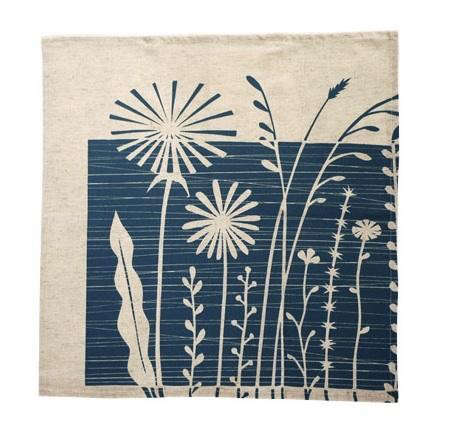
The Skinny Laminx Weeds Napkin proves that a table accessory does not need gold trim, monograms, or the structural complexity of an origami swan to be memorable. Sometimes all it takes is cotton, ink, and a designer willing to study the scruffy plants most people step over without a second thought.
Created by South African textile designer Heather Moore of Skinny laMinx, the original Weeds Napkin brought a loose botanical rhythm to the dining table through a clean, screen-printed pattern. Its appeal sits in a sweet spot between modern simplicity and garden-inspired charm: graphic enough for a contemporary home, relaxed enough for Tuesday-night pasta, and interesting enough to make guests ask where it came from before they ask what is for dessert.
This guide explores the napkin’s design history, materials, styling possibilities, practical care, collector appeal, and the everyday experience of using a patterned cloth napkin that turns overlooked vegetation into tabletop art.
What Is the Skinny Laminx Weeds Napkin?
The original Skinny laMinx Weeds Napkin appeared in 2010 as a spring-ready table linen sold through Heath Ceramics. Contemporary coverage described it as screen-printed on 100 percent natural cotton with water-based ink and priced at $11.50 per napkin. The design was credited to Heather Moore, the Cape Town-based artist and founder behind Skinny laMinx.
That description may sound simple, but simplicity is part of the point. The napkin was not attempting to imitate a formal damask cloth or disappear quietly beside a dinner plate. Its weed-inspired forms gave it the personality of a small textile artwork while preserving the usefulness of an everyday cotton napkin.
The vintage Weeds Napkin should not be confused with every later Skinny laMinx botanical textile. The brand has continued to revisit wild plants and overlooked natural forms in designs such as Summer Weeds and Flower Ring, but those products may use different fabrics, dimensions, colors, and formats.
Heather Moore has explained that ordinary plants, roadside weeds, shadows, bricks, fences, and other easily ignored details frequently become starting points for her patterns. Rather than waiting for inspiration to descend from the heavens wearing a silk cape, Moore finds it in the street, the garden, and the everyday shapes already surrounding us.
Why the Weed Motif Works So Well
It Finds Beauty in the Uninvited
A rose arrives at the table with excellent public relations. A weed has to work harder. That makes a weed-inspired print more interesting. Instead of repeating a traditionally pretty flower, the Skinny Laminx Weeds Napkin celebrates irregular stems, seed heads, leaves, and the slightly unruly energy of plants that grow wherever they please.
This approach gives the pattern a modern botanical character. It feels observational rather than sentimental. The design does not shout, “Welcome to my enchanted garden.” It simply suggests that someone looked carefully at ordinary plant life and found a rhythm worth printing.
The Pattern Balances Order and Wildness
Successful repeat patterns create structure without becoming stiff. Weed forms are especially useful because they naturally contain variation: one stem leans, another bends, a leaf points outward, and a flower head interrupts the line. Once organized into a textile repeat, that visual disorder becomes controlled movement.
On a dining table, this balance matters. A perfectly geometric print can look formal, while a loose floral may become overly decorative. The Weeds motif lands between the two. It works with handmade ceramics, midcentury furniture, Scandinavian-inspired interiors, rustic wood tables, and minimalist white dinnerware because it introduces softness without causing visual sugar overload.
It Reflects the Larger Skinny laMinx Aesthetic
Skinny laMinx began in Cape Town in 2008 and became known for simple pattern work, unusual color combinations, natural-fiber fabrics, water-based inks, and a midcentury-influenced approach to home textiles. Heath Ceramics stocked the brand from its early years, and later collaborations translated Heath’s dimensional tile forms into exclusive textile patterns.
The Weeds Napkin fits naturally into that design language. It is functional, graphic, slightly playful, and rooted in close observation. It does not rely on a giant logo or a trend that expires faster than an avocado left on a sunny windowsill.
Materials and Construction
The original product was reported as 100 percent natural cotton printed with water-based ink. That combination helps explain its appeal as an everyday table textile. Cotton is familiar, absorbent, washable, and comfortable against the skin, while screen printing gives the motif a crisp, crafted presence rather than the anonymous surface of a generic disposable print.
Current Skinny laMinx napkins sold through Heath Ceramics provide useful context for the brand’s continuing production approach, although they should not be treated as exact specifications for the vintage Weeds edition. A more recent Heath listing describes a 17-by-17-inch Skinny laMinx napkin made from a durable, fast-absorbing cotton-blend base cloth and screen-printed with water-based ink. Other retailers have listed the brand’s napkins as designed and stitched in Cape Town, commonly sold in pairs.
For collectors shopping secondhand, this distinction is important. A seller may use “Weeds,” “Summer Weeds,” or even “Skinny Laminx floral napkin” loosely. Before buying, ask for photographs of the label, full measurements, fiber content, edge finish, colorway, and the complete printed repeat. Vintage table linens have a habit of acquiring surprisingly creative biographies once they enter online marketplaces.
How to Style the Skinny Laminx Weeds Napkin
Pair It With Handmade Ceramics
The most natural partner is stoneware or handmade ceramic dinnerware. The plant motif supplies movement, while the plates provide weight and calm. Try matte white, oatmeal, gray, sage, charcoal, muted blue, or subdued yellow dishes.
Heath-style ceramics are particularly compatible because both objects share an appreciation for useful design, tactile surfaces, and colors that feel considered rather than chemically cheerful. Add simple stainless-steel flatware and clear drinking glasses, and the table will feel intentional without appearing staged for a lifestyle catalog.
Use a Solid Tablecloth or Bare Wood Table
A bare oak, walnut, or painted table lets the napkin become the textile focus. For a softer arrangement, choose a solid tablecloth in off-white, flax, pale gray, dusty blue, muted green, or warm mustard.
Avoid placing a busy botanical napkin on top of a tablecloth that already looks as though a greenhouse received unlimited printing privileges. The napkin needs enough quiet space around it for its plant forms to remain legible.
Mix Patterns With Restraint
Pattern mixing can work beautifully when one print is dominant and the other remains quiet. Pair the Weeds motif with a narrow stripe, tiny check, subtle grid, or simply woven runner. Table-styling guidance from Food52 similarly recommends limiting the number of competing patterns and using layered linens to introduce contrast and depth.
A dependable formula is one botanical, one geometric, and one solid. For example, combine Weeds napkins with a thin striped runner and plain ceramic plates. That is enough visual conversation for one meal. The salad does not need to compete for attention.
Keep the Fold Relaxed
This is not a napkin that requires a swan fold, a bishop’s hat, or anything that appears capable of applying for architectural permits. A loose rectangle, simple knot, casual roll, or soft fold beneath the fork keeps the print visible.
For a spring or summer table, place a sprig of rosemary, lavender, thyme, or a single small flower beneath a plain napkin ring. The natural garnish reinforces the botanical theme without turning each place setting into a miniature landscaping project.
When to Use the Weeds Napkin
The Skinny Laminx Weeds Napkin is versatile because its pattern is decorative without being tied to a specific holiday. It can suit spring brunches, outdoor lunches, casual dinner parties, garden celebrations, modern Thanksgiving tables, and ordinary family meals that deserve something more dignified than a paper towel torn in half.
It can also work beyond a traditional place setting. Fold it into a bread basket, use it to line a small serving tray, wrap it around a bottle as part of a host gift, or display a well-preserved vintage piece as textile art.
Repurposing an older napkin is especially sensible when it has become too collectible, stained, or delicate for regular dining use. Home-design publications have suggested turning retired cloth napkins into table runners, decorative patches, tray cloths, and other useful household textiles.
Care and Maintenance
Always follow the sewn-in care label when one is present, particularly with an older printed textile. In general, colored cotton table linens benefit from prompt stain treatment, washing with similar colors, mild detergent, and conservative heat.
Cold water is frequently recommended for preserving brightly colored cotton and printed table linens, while low heat or air drying may reduce fading, shrinkage, and difficult wrinkles. Vintage pieces may require even gentler handling depending on their condition.
A Sensible Cleaning Routine
- Shake off loose crumbs immediately after the meal.
- Blot spills rather than grinding them into the fibers with heroic enthusiasm.
- Pretreat oil, wine, tomato sauce, or coffee stains before washing.
- Wash with similar colors on a gentle cycle when the care label permits.
- Air dry when possible, or tumble dry using low heat.
- Reshape and press the napkin while it is slightly damp.
For ordinary household use, a napkin does not necessarily require washing after every meal when it remains clean and is reused by the same person. Napkins used by guests, visibly stained pieces, and anything soiled with oily or strongly colored food should go directly into the laundry.
Assigning each family member a napkin ring is a practical way to reuse clean napkins without creating the nightly mystery of “Whose napkin is this?” Better Homes & Gardens has highlighted the same strategy as a way to reduce unnecessary laundering in larger households.
Is the Original Weeds Napkin Still Available?
The original Weeds Napkin appears to be an archival Skinny laMinx product. It remains documented in Remodelista’s 2010 coverage and product catalog, but the exact design is not included in Heath Ceramics’ current linens assortment as of July 19, 2026.
Heath continues to carry other Skinny laMinx napkins, runners, tea towels, and kitchen textiles, demonstrating that the relationship between the brands remains active even though the vintage Weeds version is no longer a standard current listing. This conclusion is an inference drawn from archived coverage and the current retailer catalog rather than an official discontinuation announcement.
Related weed-inspired products have continued in other forms. Retail catalogs and Skinny laMinx materials have included Summer Weeds tea towels, while the later Flower Ring pattern was directly inspired by ribwort plantain, a common roadside weed.
These designs preserve the same creative principle: pay attention to ordinary plants, simplify what you see, and transform the result into something useful and cheerful.
What to Check When Buying a Vintage Napkin
Because the original design is difficult to find through conventional retailers, collectors may encounter it through resale platforms, estate sales, textile dealers, or mixed lots of Skinny laMinx products. Before purchasing, examine the following details:
- Label: Look for a recognizable Skinny laMinx brand or production label.
- Measurements: Ask the seller to measure the napkin flat rather than relying on an estimated size.
- Print condition: Check for fading, ink cracking, discoloration, or uneven wear.
- Fabric condition: Inspect corners and hems for fraying, repairs, or weakened fibers.
- Stains: Request photographs taken in natural light, especially of pale areas.
- Quantity: Confirm whether the listing includes one napkin, a pair, or a complete set.
A little fading is not automatically a defect. It can give a printed cotton textile a relaxed, well-used appearance. However, deep oil stains, brittle fibers, heavy sun damage, or separated seams may limit the napkin’s practical usefulness.
Who Will Appreciate This Napkin Most?
The Skinny Laminx Weeds Napkin is especially appealing to buyers who prefer independent textile design over mass-produced matching sets. It suits collectors of Skinny laMinx, fans of Heather Moore’s work, admirers of screen printing, Heath Ceramics customers, and anyone building a home around natural materials, modern craft, or midcentury-influenced color.
It is also a smart example of how a small object can carry a larger design philosophy. The napkin encourages users to notice ordinary things, choose useful pieces with personality, and let everyday objects contribute to the atmosphere of the home. That is a considerable amount of emotional labor for a square of cotton, but fortunately it does not request applause.
Final Thoughts
The Skinny Laminx Weeds Napkin remains memorable because it makes the overlooked feel intentional. Its botanical pattern, natural cotton base, water-based screen printing, and connection to Heather Moore’s observational design practice give it more depth than the average dining accessory.
Whether discovered as a vintage single, assembled into a mismatched set, displayed with handmade ceramics, or used as inspiration for a modern botanical table, the design shows that practical home textiles can still possess wit, authorship, and a clear point of view.
It does not transform dinner into a formal event. It simply makes the table feel consideredand possibly makes the dandelions outside feel slightly underappreciated.
Real-World Experience: Living With a Botanical Cloth Napkin
A realistic experience with a Skinny Laminx Weeds Napkin begins before anyone sits down. Place it beside a plain plate and the table already looks finished, even when dinner consists of soup from the freezer and bread that has seen more optimistic days. The pattern performs decorative work that might otherwise require flowers, candles, a runner, and the patience to arrange all three.
The first useful surprise is how forgiving a botanical print can be. Solid white napkins announce every dot of sauce like breaking news. A patterned cotton napkin still needs proper cleaning, but small crumbs, faint marks, and the evidence of an enthusiastic vinaigrette are less visually dramatic during the meal. That makes the design feel relaxed rather than precious.
Texture also changes the experience. A substantial printed cotton napkin has enough body to sit neatly on the lap, wrap around warm bread, or hold silverware in a loose roll. It does not slide away like a thin synthetic cloth, and it does not disintegrate when confronted with barbecue sauce. That is more than can be said for certain paper napkins with excellent branding and the structural integrity of fog.
At a small dinner gathering, the napkin becomes an effortless conversation starter. Guests may notice the weed motif, screen-printed quality, or unusual color before they recognize the brand. That is one of the pleasures of independent textiles: the object feels discovered rather than advertised. It gives the host something interesting to discuss without forcing everyone into a lecture on thread count.
The napkin also adapts easily to different moods. On bare wood with stoneware, it reads earthy and modern. On a pale linen tablecloth, it feels softer and more springlike. With black flatware and charcoal ceramics, the same motif becomes more graphic. Add a tiny herb sprig and it leans rustic; add a clean metal napkin ring and it becomes polished.
Daily use inevitably introduces wrinkles, fading, and the occasional stubborn stain. Those changes do not necessarily ruin a cloth like this. A slightly softened print may make the napkin feel more personal, particularly when the hems remain sound and the fabric still performs well.
The goal is not to preserve every household textile in museum condition. The goal is to use it enough that setting the table becomes easier, warmer, and more intentional. A printed napkin becomes meaningful through repetition: family dinners, weekend breakfasts, birthday cakes, spilled coffee, and the meal during which someone confidently explains a subject they clearly learned about five minutes earlier.
There is also a pleasant ritual in washing, reshaping, and stacking a small set of patterned napkins. Fresh from the laundry, they create the temporary illusion that the household is exceptionally organized. This illusion may last only until someone opens the utensil drawer, but it is enjoyable while it lasts.
For a vintage Weeds Napkin, the experience may be more cautious. A collector might reserve it for light meals, use it as a bread-basket liner, display it on an open shelf, or place it in a frame. A mixed set can be even more charming than four identical pieces, especially when other Skinny laMinx patterns share related colors.
The result feels collected over time rather than purchased in one panicked click thirty minutes before guests arrive. Small variations between prints can make the table feel personal, while the recurring botanical theme holds everything together.
Ultimately, living with the Skinny Laminx Weeds Napkin is less about owning a famous napkin and more about enjoying a useful object with a recognizable creative hand behind it. It brings art into a part of the day usually dominated by spills, crumbs, and someone asking whether there is more butter. That is exactly where good design earns its keep.
Note: The original Skinny Laminx Weeds Napkin is best treated as an archival design. Vintage listings may differ in condition, color, dimensions, fiber details, and authenticity, so buyers should verify labels and measurements before purchasing.
Research basis: This article was cross-checked against product archives, current retailer catalogs, official designer materials, interviews, and U.S. home-design and table-linen guidance from Remodelista, Heath Ceramics, Skinny laMinx, Dwell, Craft Industry Alliance, Design Milk, Apartment Therapy, Food52, Better Homes & Gardens, The Spruce, Martha Stewart, and specialty textile retailers.