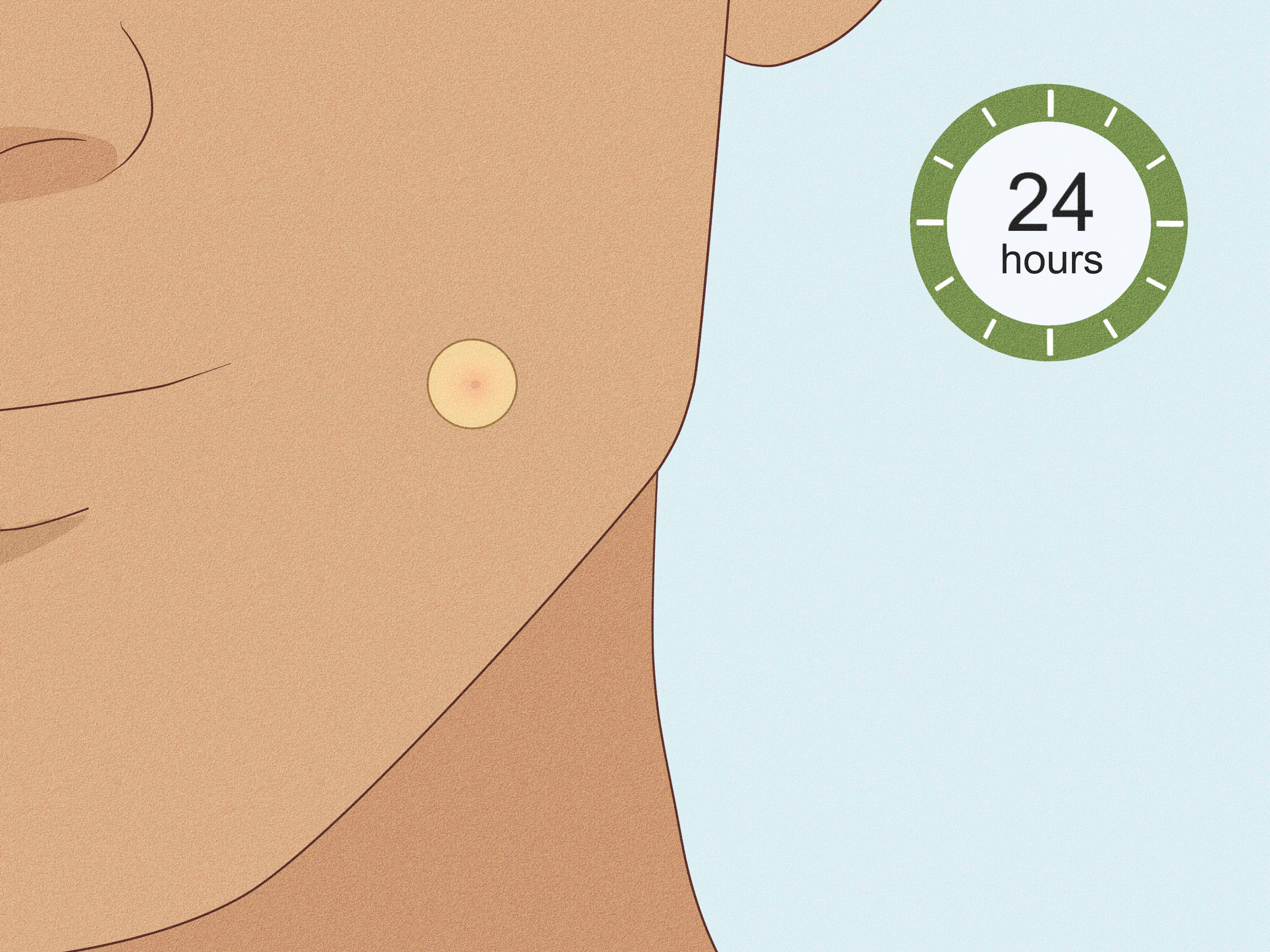
You peel off a pimple patch, inspect the mysterious white blob in the center, and briefly feel like a dermatologist completing a highly successful extraction. Then reality arrives: the blemish may still be red, slightly raised, moist, or irritated. What should you put on it now? Should you apply another patch? Can you use salicylic acid? And is the tiny crater normal?
What you do after removing a pimple patch can influence how comfortably the spot heals and whether it becomes irritated, picked, or noticeably discolored. The best next step depends on what the skin looks likenot on how satisfying the used patch appears.
The Quick After-Patch Routine
For most blemishes, follow this simple sequence after removing a pimple patch:
- Wash your hands.
- Peel the patch off slowly without tugging at the skin.
- Clean the area gently with a mild cleanser and lukewarm water.
- Pat the skin drydo not rub it like you are polishing a countertop.
- Inspect the blemish to determine whether it is closed, still draining, raw, or irritated.
- Apply either a fresh plain hydrocolloid patch, a bland moisturizer, or an appropriate acne treatment based on the condition of the skin.
- Use broad-spectrum SPF 30 or higher during the day once the surface can tolerate sunscreen.
The golden rule is simple: treat intact skin like acne, but treat broken skin like a tiny wound.
What a Pimple Patch Actually Does
Most traditional pimple patches are made from hydrocolloid, a gel-forming material originally developed for wound dressings. Hydrocolloid absorbs fluid while covering the area, creating a protected environment that discourages touching and picking. Pimple patches tend to work best on blemishes that have reached the surface or are already releasing fluid. They are less impressive against deep, closed bumps that have nothing available to absorb.
The white or cloudy spot on a used patch is usually a combination of absorbed fluid and hydrated hydrocolloid material. It does not necessarily mean the patch heroically removed every trace of pus, oil, bacteria, and emotional distress from the pore.
Patches also provide a valuable physical barrier. Even when they do not flatten a blemish overnight, they can stop fingers, fingernails, makeup brushes, pillowcases, and absent-minded picking from repeatedly disturbing the area.
Step 1: Remove the Pimple Patch Gently
Start with clean hands. Lift one edge of the patch and slowly peel it back close to the surface of the skin rather than pulling it sharply upward. Gentle removal matters because aggressive adhesive removal can irritate the surrounding skin or reopen a blemish that has started healing.
If the patch feels firmly stuck, do not engage in a dramatic tug-of-war. Dampen its edges with lukewarm water or sterile saline and wait briefly before trying again. Medical dressing instructions commonly recommend gently loosening an adhered dressing rather than pulling it away by force.
When should a pimple patch be removed?
Follow the wear time listed on the package. Many hydrocolloid patches are designed to remain in place for several hours or overnight. A patch should generally be replaced when it becomes swollen, cloudy, saturated, loose around the edges, dirty, or uncomfortable. DailyMed instructions for one hydrocolloid acne patch specifically advise replacing it after it turns white from absorbed secretion.
Step 2: Examine the Skin Before Applying Anything
Once the patch is off, pause for a five-second skin inspection. The blemish will usually fit into one of four categories.
The spot is flat and closed
If the surface looks intact, relatively dry, and flatter than before, the patch has probably finished its immediate job. Clean the area, apply a lightweight noncomedogenic moisturizer, and leave it alone. A simple routine is often more helpful than celebrating with six active ingredients.
The spot is still raised but not open
A closed bump may still contain inflammation below the surface. Do not squeeze it to “help” the patch. Hydrocolloid cannot magically vacuum material through intact skin, and squeezing may drive inflammation deeper or increase the risk of discoloration and scarring.
After cleansing, you may use a familiar acne treatment such as benzoyl peroxide or salicylic acid if the skin is fully intact and not irritated. Apply only a thin layer and follow the product directions.
The spot is moist, open, or still draining
Treat it as a small superficial wound. Gently wash away residue, pat the area completely dry, and apply a fresh plain hydrocolloid patch if fluid is still present. Another option is a very thin layer of plain petroleum jelly, followed by a small clean covering if protection is needed. Do not place petroleum jelly underneath a hydrocolloid patch, because the greasy layer may prevent adhesion.
Dermatologists generally recommend mild soap, water, gentle drying, moisture protection, and coverage for minor skin wounds. They also caution against routine antibiotic ointments because these products can cause allergic contact reactions in some people.
The surrounding skin is red, itchy, or shaped like the patch
This pattern suggests irritation from the adhesive or from ingredients in a medicated patch. Wash the area gently, stop using that product, and apply a fragrance-free moisturizer. Do not immediately cover the same irritated skin with another patch. Product labeling advises discontinuing hydrocolloid patches if irritation occurs, while the FDA warns that some topical acne products containing benzoyl peroxide or salicylic acid can rarely cause serious hypersensitivity reactions.
Step 3: Clean the Area Without Overwashing
Use lukewarm water and a gentle, fragrance-free cleanser. Massage with clean fingertips, rinse thoroughly, and pat dry with a clean towel or gauze pad. Avoid scrubs, cleansing brushes, washcloth friction, astringents, and very hot water.
Overwashing will not persuade the pore to apologize and close faster. It can weaken the skin barrier, increase dryness, and make inflammation look more noticeable. Mayo Clinic guidance recommends avoiding facial scrubs and astringents because irritation and excessive washing can worsen acne.
Step 4: Decide Whether to Apply Another Pimple Patch
You can apply another patch when the blemish is still releasing clear fluid, oil, or pus. A fresh patch can continue absorbing moisture while protecting the area from contamination and curious fingers.
Before applying it, make sure the skin is clean and completely dry. Moisturizer, serum, facial oil, and spot treatment can interfere with adhesion. Hydrocolloid products are generally intended for clean, dry skin, and manufacturers commonly recommend several hours of wear.
Do not keep stacking patches forever
If two or three patches have absorbed little or nothing and the bump remains deep, firm, and painful, hydrocolloid may not be the right tool. Deep nodules and cysts often require time, conventional acne treatment, or professional care rather than an endless parade of tiny stickers.
A warm, damp compress may help a deep, painful pimple move closer to the surface, but it should never be hot enough to burn the skin. The American Academy of Dermatology recommends resisting the urge to pop deep pimples and notes that acne ingredients such as adapalene, azelaic acid, benzoyl peroxide, and salicylic acid may be appropriate depending on the lesion.
What to Put on Your Skin After Removing a Pimple Patch
A gentle moisturizer
A fragrance-free, noncomedogenic moisturizer is the safest default when the spot is closed but slightly dry or tender. Look for uncomplicated formulas containing ingredients such as ceramides, glycerin, hyaluronic acid, or dimethicone. Moisturizer supports the skin barrier and may help you tolerate acne treatments more comfortably.
Benzoyl peroxide
Benzoyl peroxide can help reduce acne-causing bacteria and inflammation. Lower-strength products, such as 2.5%, may work with less irritation than stronger formulas for many users. Apply it only to intact skin, not to a raw or bleeding blemish. It can cause dryness, burning, peeling, or redness and may bleach towels, pillowcases, and clothing.
Salicylic acid
Salicylic acid helps loosen dead skin cells and clear clogged pores. It may be useful after patch removal when the surface is closed and calm. Skip it if the skin is open, stinging, peeling, or already irritated by a medicated patch.
Adapalene or a prescribed retinoid
Retinoids help prevent pores from becoming clogged and are used for long-term acne control rather than instant spot extraction. Continue your established routine unless the treated area is raw or highly irritated. Retinoids can cause dryness, stinging, scaling, and increased sun sensitivity, so gradual use and sunscreen are important. Tretinoin and other prescription retinoids should be used exactly as directed.
Azelaic acid
Azelaic acid may help with inflammatory acne and lingering discoloration. It can be a useful option for people concerned about post-acne marks, although it may sting on compromised skin. Wait until the surface is intact and comfortable before applying it.
Broad-spectrum sunscreen
Sun protection is one of the most useful steps for preventing a healing blemish from becoming a stubborn red or brown mark. Once the surface is closed enough to tolerate sunscreen, apply a broad-spectrum, water-resistant product with SPF 30 or higher. Reapply during prolonged outdoor exposure. Dermatology and wound-care guidance consistently emphasizes sun protection to limit discoloration after inflammation or skin injury.
What Not to Do After Removing a Pimple Patch
- Do not squeeze the blemish. A patch may soften the surface, making squeezing especially tempting. Resist the invitation.
- Do not scrub away residue. Use cleanser and water rather than fingernails or exfoliating tools.
- Do not apply multiple strong actives at once. Combining acids, retinoids, benzoyl peroxide, and alcohol-based toners can turn one pimple into a larger irritation problem.
- Do not apply acne medication to broken skin. Wait until the surface has closed unless a clinician has instructed otherwise.
- Do not use rubbing alcohol or hydrogen peroxide. These products may irritate healing tissue.
- Do not cover irritated adhesive marks immediately. Give the surrounding skin time to recover.
- Do not apply makeup directly over a wet or bleeding spot. Protect the area until it is dry and closed.
Plain Hydrocolloid vs. Medicated Pimple Patches
Not every acne sticker contains only hydrocolloid. Some patches include salicylic acid, benzoyl peroxide, tea tree oil, retinoid derivatives, niacinamide, or dissolving microstructures intended to deliver ingredients into early-stage bumps.
That distinction matters after removal. A plain hydrocolloid patch may leave the skin soft or slightly pale from trapped moisture. A medicated patch is more likely to cause dryness, tingling, redness, or irritation, especially when worn longer than directed. Some commercial acne dots combine hydrocolloid with salicylic acid and a vitamin A derivative, illustrating why checking the ingredient list is important before adding more active products afterward.
When your skin feels sensitive after a medicated patch, make the next routine boring on purpose: gentle cleanser, moisturizer, and sunscreen. Boring skincare is underrated. It rarely trends, but neither does an avoidable chemical burn.
How to Reduce Redness and Swelling
If the blemish is closed but puffy, hold a cool compress wrapped in a clean cloth against the area for several minutes. Do not place ice directly on the skin. Cooling may temporarily reduce discomfort and visible swelling.
For a deep, closed pimple, a warm compress may be more appropriate. Use comfortably warmnot scaldingwater and a clean cloth. Avoid repeatedly switching between extreme heat and cold like the pimple has enrolled in athletic recovery therapy.
How to Prevent a Dark Mark After the Pimple Heals
Post-inflammatory hyperpigmentation develops when inflammation triggers increased pigment production. It can happen in any skin tone but is often more noticeable and persistent in medium-to-deep complexions.
The most effective prevention strategy is to minimize additional inflammation. That means no picking, no aggressive peeling, no harsh scrubbing, and no experimental kitchen chemistry. Daily sunscreen is essential because ultraviolet exposure can deepen discoloration and slow fading.
Once the blemish has fully closed, ingredients such as azelaic acid, niacinamide, retinoids, or carefully formulated vitamin C may help improve uneven tone over time. Introduce one product at a time rather than asking the healing spot to attend an entire skincare conference.
When to See a Dermatologist
Most small pimples heal without professional treatment. Contact a healthcare professional when you notice:
- Redness or swelling that continues spreading
- Increasing pain, heat, or tenderness
- Thick yellow or green drainage
- A bad odor
- Fever or chills
- Persistent bleeding
- Blistering or a severe adhesive-shaped rash
- Swelling of the face, lips, tongue, or throat
- Difficulty breathing, faintness, or widespread hives
- Frequent deep nodules, cysts, scars, or dark marks
Increasing warmth, pain, swelling, pus-like drainage, and fever can be signs of infection. Severe swelling, hives, or breathing difficulty may indicate an allergic reaction and requires urgent medical attention.
Frequently Asked Questions
Should I wash my face after removing a pimple patch?
Yes. Gently cleanse the area to remove adhesive residue, absorbed fluid, oil, sweat, and skincare products. Use lukewarm water and a mild cleanser, then pat dry.
Can I moisturize after removing a pimple patch?
Yes. Apply a noncomedogenic, fragrance-free moisturizer if the skin is closed or dry. If you intend to apply another hydrocolloid patch, moisturize around the patch rather than underneath it.
Can I put salicylic acid on the pimple afterward?
You can use salicylic acid if the surface is intact and not irritated. Avoid it on an open, bleeding, peeling, or stinging spot.
Can I put another patch on immediately?
Yes, when the pimple is still draining and the surrounding skin is comfortable. Clean and dry the area first, and use a fresh patch rather than attempting to recycle the previous one.
Why does the pimple look like a hole?
A small indentation may appear when fluid and swollen material have drained from a superficial pustule. Do not poke it or attempt to remove more material. Protect the surface and allow swelling to settle. A deep, enlarging, painful, or persistently draining opening should be evaluated by a clinician.
Why is the skin white and wrinkled?
Hydrocolloid traps moisture, so the skin may temporarily appear pale, soft, or wrinkled, similar to fingertips after a long bath. This usually improves after the area dries. Persistent pain, blistering, or raw skin suggests irritation rather than ordinary moisture exposure.
Real-World Experiences and Practical Lessons
The following examples are illustrative combinations of common skincare experiences rather than reports from specific patients. They show why the appearance of the blemishnot the patch itselfshould guide your next move.
Experience 1: The satisfying white patch that did not need a sequel
Imagine removing an overnight patch from a small whitehead on the chin. The center of the sticker is cloudy, and the pimple is now flat, dry, and only mildly pink. The temptation is to apply salicylic acid, benzoyl peroxide, toner, retinol, and perhaps a congratulatory face mask.
The better approach is uneventful: wash gently, apply moisturizer, and protect the area with sunscreen in the morning. By evening, the redness is already less noticeable. This is a useful reminder that a successful patch does not always require follow-up treatment. Sometimes the best product is restraint, sold conveniently for zero dollars.
Experience 2: The pimple that was still draining
In another common scenario, an overnight patch comes off and reveals a moist spot with a small amount of clear or pale fluid. Applying benzoyl peroxide immediately causes sharp stinging because the surface is still open.
A gentler plan would be to rinse the area, pat it completely dry, and cover it with a new plain hydrocolloid patch. Several hours later, the second patch may absorb the remaining fluid. Once the skin is closed, moisturizer and regular acne care can resume. The lesson is straightforward: active acne ingredients belong on intact skin, while a draining spot needs protection first.
Experience 3: The deep bump that ignored three patches
Consider a firm, painful bump beneath the cheek with no visible white center. A patch stays clear overnight, so another is applied the next day. That patch also stays clear. A third patch receives the same nonresponse, because the bump is deep and closed.
At this point, more hydrocolloid is unlikely to solve the problem. A warm compress, an established acne routine, and patience make more sense. If these deep lesions occur often or begin leaving scars, a dermatologist can recommend treatments that address acne formation instead of repeatedly covering individual bumps.
Experience 4: The patch-shaped red ring
Someone applies a medicated patch containing exfoliating ingredients and leaves it on far longer than the label recommends. After removal, the pimple looks smaller, but the surrounding skin displays a perfect red circle. Adding an acid toner makes the circle burn and become brighter.
The better response would be to stop all active treatments, cleanse gently, and use a bland moisturizer until the irritation settles. If the reaction worsens, blisters, spreads, or causes significant swelling, medical advice is appropriate. This experience highlights why stronger is not automatically better and why patch instructions deserve more than a decorative glance.
Experience 5: The disappearing pimple that left a dark mark
A blemish may flatten quickly yet leave a brown, purple, or red spot for weeks. This often leads people to scrub, peel, and aggressively treat the mark, causing fresh inflammation and making the discoloration last longer.
A more productive routine focuses on sunscreen, gentle cleansing, moisturizer, and one well-tolerated tone-supporting ingredient after the skin has healed. Acne marks fade gradually; they do not respond well to being bullied. Consistent sun protection and reduced irritation usually offer better long-term results than daily product roulette.
Across all these experiences, the pattern is the same: pause, inspect, and choose the mildest step that matches the skin’s condition. Pimple patches are useful tools, but they are not a complete acne treatment plan. They manage individual blemishes; a consistent routine helps prevent the next ones.
Conclusion
After removing a pimple patch, begin with clean hands, gentle cleansing, and a careful look at the skin. A flat, closed blemish may need nothing more than moisturizer and sun protection. A spot that is still draining may benefit from a fresh plain hydrocolloid patch. A raw area should be treated like a minor wound, while red or itchy patch-shaped skin needs a break from adhesives and active ingredients.
Avoid squeezing, scrubbing, over-cleansing, and piling acne treatments onto damaged skin. Your goal is not to punish the pimple for existing. It is to reduce inflammation, support healing, prevent picking, and limit lingering discoloration. When acne is deep, painful, frequent, or scarring, professional treatment will accomplish far more than repeatedly applying tiny stickers and hoping for a skincare miracle.