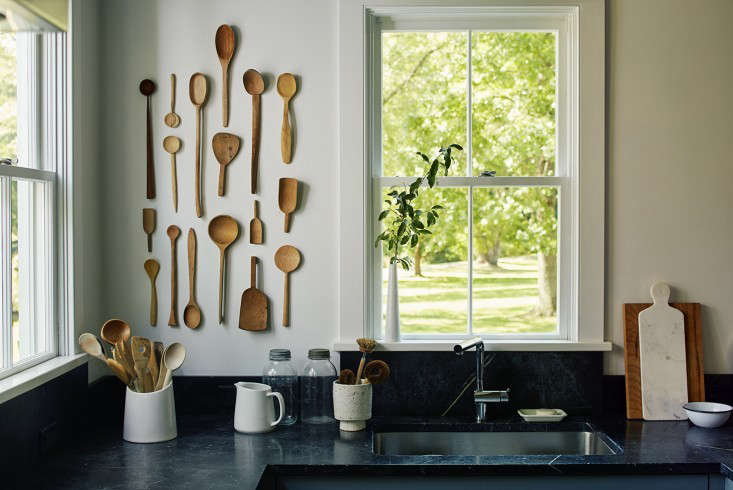
Every kitchen has two kinds of tools. First, there are the glamorous gadgets that arrive in handsome boxes, perform one strangely specific task, and then retire to the back of a cabinet. Second, there are the dependable workhorses: the slightly scratched knife, the stained sheet pan, and the silicone spatula that somehow appears in every meal.
This special edition celebrates that second group. These are the best kitchen tools not because they look impressive on social media, but because experienced cooks reach for them repeatedly. They solve common problems, survive regular washing, and make weeknight cooking feel less like an obstacle course.
Drawing on recommendations from professional cooks, recipe developers, product testers, bakers, and food-safety experts, we identified the essential kitchen tools that consistently earn valuable counter space. Some are inexpensive. Others are worth treating as long-term investments. None should require a 40-minute instructional video narrated by a man wearing protective goggles.
What Makes a Kitchen Tool Truly Trustworthy?
A reliable tool does not need dozens of settings. It needs to perform its core job predictably. The best kitchen utensils generally share four qualities: versatility, durability, comfort, and easy maintenance.
Versatility matters because storage space is limited. A bench scraper that portions dough, transfers vegetables, and cleans a cutting board is usually more valuable than a device dedicated exclusively to slicing strawberries. Durability matters because a bargain is not a bargain when its handle loosens after three dishwasher cycles.
Comfort also deserves attention. A knife, whisk, or pair of tongs should feel balanced in your hand. Finally, cleanup should be simple. Tools with deep seams, detachable heads, and mysterious internal chambers have a habit of collecting yesterday’s pancake batter like tiny culinary crime scenes.
The Kitchen Tools Experts Reach for Most
1. A Comfortable, Sharp Chef’s Knife
A dependable chef’s knife is the center of a functional kitchen. It chops onions, slices meat, crushes garlic, portions herbs, and handles most everyday preparation. An eight-inch blade is a practical starting point for many home cooks, although the best size is ultimately the one you can control confidently.
Price alone does not determine performance. Balance, handle comfort, blade geometry, and ease of sharpening matter more than decorative packaging. Before buying, hold the knife whenever possible. It should feel secure without forcing your wrist into an awkward angle.
Even an excellent knife becomes frustrating when dull. Regular honing can help maintain an edge, while periodic sharpening restores it. Store the blade in a block, sheath, magnetic strip, or dedicated drawer insert instead of letting it perform unlicensed acrobatics beside the measuring spoons.
2. A Large, Stable Cutting Board
A good knife needs a trustworthy surface beneath it. Experts often prefer wood, rubber, or durable plastic boards because these materials provide a practical balance of stability, sanitation, and edge friendliness. Glass boards may look sleek, but they are hard on blades and produce a chopping sound capable of irritating everyone within three rooms.
Choose a board large enough to create a real workspace. If chopped carrots are falling onto the floor before they reach the soup pot, the board is too small. A damp towel or nonslip mat underneath can prevent sliding.
Many cooks keep more than one cutting board available, making it easier to separate raw proteins from produce and move through multi-step recipes without constant washing.
3. Locking Stainless-Steel Tongs
Tongs are often described as an extension of the cook’s hand, which is accurate except that they are significantly better at retrieving asparagus from a hot skillet. A strong pair can turn chicken, toss vegetables, serve pasta, lift corn, arrange salad, and rescue toast that has fallen into an uncooperative toaster oven.
Look for responsive spring tension, comfortable grips, and scalloped ends that hold food without crushing it. A locking mechanism makes storage easier. Silicone-tipped versions are useful for nonstick cookware, while plain stainless-steel tongs offer precision and durability around higher heat.
4. A Thin, Flexible Fish Spatula
Despite its name, the fish spatula refuses to be typecast. Its thin, angled blade slides under fried eggs, pancakes, cookies, roasted vegetables, burgers, and fragile fillets. Slots allow oil to drain, while the flexible edge reaches beneath delicate food without turning dinner into abstract art.
Metal versions work especially well with stainless steel, carbon steel, cast iron, and sheet pans. For coated cookware, choose a silicone-edged or nonstick-safe turner. Either way, the blade should be thin enough to slip beneath food but strong enough to lift it confidently.
5. A One-Piece Silicone Spatula
A sturdy silicone spatula may be the quiet champion of the utensil crock. It scrapes bowls, folds batter, stirs sauces, cooks scrambled eggs, smooths frosting, and extracts the final spoonful of peanut butter from a jar.
One-piece construction is particularly useful because it eliminates the gap where a removable head meets the handle. That seam can trap water and food residue. Choose a model with enough stiffness to move dense dough but enough flexibility to follow the curve of a bowl.
A spoon-shaped silicone spatula, often called a spoonula, adds scooping power and may become your default tool for oatmeal, sauces, and one-pot meals.
6. An Accurate Instant-Read Thermometer
An instant-read thermometer replaces guesswork with information. Instead of repeatedly cutting into a chicken breast or judging a steak by color alone, you can check its internal temperature in seconds. It also helps with bread, frying oil, caramel, reheated leftovers, and any recipe in which temperature affects safety or texture.
Prioritize accuracy, fast response time, a readable display, and a probe that can reach the center of thick foods. Wash the probe after use and avoid touching bone when measuring meat. This small tool can prevent both undercooking and the tragic transformation of an expensive roast into decorative leather.
7. A Digital Kitchen Scale
Bakers consistently praise digital scales because weight measurements are more repeatable than volume measurements. A cup of flour can vary depending on how it is scooped, packed, or leveled. Grams are less interested in creating drama.
A scale is also useful beyond baking. It can divide burger portions, measure coffee, track pasta servings, portion dough, and simplify recipes written in metric units. Look for a clear display, a tare function, and enough capacity for a mixing bowl or heavy batch of dough.
Because many scales are thin enough to slip into a drawer, this is one of the easiest upgrades for a small kitchen.
8. A Metal Bench Scraper
The bench scraper, also called a bench knife, is proof that a rectangular piece of metal can have an impressive résumé. Bakers use it to divide dough, lift sticky pastry, shape loaves, and clear flour from a work surface.
During savory cooking, it gathers diced onions, transfers herbs, portions ground meat, and scrapes debris from a cutting board. Using it to move chopped ingredients also reduces the temptation to drag a knife’s sharp edge across the board.
Choose a comfortable handle and a rigid blade. Measurement markings can be helpful for portioning dough, although they are not essential for everyday use.
9. A Microplane-Style Fine Grater
A fine grater creates citrus zest, fluffy hard cheese, grated garlic, fresh ginger, nutmeg, chocolate, and other concentrated flavor boosters. Its narrow shape stores easily, and its fine teeth distribute ingredients more evenly than coarse shredding.
For pasta, finely grated Parmesan melts smoothly into sauce. In dressings and marinades, grated garlic disperses without leaving large raw pieces. Citrus zest can brighten cakes, vegetables, seafood, and cocktails without adding extra liquid.
Grater teeth gradually dull, so replace the tool when zesting begins to feel like sanding a bowling ball. A protective cover also helps preserve the teeth and your fingertips.
10. A Rimmed Half-Sheet Pan
A heavy-duty rimmed sheet pan is one of the most versatile pieces of kitchen equipment. It roasts vegetables, bakes cookies, catches drips beneath casseroles, holds ingredients during preparation, and delivers an entire sheet-pan dinner with minimal cleanup.
Thicker aluminum pans generally resist warping better than flimsy versions. Rolled rims add stability, while the standard half-sheet size fits most residential ovens. A wire rack that nests inside expands its usefulness for roasting, cooling baked goods, draining fried food, and crisping bacon.
Dark stains are not necessarily a sign of failure. On a frequently used sheet pan, they are closer to professional credentials.
11. A Dependable Stainless-Steel Skillet
A quality stainless-steel skillet handles searing, sautéing, browning, pan sauces, shallow frying, and oven finishing. Unlike delicate coated cookware, it can tolerate metal utensils and higher temperatures when used correctly.
Fully clad construction helps distribute heat across the base and sides. A comfortable handle and manageable weight are equally important, especially when the pan is full. Ten- and twelve-inch sizes cover most household needs.
Food may stick when the pan or oil is not properly heated, but technique improves quickly. Once the ingredients brown and release naturally, the flavorful residue left behind can become the foundation of a pan sauce.
12. A Well-Sized Dutch Oven
An enameled cast-iron Dutch oven is a dependable choice for soups, stews, braises, beans, bread, pasta sauce, frying, and long oven cooking. Its heavy construction retains heat, while the lid limits moisture loss.
A five- to seven-quart size is versatile for many households. Premium models can be expensive, but several moderately priced versions perform everyday cooking tasks well. Inspect the handles before buying; they should be large enough to grip while wearing oven mitts.
The main disadvantage is weight. Lifting a loaded Dutch oven can feel like carrying a delicious kettlebell, so choose a size you can maneuver safely.
13. Stainless-Steel Mixing Bowls
Lightweight stainless-steel bowls are useful for mixing, marinating, whisking, tossing salad, organizing chopped ingredients, and creating an ice bath. They are durable, stack neatly, and do not retain odors.
A nested set with several sizes offers flexibility without occupying an entire cabinet. Nonslip bases can be helpful for vigorous whisking, although traditional all-metal bowls are easier to place over simmering water for a double boiler.
Glass bowls remain useful when microwave compatibility matters, but stainless steel is often the easiest material to carry, chill, and handle during fast-paced preparation.
14. A Fine-Mesh Strainer and a Spider
These two tools solve different draining problems. A fine-mesh strainer rinses grains, sifts dry ingredients, strains sauces, and catches seeds or small particles. A wide wire spider quickly lifts dumplings, pasta, vegetables, and fried food from hot liquid.
The spider is particularly efficient because the cooking water stays in the pot, ready for the next batch. It also creates less splashing than chasing slippery food with a serving spoon. Look for sturdy handles and secure connections between the handle and basket.
15. Sharp Kitchen Shears
Kitchen shears open packaging, snip herbs, trim parchment, cut pizza, divide poultry, and handle tasks that would be awkward with a knife. Models that separate into two pieces are easier to wash thoroughly, especially after contact with raw meat.
Comfortable handles and strong blades matter more than decorative extras. Keep kitchen shears in the kitchen rather than lending them to the household member who uses every available cutting tool on cardboard, wire, and unidentified garage materials.
How to Build a Better Kitchen Tool Collection
Start with the jobs you perform most often. Someone who cooks vegetables, grains, and eggs every evening will benefit more from a good knife, cutting board, skillet, and spatula than from a specialized pasta machine. A weekend baker may place a scale, bench scraper, mixing bowls, and sheet pans higher on the list.
Buy individual tools rather than automatically choosing large sets. Bundles often contain duplicate or poorly designed pieces that consume storage without improving dinner. A smaller collection of expert-recommended kitchen tools can handle more work and create less clutter.
Replace tools when performance declines. Dull peelers, cracked cutting boards, torn silicone, warped pans, and loose handles make cooking slower and potentially less safe. At the same time, do not confuse cosmetic wear with failure. A scratched handle or darkened baking sheet may still have years of useful service ahead.
Experience Notes: What These Tools Change in a Real Kitchen
The value of reliable cooking tools becomes clearest on an ordinary Tuesday, not during an elaborate holiday dinner. Imagine arriving home hungry with vegetables, chicken, and no interest in producing additional complications. A large cutting board keeps the ingredients contained. A sharp chef’s knife turns chopping into a controlled rhythm rather than a wrestling match. The bench scraper moves everything to the skillet in one trip.
As the chicken cooks, the tongs turn each piece without piercing it. The silicone spatula stirs a quick sauce and scrapes the pan clean enough that none of the flavorful bits are abandoned. The instant-read thermometer confirms that dinner is ready. There is no anxious cutting, no returning half-cooked meat to the pan, and no overcooking it “just to be safe.” Each tool removes a small uncertainty, and those small improvements add up to a calmer meal.
Baking offers an equally revealing experience. Measuring flour by volume can produce different results depending on how firmly it settles into the cup. With a digital scale, the bowl goes directly on the platform, the display returns to zero, and ingredients are added by weight. Fewer measuring cups are dirtied, adjustments are easier, and the recipe becomes more repeatable.
The bench scraper divides the dough cleanly and collects the sticky pieces from the counter. A one-piece spatula folds ingredients without leaving half the mixture clinging to the bowl. The rimmed sheet pan moves safely from counter to oven without bending under the weight. None of these actions is dramatic, but together they make baking feel organized rather than chaotic.
Then there are the tiny moments that turn an ordinary tool into a favorite. A Microplane adds lemon zest to roasted vegetables and suddenly the flavor tastes brighter. Kitchen shears snip herbs directly over a bowl, eliminating another cutting board. A fish spatula slides beneath the first pancake without folding it into a breakfast envelope. Stainless-steel bowls stack neatly after cleanup instead of initiating a cabinet avalanche.
Reliable tools also make it easier for more than one person to cook. When two cutting boards, multiple bowls, and an extra pair of tongs are available, helpers can work without competing for the same equipment. One person chops while another mixes. Children can measure ingredients on the scale. A partner can roast vegetables while the main cook prepares a sauce. The kitchen becomes collaborative rather than territorial.
Over time, the most-reached-for kitchen tools become familiar in a way that new gadgets rarely do. You know how the knife balances, how quickly the skillet heats, and exactly where the spatula flexes. That familiarity builds speed and confidence. Recipes become easier to interpret because less attention is spent fighting the equipment.
This is why experienced cooks often sound surprisingly unexcited about novelty. They are not searching for a device that promises to revolutionize onions. They want tools that perform predictably, clean up easily, and remain useful across hundreds of meals. The trustiest kitchen equipment does not demand attention. It quietly helps you get dinner onto the tableand then shows up tomorrow ready to do it again.
Final Takeaway
The best kitchen tools are not necessarily the newest, most expensive, or most heavily advertised. They are the pieces that fit your hands, support the way you cook, and solve more than one problem. A sharp knife, stable cutting board, responsive tongs, flexible spatula, thermometer, scale, sheet pan, and a few durable supporting tools can accomplish an extraordinary amount.
Build your collection slowly, prioritize performance over novelty, and pay attention to the tools you instinctively reach for. Those unsung workhorses are the real stars of the kitcheneven when the Dutch oven weighs as much as a cooperative toddler.