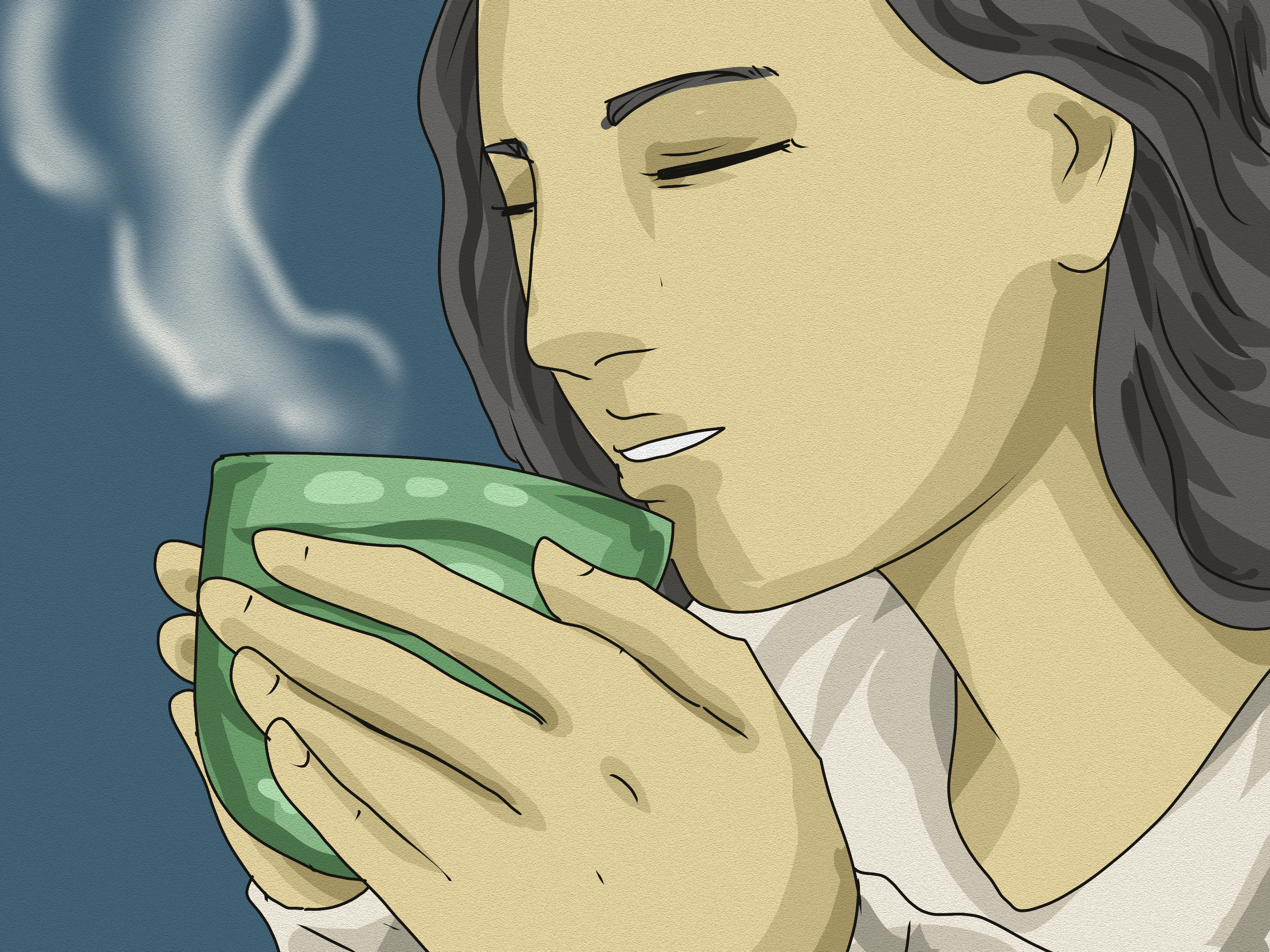
Learning how to practice witchcraft can feel like opening a library where every book demands the first shelf. One source recommends moon water, another meditation, and a third suggests buying seventeen crystals before breakfast. Take a breath. Witchcraft does not require an expensive starter kit, a secret bloodline, or a suspiciously photogenic black cat.
For many modern practitioners, witchcraft is a flexible spiritual or symbolic practice involving intention, ritual, reflection, nature, folklore, and personal meaning. Some witches are religious; others are secular. This guide explains the basics and offers a safe, ethical way to begin.
What Is Witchcraft?
Witchcraft is an umbrella term, not a single organized religion. It may include ritual, folk customs, meditation, divination, seasonal observance, herbal symbolism, ancestor remembrance, prayer, energy work, or spellcraft. Practices vary by culture, tradition, community, and individual.
Modern practice should also be separated from historical witchcraft accusations. In Europe and colonial America, accused people were often victims of fear, social conflict, persecution, misogyny, or legal injustice. Modern witches may reclaim the word without claiming one universal, unchanged ancient religion.
Witchcraft, Wicca, and Paganism Are Not Identical
Witchcraft is a practice or collection of practices. Wicca is a modern Pagan religion that developed publicly in Britain during the mid-20th century and later spread internationally. Paganism is a broad family of modern religious and spiritual movements that may include Wicca, Druidry, Heathenry, reconstructionist traditions, eclectic Paganism, and other paths.
A Wiccan may practice witchcraft, but not every witch is Wiccan. A Pagan may not practice witchcraft at all. A witch may also be Christian, Jewish, atheist, agnostic, culturally eclectic, or privately spiritual. Labels are tools, not mystical handcuffs.
Start With Curiosity, Not Certainty
Approach beginner witchcraft as a period of study and experimentation. You do not need to choose a permanent tradition immediately. Ask what attracts you: seasonal living, folklore, prayer, herbal knowledge, divination, family customs, or the creativity of ritual?
Write down your answer. “I want a ritual that helps me focus before difficult conversations” is more useful than “I need a silver chalice because social media gave it excellent lighting.”
Learn From More Than One Source
Read introductory books, academic histories, museum resources, practitioner interviews, and materials from established communities. Compare claims. Be cautious when a source calls something “ancient” without evidence, treats cultures as interchangeable, or guarantees wealth, romance, healing, or supernatural power.
In a research notebook, record what a source claims, its evidence, and your remaining questions. This turns browsing into study and keeps your grimoire from becoming a scrapbook of untested quotations.
Build an Ethical Foundation
Before choosing candles or tarot cards, decide what responsible practice means to you. Useful principles include informed consent, avoiding unnecessary harm, respecting privacy, accepting consequences, and combining ritual with ordinary action.
A confidence spell may support job-interview preparation, but it cannot replace research and practice. Ritual can frame attention and commitment; it is not a substitute for effort.
Respect Closed and Living Traditions
Not every spiritual practice is open for anyone to copy. Some ceremonies, sacred medicines, titles, symbols, and initiatory systems belong to living Indigenous, diasporic, or culturally specific communities.
Research origins, listen to community members, and respect requirements for initiation, lineage, permission, or membership. You can build a meaningful practice without raiding someone else’s spiritual pantry.
Avoid Manipulative Spellwork
Spells aimed at controlling another person’s love, choices, sexuality, finances, or behavior raise serious consent concerns. Focus instead on your clarity, courage, communication, protection, or ability to recognize healthy opportunities. Replace “make this person love me” with “help me welcome mutual, freely chosen love.”
Create a Simple Beginner Witchcraft Practice
Your first practice can be modest. Consistency matters more than dramatic equipment. Choose two or three activities and repeat them for a month before adding more.
1. Begin With Grounding and Meditation
Grounding settles your attention in the present. Sit comfortably, breathe slowly, and notice your feet, the chair, surrounding sounds, and the rhythm of your breath. You may visualize roots extending into the earth or simply count breaths.
Practice for five minutes daily. If visualization is difficult, use touch, sound, movement, or written prompts. There is no prize for producing the world’s most cinematic imaginary tree roots.
2. Keep a Grimoire or Book of Shadows
A grimoire is a personal record of study and practice. Use a notebook, binder, document, or private app to record dates, goals, ritual steps, feelings, results, seasonal observations, dreams, prayers, correspondences, and questions.
Do not make every page a beauty contest. Record what happened rather than rewriting events to fit expectations. Honest notes reveal patterns, coincidence, bias, and genuine personal value.
3. Make a Small Altar or Focus Space
An altar is a place for spiritual focus. It may hold a candle, water, a meaningful stone, photograph, seasonal leaf, religious image, or written intention. A shelf, tray, windowsill, or portable box works well.
Choose objects for meaning, not because an influencer’s altar looks like an antique store received a prophecy. Keep the area clean and fire-safe.
4. Observe Nature and the Seasons
Many forms of modern witchcraft emphasize natural cycles. Track sunrise, moon phases, weather, plant changes, birds, tides, or seasonal foods. Learn where you actually live instead of forcing a Northern European calendar onto a desert, tropical, or Southern Hemisphere climate.
Celebrate solstices, equinoxes, lunar phases, personal anniversaries, or local harvests. The point is attention, not using nature as decorative wallpaper.
5. Explore Divination Thoughtfully
Tarot, oracle cards, runes, pendulums, and bibliomancy are commonly used for reflection. Start with one tool and open-ended prompts such as, “What should I consider before making this decision?”
Do not use divination as the sole basis for medical, legal, financial, or safety decisionsor repeat a question until the cards surrender and agree with you.
How to Perform a Simple First Ritual
This beginner ritual is designed for focus and intention. It requires a quiet place, a sheet of paper, a pen, and an optional battery-operated candle.
- Define one realistic intention. Choose something within your influence, such as completing a project, establishing a healthy boundary, or building a daily reading habit.
- Prepare the space. Tidy the immediate area, silence notifications, and place your materials in front of you.
- Ground yourself. Take five slow breaths and notice your body and surroundings.
- Write the intention. Use clear, present-tense language: “I devote twenty focused minutes each morning to my portfolio.”
- Visualize the action. Imagine yourself beginning the task, handling a likely obstacle, and completing the next step.
- Speak a short commitment. Say, “My attention supports my action. I begin with the next achievable step.”
- Close the ritual. Fold the paper, thank any deity or spiritual presence you personally honor, and take one practical action immediately.
The ritual’s value lies in clarity, attention, symbolism, and follow-through. Keep notes for two weeks. Did the ritual help you act? Did your goal need adjustment? Practice becomes meaningful through observation, not through pretending every flicker of light is a coded message from the cosmos.
Beginner Tools: What You Need and What You Do Not
A notebook, pen, cup of water, safe light source, and meaningful household objects are enough. Optional tools include candles, bells, tarot cards, herbs, crystals, a wand, ritual knife, and offering dishes.
Buy slowly and consider ethical sourcing, especially for minerals, plants, animal materials, and culturally significant goods. Secondhand or repurposed items can be more personal than a mass-produced kit containing mysterious dust and a confident price tag.
Practice Basic Physical Safety
Never leave flame, charcoal, or incense unattended. Keep them away from curtains, paper, children, pets, and loose sleeves. Ventilate the room or use flameless candles.
“Natural” does not mean safe. Oils may irritate skin or be toxic when swallowed, and herbs can interact with medications or pregnancy. Do not ingest mixtures, burn unknown plants, or treat pets without qualified guidance.
Common Beginner Mistakes
Trying to Learn Everything at Once
Choose one area for four weeks: meditation, tarot, local plants, moon observation, or household ritual. Depth produces skill; frantic collecting produces a drawer full of tiny bottles you cannot identify.
Expecting Instant Results
Witchcraft is not a vending machine where rosemary goes in and a promotion falls out. Evaluate a practice by whether it improves attention, courage, connection, creativity, or behavior. Treat extraordinary claims with healthy skepticism.
Ignoring Mundane Solutions
Use practical tools first and ritual tools alongside them. Lock doors as well as performing protection rituals. Visit a doctor rather than relying on healing spells. Create a budget before lighting a prosperity candle. Spiritual practice should support responsible living, not provide an elegant hiding place from it.
Assuming Every Sign Is Supernatural
A feather may feel meaningful, but feathers also occur because birds are famously covered in them. You can appreciate symbolism while considering ordinary explanations. Discernment protects your practice from anxiety and keeps curiosity enjoyable.
Finding Community Without Losing Your Judgment
Witches may practice alone or join study groups, Pagan organizations, online communities, or covens. Community can offer friendship and teaching, but it can also create unhealthy power dynamics.
Avoid leaders who hide abuse, claim exclusive truth, demand sex or money, discourage medical care, isolate members, or threaten punishment for leaving. Healthy groups respect consent, questions, boundaries, and your right to walk away.
Beginner Experiences: What the First Months Often Feel Like
The first month of learning how to practice witchcraft is often less like stepping into a fantasy novel and more like reorganizing a very curious corner of your brain. Many beginners begin with excitement, save dozens of rituals, buy a notebook, and then freeze because the first page feels too important. The best cure is to write something ordinary: the date, the weather, and why you started. Congratulationsthe grimoire has survived imperfection.
A common early experience is discovering that simple practices feel more effective than elaborate ones. A person may plan a complicated full-moon ritual involving five herbs, four candles, music, and a speech worthy of an awards ceremony. Yet the part that matters most may be ten quiet minutes spent naming what they are ready to release. This teaches an important lesson: ritual complexity and personal meaning are not the same thing.
Beginners also frequently change labels. Someone may start by calling themselves Wiccan, later realize they are more interested in secular folk magic, and eventually settle into an eclectic spiritual practice with no formal name. That is not failure. Early exploration is supposed to refine your understanding. A label should describe your path, not become homework assigned by your past self.
Another experience involves the awkward gap between expectation and observation. You may perform a prosperity ritual and receive no mysterious check in the mail. However, the ritual might prompt you to review subscriptions, send a delayed invoice, apply for a better position, or finally discuss a raise. Whether you interpret that as magic, psychology, sacred intention, or a useful nudge, the measurable change came through action.
Divination creates its own learning curve. New tarot readers sometimes consult the cards for every minor decision, including what to eat or whether a two-word text message contains a hidden destiny. After a while, many learn to ask better questions and tolerate uncertainty. A useful reading opens reflection; it does not eliminate personal responsibility.
Seasonal practice can also become more local over time. A beginner may copy a celebration designed for a cold northern climate while living somewhere hot, rainy, coastal, or tropical. Eventually, they notice what their own landscape is doing: mangoes ripening, monsoon clouds arriving, garden soil drying, migratory birds appearing, or neighborhood trees flowering. Their practice becomes less generic and more rooted.
There may also be moments of embarrassment. A candle refuses to stay lit. Incense triggers the smoke alarm. A carefully arranged altar gets inspected by a cat with no respect for sacred geometry. These moments are not spiritual disasters. They are reminders that practice happens in ordinary homes among ordinary interruptions. Adaptation is part of the craft.
Finally, many beginners experience a quieter kind of growth. They become more observant. They pause before reacting, keep better records, spend more time outdoors, recognize emotional patterns, or approach family traditions with fresh questions. The most durable changes are often subtle. You may not feel like a dramatic movie witch, but you may become more intentional, informed, creative, and responsibleand that is a far more useful form of transformation.
Conclusion
Learning how to practice witchcraft begins with study, ethics, and small repeated actions. Start with grounding, a notebook, a focus space, observation, and one simple ritual. Research history, respect living cultures, use divination responsibly, and pair spiritual work with practical action.
Your practice should make you more attentive and accountable, not frightened or dependent. Let curiosity lead, evidence correct you, and values shape your craft. The best beginner practice is one you can approach safely, honestly, and consistently.