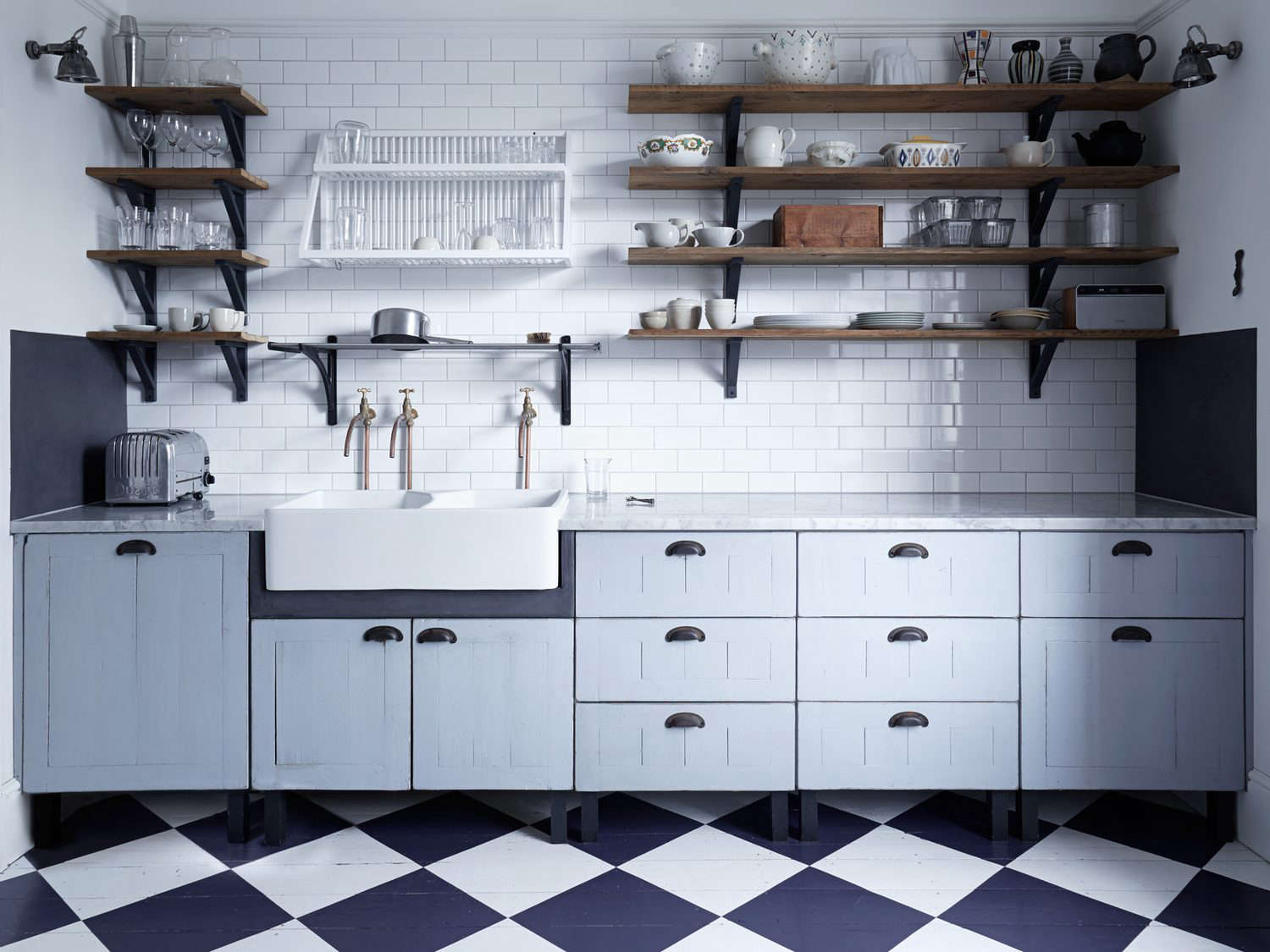
There are kitchens that look like they were designed by a committee, and then there are traditional English kitchensthe kind that appear to have been simmering gently for 200 years, possibly beside a pot of tea and a suspiciously well-behaved dog. Inspired by the Remodelista archives, this guide explores the enduring charm of English cookery spaces: unfitted cupboards, larders, painted cabinetry, farmhouse sinks, worktables, stone floors, and that quiet confidence that says, “Yes, the rolling pin has its own drawer.”
The phrase traditional English kitchen does not mean a room trapped in the past. It means a kitchen designed around use, warmth, storage, and texture. It favors furniture over glossy systems, patina over perfection, and sensible beauty over showroom gymnastics. In other words, it is the opposite of a kitchen that requires you to whisper near the countertops.
Below, we unpack the key lessons behind 16 favorite traditional English kitchens from the Remodelista spirit: practical rooms with soul, historical references with modern convenience, and enough charming storage to make even a packet of flour feel like it lives in a manor house.
Why Traditional English Kitchens Still Feel Fresh
The best English kitchens are not trying to impress you at full volume. They win you over slowly. A painted cupboard here. A marble-topped larder there. A deep sink under a window. A sturdy table in the center where someone can chop onions, fold napkins, supervise homework, or lean dramatically while waiting for the kettle to boil.
This style endures because it is rooted in utility. Before kitchens became social-media stages, they were working rooms. Traditional English kitchen design still carries that memory. The cupboards are often plain but beautifully proportioned. The finishes are tactile. The storage is visible, reachable, and honest. Nothing feels too precious to use, which is precisely why the rooms feel luxurious.
16 Favorite Traditional English Kitchen Ideas from the Remodelista Mood
1. The Two-Toned Farmhouse Kitchen
A classic English farmhouse kitchen often uses two complementary paint colors: perhaps a muted cream on wall cupboards and a deeper green, gray, or blue on base cabinets. The result feels layered rather than matched. Two-tone cabinetry also gives large kitchens more rhythm, like a well-written sentence with just enough punctuation.
2. The Larder That Works Harder Than It Looks
No traditional English kitchen feels complete without a larder or pantry cupboard. Historically, the larder was a cool place for storing food before modern refrigeration took over the heavy lifting. Today, it remains a brilliant storage solution for dry goods, baking supplies, small appliances, breakfast items, jars, baskets, and the mysterious tin you are saving “just in case.”
3. The Unfitted Kitchen
The unfitted kitchen is one of the most charming English ideas. Instead of a continuous wall of built-ins, it uses freestanding or furniture-like pieces: a dresser, an old table, a separate sink cabinet, a pantry cupboard, or a butcher block. This approach gives the room a collected-over-time feeling, even if everything arrived last Tuesday and you hid the receipt.
4. The Aga-Style Range as the Hearth
In many English country kitchens, the range acts like the emotional center of the room. A cast-iron cooker or Aga-style appliance brings color, weight, warmth, and a sense of permanence. Even in modern homes, this kind of range helps the kitchen feel anchored, as if the house grew around it rather than the other way around.
5. Shaker Cabinetry with English Manners
Shaker-style cabinetry is beloved because it is simple, adaptable, and quietly elegant. In an English kitchen, Shaker doors often appear with inset construction, painted finishes, wood knobs, brass hardware, or open shelves. The lines are clean but not cold. Think “well-read cottage,” not “laboratory with a fruit bowl.”
6. The Farmhouse Sink Under a Window
A deep Belfast or farmhouse sink is both beautiful and practical. It can handle muddy vegetables, large pots, flower buckets, and the occasional emotional dishwashing session after a dinner party. Placing it under a window keeps the room connected to the garden, the weather, and whatever squirrel drama is unfolding outside.
7. A Worktable Instead of a Standard Island
Many traditional English kitchens replace the modern blocky island with a freestanding worktable. This table may have drawers, a marble or oak top, turned legs, or open shelving beneath. It feels lighter than a built-in island and often makes the kitchen more flexible. It can be prep space, dining space, landing zone, or the place where everyone gathers while pretending not to eat the cheese.
8. Open Dressers and Plate Racks
The English kitchen dresser is a hero piece. It stores plates, bowls, serving dishes, glassware, linens, and sometimes an alarming number of mugs. Open dressers and plate racks create display space without feeling decorative for decoration’s sake. They say, “These dishes are used,” which is far more appealing than “These dishes are too fancy to touch.”
9. Natural Materials with Real Texture
Stone, wood, brick, marble, slate, terracotta, and limewashed walls all belong naturally in this style. Traditional English kitchens rarely look successful when everything is shiny and new. Honed stone, unlacquered brass, painted timber, oiled oak, and aged flooring bring depth. Patina is not a flaw here; it is the kitchen’s diary.
10. Dark Green, Deep Blue, and Muddy Neutrals
Color is one of the secrets of the English kitchen. Instead of stark white everywhere, these rooms often embrace earthy greens, chalky blues, mushroom grays, warm creams, ochers, and nearly black shades. The palette feels pulled from gardens, old paint boxes, cloudy skies, and vegetables you forgot in the crisper drawerbut in a very stylish way.
11. Brass, Iron, and Hardware That Ages Gracefully
Hardware matters. Traditional English kitchens usually avoid overly polished, flashy fittings. Unlacquered brass, aged bronze, blackened iron, and simple knobs or bin pulls work beautifully. They develop character with use. A little tarnish is not a disaster; it is the hardware equivalent of a good tweed jacket.
12. Beadboard, Tongue-and-Groove, and Paneling
Wall paneling gives English kitchens architectural warmth. Beadboard, tongue-and-groove boards, and simple painted paneling can be used on walls, backsplashes, cabinet ends, or pantry interiors. They add vertical texture and make a newer room feel more rooted.
13. A Scullery or Butler’s Pantry Feeling
Not every home has space for a full scullery, but the idea still matters. A secondary prep area, coffee station, appliance cupboard, dish storage zone, or compact pantry can bring that traditional service-room practicality into a modern layout. It keeps the main kitchen calm while secretly doing all the work behind the curtain.
14. Vintage Lighting with a Useful Job
English kitchens rarely rely on one dramatic pendant to do everything. Instead, they layer lighting: wall sconces, shaded pendants, task lights, and sometimes small lamps on counters or dressers. The goal is atmosphere plus function. A kitchen should be bright enough to dice onions safely but warm enough that people linger after dinner.
15. Collected Objects, Not Clutter
The difference between charm and chaos is editing. Traditional English kitchens often include baskets, pottery, framed art, wooden boards, copper pans, linen curtains, and antique pieces. The trick is to choose objects that are useful, meaningful, or visually grounding. Three beautiful jugs are charming. Thirty-seven jugs may require a meeting.
16. A Kitchen That Invites Real Life
The finest traditional English kitchens do not look staged to within an inch of their lives. They make room for cooking, conversation, children, guests, dogs, bread, flowers, and the occasional burnt toast. Their beauty comes from hospitality. They are not kitchens you admire from the doorway; they are kitchens you enter, use, and remember.
How to Recreate the Traditional English Kitchen Look at Home
Start with Function, Not Fantasy
Before choosing paint colors or ordering brass knobs, study how you cook and live. Do you bake often? Add a marble slab or dedicated baking drawer. Do you host family dinners? Prioritize a large table or island. Do you own too many jars of spices? Congratulations, you are human; plan a larder.
Choose Cabinetry That Feels Like Furniture
Flush-inset doors, Shaker fronts, freestanding pieces, and painted wood all help create the English look. If a full remodel is not possible, add one furniture-style element: a vintage dresser, open hutch, antique table, or pantry cabinet. One soulful piece can soften an entire kitchen.
Use Paint Like Atmosphere
Paint is one of the most powerful tools in this style. Try soft cream for warmth, sage green for garden charm, deep blue for drama, or muddy taupe for quiet sophistication. Avoid colors that feel too synthetic or glossy. Traditional English kitchens prefer shades that look good in changing light.
Let Materials Tell the Story
Wood countertops, honed stone, aged brass, handmade tile, brick flooring, and linen curtains all contribute to the mood. The materials do not need to be expensive, but they should feel tactile. A traditional English kitchen is not afraid of texture. In fact, it invites texture in, gives it tea, and asks it to stay for supper.
Mix Storage Types
Combine closed cupboards, drawers, open shelves, plate racks, hooks, baskets, and larder storage. This mix keeps the room practical and visually interesting. Closed storage hides the cereal boxes. Open shelving displays the good bowls. Hooks hold pans, aprons, and the occasional tote bag that has become part of the family.
Traditional English Kitchen Mistakes to Avoid
Do Not Over-Theme the Room
An English kitchen should feel authentic, not like a movie set waiting for a footman. Avoid too many signs, fake antiques, or decorative objects that serve no purpose. The style works best when it is subtle and functional.
Do Not Make Everything Match
Perfect matching can flatten the personality of the room. Traditional English kitchens benefit from small contrasts: old and new, painted and natural wood, stone and linen, brass and iron. The room should feel assembled, not cloned.
Do Not Forget Modern Comfort
Historic charm is wonderful. Struggling with bad lighting, poor ventilation, or not enough outlets is less wonderful. Build in modern convenience quietly: efficient appliances, good task lighting, smart storage, durable surfaces, and practical workflow. The goal is not to cosplay as a Victorian cook. The goal is to enjoy a beautiful kitchen without losing your mind.
Why the Remodelista Archives Still Inspire
The Remodelista approach has always favored considered design over loud trends. Its traditional English kitchen examples are memorable because they show rooms with restraint, texture, and purpose. A dark green deVOL kitchen, a Plain English farmhouse project, a thatched cottage kitchen with a larder, or a worktable doubling as dining space all point to the same lesson: good kitchens are not just designed; they are lived into.
These kitchens appeal because they are not chasing the newest finish of the month. They are built around proportion, craft, storage, and atmosphere. They understand that a kitchen must survive breakfast, dinner, holidays, grocery bags, spilled flour, and the person who always opens the wrong drawer.
Experience Notes: Living with the Traditional English Kitchen Idea
After studying traditional English kitchens, the biggest practical lesson is this: the style works because it respects daily routines. It is not only about how the kitchen photographs. It is about where the tea lives, how quickly you can find a saucepan, whether the sink can handle real mess, and whether the room still feels inviting when someone leaves toast crumbs on the table.
One experience that stands out is how transformative a single freestanding piece can be. A vintage dresser or pantry cupboard changes the whole mood of a kitchen. It interrupts the monotony of built-in cabinetry and gives the room a human scale. You can store plates above, linens in drawers, jars behind doors, and serving pieces on open shelves. Suddenly the kitchen has a focal point that feels useful rather than decorative.
Another lesson is that worktables are underrated. A modern island can be practical, but it can also become a heavy block in the middle of the room. A table, especially one with drawers or a lower shelf, feels more relaxed. It lets light move around it. It can be used for chopping vegetables in the morning, serving lunch at noon, and spreading out wrapping paper in December. It is flexible in a way that feels deeply compatible with family life.
Color also changes the emotional temperature of a kitchen. A room painted in soft green, smoky blue, warm cream, or earthy gray feels calmer than a stark white space under harsh light. Traditional English kitchens remind us that white is not the only route to timelessness. Sometimes a muddy green cabinet with brass knobs feels more enduring than a glossy white door that shows every fingerprint like it is keeping evidence.
Storage is another major experience point. A larder cupboard can make cooking feel easier because it gathers everyday ingredients in one visible, organized place. Instead of hunting through several cabinets for flour, pasta, tea, and oil, everything can live together. The inside of a larder can be highly practical: narrow shelves, spice racks, drawers, baskets, and even a small counter for the toaster or coffee machine. Close the doors, and the kitchen instantly looks calmer. It is basically a magic trick, but with crackers.
The traditional English kitchen also encourages a healthier attitude toward wear. A scratch on a wood table, a darkened brass handle, or a slightly uneven handmade tile does not ruin the room. It adds history. This is especially useful in busy homes, where perfection is usually defeated before breakfast. Materials that age gracefully reduce stress because they are expected to change.
Finally, the best experience of this style is hospitality. Traditional English kitchens are designed for lingering. They make space for a chair near the range, a table near the window, a lamp on a dresser, or a shelf of favorite mugs. These details say the kitchen is not just a production zone. It is a room where people gather, talk, snack, help, hover, and occasionally offer cooking advice nobody requested.
That is why the Cookery-inspired English kitchen remains so appealing. It offers beauty without fuss, function without coldness, and nostalgia without pretending the dishwasher was never invented. It is a style built for real homes, real meals, and real peoplethe kind who appreciate good storage, warm lighting, and a kitchen that looks even better with a little life in it.
Conclusion
The traditional English kitchen remains beloved because it balances history with usefulness. From larders and freestanding furniture to painted Shaker cabinetry, farmhouse sinks, worktables, and natural materials, the style proves that a kitchen can be elegant without being stiff. Inspired by the Remodelista archives, these 16 favorite ideas show that the best cookery spaces are practical, layered, warm, and quietly full of personality. They do not shout for attention. They invite you in, hand you a mug, and somehow make the whole house feel better.