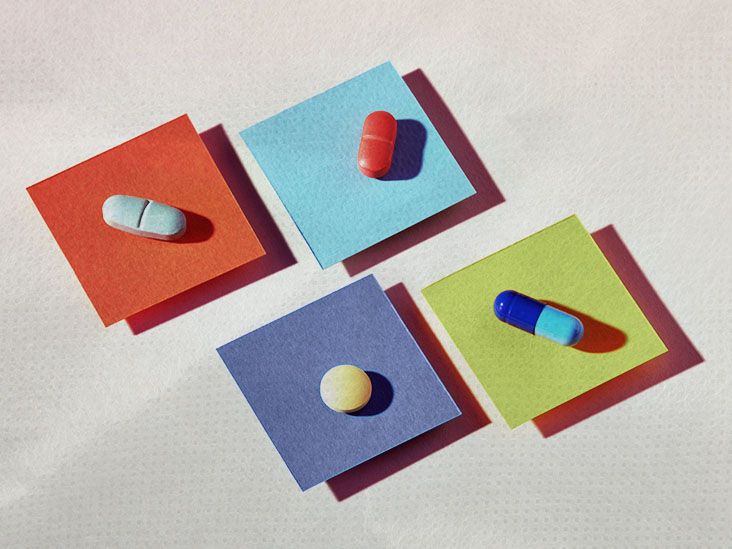
A toxicology screen, often called a “tox screen” or “drug test,” is one of those medical tests with a dramatic name. It sounds like something from a crime show, right before someone in a lab coat says, “We found traces of something suspicious.” In real life, a toxicology screen is usually less theatrical and much more practical. It helps doctors, employers, emergency teams, and legal professionals detect certain drugs, medications, alcohol, poisons, or chemical substances in the body.
The main keyword here is simple: toxicology screen. But the topic is broader than a single cup of urine and a nervous waiting room chair. A tox screen may use urine, blood, saliva, hair, breath, sweat, or other samples. It may look for prescription medications, over-the-counter drugs, illegal substances, alcohol, or toxins. Most importantly, the meaning of a result depends on the type of test, the sample, the timing, and the reason it was ordered.
This guide explains the major types of toxicology screens, common samples used, drugs that may be detected, how results are interpreted, and what people should know before assuming a test result tells the whole story. Spoiler: it usually does not. A tox screen is a powerful tool, but it is not a crystal ball wearing safety goggles.
What Is a Toxicology Screen?
A toxicology screen is a group of tests used to detect the presence or approximate amount of drugs, chemicals, or toxins in the body. The test may be ordered in a hospital, clinic, workplace, rehabilitation program, sports setting, legal investigation, or emergency department.
In medical settings, toxicology screening is often used when a person has unexplained symptoms such as confusion, extreme sleepiness, agitation, seizures, breathing problems, abnormal heart rhythm, or suspected overdose. In workplace or compliance settings, testing may be used to check for recent drug use. In forensic settings, toxicology testing may help investigators understand whether drugs or toxins contributed to injury, impairment, or death.
Screening vs. Confirmation
One of the most important things to know is that many toxicology screens are initial screening tests. These are designed to quickly identify possible substances. They are useful, fast, and relatively affordable, but they can sometimes produce false-positive or false-negative results.
For that reason, a positive screening result may need confirmation using a more specific laboratory method, such as gas chromatography-mass spectrometry or liquid chromatography-tandem mass spectrometry. These confirmation tests are slower and more expensive, but they are much better at identifying exact drugs and metabolites.
Think of the first screen as a smoke alarm. It tells you something might be happening. Confirmation testing is the fire inspector who walks in with a clipboard and asks, “Okay, what exactly are we dealing with?”
Why Is a Toxicology Screen Done?
A toxicology screen may be ordered for many reasons. The setting matters because a hospital test is not the same thing as a workplace test, and neither is identical to a forensic toxicology investigation.
Emergency Medical Care
In an emergency room, a tox screen can help clinicians identify possible overdose, poisoning, medication interactions, or substance exposure. However, doctors do not rely only on a test result. They also look at symptoms, vital signs, medical history, physical exam findings, and other lab results.
Medication Monitoring
Some patients take medications that require careful monitoring, especially controlled substances such as opioids, stimulants, or certain sedatives. A toxicology test may help confirm whether a prescribed medication is present or whether unexpected substances appear.
Workplace Testing
Employers may require drug testing before hiring, after an accident, randomly, or when there is reasonable suspicion of impairment. Workplace programs often follow strict collection and documentation procedures to reduce errors and protect the integrity of the sample.
Legal and Forensic Testing
Forensic toxicology may be used in investigations involving impaired driving, suspected poisoning, workplace accidents, custody cases, probation monitoring, or death investigations. These tests usually require careful chain-of-custody procedures and confirmatory analysis.
Types of Toxicology Screens
1. Urine Drug Screen
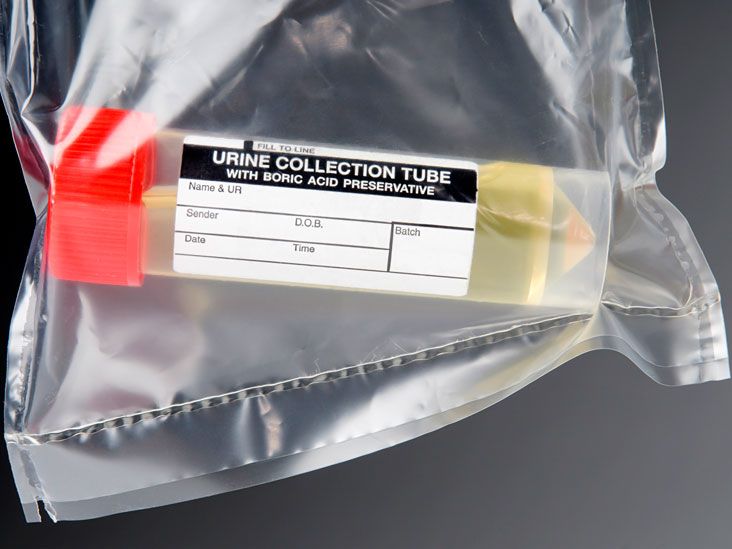
A urine drug screen is one of the most common forms of toxicology testing. Urine is popular because it is easy to collect, noninvasive, and often contains drug metabolites for longer than blood or saliva. Many standard urine panels test for substances such as cannabis, cocaine, opioids, amphetamines, PCP, benzodiazepines, barbiturates, and other commonly misused drugs.
Urine testing is especially useful for detecting recent or past use, depending on the drug. However, urine does not usually show whether someone is currently impaired. It tells more about exposure than real-time performance. In other words, urine can say, “Something was here,” but it may not say, “This person is impaired right now.”
2. Blood Toxicology Screen
Blood testing is more invasive but can provide valuable information about what is actively circulating in the body. It is often used in emergency medicine, suspected poisoning, impaired driving cases, and situations where timing matters.
Blood tests are better than urine tests for estimating recent use or current drug concentration. For example, blood alcohol concentration is commonly used to evaluate alcohol impairment. Blood testing may also help assess levels of medications such as lithium, digoxin, anticonvulsants, acetaminophen, salicylates, or other substances where the actual concentration can guide treatment.
3. Saliva or Oral Fluid Test
Saliva testing, also called oral fluid testing, is less invasive than blood testing and harder to substitute than urine. It may detect drugs used recently, often within a shorter window than urine. Oral fluid tests are increasingly used in roadside, workplace, and clinical settings.
Because oral fluid often reflects more recent exposure, it can be helpful when the question is, “Was this drug used recently?” However, detection windows vary depending on the drug, dose, frequency of use, and testing method.
4. Hair Drug Test
Hair testing can detect drug exposure over a longer period, often weeks to months. A small sample of hair is collected and analyzed for drug markers that became incorporated as the hair grew.
Hair testing is useful for looking at longer-term patterns, but it is not ideal for detecting very recent use. It also does not prove impairment. A hair test is more like reading an old calendar than checking today’s weather.
5. Breath Alcohol Test
Breath testing is most commonly used for alcohol. It estimates blood alcohol concentration by measuring alcohol in exhaled breath. Breath tests are fast, portable, and commonly used by law enforcement and workplace safety programs.
6. Sweat, Nail, Meconium, and Other Samples
Less common samples may also be used. Sweat patches can monitor drug exposure over several days. Nail testing may provide a longer detection window, somewhat like hair testing. Meconium, a newborn’s first stool, may be used to evaluate prenatal substance exposure. In certain emergency or forensic cases, gastric contents, tissue, or other biological samples may be analyzed.
Common Samples Used in Toxicology Testing
Urine
Urine is the workhorse of toxicology screening. It is commonly used because collection is simple, many drugs appear in urine as metabolites, and detection windows can be longer than blood. The downside is that urine testing can be affected by dilution, timing, lab cutoff levels, and sample handling.
Blood
Blood is useful when clinicians need more immediate information about a person’s current condition. It is especially important in suspected overdose, poisoning, alcohol impairment, or medication toxicity. Blood testing is more invasive and may have a shorter detection window for many substances.
Saliva
Saliva is convenient, observed collection is easy, and results may reflect recent use. It is less invasive than blood and less awkward than supervised urine collection, which deserves a small round of applause from everyone involved.
Hair
Hair can show longer-term exposure patterns. It is often used when a wider historical view is needed. However, hair testing is not great for detecting use that happened very recently.
Breath
Breath is mainly used for alcohol testing. It is fast, portable, and practical for roadside or workplace safety checks.
What Drugs Can a Toxicology Screen Detect?
The exact list depends on the test panel. A basic panel may check only a few drug classes, while an expanded panel may test for dozens of substances. Common drug categories include:
Opioids
Opioid testing may include morphine, codeine, heroin metabolites, oxycodone, hydrocodone, fentanyl, methadone, buprenorphine, and related compounds. Not every opioid appears on every standard panel. For example, fentanyl often requires a specific test because it may not be detected on older or basic opioid screens.
Cannabis
Cannabis testing usually looks for THC metabolites. Detection depends on frequency of use, body composition, dose, test sensitivity, and time since last exposure. Occasional use may be detectable for a shorter period, while frequent use may remain detectable longer.
Cocaine
Cocaine screens typically detect benzoylecgonine, a major metabolite. A positive result usually suggests recent cocaine exposure, though timing varies.
Amphetamines and Stimulants
This category may include amphetamine, methamphetamine, MDMA, and some prescription stimulants. Interpretation can be tricky because certain prescription medications or cross-reacting substances may affect screening results.
Benzodiazepines
Benzodiazepines include medications such as diazepam, alprazolam, lorazepam, clonazepam, and others. Some screening tests miss certain benzodiazepines, so a negative result does not always rule out use.
Barbiturates
Barbiturates are less commonly prescribed today but may still appear in toxicology panels. Detection depends on the specific drug and whether it is short-acting or long-acting.
Alcohol
Alcohol may be tested through breath, blood, urine, or other methods. Some tests look for ethanol directly, while others look for alcohol metabolites such as ethyl glucuronide or ethyl sulfate.
Other Drugs and Toxins
Depending on the situation, testing may include PCP, ketamine, synthetic cannabinoids, antidepressants, antipsychotics, antihistamines, acetaminophen, salicylates, carbon monoxide exposure, heavy metals, pesticides, or household chemicals. In emergency toxicology, acetaminophen and salicylate levels are especially important because early treatment can prevent serious harm.
How Long Do Drugs Stay Detectable?
There is no universal answer. Detection windows depend on the drug, sample type, dose, metabolism, hydration, frequency of use, body fat, liver and kidney function, and test cutoff levels.
In general, blood and saliva tend to reflect more recent use. Urine often detects exposure over a longer period than blood. Hair may detect exposure over weeks or months. Breath alcohol testing reflects relatively recent alcohol use.
This is why online charts that promise exact detection times should be treated carefully. Biology does not run on a kitchen timer. Two people can take the same medication and have different results depending on their bodies, timing, and the test used.
How Are Toxicology Screen Results Interpreted?
Negative Result
A negative result means the tested substance was not detected above the laboratory cutoff. It does not always mean the person never used the substance. The drug may be outside the detection window, present below the cutoff, or not included in the panel.
Positive Result
A positive result means the substance or its metabolite was detected. However, a screening positive may be considered presumptive until confirmed by a more specific laboratory method.
Inconclusive or Invalid Result
Sometimes results are inconclusive, invalid, or require recollection. This may happen because of sample problems, insufficient quantity, abnormal specimen characteristics, laboratory issues, or other factors.
False Positives and False Negatives
Toxicology testing is useful, but it is not perfect. Some immunoassay screens can cross-react with medications, supplements, or other compounds. That can lead to a false-positive result. False negatives can occur when a drug is not included in the panel, the concentration is below the cutoff, the sample is collected too early or too late, or the specific test is not sensitive to that substance.
This is why people should tell healthcare providers or testing officials about prescription medications, over-the-counter drugs, supplements, and relevant medical history. Honesty may not make the waiting room more comfortable, but it can make the interpretation much more accurate.
What Happens During a Toxicology Screen?
The process depends on the sample. For urine testing, a person provides a urine sample in a collection cup. For blood testing, a healthcare professional draws blood from a vein. For saliva testing, a swab collects oral fluid from inside the mouth. For hair testing, a small hair sample is cut close to the scalp. Breath alcohol testing requires the person to blow into a device.
Some collections are observed or documented using chain-of-custody procedures, especially in workplace, legal, or forensic settings. In clinical care, the process is usually focused on diagnosis and treatment rather than discipline.
Practical Tips Before a Toxicology Test
Before a toxicology screen, bring a list of all prescription medications, over-the-counter products, vitamins, supplements, and herbal products. Do not assume “natural” means irrelevant. The lab does not care whether something came from a pharmacy shelf, a plant, or your aunt’s mysterious wellness cabinet.
Follow collection instructions carefully. Do not try to alter, dilute, or manipulate a sample. Aside from being risky and often detectable, it can delay care, create legal problems, or make results harder to interpret. If you are worried about a medication or substance exposure, talk with a healthcare professional directly.
Experience Section: Real-Life Lessons About Toxicology Screens
People often imagine toxicology screening as a simple pass-or-fail event. In real life, it is more like a conversation between biology, chemistry, timing, and context. One of the most common experiences patients describe is surprise. Someone may say, “But I took that medication days ago,” or “How can this show up when I feel completely normal?” The answer is that toxicology tests are not mood rings. They do not measure how guilty, impaired, responsible, or irresponsible someone is. They measure whether certain substances or metabolites are detectable in a particular sample at a particular time.
In emergency care, a toxicology screen can be a helpful clue, but it rarely replaces clinical judgment. Imagine a person arriving confused, sleepy, and breathing slowly. A urine drug screen may suggest opioid exposure, but the medical team still has to assess oxygen levels, breathing, blood pressure, pupils, medication bottles, family reports, and response to treatment. The tox screen is one piece of the puzzle, not the entire puzzle box.
In workplace testing, the experience can feel stressful even for people who have done nothing wrong. The formality of collection, labels, signatures, and sealed containers can make anyone feel like they are starring in a courtroom drama. This is why clear instructions and respectful staff matter. A well-run testing process should protect both safety and dignity.
Medication monitoring is another area where expectations can become complicated. A patient prescribed an opioid for chronic pain may be tested to confirm the medication is being taken as directed and to check for unexpected substances. A surprising result does not automatically mean misuse. It may reflect timing, metabolism, lab limitations, a missed dose, a drug interaction, or the need for confirmatory testing. Good clinicians discuss results carefully instead of jumping to conclusions with the grace of a cat knocking over a vase.
Families may also encounter toxicology testing during difficult moments, such as suspected adolescent substance use or possible accidental ingestion. These conversations require sensitivity. A test can provide useful information, but it should not replace trust, listening, and professional guidance. A negative result does not always end the concern, and a positive result should lead to support, not panic.
The biggest lesson is this: toxicology screens work best when interpreted with context. The sample type matters. The drug panel matters. The detection window matters. The patient’s medication list matters. The reason for testing matters. A tox screen can be incredibly helpful, but it should be read like a medical result, not a moral verdict.
If you ever face a toxicology screen, stay calm, be honest about medications and supplements, ask what substances are included in the panel, and request clarification if results are unexpected. The science is strong, but the interpretation should still be thoughtful. Even the best lab test needs a human brain on the other side.
Conclusion
A toxicology screen is a valuable test used to detect drugs, medications, alcohol, and toxins in the body. It can support emergency care, medication monitoring, workplace safety, and forensic investigations. The most common sample is urine, but blood, saliva, hair, breath, sweat, nails, meconium, and other samples may be used depending on the situation.
The key takeaway is simple: a tox screen is informative, but it is not magic. Results depend on the type of test, the sample collected, the detection window, the drug panel, and whether confirmatory testing is performed. Positive screening results may need confirmation, negative results may not rule out all exposure, and interpretation should always consider medical and personal context.
Note: This article is for educational purposes only and is not a substitute for medical advice, diagnosis, legal advice, or treatment. Anyone with concerns about poisoning, overdose, medication toxicity, or substance exposure should contact a qualified healthcare professional or emergency services immediately.