That breakfast omelet can do more than fuel your morning. Its shells may return to the coop as a useful source of calcium for laying hensan impressively tidy bit of backyard recycling. The hens make eggs, you eat the eggs, and the shells go back to the hens. Even the most enthusiastic sustainability consultant would have trouble improving that loop.
However, feeding eggshells to chickens requires more than tossing cracked shells into the run. Raw residue can attract pests, recognizable shells may encourage egg pecking, and excessive calcium is inappropriate for chicks, young pullets, roosters, and hens that are not laying. Eggshells should also complementnot replacea complete layer feed.
This guide explains how to clean, dry, crush, store, and serve eggshells safely in 10 practical steps. It also covers common mistakes, calcium requirements, thin-shell problems, and lessons learned from real-world flock management.
Why Feed Eggshells to Chickens?
An eggshell is composed primarily of calcium carbonate. Laying hens use substantial amounts of calcium to build shells, and a productive hen may require roughly 4 grams or more of calcium per day from her complete diet and any supplemental source.
When dietary calcium is inadequate, a hen may produce thin, rough, soft, or shell-less eggs. Her body can also draw calcium from skeletal reserves to support egg formation. Over time, a serious imbalance may contribute to weak bones and other health problems.
Properly prepared eggshells offer several advantages:
- They recycle a household or farm byproduct.
- They provide calcium carbonate for laying hens.
- They can supplement a balanced layer ration.
- They reduce the number of shells entering the trash or compost pile.
- They cost almost nothing, assuming you were planning to eat the eggs anyway.
Eggshells are not nutritionally complete, though. They supply calcium but do not provide the balanced protein, energy, phosphorus, vitamins, and trace minerals found in commercial layer feed. Think of them as a supporting actor, not the entire cast.
What You Will Need
- Clean eggshells
- A colander or bowl
- A baking sheet
- An oven or another reliable drying method
- A rolling pin, mortar and pestle, food processor, or sturdy jar
- An airtight storage container
- A small, weather-protected calcium feeder
How to Feed Eggshells to Chickens in 10 Steps
Step 1: Confirm That the Chickens Are Actively Laying
Offer supplemental calcium primarily to mature hens that are producing eggs or are very close to the start of lay. Chicks and growing pullets need considerably less calcium than laying hens. Excess calcium during growth can interfere with mineral balance and may place unnecessary stress on the kidneys.
Roosters and nonlaying birds do not have the same calcium demand. In a mixed flock, serve eggshells in a separate container rather than blending them into the main ration. Laying hens can then choose the supplement while other birds are less likely to consume large quantities.
Step 2: Keep Complete Layer Feed as the Main Diet
A quality layer ration should remain the nutritional foundation of the flock. Most commercial layer feeds are formulated with approximately 3.5% to 4.5% calcium, along with appropriate levels of protein, phosphorus, vitamin D, and other nutrients needed for egg production.
Do not reduce the layer feed simply because eggshells are available. Too many kitchen scraps, treats, or scratch grains can dilute the carefully balanced ration. As a general management habit, keep extras modest and make sure the hens continue eating their regular feed.
Step 3: Collect Suitable Eggshells
Save shells from clean, ordinary chicken eggs. Shells from your flock or store-bought eggs can both be used, provided they are handled properly. Place them in a washable bowl or container until you are ready to prepare a batch.
Discard shells that smell rotten, have been sitting in dirty water, contain mold, or have contacted household chemicals. Avoid collecting shells from spoiled eggs. A calcium supplement should not arrive with a mysterious biological side project attached.
If disease is suspected in the flock, ask a poultry veterinarian or local extension professional before recycling material from questionable eggs.
Step 4: Rinse Away Egg Residue
Rinse the shells to remove remaining yolk and egg white. This step reduces odors, discourages flies, and prevents sticky clumps during drying. It also makes the finished material less appealing to rodents and other unwanted coop visitors.
You do not need to peel away every bit of the inner membrane. The membrane will dry with the shell and can be crushed. Wash your hands, utensils, and work surface after handling raw egg material because even clean-looking eggs can carry bacteria.
Step 5: Dry and Heat the Shells
Spread the rinsed shells in a single layer on a baking sheet. Let excess water drain first, then bake them at approximately 200°F for about 10 to 15 minutes, or until they are completely dry and brittle. Oven performance varies, so watch the shells rather than treating the timer as poultry law.
Heating dries the remaining membrane and residue, reduces odors, makes the shells easier to crush, and lowers the risk associated with lingering raw material. The shells do not need to brown or burn. If your kitchen suddenly smells like a geological campfire, they stayed in too long.
Air-drying is possible, but oven drying is faster and more dependable in humid climates. Shells stored with residual moisture can develop mold or unpleasant odors.
Step 6: Cool the Shells Completely
Remove the baking sheet and allow the shells to cool before crushing or storing them. Hot shells can create condensation inside a closed container, undoing the drying work you just completed.
Properly dried shells should feel crisp and break easily. If they bend, feel damp, or cling together, return them to the oven briefly and check again.
Step 7: Crush Them Beyond Recognition
Crush the cooled shells into small, irregular particles. A rolling pin and sealed bag work well, as do a mortar and pestle or a food processor reserved for dry ingredients. The finished pieces should no longer resemble curved sections of an egg.
This matters because recognizable shells may teach curious hens that eggs contain something edible. Crushing does not guarantee that a flock will never peck eggs, but it removes the most obvious visual connection between the supplement and freshly laid eggs.
A mixture of fine crumbs and tiny flakes is practical. Avoid large, sharp shards. Turning every shell into airborne powder is unnecessary and can make the supplement messy, but the pieces should be small enough that a hen cannot identify them as half an eggshell.
Step 8: Store the Crushed Shells Correctly
Transfer the cooled, crushed eggshells to a clean, airtight container. Label it clearly and keep it in a dry location away from rodents, insects, moisture, and feed contaminants.
Never seal warm shells in a jar. Moisture trapped inside encourages spoilage. Inspect stored eggshells before use and discard the batch if you notice mold, unusual discoloration, clumping, or a sour odor.
Step 9: Offer Eggshells Free-Choice in a Separate Feeder
Place a small quantity of crushed eggshells in a dedicated feeder besidenot insidethe regular feed container. Keep it protected from rain and droppings. A wall-mounted cup or covered mineral feeder helps prevent waste.
Free-choice feeding allows laying hens to consume supplemental calcium according to their individual needs. One hen may visit frequently during peak production, while another may barely touch it. That difference is normal.
Avoid routinely mixing large amounts of eggshell into layer feed. Mixing removes the birds’ ability to regulate their intake and exposes every flock member to the same calcium level. Refill the separate feeder as needed rather than measuring a mandatory daily dose for each hen.
Step 10: Monitor the Hens and Their Eggs
Watch shell quality over the following weeks. Stronger shells may suggest that additional calcium was useful, but remember that improvement is not always immediate. Continue providing clean water and a balanced ration, and keep nest boxes clean so eggs are less likely to crack.
Do not assume every soft or misshapen egg is caused by calcium deficiency. Shell quality may also be affected by age, heat stress, inconsistent water intake, disease, stress, excessive treats, phosphorus imbalance, vitamin D problems, or disruptions in the laying cycle.
If abnormal shells continue despite good nutrition and management, consult a veterinarian or extension poultry specialist. Adding mountains of calcium to an undiagnosed problem is not treatment; it is merely creating a very expensive pile of minerals.
Eggshells Versus Oyster Shell
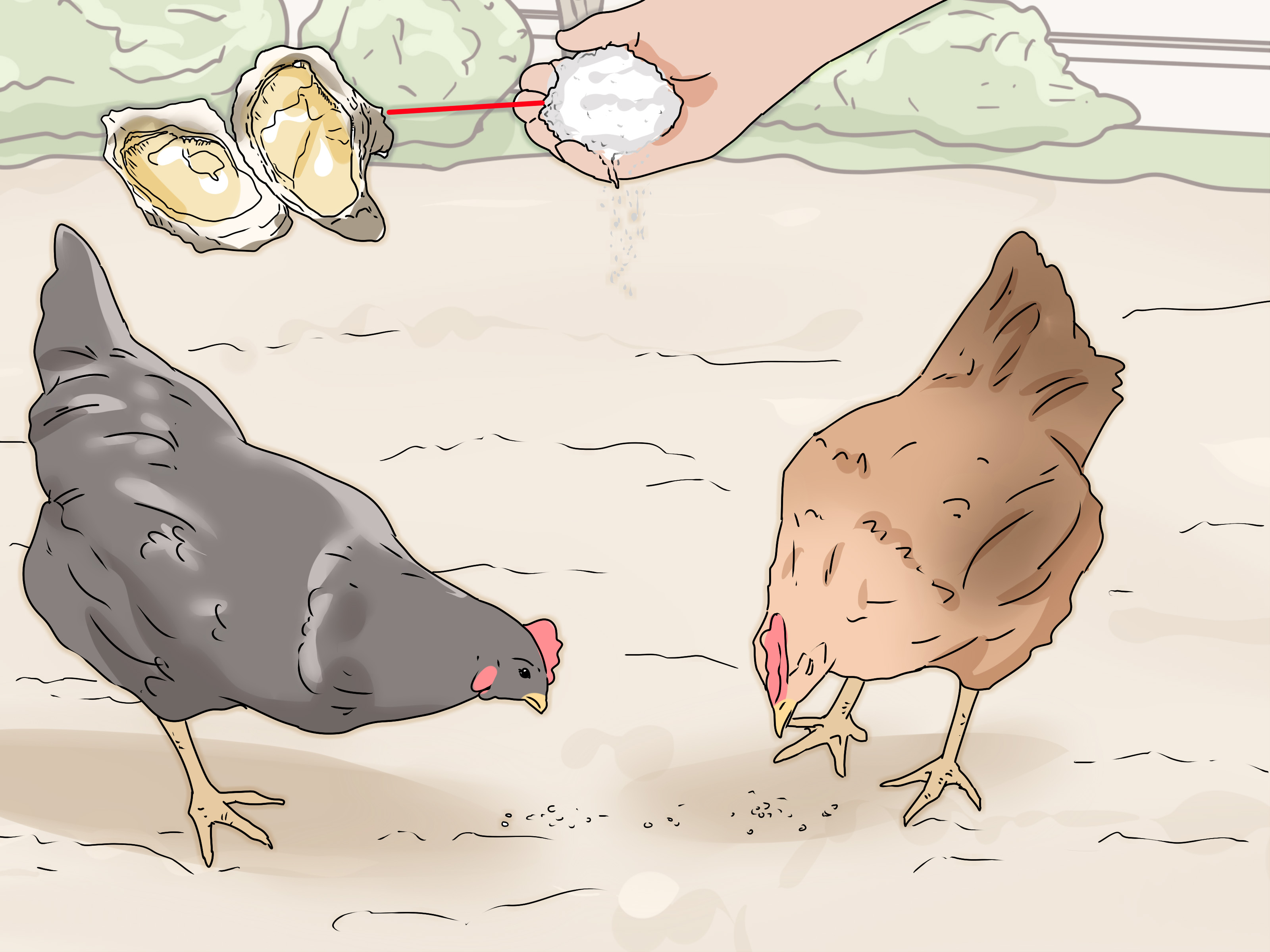
Both crushed eggshell and commercial oyster shell can provide calcium carbonate, but they are not identical in everyday use.
Eggshells are free and reduce waste, but the supply depends on how many eggs your household consumes and returns. Some calcium is inevitably lost because not every shell is recovered or eaten. Eggshell particles may also be crushed more finely than commercial oyster shell, allowing them to move through the digestive system faster.
Oyster shell is convenient, consistent, inexpensive, and commonly sold in particle sizes suitable for adult hens. Larger calcium particles can remain in the digestive tract longer, making calcium available while the hen forms a shell, much of which occurs overnight.
For a small backyard flock, eggshells can be a useful supplement. If the eggshell supply is irregular or shell problems persist, commercial oyster shell is usually the more dependable free-choice option. Some keepers offer a mixture of both.
Common Mistakes to Avoid
Feeding Whole or Recognizable Shells
A half-shell sitting in the run looks suspiciously similar to the eggs in a nest. Dry and crush shells thoroughly so hens do not learn an inconvenient breakfast habit.
Giving Extra Calcium to Chicks
Young chickens need starter or grower feed designed for their stage of development. Do not give them unrestricted access to layer-level calcium supplements.
Using Eggshells Instead of Layer Feed
Calcium alone cannot support egg production. Hens still need protein, energy, phosphorus, vitamins, trace minerals, and constant access to clean water.
Confusing Calcium with Grit
Soluble calcium supplements and insoluble granite grit perform different jobs. Calcium supports eggshells and bones. Grit helps the gizzard grind coarse food. A hen that eats grains or fibrous treats may need appropriate insoluble grit even when eggshells are available.
Leaving the Supplement Exposed to Rain
Wet eggshells clump, collect dirt, and may spoil. Use a covered feeder and replace contaminated material promptly.
Trying to Fix Every Odd Egg with More Calcium
An occasional soft-shelled egg can occur in a young layer or a stressed hen. Repeated abnormalities deserve a broader look at feed intake, water, heat, illness, flock stress, and age.
Frequently Asked Questions
How Much Crushed Eggshell Should I Give My Chickens?
There is no universal spoonful-per-hen rule for a flock already eating balanced layer feed. Place a modest amount in a separate, protected feeder and allow mature laying hens to choose it. Refill when the supply becomes low or dirty.
Can Chickens Eat Eggshells Without Baking Them?
Chickens may consume raw shells, but drying and heating them is the safer management practice. It removes wet egg residue, reduces odor, discourages pests, makes crushing easier, and helps prevent the shells from looking or tasting like freshly broken eggs.
Will Feeding Eggshells Make Chickens Eat Their Eggs?
Properly dried and finely crushed shells are unlikely to resemble intact eggs. Egg eating is more often encouraged by cracked eggs, overcrowded or poorly designed nests, hunger, boredom, and shells breaking in the nest. Collect eggs regularly and address broken eggs promptly.
Can Roosters Eat Crushed Eggshells?
A rooster accidentally consuming a few particles is not usually a crisis, but he does not need the calcium level required by a laying hen. Keep the supplement separate from the main ration so nonlaying birds are not forced to eat it.
Can Eggshells Replace Oyster Shell Completely?
They may provide enough supplemental calcium for some small flocks, especially when hens also eat a complete layer diet. However, oyster shell offers a reliable supply and consistent particle size. Keeping oyster shell available is sensible when household eggshells are limited.
Conclusion
Learning how to feed eggshells to chickens is mostly a lesson in thoughtful preparation. Use shells only as a supplement for laying hens, rinse away raw residue, dry them thoroughly, crush them beyond recognition, and serve them free-choice in a separate feeder.
Most importantly, keep balanced layer feed and clean water at the center of the flock’s diet. Eggshells are a useful source of recycled calcium, but they cannot correct every nutritional, environmental, or health problem. Prepared properly, however, yesterday’s breakfast can help tomorrow’s eggs arrive with shells sturdy enough to survive the trip from nest box to kitchen.
Practical Experiences From Feeding Eggshells to Backyard Chickens
The most valuable lessons often appear after the neat instructions meet an actual flock. Chickens have personalities, preferences, and an impressive ability to scatter carefully prepared materials across the ground in under twelve seconds.
Experience 1: The Separate Feeder Reduces Waste
A common first attempt is sprinkling crushed shells over regular feed. The hens eat some, push some aside, and bury the remainder while hunting for their favorite pellets. Placing the shells in a small wall-mounted cup produces a noticeably tidier result. It also becomes easier to see whether the hens are actually consuming the supplement.
Positioning matters. A feeder mounted around the height of a hen’s back is less likely to collect bedding, droppings, or enthusiastic scratching debris. Adding only a small amount at a time keeps the contents fresh.
Experience 2: Moisture Causes More Trouble Than Crushing
Many beginners worry about creating the perfect particle size, but inadequate drying causes more immediate problems. Shells that seem dry on the outside may still contain damp membrane. When sealed in a jar, that moisture creates condensation, clumping, and an odor capable of making an innocent pantry look guilty.
Letting the shells cool on the baking sheet before storage solves much of this problem. A practical test is to crush one between two fingers after cooling. It should snap cleanly rather than bend or feel leathery.
Experience 3: Hens Do Not Consume Equal Amounts
In a laying flock, one hen may visit the calcium feeder daily while another appears uninterested. This does not automatically mean something is wrong. Egg production, age, feed consumption, and individual appetite influence supplemental calcium intake.
Free-choice service works because it accommodates these differences. Mixing a large scoop into the main feed may look efficient, but it eliminates choice and makes it difficult to know which birds needed the supplement.
Experience 4: Eggshells Run Out Faster Than Expected
A household may save every breakfast shell and still fail to produce enough for a flock during peak laying season. Six hens can lay considerably more eggs than two people can eat, especially once neighbors begin avoiding eye contact because another complimentary dozen is approaching.
Keeping commercial oyster shell available prevents gaps. Eggshells can then be added whenever a prepared batch is ready without becoming the flock’s only supplemental calcium source.
Experience 5: Thin Shells Require Detective Work
When a hen lays a soft egg, the natural reaction is to add calcium immediately. Sometimes that helps, but practical flock management requires checking the whole picture. Is the layer feed fresh? Are treats replacing too much of it? Has hot weather reduced appetite? Is clean water always available? Is the hen young, elderly, molting, frightened, or ill?
One odd egg is usually an observation to record, not a reason to panic. Repeated soft shells across several hens deserve closer attention. Persistent problems in one bird may point toward age or health rather than a flock-wide calcium shortage.
Experience 6: A Simple Routine Is the Most Sustainable
The easiest long-term system is usually the best: rinse shells after cooking, collect them in an open container, bake a batch when the tray is full, cool, crush, and store. Complicated procedures tend to disappear during busy weeks. A repeatable routine turns eggshell recycling from a charming weekend experiment into an ordinary part of caring for laying hens.