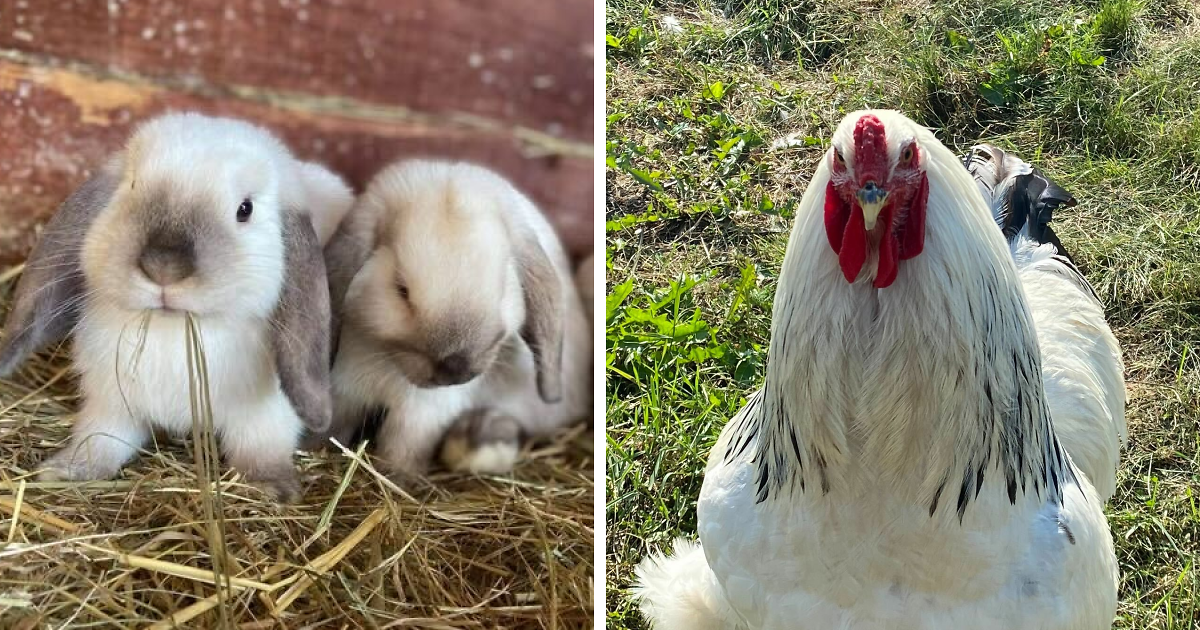
Few gardening experiences are more humbling than admiring a freshly planted container on Monday and discovering a collection of neatly trimmed stems on Tuesday. The rabbits call it breakfast. The deer apparently ordered the tasting menu.
Fortunately, you can make your patio, porch, balcony, and entryway considerably less appetizing by choosing rabbit and deer-resistant container plants. These plants often discourage browsing with aromatic foliage, fuzzy leaves, tough textures, sharp edges, or flavors that wildlife would rather not investigate twice.
Keep in mind that “resistant” does not mean “protected by an invisible force field.” Deer and rabbits may sample almost anything when food is scarce, populations are high, or tender new growth appears in spring. Still, the following 19 plants are among the better choices for building colorful containers that are less likely to become an all-night salad bar.
What Makes a Container Plant Deer and Rabbit Resistant?
Browsing animals frequently avoid plants with strong fragrances, coarse or hairy foliage, leathery leaves, bitter compounds, or spiny textures. That is why herbs such as rosemary and sage often survive untouched while nearby petunias mysteriously disappear.
Containers provide an additional advantage. Tall pots and elevated planters may place foliage beyond a rabbit’s normal reach. Movable containers can also be brought closer to the house, placed behind a gate, or temporarily protected during periods of heavy wildlife activity.
For the best results, combine resistant plants with practical defenses. Position valuable pots near frequently used doors, rotate repellents when necessary, and avoid placing containers beside shrubs where rabbits can hide. A determined deer can reach surprisingly high, so elevation alone should not be your entire strategy.
19 Rabbit and Deer-Resistant Container Plants
1. Lavender
Lavender is almost the complete package: fragrant foliage, purple flower spikes, excellent pollinator value, and a scent that deer and rabbits typically avoid. Compact English lavender varieties are especially well suited to patio pots.
Plant lavender in full sun and use a fast-draining potting mix. A terra-cotta container can help excess moisture evaporate because lavender dislikes soggy roots more than a cat dislikes an unexpected bath. Allow the upper layer of soil to dry before watering again, and never let the pot sit in a saucer full of water.
2. Rosemary
Rosemary’s needlelike leaves and powerful aroma make it a practical choice for an edible, wildlife-resistant container garden. Upright cultivars work well as structural centerpieces, while trailing rosemary can spill gracefully over the edge of a pot.
Give rosemary at least six hours of direct sun, excellent drainage, and good air circulation. In colder regions, treat it as an annual or move the container indoors before a hard freeze. As a bonus, you can snip a few sprigs for roasted potatoes while your local deer look elsewhere for dinner.
3. Garden Sage
Common garden sage offers velvety gray-green foliage, attractive flowers, and a pungent fragrance that discourages many browsing animals. Purple, golden, and variegated cultivars can make an herb container look ornamental even before flowering begins.
Sage prefers full sun and moderately dry, well-drained soil. Avoid oversized containers that remain wet for days. Regular harvesting encourages bushy growth, but do not remove more than about one-third of the plant at once.
4. Thyme
Thyme is a compact, aromatic herb that fits neatly into small pots, window boxes, and the edges of mixed planters. Its tiny leaves release a strong fragrance when touched, making it less appealing to deer and rabbits.
Use thyme as a “spiller” around upright plants such as rosemary or salvia. It performs best in full sun with gritty, fast-draining soil. Creeping varieties form attractive mats, while culinary selections provide regular kitchen harvests.
5. Catmint
Catmint produces soft gray-green foliage and waves of lavender-blue flowers. Although cats may consider it worthy of further investigation, deer and rabbits usually object to its minty aroma and textured leaves.
Choose a compact cultivar for containers and place it in full sun or light afternoon shade. Trim the plant after its first major flush of flowers to encourage a fresh mound of foliage and additional blooms. Catmint is drought tolerant after establishment, but container-grown plants still need periodic watering.
6. Russian Sage
Russian sage, now botanically classified in the genus Salvia, delivers tall stems of airy blue-purple flowers above silvery, aromatic foliage. Compact cultivars are better behaved in containers than older varieties that can become quite large.
Use a substantial pot with drainage holes and place it in full sun. Russian sage handles heat and occasional dryness well, but it performs poorly in waterlogged soil. Its upright form makes it an excellent “thriller” in a large mixed planter.
7. Lamb’s Ear
Lamb’s ear is famous for leaves so soft and fuzzy that nearly every visitor feels compelled to touch them. Fortunately, that dense, woolly texture is one reason rabbits and deer are less interested.
Plant lamb’s ear in full sun to partial shade and avoid overhead watering, which can leave its fuzzy foliage wet for too long. Compact, mostly nonflowering cultivars are particularly useful as silver accents in containers. Pair them with purple salvia, pink geraniums, or blue ornamental grass.
8. Yarrow
Yarrow produces flat-topped flower clusters in shades of white, yellow, pink, red, and apricot. Its fernlike foliage has a distinctive aroma and slightly bitter quality that browsing animals generally find unappealing.
Dwarf cultivars are the smartest choice for pots. Give them full sun and lean, well-drained soil; excessive fertilizer can produce floppy growth. Deadhead faded blooms to extend the display, or leave a few seed heads for winter texture.
9. Ornamental Allium
Ornamental alliums are relatives of onions and garlic, and their characteristic scent helps discourage deer, rabbits, and some rodents. Their globe-shaped flowers rise above the foliage like botanical exclamation points.
Bulb-forming alliums can be planted in fall containers for spring color, while clumping ornamental onions provide foliage and flowers later in the season. Use a container that drains freely and place it in full sun. For greater visual impact, plant several bulbs together rather than leaving one lonely sphere floating above the pot.
10. Blanket Flower
Blanket flower, or Gaillardia, brings cheerful red, orange, and yellow blooms to hot, sunny containers. It is commonly described as resistant to both deer and rabbits and is also attractive to bees and butterflies.
This plant thrives in full sun and demands good drainage. Avoid rich soil and heavy fertilization, which may encourage weak growth. Deadheading helps maintain flowering, although leaving some seed heads can provide food for birds.
11. Cleome
Cleome, commonly called spider flower, creates dramatic clusters of pink, purple, or white blossoms with long stamens. Traditional varieties can become tall, but compact modern selections are excellent for large annual containers.
Cleome tolerates heat, attracts pollinators, and is generally avoided by deer and rabbits. Plant it in full sun and water consistently while the roots become established. Use dwarf cleome as a container centerpiece with lower plants hiding its sometimes-bare lower stems.
12. Begonia
Begonias are invaluable for shaded porches and patios where many sun-loving resistant plants struggle. Their fleshy foliage and flowers are usually passed over by browsing deer and rabbits, while gardeners enjoy months of color.
Wax begonias, tuberous begonias, and many modern hybrids grow beautifully in pots, hanging baskets, and window boxes. Provide bright shade or gentle morning sun, depending on the variety. Water when the surface begins to dry, but do not keep the soil constantly saturated.
13. ‘Rozanne’ Cranesbill Geranium
Do not confuse hardy cranesbill geraniums with the annual plants commonly sold as geraniums. ‘Rozanne’ is a long-blooming perennial that produces violet-blue flowers from late spring through much of summer.
It tolerates sun or partial shade, resists browsing by rabbits and deer, and trails attractively from containers and window boxes. A light midsummer trim can refresh the foliage if it becomes untidy. Use a roomy pot because established plants spread wider than their innocent nursery appearance suggests.
14. Pineapple Lily
Pineapple lily earns its name from flower spikes topped with leafy tufts that resemble miniature pineapples. It looks tropical and slightly ridiculous in the most charming possible way.
The bulbs grow well in containers and are generally resistant to deer and rabbits. Place the pot in full sun or light shade and use a rich but well-drained mix. In cold climates, move the dormant bulbs to a protected location for winter or store them according to the needs of the specific variety.
15. Sea Holly
Sea holly produces steel-blue or silvery flower heads surrounded by stiff, spiny bracts. Its unusual architecture brings contrast to soft container combinations, while the prickly texture discourages casual nibbling.
Give sea holly full sun, sharp drainage, and a deep container that accommodates its substantial root system. It tolerates heat, wind, poor soil, and coastal conditions. Avoid frequent transplanting because established plants prefer to remain undisturbed.
16. Anise Hyssop
Anise hyssop and cultivated Agastache varieties combine aromatic foliage with tall spikes of purple, pink, orange, or blue flowers. The leaves’ minty fragrance discourages deer and rabbits while attracting bees, butterflies, and hummingbirds.
These perennials need excellent drainage, especially during winter. Use a container with multiple drainage holes and place it in full sun. Compact cultivars are easier to manage, although even medium-sized selections can become impressive focal plants by midsummer.
17. Stonecrop
Upright stonecrops such as ‘Matrona’ and compact sedum varieties provide succulent foliage, late-season flowers, and strong structural interest. Their thick, waxy leaves are less tempting to browsing animals than soft, watery growth.
Stonecrop thrives in full sun and needs only modest watering once established. It is an excellent option for gardeners who occasionally forget the watering can until the plants begin sending formal complaints. Use it in a gritty mix and avoid heavy fertilizer.
18. Persian Shield
Persian shield is grown primarily for its iridescent purple foliage, which can make an ordinary mixed container look as though it has received professional lighting. Field observations have found it generally resistant to deer and rabbits.
Grow Persian shield in bright filtered light, morning sun, or partial shade. It appreciates regular moisture but still requires good drainage. Pinch the growing tips when plants are young to create a fuller shape. In most of the United States, it is grown as an annual or overwintered indoors.
19. Dwarf Fountain Grass
Dwarf fountain grass cultivars such as ‘Hameln’ add movement, fine texture, and soft flower plumes to large containers. Their narrow, coarse foliage is not a preferred meal for deer or rabbits.
Choose a pot holding at least several gallons of mix so the roots have adequate room and the plant does not become top-heavy. Fountain grass flowers best in full sun but can tolerate limited shade. Confirm that the exact species or cultivar is noninvasive in your region before planting.
How to Design a Wildlife-Resistant Container Garden
A successful mixed container should contain plants with similar light, water, and soil requirements. Lavender, thyme, blanket flower, sea holly, and stonecrop make excellent companions because all prefer sun and relatively dry conditions. Begonias and Persian shield belong in a different arrangement because they appreciate shade and more consistent moisture.
The familiar “thriller, filler, spiller” formula is useful without being mandatory. Russian sage, cleome, fountain grass, or rosemary can provide height. Catmint, begonias, blanket flower, and Persian shield can fill the middle. Thyme or cranesbill geranium can soften the rim.
Do not overcrowd the container at planting time. Small nursery plants may look painfully far apart in spring, but many will expand rapidly once warm weather arrives. Crowding restricts airflow, increases water competition, and can turn an elegant planter into a botanical traffic jam.
Choose the Right Container
Every outdoor pot needs drainage holes. Decorative containers without holes should be drilled or used as outer cachepots around functional nursery pots. Larger containers dry more slowly, protect roots better from temperature swings, and provide greater stability for tall plants.
Use Potting Mix, Not Garden Soil
Garden soil becomes dense and poorly aerated inside containers. Use a quality potting mix and amend it with additional perlite, fine bark, or grit when growing plants that demand sharp drainage. Replace or refresh old mix when it becomes compacted.
Remember That Pots Dry Quickly
Even drought-tolerant plants need regular moisture while becoming established. Check the soil with your finger rather than watering automatically. During hot, windy weather, a container may require water far more frequently than the same plant growing in the ground.
Experience Notes: What Gardeners Learn After the Wildlife Arrives
One of the most common early lessons is that a plant’s resistance rating is a probability, not a promise. A gardener may grow lavender untouched for three years and then discover several clipped flower stems during a dry summer. The plant did not suddenly become delicious. The deer simply had fewer appealing alternatives.
This is why mixed containers often perform better than pots containing one highly desirable plant. A rabbit approaching a planter filled with thyme, lamb’s ear, and salvia encounters fragrance and fuzzy foliage before reaching anything tender. The arrangement may not create an impenetrable barrier, but it makes the meal less convenient. Wildlife, like humans searching for lunch, often chooses the easiest available option.
Gardeners also learn that young plants are more vulnerable than established ones. Newly purchased specimens arrive with soft growth produced under ideal greenhouse conditions. Even animals that usually avoid a mature plant may sample those tender leaves. Placing new containers close to the house for the first few weeks can reduce losses while the plants toughen up.
Elevation helps most with rabbits. A tall urn, railing planter, or pot on a sturdy stand can move foliage beyond their normal reach. However, a trailing plant that hangs to the ground creates a convenient ladder made entirely of snacks. Keeping spillers trimmed above rabbit height can make a noticeable difference.
Deer present a different challenge because they can browse high containers without much effort. Pots beside a driveway or along a quiet side yard are often visited more than containers near an active patio. Moving a prized planter only a few feet closer to a doorway, motion-activated light, or frequently traveled path may discourage repeated visits.
Another practical lesson concerns watering. Many of the strongest wildlife-resistant plantsincluding rosemary, lavender, thyme, sea holly, Russian sage, and stonecropalso dislike wet roots. Gardeners sometimes lose these plants to excessive attention rather than animal damage. A pot watered daily out of habit can become more dangerous than a rabbit. Grouping plants according to moisture needs prevents the enthusiastic watering of drought-tolerant combinations.
Seasonal conditions matter as well. Rabbits may become bolder in early spring when fresh food is limited, while deer pressure can intensify during drought or winter. A container that needs no protection in June may require temporary netting or repellent in March. Monitoring tracks, droppings, and fresh damage provides better guidance than following a rigid calendar.
Successful gardeners rarely depend on a single tactic. They select less-palatable plants, position containers thoughtfully, remove nearby hiding places, and protect especially valuable specimens during vulnerable periods. When repellents are used, they are reapplied according to label directions and alternated when effectiveness declines.
Perhaps the most encouraging experience is watching a resistant container mature. Once aromatic herbs become woody, grasses develop coarse blades, and fuzzy plants fill out, browsing usually becomes less frequent. Meanwhile, pollinators continue visiting the flowers. The result is not a garden without wildlife, but a garden where the wildlife no longer controls the menu.
Conclusion
Rabbit and deer-resistant container plants allow you to create a colorful outdoor space without treating every new leaf as a future casualty. Aromatic herbs, textured perennials, sturdy grasses, and carefully selected annuals can make patios and porches significantly less attractive to hungry visitors.
Begin with plants suited to your sunlight and climate, use containers with reliable drainage, and combine varieties that share similar moisture needs. Most importantly, remain flexible. Deer and rabbit preferences vary, and no plant is completely immune under every condition. A layered strategy combining resistant plants, thoughtful placement, observation, and occasional physical protection will deliver the most dependable results.
Note: Before purchasing perennial plants, verify local hardiness, invasive-species restrictions, mature size, and pet or child safety. Wildlife resistance varies by region, season, animal population, and food availability.