An oil diffuser looks like a small, innocent applianceusually cute, sometimes glowing, occasionally shaped like it belongs in a spa run by woodland fairies. But used well, it can do more than make a room smell like lavender had a productive day. A diffuser can support a calmer evening routine, freshen a stale room, create a more welcoming workspace, or turn a rushed morning into something that feels slightly less like a toaster fire.
Still, essential oils are powerful aromatic plant extracts, not magical mist in a bottle. The best way to use an oil diffuser is to treat it like a helpful home tool: choose quality oils, follow the manufacturer’s instructions, keep the room ventilated, use short sessions, and be extra careful around children, pets, pregnant people, and anyone with asthma, allergies, migraines, or respiratory sensitivity.
This guide covers four practical ways to use an oil diffuser, plus safety tips, cleaning advice, oil blend examples, and real-life experience notes to help you get the cozy benefits without turning your living room into a eucalyptus thunderstorm.
What Is an Oil Diffuser?
An oil diffuser is a device that disperses essential oil aroma into the air. Most home users choose ultrasonic diffusers, which use water and vibrations to create a fine mist. Other common types include nebulizing diffusers, reed diffusers, heat diffusers, and evaporative diffusers. Each works differently, but the goal is the same: spread scent in a controlled way.
Ultrasonic diffusers are popular because they are simple, quiet, and usually affordable. You add clean water to the fill line, add a few drops of essential oil, close the lid, and turn it on. Nebulizing diffusers do not use water; they disperse concentrated oil particles directly into the air, which can create a stronger aroma. Reed diffusers use sticks placed in scented liquid and work continuously without electricity, though they need careful placement because the liquid can be hazardous if swallowed or spilled.
Before You Start: Basic Oil Diffuser Safety
Before we talk about the fun partmaking your bedroom smell like a calm forest with excellent boundarieslet’s cover the basics. Essential oils should not be swallowed. They should be stored out of reach of children and pets. More drops do not automatically mean better results. In fact, too much oil can cause headaches, coughing, eye irritation, nausea, or breathing discomfort in sensitive people.
Use your diffuser in a ventilated space, not a sealed room. Start with one to three drops, especially if you are new to aromatherapy. Run the diffuser for short periods, such as 15 to 30 minutes, and see how your body responds. If you notice coughing, wheezing, dizziness, headache, watery eyes, or throat irritation, turn it off and get fresh air.
Pet owners should be especially cautious. Cats, dogs, birds, rabbits, guinea pigs, hamsters, and other animals may react differently to essential oils than humans do. Birds are particularly sensitive to airborne substances, so using a diffuser around birds is generally not a good idea. If you have pets, place the diffuser where they cannot knock it over, leave doors open so they can exit the room, and ask a veterinarian before using oils regularly.
1. Use an Oil Diffuser to Create a Relaxing Evening Routine
One of the most popular ways to use an oil diffuser is to signal that the day is winding down. Scent is strongly connected to memory and mood, which is why one whiff of cinnamon can make you think of holidays, bakeries, or your aunt’s kitchen where every recipe begins with “just eyeball it.”
A diffuser can become part of a relaxing evening routine when used consistently. The key word is “routine.” Do not expect one puff of lavender mist to erase 47 unread emails, a math test, and the emotional drama of laundry. But when paired with simple habitsdim lighting, less screen time, gentle stretching, journaling, or readingit can help your brain recognize that it is time to slow down.
Best Oils for a Calming Atmosphere
Lavender is the classic choice for relaxation. Many people like it before bed because the scent is soft, floral, and familiar. Chamomile, cedarwood, bergamot, frankincense, and sweet orange are also common evening favorites. If floral scents feel too powdery, try woodsy oils like cedarwood or frankincense. If you prefer something cheerful but not hyperactive, sweet orange can make a room feel warm without shouting, “Let’s reorganize the garage at 10 p.m.”
Simple Evening Diffuser Blend
For an ultrasonic diffuser, try this beginner-friendly blend:
- 2 drops lavender essential oil
- 1 drop cedarwood essential oil
- 1 drop sweet orange essential oil
Add the oils to water according to your diffuser’s instructions. Run the diffuser for about 20 to 30 minutes before bedtime, then turn it off. Avoid running a diffuser all night unless the manufacturer says it is designed for that use and the scent is well tolerated. Even then, shorter sessions are usually the smarter choice.
How to Make It Work Better
Put the diffuser on a stable surface near, but not directly beside, your bed. Keep it away from electronics, books, and anything that should not get damp. Close enough to smell is good; close enough to baptize your pillow in mist is not.
Use the same scent blend for several nights in a row. Over time, your brain may begin to connect that aroma with rest. This is not instant wizardry; it is more like training a tiny sleep assistant in your nervous system. Be patient. Tiny assistants need onboarding.
2. Use an Oil Diffuser to Freshen a Room Naturally
A diffuser can help freshen a room that smells stale, musty, or lived-in. This is especially useful in entryways, bathrooms, home offices, dorm rooms, and kitchens after cooking. However, it is important to remember that a diffuser does not remove the source of bad odors. It adds aroma. If the trash needs to go out, no amount of peppermint oil can negotiate with it.
For real freshness, combine diffusion with basic cleaning: open a window, take out garbage, wash fabrics, clean pet areas, and wipe down surfaces. Then use the diffuser as the finishing touchthe scented bow on top of a room that is already clean.
Best Oils for a Fresh-Smelling Room
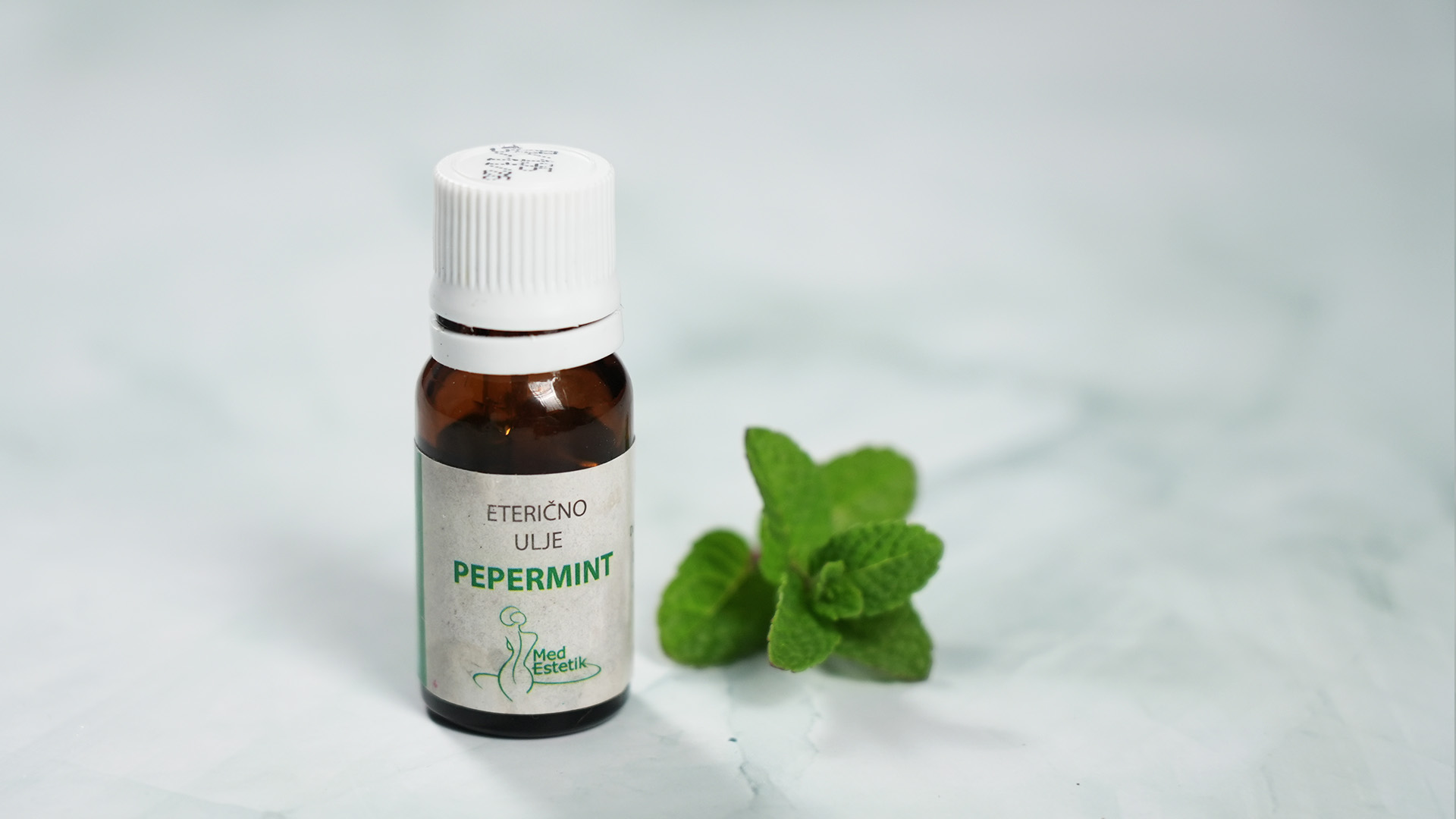
Citrus oils like lemon, grapefruit, lime, and sweet orange are popular for freshening spaces. Peppermint can make a room feel crisp, though it may be too intense for some people. Tea tree and eucalyptus have strong herbal aromas, but they should be used carefully, especially around pets, children, and people with breathing conditions.
Simple Room-Freshening Blend
Try this bright blend in a medium-size room:
- 2 drops lemon essential oil
- 2 drops sweet orange essential oil
- 1 drop peppermint essential oil
If peppermint feels too sharp, replace it with lavender or skip it altogether. A good diffuser blend should smell pleasant in the background, not barge into the room wearing tap shoes.
Where to Place the Diffuser
Place the diffuser on a stable table, counter, or shelf. Keep it at least a few feet away from walls, curtains, bedding, and papers. In bathrooms, keep it away from sinks and tubs to avoid water hazards. In kitchens, do not place it beside hot appliances or food prep areas.
For best results, run the diffuser after cleaning rather than during heavy cooking or while strong odors are still active. Diffusing lemon over burnt popcorn does not create “gourmet citrus smoke.” It creates regret with top notes.
3. Use an Oil Diffuser to Support Focus While Working or Studying
Another smart way to use an oil diffuser is during work, homework, studying, creative writing, or planning. Certain scents can help set the tone for concentration. The diffuser becomes a cue: when the fresh, clean aroma starts, it is time to focus.
This works especially well if you use a specific blend only during productive sessions. Your brain loves patterns. Give it a scent, a clean desk, a timer, and a simple goal, and suddenly it has fewer excuses to wander into the refrigerator for the third time.
Best Oils for a Focus-Friendly Space
Rosemary, peppermint, lemon, grapefruit, basil, and eucalyptus are often used in energizing diffuser blends. Rosemary has an herbal, clear scent. Lemon feels clean and bright. Peppermint is crisp and strong, so use it lightly. Too much peppermint can make a room feel like a toothpaste factory with ambition.
Simple Study or Work Blend
For a focused atmosphere, try:
- 2 drops rosemary essential oil
- 2 drops lemon essential oil
- 1 drop peppermint essential oil
Run the diffuser for 20 minutes at the start of a work session. Pair it with a timer, such as 25 minutes of focused work followed by a five-minute break. Turn the diffuser off during breaks if the scent becomes too strong.
Important Office Etiquette
If you share a room, classroom, dorm, or office, ask before using a diffuser. Scent is personal. One person’s “refreshing lemon grove” is another person’s “please remove this invisible fruit cloud from my face.” Some people get headaches, asthma symptoms, or allergic reactions from fragrance. Respect shared air.
For public or shared workspaces, a personal aroma stick may be a better choice than a room diffuser. It lets you enjoy a scent without making everyone else participate in your productivity ritual.
4. Use an Oil Diffuser to Set the Mood for Guests, Self-Care, or Seasonal Comfort
A diffuser can help create atmosphere. This is where it shines. Hosting friends? Add a warm citrus-spice blend. Taking a bath? Use a gentle lavender aroma outside the splash zone. Cleaning on Saturday morning? Try lemon and rosemary so the house smells like you have your life together, even if one closet is legally a mystery.
Seasonal diffuser blends are especially popular because scent changes how a space feels. In spring, people often like floral and citrus oils. In summer, minty and citrus blends feel bright. In fall, orange, cedarwood, cinnamon leaf, and clove create warmth, though spicy oils should be used sparingly because they can be irritating. In winter, fir, pine, frankincense, and sweet orange can make a home feel cozy.
Guest-Friendly Blend
For a welcoming scent before guests arrive, try:
- 3 drops sweet orange essential oil
- 1 drop lavender essential oil
- 1 drop frankincense essential oil
Run the diffuser for 20 minutes before guests arrive, then turn it off. The goal is a light scent, not a fragrance fog machine. Visitors should notice the room smells nice, not wonder whether they accidentally entered a boutique candle laboratory.
Seasonal Cozy Blend
For cooler months, try:
- 2 drops cedarwood essential oil
- 2 drops sweet orange essential oil
- 1 drop frankincense essential oil
Use caution with cinnamon, clove, oregano, thyme, and other strong oils. They can be irritating, especially when overused. If you love spicy scents, start with one drop only and keep sessions short.
How Many Drops of Essential Oil Should You Use?
Most ultrasonic diffusers work well with three to five drops of essential oil per water tank, but the right amount depends on tank size, room size, oil strength, and personal sensitivity. A small bedroom may need only one or two drops. A larger living room may handle four or five. Nebulizing diffusers often require even more caution because they disperse oils more directly and strongly.
When in doubt, start low. You can always add another drop next time. You cannot easily un-smell a room once peppermint has declared itself mayor.
How Long Should You Run an Oil Diffuser?
Short sessions are usually best. Many people diffuse for 15 to 30 minutes at a time. Some diffusers have intermittent settings, which cycle mist on and off. These settings can help reduce scent overload and make the water last longer.
Avoid running a diffuser constantly. Continuous diffusion can overwhelm the room, irritate sensitive people, and create unnecessary exposure to airborne fragrance compounds. Good aromatherapy should feel like a gentle background detail, not a roommate with no volume control.
How to Clean an Oil Diffuser
Cleaning your diffuser matters. Oil residue, old water, and mineral buildup can affect performance and create unpleasant smells. Always unplug the diffuser before cleaning. Empty leftover water after use. Wipe the tank with a soft cloth. For deeper cleaning, follow the manufacturer’s instructions. Many ultrasonic diffusers can be cleaned with water and a small amount of white vinegar, but check your manual first.
Clean your diffuser every few uses, or more often if you switch oils frequently. If the mist becomes weak, the scent smells strange, or the tank looks cloudy, it is cleaning time. Yes, your diffuser has chores too. Welcome to adulthood, tiny mist machine.
Common Mistakes to Avoid
Using Too Much Oil
More oil does not mean more benefits. It often means headaches, coughing, or a room that smells like it lost a bet. Start with fewer drops and adjust slowly.
Diffusing Around Pets Without Research
Some oils can be risky for animals. Always give pets a way to leave the room, keep oils out of reach, and ask a veterinarian for guidance.
Using Fragrance Oils Instead of Essential Oils
Fragrance oils and perfume oils are not the same as pure essential oils. Some are made with synthetic fragrance chemicals and are not intended for aromatherapy diffusers. Read labels carefully.
Ignoring Health Conditions
People with asthma, COPD, allergies, migraines, pregnancy-related scent sensitivity, or chronic health conditions should be cautious. When uncertain, ask a healthcare professional before regular diffuser use.
Forgetting Ventilation
A diffuser should not replace fresh air. Open windows when possible, use fans wisely, and avoid building up heavy fragrance in closed rooms.
Best Essential Oil Diffuser Tips for Beginners
Choose one or two oils at first instead of buying a giant set with names like “Moonlit Mountain Unicorn Breeze.” Lavender, lemon, sweet orange, cedarwood, and rosemary are good beginner-friendly options. Buy from brands that clearly list the botanical name, ingredient purity, country of origin when available, and safety cautions.
Use distilled or filtered water if your diffuser manual recommends it. Hard tap water can leave mineral deposits. Keep the diffuser away from curious hands, wagging tails, and unstable shelves. Label your blends if you mix oils often. And remember: your nose can become used to a scent quickly, so do not keep adding more drops just because you stop noticing it after 10 minutes.
Experience Notes: What Using an Oil Diffuser Is Really Like
Using an oil diffuser sounds simple, and technically it is. Add water, add drops, press button, enjoy mist. But real-life diffuser use has a personality. The first lesson many people learn is that essential oils are stronger than expected. Three drops of peppermint in a small bedroom can feel like sharing space with a very enthusiastic candy cane. One drop would have been plenty. Beginner noses often learn this the dramatic way.
The second lesson is that placement matters. A diffuser placed too close to your face can become annoying fast, especially while sleeping or working. A better spot is across the room on a stable table where the mist can disperse gently. In a bedroom, placing it across from the bed often works better than putting it on the nightstand. In a living room, a side table or shelf can spread the scent without making one couch cushion smell like a botanical crime scene.
The third experience is that different times of day need different scents. Lavender may feel lovely at night but too sleepy for a morning routine. Lemon can feel bright and clean in the afternoon but a bit too cheerful when you are trying to relax. Cedarwood can feel grounding in cold weather, while sweet orange can make almost any room feel friendlier. Over time, you start building scent habits the way people build playlists: one for focus, one for cleaning, one for winding down, and one for pretending guests are not arriving in 12 minutes.
Another practical discovery is that cleaning the diffuser changes everything. When old oil residue sits in the tank, new blends can smell muddy or strange. Lavender plus yesterday’s peppermint plus last week’s eucalyptus is not a signature scent; it is confusion with a power cord. A quick wipe after use and regular deeper cleaning help keep each blend smelling clear.
Many people also realize that subtle diffusion is better than strong diffusion. A room should smell lightly refreshed, not perfumed into submission. The best compliment is usually, “It smells nice in here,” not “What is happening to the air?” Short sessions before guests arrive, before study time, or before bed are often more effective than running the diffuser for hours.
Finally, using an oil diffuser teaches you to pay attention to the people and animals around you. A scent you love may bother someone else. Pets may avoid a room when the diffuser is on. A family member may get headaches from strong fragrances. Good diffuser use is considerate diffuser use. The goal is comfort, not domination by lavender.
In the end, an oil diffuser works best as a small ritual. It will not fix every mood, clean your house, finish your homework, or fold laundryrude, but true. What it can do is help shape the atmosphere of a space. With the right oil, the right number of drops, and the right timing, it can make a room feel calmer, fresher, brighter, or cozier. That is a pretty good job for a little machine that mostly sits there making scented clouds.
Conclusion
Learning how to use an oil diffuser well is less about fancy blends and more about balance. Use it for relaxation, room freshness, focus, or atmosphere. Start with a few drops, run it for short sessions, clean it regularly, and respect safety guidelines. Essential oils can be pleasant and useful, but they should be handled thoughtfully.
The best diffuser experience is gentle, clean, and intentional. When your space smells good without overwhelming anyone, you have done it right. Congratulations: your room now has vibes, and thankfully, they are well-ventilated.