Some medical terms sound like they belong in a courtroom drama rather than a doctor’s office, and hematoma and hemorrhage are definitely on that list. They look similar, they both involve bleeding, and they are often used in the same conversations after an injury, surgery, or medical emergency. But they do not mean the same thing.
Here is the simplest way to remember it: a hemorrhage is the bleeding itself, while a hematoma is a localized collection of blood that forms when blood leaks out of a vessel and gathers in tissue or a body space. In other words, a hemorrhage is the event; a hematoma is often the result.
That difference matters. It affects how symptoms are described, how doctors talk about imaging results, and how urgently treatment may be needed. A small bruise-like hematoma in the leg is very different from a brain hemorrhage after a ruptured aneurysm. At the same time, the two conditions can overlap. A hemorrhage inside the skull can create a hematoma that puts pressure on the brain. That is why these terms are related but not interchangeable.
This guide breaks down hematoma vs. hemorrhage in plain English, includes a comparison chart, explains the similarities and differences, and walks through examples, diagnosis, treatment, and real-world patient experiences. Think of it as the “medical vocabulary translator” your search bar was hoping for.
Hematoma vs. Hemorrhage Chart
| Feature | Hematoma | Hemorrhage |
|---|---|---|
| Basic definition | A localized collection or pooling of blood outside blood vessels | Active bleeding or loss of blood from a damaged blood vessel |
| What it represents | Usually a result of bleeding that has collected in one place | The bleeding process itself |
| Can it be seen? | Sometimes, such as a raised bruise or swelling under the skin | Sometimes, if external; often hidden if internal |
| Common causes | Trauma, surgery, blood thinners, falls, muscle injury, head injury | Trauma, ruptured blood vessels, aneurysm, ulcers, childbirth complications, surgery, clotting disorders |
| Typical symptoms | Swelling, pain, tenderness, discoloration, pressure symptoms depending on location | Visible bleeding, sudden headache, weakness, dizziness, vomiting, low blood pressure, shock, or neurologic symptoms |
| How it behaves | May stay stable, slowly resolve, or enlarge if bleeding continues | May be mild, severe, sudden, ongoing, external, or internal |
| Examples | Subdural hematoma, epidural hematoma, muscle hematoma, subchorionic hematoma | Intracranial hemorrhage, gastrointestinal hemorrhage, postpartum hemorrhage, subarachnoid hemorrhage |
| Diagnosis | Physical exam, ultrasound, CT, MRI | Physical exam, imaging, endoscopy in some cases, blood tests, monitoring of vital signs |
| Treatment | Observation, ice, rest, compression, drainage, surgery if large or dangerous | Stop the bleeding, stabilize the patient, replace blood if needed, reverse anticoagulation, surgery or procedures depending on cause |
| Urgency | Ranges from minor to life-threatening depending on size and location | Ranges from minor to life-threatening depending on volume, speed, and location |
What Is a Hemorrhage?
A hemorrhage is bleeding caused by a damaged or ruptured blood vessel. The blood may leave the body, as with a deep cut, or stay inside the body, as with internal bleeding after trauma or stroke. The word is broad. It does not tell you exactly where the bleeding is or whether it has pooled into a discrete mass. It simply tells you that blood is escaping where it should not be.
Hemorrhages can be external or internal. External hemorrhage is easier to spot because, well, blood tends to make a dramatic entrance. Internal hemorrhage is trickier. It may cause pain, swelling, weakness, dizziness, confusion, fainting, or symptoms tied to the affected organ. A brain hemorrhage, for example, can cause a sudden severe headache, vomiting, weakness, speech trouble, or loss of consciousness.
Doctors often classify hemorrhage by location and cause. Examples include:
- Intracerebral hemorrhage: bleeding into brain tissue
- Subarachnoid hemorrhage: bleeding into the space around the brain
- Gastrointestinal hemorrhage: bleeding somewhere in the digestive tract
- Postpartum hemorrhage: heavy bleeding after childbirth
- Traumatic hemorrhage: bleeding caused by injury
So when you hear “hemorrhage,” think bleeding event. It is the action word of the pair.
What Is a Hematoma?
A hematoma is a collection of blood outside a blood vessel that gathers in tissue, an organ, or a body space. It usually happens after a blood vessel leaks or breaks and the blood has nowhere useful to go. Instead of staying in circulation, it pools.
Some hematomas are minor and look like firm bruises under the skin. Others are far more serious. A hematoma inside the skull can compress the brain. A large muscle hematoma can become extremely painful and limit movement. A post-surgical hematoma can put pressure on nearby tissues and slow healing.
Common types of hematoma include:
- Subdural hematoma: blood collects beneath the dura around the brain
- Epidural hematoma: blood collects between the skull and dura
- Intramuscular hematoma: blood collects inside a muscle after injury
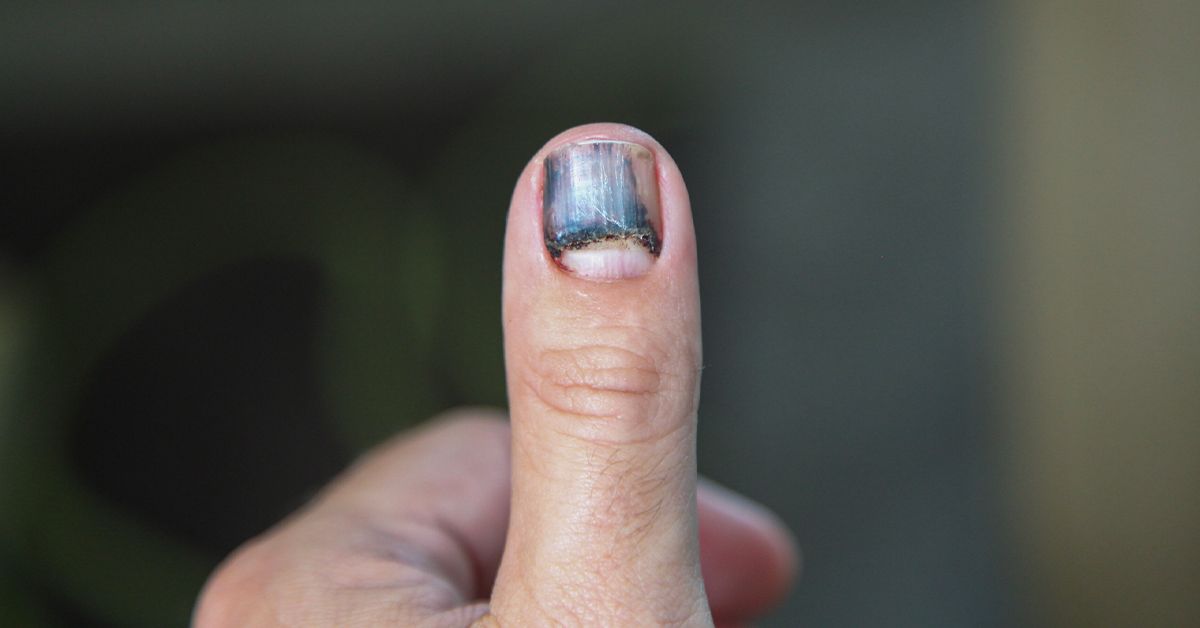
- Subungual hematoma: blood trapped under a fingernail or toenail
- Subchorionic hematoma: a blood collection between the uterine wall and chorionic membrane during pregnancy
In casual conversation, people often use “bruise” and “hematoma” like cousins at the same family reunion. That is not totally wrong, but a hematoma is usually a more defined collection of blood and may cause a lump, pressure, or deeper tissue effects that go beyond a simple skin discoloration.
Similarities Between Hematoma and Hemorrhage
The reason people mix these terms up is obvious: they are related. Closely related. “Share a group chat” related.
Both involve bleeding
Neither condition happens without blood leaving a vessel. Trauma, surgery, ruptured arteries, fragile veins, clotting disorders, or blood-thinning medications can all play a role.
Both can be minor or life-threatening
A small superficial hematoma may need little more than time and tenderness. A large internal hemorrhage can become an emergency in minutes. But the reverse is also true: some hematomas, especially in the head, spine, abdomen, or pelvis, can be extremely dangerous.
Both may cause swelling and pressure
Bleeding takes up space. In places with room to spare, that may mean pain and swelling. In places with very little room, like the skull, it can create dangerous pressure on vital structures.
Both may require imaging
CT scans, MRIs, and ultrasounds are commonly used to find hidden bleeding, measure the size of a hematoma, or track whether bleeding is still active.
Both can occur after trauma or spontaneously
Falls, sports injuries, car crashes, and surgery are classic triggers. But spontaneous bleeding can also happen, especially in people with uncontrolled high blood pressure, aneurysms, liver disease, clotting problems, or anticoagulant use.
Key Differences Between Hematoma and Hemorrhage
1. A hemorrhage is the process; a hematoma is the pooled result
This is the biggest difference. A hemorrhage means blood is leaking. A hematoma means leaked blood has collected in one area. Not every hemorrhage forms a large, defined hematoma, and not every hematoma means active bleeding is still happening when it is discovered.
2. Hemorrhage is the broader term
Hemorrhage includes a wide range of bleeding situations, from nosebleeds to major internal bleeding. Hematoma is more specific because it describes a localized pocket or mass of blood.
3. Symptoms can look different
Hemorrhage often causes symptoms tied to blood loss or the site of active bleeding, such as weakness, fainting, vomiting blood, sudden neurologic deficits, or shock. Hematomas more often cause localized swelling, a lump, tenderness, bruising, or compression symptoms. Of course, in the brain, all bets are off; both can be severe, and symptoms may overlap dramatically.
4. Treatment goals are not identical
With hemorrhage, the first goal is usually to stop the bleeding and stabilize the patient. With hematoma, treatment may focus on monitoring, reducing pressure, or draining the collection if it is large, painful, infected, or pressing on important structures.
5. Time course may differ
Hemorrhage can be sudden and explosive or slow and sneaky. Hematomas may appear quickly, but some also evolve over hours or days. Chronic subdural hematomas, for example, can cause symptoms weeks after what seemed like a minor head bump.
Specific Examples That Make the Difference Clear
Example 1: A sports injury to the thigh
A soccer player takes a hard hit to the thigh. Small blood vessels break, blood leaks into the muscle, and a painful swollen lump forms. That lump is a muscle hematoma. The initial vessel damage involved bleeding, but what clinicians often focus on afterward is the collected blood.
Example 2: A ruptured brain aneurysm
A person develops the “worst headache of my life,” then vomiting and neck stiffness. Doctors find bleeding in the space around the brain. That is a subarachnoid hemorrhage. It may lead to clotting or pooled blood, but the main event is the sudden internal bleeding.
Example 3: A fall in an older adult
An older adult on blood thinners bumps their head, feels okay, then becomes confused two days later. Imaging shows a subdural hematoma. The original bleeding may have started at the time of injury, but the dangerous issue now is the blood collected under the dura and pressing on the brain.
When Is It an Emergency?
This is the part where medical terminology stops being academic and starts mattering a lot.
Seek emergency care right away for signs that could suggest serious internal hemorrhage or a dangerous hematoma, especially after a head injury. Red-flag symptoms include:
- Sudden severe headache
- Loss of consciousness or increasing drowsiness
- Confusion, memory changes, or unusual behavior
- Seizures
- Vomiting after head injury
- Weakness, numbness, facial droop, or trouble speaking
- Unequal pupils or vision changes
- Severe swelling, intense pain, or rapid enlargement of a lump
- Signs of shock, such as pale skin, fast heartbeat, lightheadedness, or fainting
A small bruise is usually not an emergency. A rapidly expanding abdominal bleed, a postpartum hemorrhage, or an intracranial hematoma absolutely can be. Location changes everything.
How Doctors Diagnose Hematoma vs. Hemorrhage
Diagnosis starts with the story. Was there trauma? Surgery? A fall? Blood thinner use? Sudden neurologic symptoms? Heavy bleeding? That history helps guide the next steps.
Physical exam
Doctors look for swelling, bruising, tenderness, changes in blood pressure, signs of shock, and neurologic deficits.
Imaging tests
Imaging often settles the debate quickly:
- CT scan: especially useful in head injuries and suspected brain bleeding
- MRI: can provide more detail in some soft tissue or neurologic cases
- Ultrasound: helpful for some soft tissue, abdominal, or pregnancy-related blood collections
Blood tests
Doctors may check hemoglobin, platelet count, and clotting measures to see whether the body is losing blood, struggling to clot, or both.
Treatment: What Happens Next?
Treatment depends on location, severity, symptoms, and whether bleeding is ongoing.
For smaller hematomas
Minor soft tissue hematomas may improve with rest, ice, compression, elevation, pain control, and observation. The body often reabsorbs the blood over time, although it can take days to weeks.
For active hemorrhage
Doctors may give IV fluids, blood products, medications to reverse blood thinners, blood pressure control, or procedures to stop bleeding. In some cases, endoscopy, embolization, or surgery is needed.
For dangerous hematomas
If a hematoma is large or compressing vital structures, it may need drainage or surgical removal. This is especially true for some epidural or subdural hematomas, expanding postoperative collections, or large deep hematomas causing pressure symptoms.
The big takeaway is that treatment is not based on the vocabulary word alone. It is based on where the blood is, how much there is, whether it is still leaking, and what damage it is causing.
Bottom Line
In the debate of hematoma vs. hemorrhage, the winner is clarity. A hemorrhage is the bleeding event. A hematoma is the localized pool of blood that may form after that bleeding. They overlap, they can occur together, and they range from mildly annoying to immediately life-threatening.
If symptoms are sudden, severe, or involve the head, brain, chest, abdomen, or major blood loss, do not wait it out and hope for a dramatic plot twist in your favor. Get urgent medical evaluation. When blood is collecting where it should not be, the body is sending a message, and it is rarely subtle for long.
Experiences Related to Hematoma vs. Hemorrhage: What People Often Notice in Real Life
One of the most confusing parts for patients and families is that the words doctors use do not always match what people feel. Someone might say, “I just have a bruise,” and later learn it is a sizable hematoma. Another person may hear “hemorrhage” and assume there must be dramatic external bleeding, when in reality the blood loss is entirely internal. These experiences are often emotionally charged because the symptoms can start small and become serious quickly.
A common experience with a soft tissue hematoma begins after a fall, sports collision, or car accident. At first there is soreness and swelling. Over the next several hours, the area becomes more tender, firm, and discolored. Some people describe a feeling of pressure or tightness rather than sharp pain. Walking may feel strange, bending the joint may hurt, and the swelling can look worse the next day. That delayed worsening makes people nervous, but it also reflects how pooled blood and inflammation can evolve over time.
Head injuries often create a very different experience. A person may hit their head, feel embarrassed more than alarmed, and even insist they are fine. Then come the subtle changes: a headache that keeps building, unusual sleepiness, nausea, confusion, trouble finding words, or the sense that something just is not right. Family members are often the first to notice. In real life, this is one reason intracranial hematomas are so dangerous. The problem is not only the initial bleeding, but also the pressure that builds as blood collects in a space with very little room to spare.
People who experience internal hemorrhage often describe a more systemic feeling. Instead of noticing one lump or swollen area, they may feel weak, dizzy, shaky, faint, clammy, or short of breath. Some say they feel “off” in a way they cannot explain. Others suddenly develop severe abdominal pain, black stools, vomiting blood, or a thunderclap headache. In these cases, the body is reacting not just to local tissue irritation but to blood loss, organ involvement, or rapidly rising pressure in a critical space.
Another real-world layer is medication use. People on anticoagulants often report extra anxiety after seemingly minor injuries because they know a small hit can become a bigger issue. An older adult may barely remember bumping their head on a cabinet door, then days later develop confusion or imbalance from a chronic subdural hematoma. This delayed pattern can be frightening because the cause and effect do not always feel connected.
Recovery experiences vary just as widely. A small hematoma may gradually shrink, change colors, and fade away with conservative care. A larger one may remain tender for weeks and leave behind firmness as the body slowly breaks down the trapped blood. After a serious hemorrhage, recovery may involve hospitalization, imaging, rehabilitation, and emotional adjustment. Patients frequently say the most difficult part is uncertainty: wondering whether symptoms will worsen, whether the bleeding has truly stopped, and when normal life will feel normal again.
Families also have their own experience of the terminology. They often hear both words during the same hospitalization and assume the medical team is contradicting itself. In reality, clinicians may be describing two parts of the same event: a hemorrhage caused bleeding, and that bleeding formed a hematoma. Once patients understand that distinction, conversations with doctors become much less confusing and a lot less intimidating.