Grooming a Yorkshire Terrier is a little like maintaining a silk scarf with four paws, a button nose, and very strong opinions. Yorkies are tiny, elegant, and famously fabulous, but their beautiful coat does not stay camera-ready by magic. Whether your pup wears a long, flowing show coat or a practical puppy cut, regular grooming keeps your Yorkshire Terrier comfortable, healthy, clean, and far less likely to look like it wrestled a tumbleweed under the couch.
The good news? You do not need to become a professional groomer overnight. With the right tools, a calm routine, and a few smart habits, you can handle much of your Yorkie’s grooming at home. The key is consistency. A Yorkshire Terrier’s fine, silky hair can tangle quickly, especially around the ears, legs, belly, armpits, and rear end. Skip grooming for too long, and those cute little knots can turn into mats that pull on the skin and make your dog uncomfortable.
This guide explains how to groom a Yorkshire Terrier step by step, including brushing, bathing, drying, trimming, nail care, ear cleaning, dental hygiene, and practical real-life tips. Think of it as your Yorkie spa manual, minus the cucumber water and dramatic robe.
Why Yorkshire Terrier Grooming Matters
Yorkshire Terriers have a unique coat that is often compared to human hair. Unlike many breeds with thick double coats, Yorkies usually have fine, straight, silky hair that keeps growing and needs regular care. That glamorous coat can be one of the breed’s biggest charms, but it also means grooming is not optional. It is part of responsible Yorkie care.
Regular grooming helps prevent tangles, mats, dirt buildup, skin irritation, bad odors, overgrown nails, ear problems, and dental issues. It also gives you a chance to check your dog’s body for anything unusual, such as lumps, redness, flaky skin, fleas, ticks, sore paws, or irritated eyes. For a small dog, a minor grooming issue can become uncomfortable quickly, so catching problems early is a major win.
Grooming also builds trust. When your Yorkie learns that brushing, bathing, and nail trims are normal parts of life, those sessions become easier. Maybe not “spa-day-with-jazz-music” easy, but definitely better than chasing a wet seven-pound dog around the bathroom while questioning your life choices.
Yorkie Grooming Supplies You Should Have
Before you begin, gather your tools. Having everything ready keeps the process smooth and prevents the classic mistake of realizing the towel is in another room while your damp Yorkie is plotting escape.
Basic grooming tools
- Pin brush or soft slicker brush for the coat
- Stainless steel comb for checking tangles
- Dog-safe detangling spray or conditioning mist
- Dog shampoo made for sensitive skin or silky coats
- Dog conditioner to help reduce tangles
- Absorbent towels
- Low-heat pet dryer or blow dryer with a cool setting
- Small grooming scissors with rounded tips
- Dog nail clippers or a quiet nail grinder
- Dog ear-cleaning solution
- Cotton pads or gauze
- Dog toothbrush and dog toothpaste
- Treats for bribery, also known as positive reinforcement
Never use human shampoo on your Yorkshire Terrier. Dog skin has different needs, and human products can dry or irritate it. Also avoid heavy, greasy products that weigh down the coat. Yorkie hair should feel clean, soft, and lightnot like it lost a fight with a jar of hair gel.
How Often Should You Groom a Yorkshire Terrier?
How often you groom a Yorkie depends on the haircut, coat length, lifestyle, and your dog’s tolerance for being pampered. A long coat needs more frequent care than a short puppy cut. A Yorkie that explores the yard, rolls in mystery smells, or treats puddles like luxury baths will also need extra attention.
Recommended Yorkie grooming schedule
- Brushing: Daily for long coats; two to three times weekly for short puppy cuts
- Bathing: About every one to two weeks for many Yorkies, depending on coat and skin needs
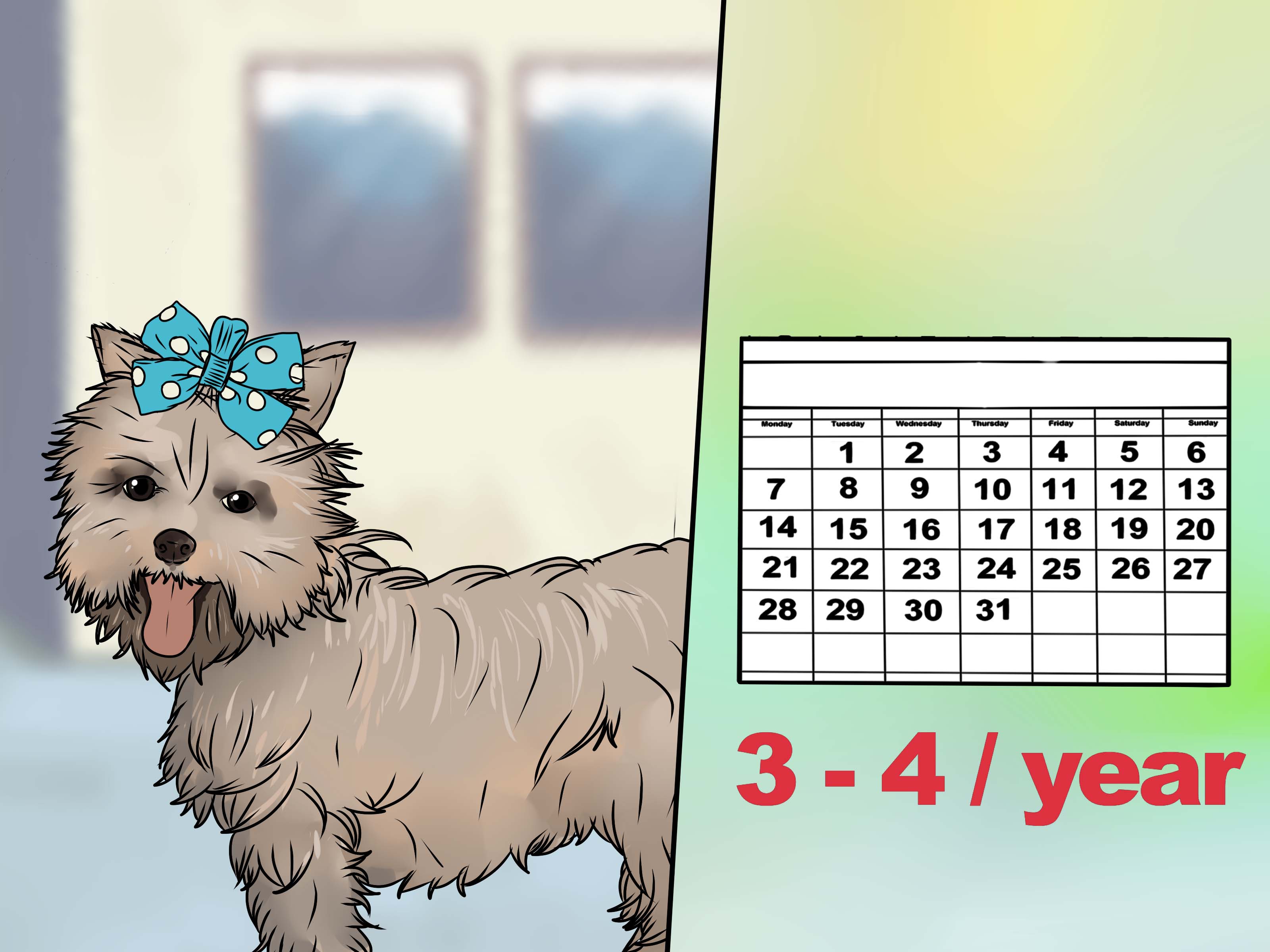
- Haircut or trim: Every four to eight weeks, depending on style
- Nails: Every two to four weeks, or whenever nails click on the floor
- Ears: Check weekly; clean only when needed
- Teeth: Ideally daily, or at least several times per week
- Eyes and face: Wipe as needed, often daily for tear staining
Some Yorkies do best with professional grooming every six to eight weeks, especially if they wear a styled cut. Home grooming between appointments keeps the coat manageable and helps the groomer avoid having to shave out mats.
Step 1: Brush Your Yorkshire Terrier Before Bathing
Always brush your Yorkie before a bath. Water tightens tangles, and shampoo can turn a small knot into a stubborn mat. Start by spraying the coat lightly with a dog-safe detangling mist. Brushing dry hair too aggressively can cause breakage, especially with a silky Yorkie coat.
Use a pin brush or soft slicker brush and work in small sections. Begin at the ends of the hair and move gradually toward the skin. Do not yank through knots. If you hit a tangle, hold the hair close to the skin with one hand and gently work it apart with your fingers or comb. Your Yorkie may be small, but it will absolutely remember betrayal.
Areas that tangle easily
- Behind the ears
- Under the front legs
- Inside the back legs
- Around the collar area
- Chest and belly
- Tail and rear end
- Feet and toes
After brushing, run a stainless steel comb through the coat. If the comb glides through smoothly, you are ready for the bath. If it catches, keep working gently. The comb is the truth-teller of grooming. The brush may say, “Looks fine!” The comb says, “Let’s not lie to ourselves.”
Step 2: Bathe Your Yorkie the Right Way
Bath time should be calm, warm, and organized. Use lukewarm water, not hot water. Place a non-slip mat in the sink or tub so your Yorkie feels secure. A slippery surface can make dogs nervous and turn grooming into a dramatic soap opera.
Wet the coat thoroughly, avoiding the eyes and ears. Apply dog shampoo and massage gently from the neck down. Do not scrub in circles because that can create tangles. Instead, work in the direction of hair growth. Pay attention to the paws, belly, and rear area, where dirt tends to collect.
Rinse very well. Leftover shampoo can cause itching and dull the coat. After rinsing, apply a dog conditioner if your Yorkie’s coat is long, dry, or tangle-prone. Let it sit briefly, then rinse again until the coat feels clean and light.
Bathing mistakes to avoid
- Using human shampoo
- Getting water or shampoo inside the ears
- Bathing too often without a reason
- Leaving conditioner or shampoo residue in the coat
- Letting the dog air-dry completely without brushing
If your Yorkie has allergies, flaky skin, a strong odor, or frequent itching, ask your veterinarian what bathing schedule and shampoo type are best. Sometimes grooming problems are actually skin-health problems wearing a tiny disguise.
Step 3: Dry and Comb the Coat Carefully
After the bath, gently squeeze water from the coat with a towel. Do not rub wildly, unless your goal is to create a single dog-shaped knot. Blot and press instead. Once your Yorkie is towel-dried, use a low-heat dryer or cool setting while brushing the hair in the direction you want it to fall.
Keep the dryer moving and never hold heat in one spot. Yorkies are small, and their skin can be sensitive. If the dryer feels too hot on your wrist, it is too hot for your dog. Brush as you dry to keep the coat smooth and prevent waves, tangles, and damp spots.
For long coats, part the hair down the center of the back with a comb. For puppy cuts, fluff and comb the coat evenly. Make sure the belly, chest, ears, and paws are fully dry because trapped moisture can irritate the skin.
Step 4: Trim the Face, Feet, and Sanitary Areas
Many owners leave full haircuts to a professional groomer, and that is perfectly smart. However, small maintenance trims at home can help your Yorkie stay neat between appointments. Use rounded-tip grooming scissors and move slowly. If your dog wiggles, stop and reset. A moving Yorkie plus scissors is not a combination anyone needs.
Face trimming
Trim hair that blocks your Yorkie’s eyes. Some owners use a topknot to keep long facial hair out of the face. If you use bands or bows, make sure they are not too tight and remove them regularly to avoid breakage or skin irritation.
Feet trimming
Trim hair around the paw pads so your dog can walk without slipping. Long hair between the pads can trap dirt and make smooth floors feel like an ice rink. Keep the feet rounded and tidy, but do not cut too close to the skin.
Sanitary trim
A sanitary trim keeps the area around the rear and belly clean. This is especially helpful for long-coated Yorkies. If you are nervous about trimming sensitive areas, ask a professional groomer to handle it. There is no shame in outsourcing the risky bits.
Step 5: Clean the Ears Safely
Check your Yorkshire Terrier’s ears weekly. Healthy ears should not smell bad, look very red, or contain heavy discharge. Use a dog ear-cleaning solution and a cotton pad to wipe the visible part of the ear. Never push cotton swabs deep into the ear canal because that can cause injury.
Yorkies can grow hair around and sometimes inside the ears. Some groomers trim or manage this hair to improve airflow, but ear hair removal should be done carefully. If your dog has redness, swelling, head shaking, odor, pain, or repeated ear infections, talk to your veterinarian before cleaning aggressively. Over-cleaning can irritate ears, and infected ears need medical care, not a home spa experiment.
Step 6: Trim Your Yorkie’s Nails
Yorkshire Terriers are tiny, but their nails can become surprisingly sharp. Overgrown nails can affect posture, comfort, and movement. If you hear clicking on hard floors, it is probably time for a trim.
Use small dog nail clippers or a quiet grinder. Hold the paw gently, press the toe slightly to extend the nail, and trim only the tip. Avoid the quick, which is the sensitive blood supply inside the nail. On light nails, it may look pink. On dark nails, trim very small amounts at a time.
If you accidentally cut the quick, stay calm. Apply styptic powder if available and give your dog a break. Also give yourself a break. Many careful owners have done it once. The important thing is to go slower next time and avoid turning nail trims into a wrestling tournament.
Step 7: Brush Your Yorkie’s Teeth
Dental care is especially important for small breeds like Yorkshire Terriers. Tiny mouths can crowd teeth, and plaque buildup can lead to bad breath, gum disease, pain, and tooth loss. Use dog toothpaste only. Human toothpaste is not safe for dogs.
Start slowly. Let your Yorkie taste the toothpaste, then touch the lips, then gently lift the lip and brush a few teeth. Focus on the gumline. Even short sessions help build the habit. Daily brushing is ideal, but several times a week is much better than never.
Dental chews and vet-approved oral care products can help, but they should not fully replace brushing. If your Yorkie has terrible breath, bleeding gums, loose teeth, or trouble eating, schedule a veterinary dental check. “Dog breath” should not smell like a haunted garbage can.
Yorkie Haircuts: Puppy Cut vs. Long Coat
One of the biggest grooming decisions is whether to keep your Yorkie in a long coat or a shorter pet trim. Both can be adorable. The best choice depends on your lifestyle, your dog’s comfort, and how much daily grooming you can realistically maintain.
The puppy cut
A puppy cut keeps the hair shorter all over the body, making brushing easier and reducing tangles. It is popular for family pets because it is cute, practical, and less demanding. If you want your Yorkie to look charming without needing a daily red-carpet preparation team, the puppy cut is a great choice.
The long coat
A long coat is elegant and traditional, but it requires daily brushing, regular bathing, careful drying, and frequent maintenance. It can be beautiful when properly cared for, but it is not low-effort. If you love the look and enjoy grooming, go for it. If not, your Yorkie will not judge you for choosing comfort and convenience. Well, maybe a little. Yorkies have opinions.
Common Yorkshire Terrier Grooming Mistakes
Even loving owners can make grooming mistakes. Most are easy to fix once you know what to watch for.
- Waiting too long between brushing sessions: Small tangles become mats quickly.
- Brushing only the top layer: Always comb down to the skin gently.
- Bathing before detangling: Water makes knots tighter.
- Using harsh products: Choose dog-safe shampoo and conditioner.
- Skipping dental care: Teeth are part of grooming, not a bonus chore.
- Ignoring nails: Long nails can affect comfort and movement.
- Cleaning ears too deeply: Wipe only what you can see unless your vet instructs otherwise.
- Trying to cut out mats close to the skin: Leave serious mats to a professional groomer.
How to Make Grooming Less Stressful
Yorkies are smart, sensitive, and sometimes a tiny bit dramatic. The goal is to make grooming feel predictable and rewarding. Keep sessions short at first. Brush for a few minutes, offer praise, give a treat, and stop before your dog gets overwhelmed.
Use a stable surface, speak calmly, and avoid rushing. Handle your dog’s paws, ears, and face gently even when you are not grooming, so those touches become normal. Puppies should be introduced to grooming early, but adult Yorkies can learn too. Patience works better than force.
If your dog panics, bites, screams, or becomes extremely stressed, work with a professional groomer or veterinarian. Some dogs need gradual desensitization. Grooming should not feel like a battle between a human with a brush and a tiny royal creature defending its kingdom.
When to Call a Professional Groomer
Professional groomers are worth their weight in tiny bows. They can handle full haircuts, sanitary trims, nail grinding, coat shaping, mat removal, and style maintenance. A groomer can also recommend a realistic haircut based on your Yorkie’s coat texture and your schedule.
Call a professional if your Yorkie has heavy mats, needs a full haircut, becomes unsafe during trimming, or has a coat style you are not comfortable maintaining. You should also involve your veterinarian if you notice skin sores, parasites, ear odor, severe itching, hair loss, or painful paws.
Extra Experience: What Grooming a Yorkshire Terrier Really Feels Like
Here is the honest, lived-in truth about grooming a Yorkshire Terrier: the first few sessions may not look like the polished videos online. Your Yorkie may sit beautifully for thirty seconds, then suddenly remember an urgent appointment under the coffee table. That is normal. Grooming is a relationship, not a single perfect performance.
One of the best habits is creating a mini routine instead of waiting for one giant grooming day. For example, brush the coat for five minutes after breakfast, wipe the eyes after the morning potty break, check the paws in the evening, and brush teeth before bedtime. Small steps feel less overwhelming for both of you. A Yorkie with a short attention span can often handle several tiny grooming moments better than one long session.
Another helpful experience-based tip is to keep a “grooming station” ready. Put the brush, comb, detangling spray, wipes, toothbrush, nail file, and treats in one small basket. When everything is nearby, you are more likely to stay consistent. If the comb is always missing, grooming becomes a treasure hunt, and nobody asked for that side quest.
For brushing, do not wait until your Yorkie looks messy. Brush when the coat still looks good. This prevents tangles instead of forcing you to remove them later. Pay special attention to the areas where harnesses and collars rub. Many Yorkies develop sneaky little mats under the chest or behind the ears because those spots are easy to miss. Run your fingers through those areas daily, even if you do not do a full brushing session.
Bath time also gets easier when you prepare like a professional. Open the shampoo bottle before your dog is wet. Put towels within reach. Place treats nearby. Use a calm voice. A Yorkie can sense when you are nervous, and if you act like bath time is a dangerous mission, your dog may believe you. Confidence matters. Move slowly, smile, and pretend you have hosted tiny dog spa day for years.
Drying is where many owners accidentally create tangles. Instead of rubbing the coat with a towel, press and blot. Then comb gently while drying on a low or cool setting. If your Yorkie dislikes the dryer, introduce it gradually. Turn it on across the room, reward your dog, then slowly bring it closer over multiple sessions. The sound and airflow can be strange at first, especially for puppies.
Nail care is often the biggest challenge. A useful trick is to trim just one or two nails at a time. You do not have to finish all four paws in one heroic event. Clip one nail, celebrate, and stop. Later, do another. This builds trust and lowers stress. For very nervous dogs, a nail grinder may feel safer because it removes tiny amounts at a time, but introduce the vibration slowly.
Finally, remember that your Yorkie does not need to look perfect every day. Clean, comfortable, and mat-free is the real goal. A slightly crooked face trim grows out. A missed topknot can be fixed. What matters most is that grooming becomes a gentle routine that protects your dog’s health and strengthens your bond. And yes, your Yorkie may still act like royalty afterward. That is not a grooming problem. That is simply the Yorkshire Terrier operating system.
Conclusion
Learning how to groom a Yorkshire Terrier is one of the best things you can do for your dog’s comfort, health, and confidence. Yorkies may be small, but their grooming needs are mighty. Regular brushing prevents tangles, proper bathing keeps the coat fresh, careful trimming maintains hygiene, and routine nail, ear, eye, and dental care support overall wellness.
The secret is not perfection. It is consistency. A few minutes of grooming each day can save you from major mats, stressful appointments, and a Yorkie who looks like it has joined a tiny rock band. Choose a manageable haircut, use gentle tools, reward cooperation, and ask professionals for help when needed. With patience and practice, grooming your Yorkshire Terrier can become less of a chore and more of a bonding ritualwith bonus fluff.