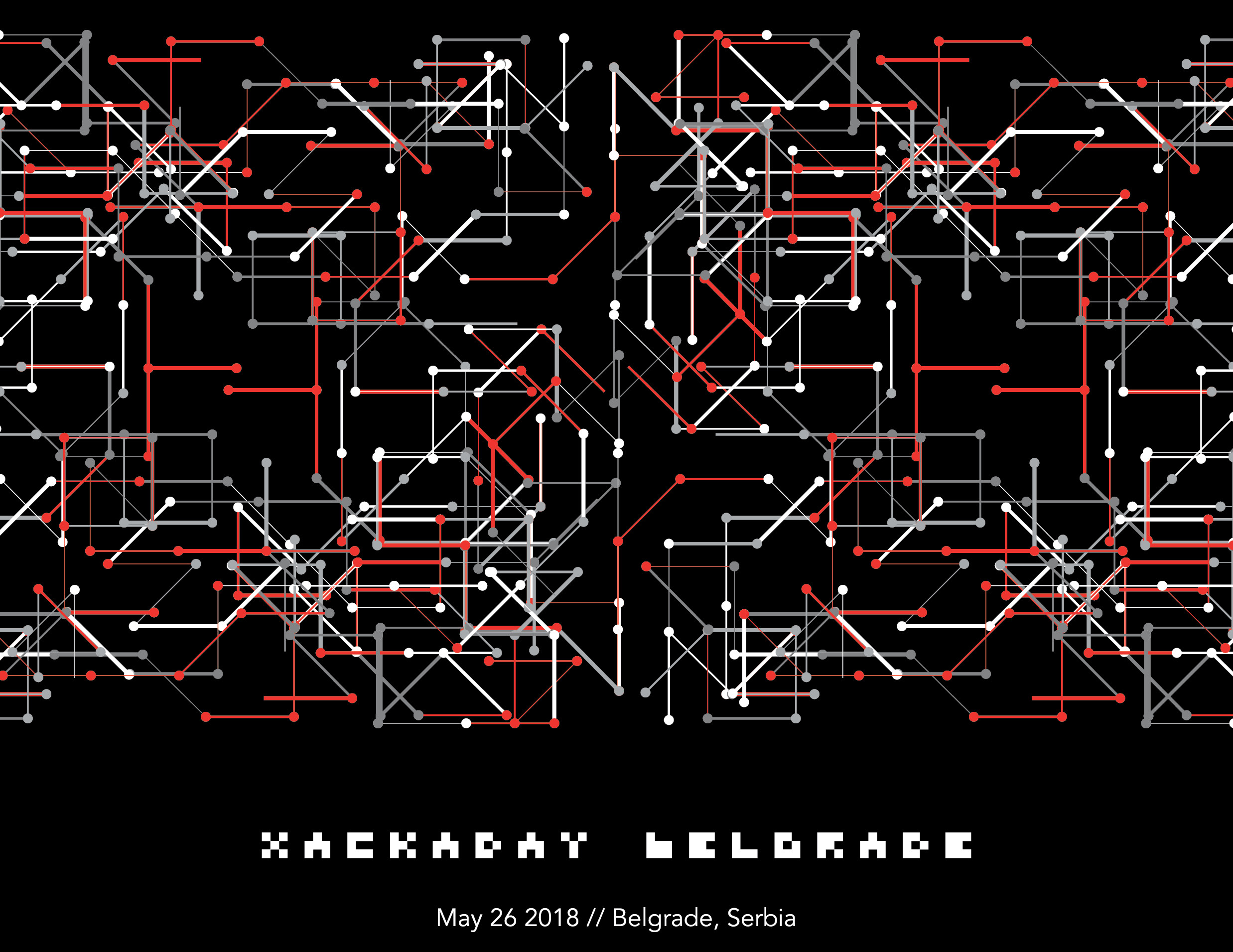
Some headlines announce a conference. This one practically tosses a soldering iron into your lap and says, “Well? Show us what you’ve built.” That is the charm of Hackaday Belgrade. The phrase “Hackaday Belgrade Call For Proposals Now Open!” was more than a routine event update. It was a signal flare for the global hardware community: makers, engineers, artists, firmware tinkerers, PCB obsessives, and wonderfully stubborn people with projects that should not work but somehow do.
Originally tied to Hackaday’s Belgrade event cycle, the announcement captured everything that makes a hardware conference feel alive. It promised talks, workshops, prototypes, research, manufacturing stories, and the kind of community energy that turns an ordinary schedule into a small festival of cleverness. In other words, this was not a conference for polished corporate theater. This was a conference for people who know that the shortest distance between a wild idea and a blinking prototype is usually a table full of jumper wires, mild panic, and coffee that should probably be classified as industrial solvent.
What made the Belgrade call especially compelling was its focus. Hackaday was not simply asking for “tech talks.” It was inviting proposals rooted in real hardware creation: design, prototyping, research, manufacturing, and the human stories that push open technology forward. That range matters. A great maker event is not just about what got built. It is also about how it got built, what failed along the way, what was learned, and why other builders should care.
Seen in context, the Belgrade call helped define a broader identity for Hackaday Europe. The format blended serious engineering with hands-on experimentation. It leaned into single-track talks, workshops, live demos, badge hacking, community hangouts, and the kind of late-night chaos that is oddly productive. Years later, even as Hackaday’s European events continued in places like Berlin and later Italy, the Belgrade spirit still reads like the blueprint: practical, open, playful, and gloriously obsessed with making things real.
Why This Call for Proposals Mattered
Every conference says it wants “innovative voices.” That phrase is so overused it should probably come with a recycling symbol. Hackaday’s Belgrade call felt different because it was specific about the kind of innovation it valued. It wanted submissions that explored the most interesting uses of technology and the culture around it. That wording opened the door to more than product demos. It welcomed design philosophy, engineering process, open-source workflows, manufacturing lessons, experimental tools, repair culture, and the messy, fascinating realities of building hardware in the real world.
That matters for SEO and for readers because the best Hackaday conference coverage is never just about an event date. It is about what kind of ideas the event rewards. In Belgrade, the answer was refreshingly broad: give us substance, show your work, and make the audience smarter by the end of the session.
It also mattered because Hackaday’s events had already built a reputation for being unusually participatory. Earlier Belgrade-era calls emphasized hands-on workshops, low-cost access, community-built conference badges, and even all-night badge hacking. Later Belgrade announcements sweetened the deal further by offering accepted speakers free admission and giving quality proposal submitters priority when tickets opened. That tells you a lot about the event philosophy. The organizers were not guarding the gates. They were actively trying to get more builders inside them.
What Hackaday Wanted to Hear
Talks with real engineering meat on the bone
A strong proposal for Hackaday Belgrade was never going to be “Here are 83 slides about our disruptive ecosystem.” That kind of talk belongs at the sort of conference where everyone smiles too much and the Wi-Fi password is somehow “innovation2025.” Hackaday wanted technical depth with personality. The sweet spot was a talk that could explain a project, reveal a method, share a failure, and still leave the room wanting to build something by dinner.
The official language around the Belgrade calls repeatedly pointed toward topics like design, prototyping, research, manufacturing, and the stories of progress in hardware hacking. That meant a proposal about designing a custom badge, building a TTL computer, hacking together a non-rigid airship, or turning weird constraints into useful tools was likely to feel right at home. And that is not theoretical. Past conference coverage highlighted talks on live logic experiments, computer design, airship building, wearable circuitry, FPGA work, and PCB art. In short, Belgrade had range.
Workshops that left attendees with more than inspiration
Hackaday’s community has always had a soft spot for sessions where attendees leave with something tangible: a working board, a better design habit, a new fabrication trick, or at least a fresh list of mistakes to avoid. A workshop proposal in this ecosystem had to do more than sound cool. It needed a build plan, a realistic scope, clear learning outcomes, and materials that would not implode the moment twenty excited makers touched them at once.
That practical emphasis mirrors broader best practices seen across open hardware and open source conferences. The strongest proposals clearly explain what attendees will learn, why the session fits the event, and what makes the format work for the audience. Good organizers also tend to favor proposals that are concise, relevant, and not disguised sales pitches. That is especially true in hardware communities, where people can smell marketing fluff from across the room and will run from it like it is a LiPo pack starting to puff.
Why Belgrade Was the Right Kind of Setting
Belgrade was not just a backdrop. It was part of the event’s identity. Hackaday’s organizers described the city as affordable, energetic, and full of an engineering community eager to gather, share ideas, and build together. That combination matters. A maker conference thrives when the place feels accessible enough for people to attend and lively enough to keep the conversations going after the last official session ends.
Hackaday’s Belgrade coverage makes it clear the city delivered more than scenery. The event grew into a gathering where hackers, designers, and engineers packed the venue for talks, workshops, demos, food, music, and all-night badge hacking. The result was not a sterile expo hall experience. It was closer to a temporary hardware village with better stories and more blinking LEDs.
That atmosphere also explains why Belgrade remained memorable long after the original announcements. When people talk about a great conference, they rarely rave about the lanyards. They talk about the hallway conversations, the person who solved a problem on a napkin, the talk that changed how they think, or the moment an attendee hacked a badge into doing something ridiculous before lunch. Belgrade had that kind of reputation.
What a Winning Proposal Probably Looked Like
If you were staring at the submission form when the Hackaday Belgrade CFP opened, the safest strategy was not to sound bigger. It was to sound more useful. A compelling proposal would likely have four qualities.
First, it fit the audience. The best proposals spoke to people who design boards, write firmware, break hardware, fix hardware, and occasionally do all four before noon. If your topic could make that crowd curious, you were on the right track.
Second, it promised clear takeaways. Reviewers like strong titles, concise abstracts, and obvious audience value. What will attendees learn? What can they build, test, rethink, or avoid afterward? If the answer was vague, the proposal probably was too.
Third, it showed evidence of real work. Hardware communities love theory, but they trust experience. A proposal grounded in a built prototype, field-tested design, manufacturing lesson, or hard-earned failure instantly feels more credible than one based on buzzwords and vibes.
Fourth, it had passion without ego. The maker scene tends to reward generosity. A speaker who says, “Here is what I tried, here is what broke, and here is how you can do better,” will usually beat the person saying, “Behold my excellence.” One sounds like a community member. The other sounds like a LinkedIn post that escaped containment.
The Real Hook: Badges, Workshops, and Community Chaos
Part of what made Hackaday Belgrade irresistible was that it was never just about sitting in rows and clapping on cue. The conference badge itself became a cultural artifact. Earlier Belgrade coverage described custom electronic badges designed by legendary engineer Voja Antonic, with later reports celebrating a neck-mounted retro computer badge with dozens of clicky keys. Attendees hacked on them throughout the event, turned them into games and communication tools, and kept the energy going late into the night.
That detail is not trivial. In the Hackaday universe, a badge is not swag. It is an invitation. It says the conference is part lecture hall, part playground, part laboratory. That spirit also showed up in the standing-room-only workshops, the hacker village atmosphere, the livestream participation, and the music and social elements that stretched the event well beyond a normal talk schedule.
For readers interested in open hardware events, that is the real takeaway from the headline. The CFP was not just opening speaking slots. It was opening the door to a specific kind of experience: one where presenters and attendees were all contributors to the same strange, brilliant machine.
What the Belgrade Call Still Teaches Today
Even now, the Belgrade call reads like a smart model for hardware conference planning. It balanced seriousness with fun. It rewarded technical depth without demanding polish for polish’s sake. It made room for first-time speakers, new ideas, hands-on sessions, and community ritual. Later Hackaday Europe events in Berlin and beyond kept many of those ingredients: talks, workshops, lightning talks, badges, and long hours of informal collaboration.
That continuity is important. Great conferences do not survive because they repeat themselves mechanically. They survive because they protect the right values while letting the format evolve. Hackaday’s European events clearly carried forward the Belgrade DNA: practical engineering, creative experimentation, open exchange, and a refusal to become boring.
So yes, “Hackaday Belgrade Call For Proposals Now Open!” may sound like a simple event post. In reality, it represents a larger idea about how technical communities should gather. Not around hype. Not around polished slogans. Around tools, experiments, stories, collaboration, and the quiet thrill of realizing that the person next to you is just as excited about a weird PCB trace as you are.
Experience Section: What It Feels Like When a Hackaday-Style CFP Goes Live
There is a specific feeling that comes with seeing a call for proposals from an event like Hackaday Belgrade. It is not the same as spotting a generic conference ad in your feed. It feels more personal, almost like a challenge from your smartest tinkering friend: “You know that strange thing on your bench that almost works? Bring it. Explain it. Let’s see what happens.” That emotional difference matters because it changes how people think about submitting. Instead of asking, “Am I famous enough to speak?” they start asking, “Do I have something useful, clever, or honestly weird enough to share?” That is a much healthier question.
For many builders, the experience starts with self-doubt. Maybe the project is too rough. Maybe the prototype still needs jumper wires to survive. Maybe the software only behaves when observed under ideal weather conditions and a favorable moon phase. But that is exactly why the Hackaday style works. The culture around these events has long made room for unfinished edges, unexpected detours, and ideas that are still hot from the workbench. A polished final product is welcome, sure, but a genuinely useful process story can be just as valuable.
Then comes the fun part: shaping the proposal. You stop thinking like a marketer and start thinking like a maker-teacher. What would actually help someone else? Which failure taught the biggest lesson? Which design choice looked smart on paper and then betrayed you in the lab? Which shortcut saved a week of work? By the time you answer those questions, you are no longer writing a pitch. You are turning experience into shared knowledge, which is the whole point of a good technical gathering.
If the proposal is accepted, the event itself often becomes even better than the abstract ever promised. A Hackaday-flavored conference tends to blur the line between stage and hallway. You might give a talk in the afternoon, then spend the evening explaining your board layout to someone over snacks while another attendee patches code into a conference badge two seats away. You may walk into a workshop to learn one thing and leave with three new collaborators, five bookmarked projects, and a strong suspicion that sleep was an optional design feature.
Even for people who never speak, the experience of attending a Belgrade-style event is memorable because it feels participatory. The livestreams, the open discussion, the visible hacking, the demos, the music, the badges, the impromptu troubleshooting sessionsnone of it feels distant. You do not just watch the hardware community. You temporarily live inside it. That is why a call for proposals like this still resonates. It is not just a form to fill out. It is the front door to a room where ideas get tested in public, improved in conversation, and sometimes turned into something much bigger than anyone expected.
Conclusion
The headline “Hackaday Belgrade Call For Proposals Now Open!” still works because it captures a rare combination: urgency, openness, and genuine technical curiosity. It was a call to speakers, yes, but also a call to the broader maker world to show up with better stories, better builds, better lessons, and better questions.
That is why the announcement still matters in the larger history of Hackaday Belgrade and Hackaday Europe. It marked a conference culture that valued making over posturing, participation over polish, and community over ego. For anyone building hardware events, submitting workshop ideas, or trying to understand why some conferences feel electric while others feel like carpeted sadness, Belgrade remains a useful case study.
Open the proposals, invite real builders, keep the badge weird, leave room for experiments, and let the audience touch the future with their own solder-burned hands. That, more or less, is the magic.
Note: This HTML contains only the <body> content for publishing. SEO tags are provided below in JSON format.