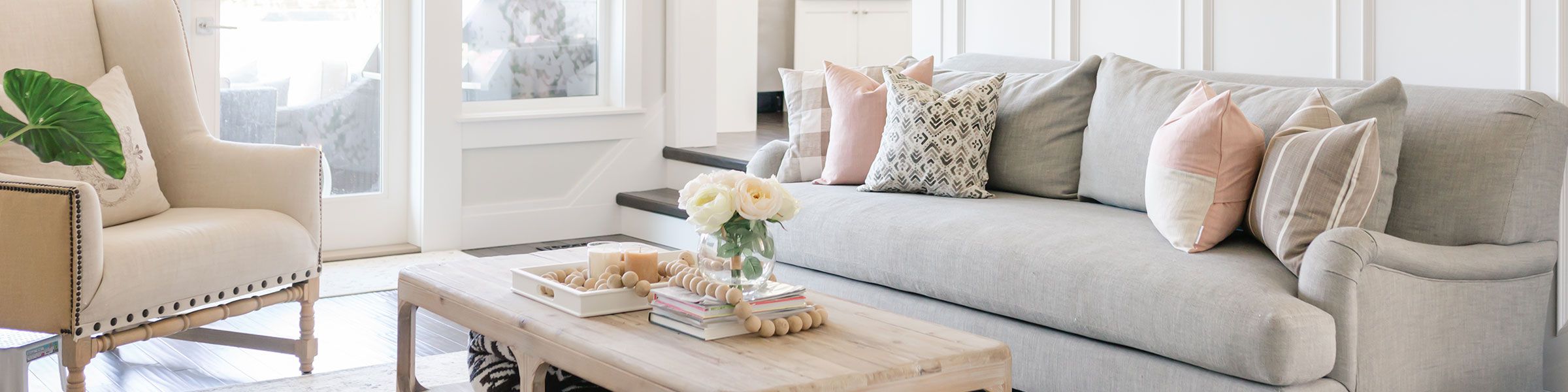
Decorating a home sounds simple until you realize there are approximately 97,000 ways to choose a sofa and every single one claims to be “timeless.” One person says go minimalist. Another says layer patterns like your walls are applying for a theater scholarship. Meanwhile, your living room is sitting there in emotional sweatpants waiting for a decision. That is exactly why understanding decorating styles and themes matters.
When you know the language of interior design, everything gets easier. You stop buying random “cute” things that have nothing to do with each other. You start recognizing why one room feels calm, another feels formal, and a third feels like it belongs to someone who owns excellent candles and never loses a charger. The best decorating styles and themes are not about copying a catalog page. They are about creating a home that feels cohesive, comfortable, and unmistakably yours.
In this guide, we will break down the most popular interior design styles, explain what makes each one special, and show you how to choose a theme that works in real life. Not fantasy life. Real life, where shoes pile up by the door and someone is always putting a mug on a table without a coaster.
Why Decorating Styles and Themes Matter
A decorating style is the overall visual language of a room. Think of it as the grammar of design: the shapes, materials, colors, furniture lines, and mood that make a space feel consistent. A decorating theme is more specific. It is often a guiding concept, influence, or vibe layered onto a style. For example, a room can have a modern decorating style with a coastal theme, or a traditional style with a garden-inspired theme.
The magic happens when style and theme cooperate instead of wrestling each other in public. A clear design direction helps with furniture shopping, color selection, storage decisions, and even editing. Yes, editing. Because not every charming object you meet at a flea market deserves citizenship in your house.
The Most Popular Decorating Styles and Themes
1. Modern Style
Modern interior design is built on clean lines, simplicity, and function. It favors uncluttered layouts, smooth surfaces, restrained color palettes, and furniture that looks intentional rather than fussy. You will often see materials like wood, glass, leather, and metal, along with architectural shapes that do not need a lot of ornament to make a statement.
This style works beautifully for people who want their home to feel calm and organized without looking cold. The trick is to add warmth through texture: a boucle chair, a wool rug, linen curtains, or a wood coffee table can keep a modern room from feeling like a very stylish dentist’s office.
2. Contemporary Style
People often confuse modern and contemporary decorating, but they are not identical twins. Modern refers to a recognized design tradition. Contemporary refers to what feels current right now. That means it evolves. A contemporary room may borrow modern lines, but it is more flexible and more likely to reflect today’s tastes, materials, and trends.
If you like sleek rooms but still want softness, curves, layered neutrals, interesting light fixtures, and a little trend awareness, contemporary style might be your lane. It says, “I keep up with design,” without screaming it from a terrazzo rooftop.
3. Traditional Style
Traditional decorating is classic, elegant, and rooted in symmetry. It often includes rich wood tones, tailored upholstery, detailed millwork, layered textiles, and a sense of polish. Furniture tends to have graceful lines, rooms feel balanced, and everything looks considered.
Traditional style gets unfairly labeled as stuffy, but done well, it is warm and deeply livable. The secret is avoiding a museum mood. Mix in relaxed fabrics, fewer formal accessories, and one or two updated pieces so the room feels timeless rather than trapped in a family portrait from 1994.
4. Transitional Style
If modern and traditional had a very organized, well-dressed child, it would be transitional style. This look blends the structure and elegance of classic interiors with the simplicity of modern design. You get comfort, clean silhouettes, and enough detail to feel inviting without becoming busy.
Transitional spaces are often built around neutral palettes, layered textures, and a mix of old and new furnishings. It is one of the most versatile home decor themes because it suits different house types and ages well. In other words, it is the design equivalent of a white button-down shirt: dependable, flexible, and weirdly hard to mess up.
5. Scandinavian Style
Scandinavian decorating is beloved for a reason. It combines simplicity, function, light wood, soft colors, and practical comfort. Rooms in this style feel bright, airy, and intentionally uncluttered. White walls, pale oak, natural textiles, simple lighting, and cozy accents are all common moves.
But Scandinavian design is not just minimalism in a sweater. It values everyday comfort. That means a room should look clean but still feel human. Add a sheepskin throw, a textured rug, handmade ceramics, and warm lighting, and suddenly your room feels less “empty apartment listing” and more “quiet, beautiful life.”
6. Mid-Century Modern Style
Mid-century modern remains one of the most recognizable interior design styles because it balances function with personality. Expect tapered legs, streamlined furniture, organic curves, wood tones, geometric patterns, and a mix of practicality and visual charm.
This style works especially well in smaller spaces because the furniture often has lighter visual weight. Pieces tend to sit on legs rather than heavy bases, which helps a room feel more open. If you love a retro mood but do not want your house to resemble a movie set, mix mid-century pieces with contemporary art, fresh textiles, and edited accessories.
7. Farmhouse Style
Farmhouse decor has evolved far beyond shiplap mania and signs telling everyone to gather. The most appealing farmhouse interiors today are warm, relaxed, and grounded in natural materials. Think wood, linen, vintage-inspired furniture, open shelving, and a palette of soft whites, earthy neutrals, muted greens, or weathered blues.
Modern farmhouse works best when it feels authentic rather than over-themed. A reclaimed wood bench? Great. Twelve decorative milk jugs and a rooster statue with strong opinions? Maybe not. Use farmhouse style to create comfort, texture, and character, not to audition your kitchen for a reality show.
8. Coastal Style
Coastal decorating themes are not about turning your home into a souvenir shop near a pier. Good coastal design is breezy, light, and textured. It draws from sand, sea, sky, and natural materials without getting overly literal. You will often see whites, creams, soft blues, driftwood tones, woven baskets, linen upholstery, and jute rugs.
The most sophisticated coastal rooms feel relaxed and sun-washed. If you want the look, focus on materials and mood rather than obvious beach props. One bowl of shells is charming. An entire bathroom labeled “mermaid headquarters” is a different conversation.
9. Bohemian Style
Boho decor is expressive, layered, and full of personality. It often includes mixed patterns, global influences, collected art, warm woods, rattan, vintage finds, plants, textiles, and colors that range from earthy to jewel-toned. Bohemian rooms do not aim for rigid perfection. They aim for character.
That said, boho style works best when it has rhythm. Repeating colors, balancing textures, and creating visual pauses keep the room from sliding into beautiful chaos. The goal is “collected over time,” not “I lost control at a craft market.”
10. Industrial Style
Industrial interior design highlights raw finishes, strong lines, and practical materials such as metal, brick, concrete, weathered wood, and black accents. It is inspired by warehouses and lofts, but it can work in regular homes too, especially when balanced with softer elements.
If industrial rooms feel too hard for your taste, soften them with upholstered seating, warm wood tones, layered rugs, and softer lighting. A little contrast goes a long way. You want “urban cool,” not “unfinished basement with ambitions.”
11. Minimalist Style
Minimalist decorating strips a room down to what matters most. It values space, restraint, and thoughtful choices. Fewer objects, cleaner surfaces, and strong functional pieces define the look. But true minimalism is not deprivation. It is clarity.
A minimalist room can still feel inviting when it includes rich texture, natural light, quality materials, and a few meaningful objects. The point is not to own nothing. The point is to stop letting visual clutter host a daily parade in your peripheral vision.
12. Eclectic and Maximalist Themes
At the opposite end of the spectrum, eclectic decor and maximalist themes celebrate abundance, mixing, and personal expression. These spaces often feature layered art, bold color, vintage pieces, sculptural furniture, books, collected objects, and a fearless attitude toward pattern.
The best eclectic rooms are still edited. There is usually an anchor, whether it is a repeating color palette, a strong furniture shape, or a shared mood. Without that anchor, a room can feel scattered. With it, the room feels rich, lively, and deeply personal.
How to Choose the Right Decorating Style for Your Home
The best home decorating style is not always the trendiest one. It is the one that fits how you live. Start with your architecture. A sleek condo may naturally support modern, Scandinavian, or contemporary interiors. An older home may sing with traditional, transitional, cottage, or farmhouse influences. That does not mean you are trapped by your house. It simply means the architecture gives you clues.
Next, think about maintenance. Do you love a clean, minimal room but have kids, pets, hobbies, and approximately 400 charging cables? You may be happier with transitional or contemporary style than strict minimalism. Do you adore bohemian rooms but hate visual clutter? Try a restrained eclectic approach instead.
Also consider your emotional response to space. Some people feel soothed by neutrals and order. Others feel energized by color and layers. Some want their home to whisper. Others want it to wink. Neither is wrong. Good decorating is less about impressing strangers and more about supporting your daily life.
Smart Ways to Mix Decorating Styles and Themes
Mixing styles is often what makes a room feel finished and believable. Very few great spaces are one-note. A modern room can benefit from vintage wood. A traditional room can be sharpened by contemporary lighting. A coastal room can feel more grounded with rustic or organic details.
The easiest way to mix styles successfully is to keep a few things consistent:
- A tight color palette
- Repeated materials or finishes
- Balanced scale and proportion
- A clear dominant style with supporting accents
Think of it like getting dressed. A leather jacket can look great with tailored trousers, but only if the outfit still makes sense as a whole. Same rule, fewer shoes.
Common Decorating Mistakes to Avoid
One of the biggest mistakes in decorating is buying everything at once from one source. It can make a room feel flat, generic, and suspiciously similar to page 14 of a catalog. Better rooms usually look layered over time.
Another mistake is confusing theme with costume. A coastal theme should not require a ship wheel. A farmhouse theme does not need to involve decorative barn equipment. Style works best when it suggests rather than shouts.
Finally, many people ignore scale. A beautiful room can fail simply because the rug is too small, the art is too tiny, or the furniture looks like it was borrowed from three unrelated households on short notice. Even the best decorating style needs proportion to work.
What the Experience of Living With These Styles Is Really Like
One of the most interesting things about decorating styles and themes is that they do not just change how a room looks. They change how a room feels to live in. A modern room often creates a sense of control. You walk in, your shoulders drop a little, and your brain stops trying to process seventeen competing objects. It can feel efficient, grown-up, and calm, especially after a noisy day. But if modern design is taken too far, the space can start feeling emotionally unavailable, like it gives excellent advice but never remembers your birthday.
Traditional rooms create a different experience. They tend to feel rooted, collected, and settled. There is often a quiet sense of ceremony to them, even in everyday life. Morning coffee feels slightly more important in a room with layered drapery, framed art, and a proper side table. At the same time, traditional spaces can feel overly formal if everything is too precious to touch. No one wants to live in a room that acts like guests are one fingerprint away from disaster.
Scandinavian and minimalist spaces usually feel mentally lighter. People are often drawn to them because they reduce visual noise and make routines feel easier. Shoes have a place. Mail has a place. Blankets somehow look artistic instead of abandoned. The experience is refreshing, but it does require discipline. If you naturally collect books, hobbies, ceramics, or mysterious cables from extinct electronics, minimalism can turn into a constant battle between your aesthetic goals and your actual habits.
Bohemian, eclectic, and maximalist homes offer almost the opposite emotional experience. They feel layered, expressive, and personal. These are the spaces where visitors start asking questions: “Where did you get that lamp?” “Is this vintage?” “Why do I suddenly want orange velvet?” A richly decorated room can be energizing and joyful because it tells a story. The challenge is keeping the story readable. Without enough restraint, the room can feel visually loud, like every object is trying to grab the microphone at once.
Farmhouse, coastal, and other relaxed natural themes often feel easy to inhabit. They are popular because they make rooms seem welcoming and low-pressure. Linen wrinkles look charming instead of tragic. Wood with a little wear feels soulful instead of flawed. These styles are forgiving, which is one reason people keep returning to them. They support actual life. The dog can nap there. Kids can sprawl there. You can host friends without giving a ten-minute speech about where beverages are allowed.
In the end, the lived experience of design matters more than labels. The most successful decorating style is the one that helps your home support your routines, reflect your personality, and make everyday moments feel a little better. If your room looks beautiful but you do not feel comfortable in it, the style is not serving you. But when style and lifestyle finally click, a home stops feeling decorated and starts feeling right. And honestly, that is the dream.
Conclusion
Decorating styles and themes are not rigid rules. They are tools. They help you identify what you love, edit what you do not, and build rooms that feel intentional instead of accidental. Whether you lean toward modern simplicity, traditional warmth, bohemian layers, farmhouse comfort, coastal ease, or an eclectic mix that refuses to be put in a box, the goal is the same: create a home that looks cohesive and feels good to live in.
The best rooms rarely come from blindly following trends. They come from understanding the principles behind great design and then shaping them around your own habits, tastes, and space. So pick a direction, trust your eye, and remember: a beautiful home does not need to be perfect. It just needs to feel like it knows who it is.