Puberty is one of those life stages that can feel like your body signed up for a surprise software update without asking you first. One day, everything seems normal. The next, your jeans are too short, your skin is acting suspicious, and your emotions are doing cartwheels over absolutely everything, including toast. If that sounds familiar, welcome to one of the most normal human experiences on Earth.
So, how do you know you are in puberty? The short answer: your body starts changing in consistent, noticeable ways. The slightly longer and much more helpful answer is that puberty usually shows up through physical changes, growth changes, and emotional or reproductive changes. Not everyone starts at the same age, and not everyone follows the exact same timeline, which is why comparing yourself to friends is usually a terrible hobby.
In this guide, we’ll break down three clear ways to know you are in puberty, explain what is normal, and share what experiences often feel like in real life. Whether you are curious for yourself, writing for a student audience, or just trying to decode the mystery of adolescence, this article will help make the process feel a lot less confusing.
What Puberty Actually Means
Puberty is the stage when a child’s body begins developing into an adult body. Hormones start sending messages that affect growth, skin, hair, emotions, and the reproductive system. This does not happen overnight. It unfolds over several years, and the pace can be different for every person.
In general, puberty often starts earlier in girls than in boys. For many girls, it may begin somewhere around ages 8 to 13. For many boys, it often begins around ages 9 to 14. Those ranges are broad for a reason: normal development is not one-size-fits-all. Some people seem to launch into puberty early, while others feel like they are still waiting for the trailer.
Now let’s get to the big signs.
1. Your Body Starts Showing New Physical Signs
The first and most obvious clue that you are in puberty is that your body begins developing secondary sex characteristics. That sounds like a phrase invented by a textbook that hates fun, but it simply means visible changes such as breast development, testicle growth, body hair, and a changing body shape.
For girls, early signs often include breast buds
One of the earliest signs of puberty in girls is usually the development of breast buds. These are small, firm bumps under one or both nipples. They can feel tender, and one side may start before the other. That uneven beginning is extremely common, even if it feels unfair and rude.
Other physical changes may follow, including:
- Hair growing in the pubic area and under the arms
- Hips gradually widening
- A small amount of clear or white vaginal discharge before the first period
- Breasts continuing to grow and change shape over time
Periods usually do not arrive as the very first sign. They often begin later, commonly around two to three years after breast development starts. So if someone says, “I don’t have my period yet, so I must not be in puberty,” that is not necessarily true at all.
For boys, early signs often start with the testicles
In boys, the earliest physical sign of puberty is often enlargement of the testicles and changes in the scrotum. Because that is not exactly the kind of thing people discuss during lunch, many boys miss it at first. After that, the penis begins to grow, and pubic hair appears.
Other common changes include:
- Hair growth in the pubic area, underarms, face, and sometimes chest
- A deeper voice, often with a cracking phase in the middle
- Broader shoulders and more muscle development
- Temporary swelling under the nipples in some boys
That last one surprises a lot of people. Mild, temporary breast-area swelling can happen during puberty in boys because of hormonal shifts. It is often normal and usually goes away with time.
What this first sign really tells you
If your body is clearly starting to look and feel different in these ways, that is a strong sign you are in puberty. These changes are not random. They are part of your body’s built-in development plan. Puberty may feel chaotic from the inside, but biologically, it is a carefully choreographed process.
2. Your Body Suddenly Feels Like It Hit the “Growth and Maintenance” Button
The second big way to know you are in puberty is that your whole body starts acting like it joined a very intense renovation show. Height, weight, skin, sweat, body odor, and hair growth can all change within a fairly short period.
Growth spurts are a huge clue
If you feel like your shoes fit for about eleven minutes before becoming useless, that may be a growth spurt talking. During puberty, many kids grow faster than they did in earlier childhood. Arms and legs may seem to stretch first, which can make someone feel awkward, clumsy, or like they borrowed their own body from a taller cousin.
Girls often experience a growth spurt earlier in puberty. Boys often hit theirs a bit later, but it can be dramatic when it happens. This is one reason classmates can look wildly different in middle school. One kid looks like they should still be building pillow forts, and another looks ready to apply for a mortgage.
Skin, sweat, and body odor can change too
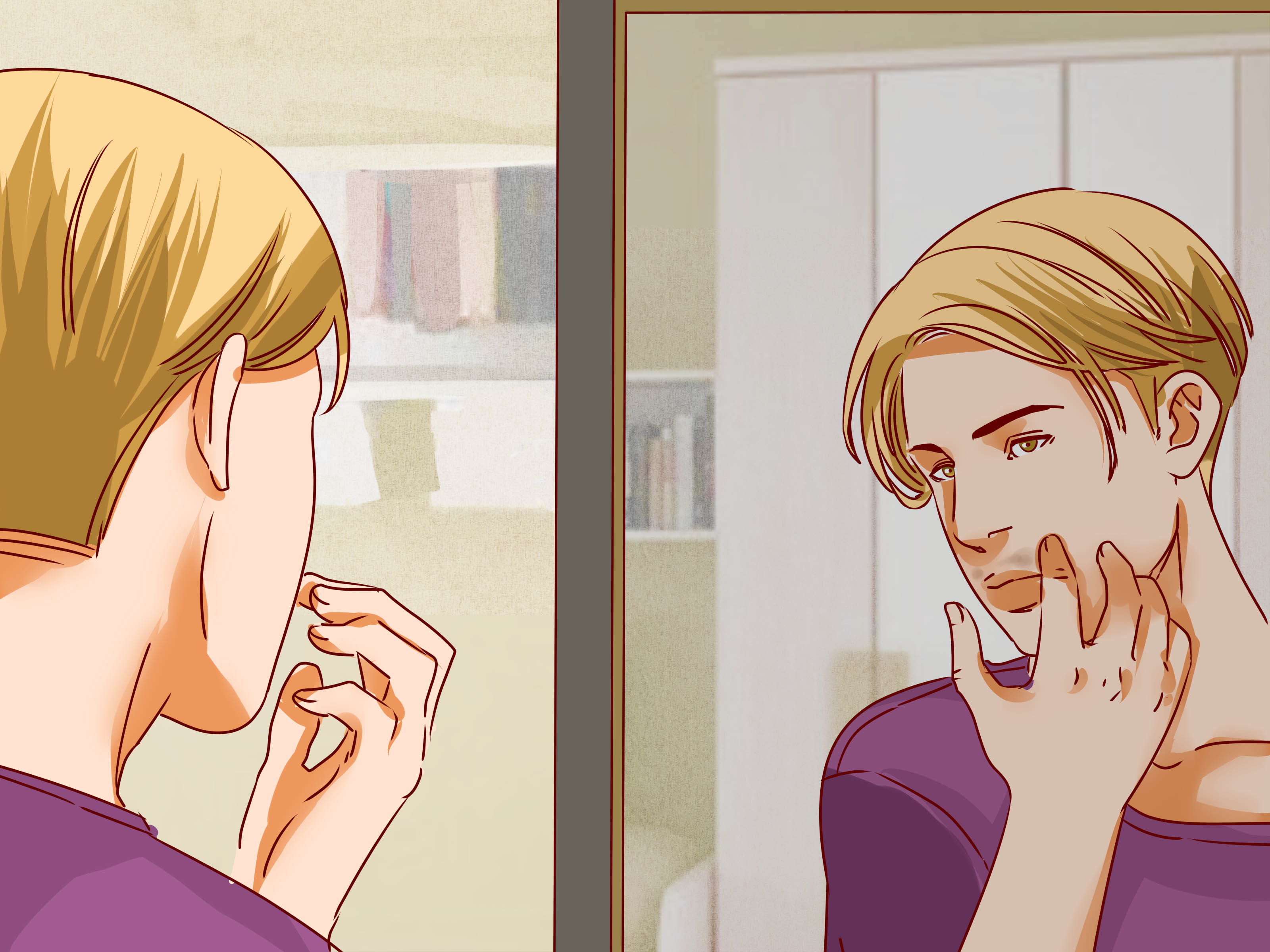
Another strong sign of puberty is the arrival of new skin and hygiene issues. Sweat glands become more active. Body odor gets stronger. Acne may appear on the face, chest, or back. And suddenly, deodorant goes from “optional product in the store” to “trusted ally in daily life.”
This happens because rising hormone levels increase oil production and activate apocrine sweat glands. Translation: your body is doing normal puberty things, not trying to personally inconvenience you. Good hygiene helps a lot, but some changes are simply part of the process.
Common puberty-related body changes include:
- Needing deodorant more often
- Oilier hair or skin
- Pimples or acne breakouts
- New hair growth on the legs, arms, underarms, or pubic area
- Changes in body shape and weight distribution
Your appetite and sleep may shift
Because the body is growing quickly, many teens also notice they feel hungrier and sleepier. You are not “being lazy” if you need more rest during this stage. Puberty is hard work. Your body is growing bones, muscles, skin, and reproductive organs while also remodeling the brain. That is a lot to ask of one human before first period math.
If you are growing, sweating more, breaking out, and starting to develop more body hair, there is a very good chance puberty has entered the chat.
3. Your Emotions, Daily Life, and Reproductive Milestones Start Changing
The third major clue is that puberty is not only physical. It also affects emotions, relationships, self-awareness, and daily routines. This is the section where many kids think, “Oh, so that explains why I cried because someone finished the cereal.” Yes. Possibly.
Mood shifts are common
Hormonal changes during puberty can affect mood. That does not mean every teen becomes a walking thunderstorm, but it does mean feelings can get bigger, stronger, and more unpredictable for a while. You may notice:
- Feeling more self-conscious
- Being more sensitive about appearance
- Wanting more privacy or independence
- Getting annoyed faster than usual
- Feeling excited one minute and miserable the next
These changes are common, but they should not be used to dismiss serious emotional struggles. Normal moodiness is one thing. Ongoing depression, hopelessness, panic, or major behavior changes deserve adult support and professional help.
Reproductive changes may begin
Puberty also brings changes tied to sexual development, even if someone is not emotionally focused on that part yet. In girls, this includes vaginal discharge and eventually menstruation. In boys, erections may happen more often, sometimes for no obvious reason at all, because puberty loves awkward timing. Wet dreams may also happen. These are normal parts of development.
It can help to know that these experiences are not signs something is wrong. They are signs that the reproductive system is maturing. The body is learning new patterns, and sometimes those patterns arrive with all the subtlety of a marching band.
You may start seeing yourself differently
One emotional hallmark of puberty is increased awareness of identity, friendships, and body image. Kids and teens often begin caring more about how they look, how they fit in, and what other people think. That can be normal, but it can also make puberty feel mentally exhausting.
This is why reassurance matters so much. Puberty is not a contest. It is a timeline, and timelines are messy. Starting earlier does not make someone more mature. Starting later does not mean someone is behind in life. It just means bodies read their own calendars.
What Puberty Does Not Look Like
Sometimes the best way to understand puberty signs is to clear up the myths. Puberty does not mean you will experience every change immediately. It does not mean you will look exactly like your friends. And it definitely does not mean you need to panic over every pimple or bad mood.
Also, puberty is not a single event. It is a process that can take several years. Some signs appear early, some later, and some show up in a different order than expected. That is why patience is useful, even though patience is not exactly a crowd favorite during adolescence.
When to Talk to a Doctor
Most puberty changes are normal, but there are times when it makes sense to check in with a pediatrician or family doctor. Ask for medical advice if:
- Signs of puberty seem to begin very early, such as before age 8 in girls or before age 9 in boys
- A girl has no breast development by around age 13
- A boy has no testicular enlargement by around age 14
- Periods are extremely heavy, very painful, or do not start after other development has been progressing for years
- Emotional changes seem severe or unsafe
Medical support is not only for emergencies. Sometimes a quick checkup offers peace of mind, answers questions, and helps kids feel less alone.
Final Thoughts
If you want the simplest answer to the question, “How do I know I am in puberty?” here it is: your body, growth pattern, and emotions start changing in ways that are consistent with adolescence. The three biggest signs are visible body development, growth and skin changes, and emotional or reproductive milestones.
Puberty can be weird, inconvenient, funny, exciting, and occasionally deeply annoying. It can also be completely normal at the same time. The more you know about what to expect, the easier it becomes to handle the changes without thinking your body has turned into a confusing side quest.
So if your body is changing, your routines are shifting, and your emotions seem to have a louder microphone than usual, there is a good chance you are in puberty. Be kind to yourself. Drink water. Use deodorant. And remember: almost every adult you know survived this phase, even the ones who had frosted tips and regrettable middle-school opinions.
Experiences Related to “3 Ways to Know You Are in Puberty”
For many kids, puberty is not recognized in one dramatic movie moment. It is usually noticed through a series of small, strange, very real-life experiences. A girl might first realize something is changing because one of her shirts suddenly fits differently and she feels tenderness under the nipples. At first, she may assume something is wrong, especially if only one side seems to change. Then, a few months later, she notices underarm hair, body odor after gym class, and a stronger need for privacy. None of those signs show up with a giant flashing billboard, but together they tell a clear story: puberty has started.
A boy’s experience can be just as gradual and just as confusing. He may not notice the earliest sign right away, but he does notice that his shorts are getting shorter, his voice does a random crack during class, and suddenly he is eating like a small bear preparing for winter. Then body hair starts showing up, sweat becomes a bigger issue, and he feels more aware of how he looks around friends. He may joke about it, ignore it, or pretend not to care, but internally he is absolutely taking notes.
Another common experience is emotional whiplash. A kid who used to shrug off little problems may suddenly feel embarrassed, irritated, or overwhelmed much more easily. They may want more independence but also feel unsure about the changes happening to their body. One day they are confident, the next day they are convinced everyone in school noticed their pimple from outer space. That emotional roller coaster can be frustrating, but it is also a recognizable part of puberty for many teens.
There are also quieter experiences that do not always get discussed enough. A girl may notice vaginal discharge before getting her first period and worry that something is wrong, when in fact it can be a normal sign of development. A boy may have spontaneous erections or a wet dream and feel embarrassed, even though both can happen during puberty and are common. In both cases, what makes the experience easier is simple, factual information. When kids know what these signs mean, the fear level tends to drop fast.
Perhaps the most universal puberty experience is comparison. Kids often look around at classmates and wonder whether they are too early, too late, too tall, too short, too curvy, too flat, too hairy, too awkward, or just too everything. But puberty rarely unfolds in matching timelines. One student may grow five inches in a year. Another may not start obvious changes until later. Both can be completely normal. That is why reassurance from trusted adults, teachers, and health professionals matters so much during this stage.
In everyday life, puberty often feels less like a neat checklist and more like a collection of clues. A growth spurt here, a new emotion there, a change in body shape, a need for deodorant, a deeper voice, a first period, a weirdly dramatic reaction to running out of snacks. Put together, those experiences form a picture. And that picture says something pretty simple: your body is growing up, even if it insists on being hilariously inconvenient about it.