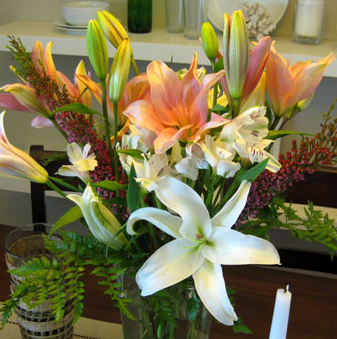
Some birthday gifts announce themselves with velvet boxes, complicated warranties, or a monthly payment plan. Mine arrived wra smelling faintly of spring, and looking as though the grocery-store flower department had thrown a very tasteful parade. It was a generous birthday bouquet of lilies, alstroemeria, soft filler flowers, and leafy greensand it cost far less than its glamorous first impression suggested.
That is the magic of budget blooms. They prove that fresh flowers do not need to be rare, imported, or guarded by a florist wearing white gloves. With smart shopping, basic flower care, and a little arranging confidence, an inexpensive birthday bouquet can brighten a home for days or even weeks. Better yet, the process becomes part of the celebration: selecting colors, trimming stems, choosing a vase, and watching tight buds open one by one.
Why Budget Blooms Feel So Luxurious
Fresh flowers create an immediate emotional upgrade. A regular kitchen table suddenly looks ready for brunch. A quiet corner becomes intentional. Even a pile of unopened mail appears slightly less judgmental when there is a cheerful vase beside it.
The secret is that perceived luxury is not determined only by price. Color harmony, flower condition, vase proportion, and thoughtful placement matter just as much. A modest bouquet arranged with breathing room can look more polished than an expensive bundle squeezed into the wrong container like passengers on a delayed subway.
Budget-friendly flowers also invite experimentation. When a bouquet costs less than dinner delivery, it is easier to try a bold color palette, divide the stems among several rooms, or practice arranging without worrying that one questionable snip has ruined a royal wedding centerpiece.
The Birthday Bouquet That Started the Celebration
My birthday bounty was not a single dramatic flower variety. It was a mixed cast, and each bloom had a job. Lilies provided height and theater. Alstroemeria added clusters of color and remarkable staying power. Small textured stems softened the edges, while greenery gave the arrangement shape and volume.
The result felt personal rather than generic. It did not shout, “A bouquet was purchased.” It said, “Someone noticed your favorite colors, wanted the house to feel festive, and also remembered that you enjoy stretching a dollar until it develops excellent posture.”
The Supporting Star: Long-Lasting Carnations
At the same time, a previous inexpensive bunch of carnations was still hanging on. Carnations sometimes suffer from an unfair reputation as the sensible shoes of the flower world. Yet they are colorful, ruffled, widely available, and famously durable. When grouped by color or paired with more sculptural blooms, they can look fresh and modern rather than old-fashioned.
The overlap between the older carnations and the new birthday bouquet was a useful reminder: value is not simply the checkout price. A flower that remains attractive for two weeks may deliver more enjoyment per dollar than a delicate bloom that stages a dramatic collapse before the birthday cake is gone.
How to Shop for Beautiful Birthday Flowers on a Budget
Set a Spending Limit Before Falling in Love
Flower displays are designed to weaken financial discipline. One minute you are buying milk; the next you are holding three bunches of ranunculus and whispering, “But they have layers.” Decide on a comfortable limit first. A small fixed budget encourages creative choices and prevents a cheerful errand from becoming a floral bailout package.
Inspect the Flowers Like Fresh Produce
Look for firm stems, clean water, healthy leaves, and petals without brown, translucent, or mushy areas. Choose bunches with a combination of open flowers and tight buds so the arrangement looks lively on day one and continues changing afterward. Avoid packages with broken stems, strong unpleasant odors, or foliage already decaying inside the sleeve.
Buy One Hero and Two Helpers
A reliable formula is to choose one focal flower, one supporting flower, and one filler or greenery. The focal flower might be lilies, roses, sunflowers, hydrangeas, or gerbera daisies. Supporting stems could include alstroemeria, carnations, chrysanthemums, or tulips. Filler may be statice, waxflower, chamomile, solidago, eucalyptus, or even clipped greenery from your yard when it is safe and legal to use.
This approach creates variety without requiring seven separate purchases. It also makes arranging easier because every stem has a visual role.
Use Color to Create a Premium Look
A tight color palette often looks more expensive than a random rainbow. Try blush, cream, and burgundy for a romantic birthday arrangement; yellow and white for cheerful energy; or peach, coral, and soft green for a warm modern look. Monochromatic bouquets are especially forgiving because the shades naturally cooperate even when the flower shapes differ.
Consider Seasonal and Locally Grown Options
Flowers that are abundant in season are often fresher and better priced. Spring may bring tulips, daffodils, and ranunculus; summer favors sunflowers, zinnias, cosmos, and dahlias; fall offers chrysanthemums and textural foliage. A farmers market or local flower farm can also provide unusual varieties and stems harvested close to the selling date.
How to Turn Grocery-Store Flowers Into a Designer Arrangement
The transformation begins after the plastic sleeve comes off. Grocery-store bouquets are often cut to similar lengths for shipping and display. Reworking those lengths is what gives an arrangement movement, dimension, and personality.
Step 1: Choose the Right Vase
A vase that is slightly taller than it is wide is beginner-friendly because it supports the stems without demanding an enormous quantity of flowers. A wide opening may require tape, a flower frog, or extra greenery to stop every stem from leaning toward the nearest exit.
Step 2: Clean Everything
Wash the vase with hot, soapy water and rinse it well. Use clean, sharp pruners or a floral knife rather than dull household scissors, which can crush tender stems. Clean tools and containers help limit bacteria that can interfere with water uptake and shorten vase life.
Step 3: Remove Leaves Below the Waterline
Strip any foliage that would sit underwater. Submerged leaves decay, cloud the water, and create a bacterial buffet. Keep healthy leaves above the vase rim, where they can contribute shape without turning the water into swamp-themed décor.
Step 4: Trim and Hydrate the Stems
Cut a small amount from each stem with a sharp tool and place it into water promptly. Angled cuts can help prevent the stem end from resting flat against the vase, although straight cuts can also work when made cleanly. Use the flower-food packet according to its directions rather than assuming that twice as much food produces twice as much enthusiasm.
Step 5: Build in Layers
Begin with greenery or sturdy filler stems to establish the outline. Add the largest focal flowers next, turning the vase as you work. Place supporting flowers around them at varied heights, then use delicate filler to soften gaps. The arrangement should have a clear shape without looking as though every flower has been assigned a seat number.
For a compact vase, a simple tape grid across the opening can help hold stems in place. Another easy strategy is to cut some flowers shorter around the edge while leaving a few longer stems toward the center. Variation creates depth and lets individual blooms remain visible.
Making a Birthday Bouquet Last Longer
Long vase life is where budget flowers become truly economical. The goal is to keep the water clean, the stems open, and the arrangement away from conditions that speed aging.
Refresh the Water Regularly
Replace cloudy water immediately and, as a general habit, refresh the vase every couple of days. Rinse the vase, remove fading material, and trim a small amount from the stem ends before returning the flowers. Fresh water is less glamorous than a mysterious internet potion, but it is far more dependable.
Keep the Bouquet Cool
Place flowers away from direct sunlight, heating vents, stoves, and strong drafts. Warm conditions increase water loss and speed the processes that lead to wilting. A cool room or shaded display spot generally helps cut flowers remain presentable longer.
Move Flowers Away From Ripening Fruit
A bowl of bananas may look charming beside a bouquet, but ripening fruit releases ethylene gas, which can accelerate flower aging. Keep the birthday arrangement on a separate surface unless the design theme is “beauty and the passage of time.”
Remove Spent Blooms Early
As individual flowers fade, remove them rather than allowing them to slump into neighboring blooms. This keeps the arrangement neat and reduces decaying material in the vase. Mixed bouquets rarely decline at the same speed, so editing the arrangement can extend its attractive life.
Divide the Bouquet as It Shrinks
When only a few stems remain, move them into a smaller vase, drinking glass, or bud vessel. Large arrangements often enjoy an excellent second career as tiny bouquets on a nightstand, bathroom shelf, or desk. Nothing says resourceful elegance like a final carnation holding court in a clean jam jar.
More Ways to Create a Birthday Bounty for Less
Use Several Small Vases
One inexpensive bunch can become three or four mini arrangements. Repeating the same color around a room creates a coordinated look and often feels more abundant than one crowded centerpiece.
Mix Flowers With Meaningful Objects
Place a small vase beside a framed photograph, birthday card, favorite book, or cake stand. The flowers become part of a personal scene rather than an isolated decoration. This technique adds emotional value without adding stems.
Grow a Tiny Cutting Garden
Even a modest sunny plot or a few large containers can produce bouquet material. Zinnias, cosmos, sunflowers, and other productive annuals are popular choices for cutting gardens. Good sunlight, well-drained soil, appropriate spacing, and regular harvesting can support a steady supply during the growing season.
Preserve the Best Stems
Some birthday flowers can be air-dried or pressed after their fresh display ends. Hang suitable stems upside down in a dry, dark, ventilated place, or press flatter blooms between absorbent paper. The result can become a framed keepsake, gift tag, bookmark, or small reminder of the celebration.
What Budget Blooms Teach Us About Celebrating
A memorable birthday does not require extravagant spending. It requires attention. Flowers feel special because they are temporary, sensory, and slightly unnecessary in the best possible way. They are not purchased to solve a practical problem. They are purchased to make an ordinary room feel kinder.
Budget blooms also shift the focus from price to participation. Choosing, trimming, arranging, and caring for flowers creates a ritual. The bouquet becomes something you notice each morning. Buds open. Lilies release fragrance. A stem leans dramatically and is rescued. The display changes, and the birthday stretches beyond one day.
That may be the greatest bounty of all: not the number of stems, but the number of small moments they create.
My Birthday Bloom Experience: 500 More Words From the Vase
On the morning after my birthday, the bouquet looked almost too formal for our everyday kitchen. The lilies stood high above the other stems, still partly closed, while the alstroemeria formed bright clusters around them. I placed the vase in the center of the table and immediately discovered the first rule of living with tall flowers: people still need to see one another across breakfast. The bouquet moved to the sideboard, where it looked intentional rather than mildly obstructive.
I had expected the arrangement to be a lovely two- or three-day event. Instead, it became a small ongoing project. Each morning, I checked the water before making coffee. I removed loose pollen carefully, rotated the vase, and watched the closed buds decide whether they were ready for public life. The routine took less than a minute, but it made the bouquet feel less like a product and more like a guestone that was beautiful, quiet, and blessedly uninterested in the Wi-Fi password.
A few days later, the first lily opened. It changed the balance of the entire arrangement. What had looked compact and colorful suddenly became architectural. The bloom was large enough to make the inexpensive supporting flowers appear more luxurious, proving that one dramatic focal flower can do a remarkable amount of visual heavy lifting.
Meanwhile, the older carnations from the previous month were still performing with almost comic determination. Their edges were beginning to curl, but several stems remained colorful and upright. I trimmed them again, discarded the tired blooms, and placed the survivors in a small white pitcher. The new birthday bouquet went in the living room; the carnations moved to my desk. One purchase had become two separate moods: celebration in one room and stubborn optimism in another.
The most satisfying moment came when the large arrangement began to thin. Instead of declaring the bouquet finished, I separated the remaining stems by size. Two alstroemeria clusters went into a short glass near the kitchen sink. A sprig of greenery and one smaller bloom moved to the bathroom shelf. The final lily stayed alone in a narrow vase, where it looked less like a leftover and more like a minimalist design decision.
That experience changed the way I think about birthday flowers. I used to see a bouquet as a single arrangement with a clear expiration date. Now I see it as a sequence. First comes the grand entrance. Then the buds open and the shape evolves. Later, the arrangement gets edited, divided, and moved. Finally, one or two stems remain, carrying the celebration quietly into another week.
I also learned that affordable flowers invite more attention, not less. Because I was not worried about preserving a costly florist masterpiece exactly as delivered, I felt free to experiment. I shortened stems, changed vessels, removed greenery, and tried combinations that would have made a professional designer either proud or gently concerned.
My birthday bounty was modest by luxury standards, but it delivered color, fragrance, amusement, and a daily reason to pause. That is an impressive return for something purchased beside the produce aisle. The bouquet did not need to be expensive to feel abundant. It only needed to be chosen with care, arranged with curiosity, and enjoyed before the petals inevitably reminded me that every partyincluding a floral oneeventually winds down.
Conclusion
Budget blooms offer one of the easiest ways to make a birthday feel generous without turning the celebration into a financial hangover. Shop for fresh, healthy stems; use a limited color palette; combine one focal flower with affordable supporting blooms; and give the arrangement clean water, cool placement, and regular trims. A little care can turn an ordinary grocery-store bouquet into a changing display that lasts far beyond the candles and cake.
The best birthday bounty is not always the largest. Sometimes it is a vase of cheerful flowers, a few buds waiting to open, and the satisfying knowledge that beauty can be both special and sensible.