Some kitchen gadgets arrive with a cord, a blinking screen, three confusing buttons, and the emotional intensity of a tiny spaceship. The Presso Espresso Maker goes the other way. It says, “Give me hot water, coffee, and two working hands. We’ll handle the rest.” That is the charm of this manual espresso maker: it strips espresso back to pressure, heat, fresh grounds, and a little human effort.
The Presso Espresso Maker, now closely associated with ROK Coffee’s hand-powered espresso machines and the newer Presso Smartshot, belongs to a category that feels both old-school and surprisingly modern. It does not need electricity. It does not require pods. It does not demand half your countertop. Instead, it offers a compact, sculptural way to make strong, espresso-style coffee at home, in a cabin, on a road trip, or anywhere you can boil water.
For coffee lovers who enjoy the ritual but not the machinery drama, the Presso is an appealing middle ground. It is more hands-on than a capsule machine, less intimidating than a commercial-style espresso setup, and much more fun than waiting in line behind someone ordering a drink with nine adjectives.
What Is the Presso Espresso Maker?
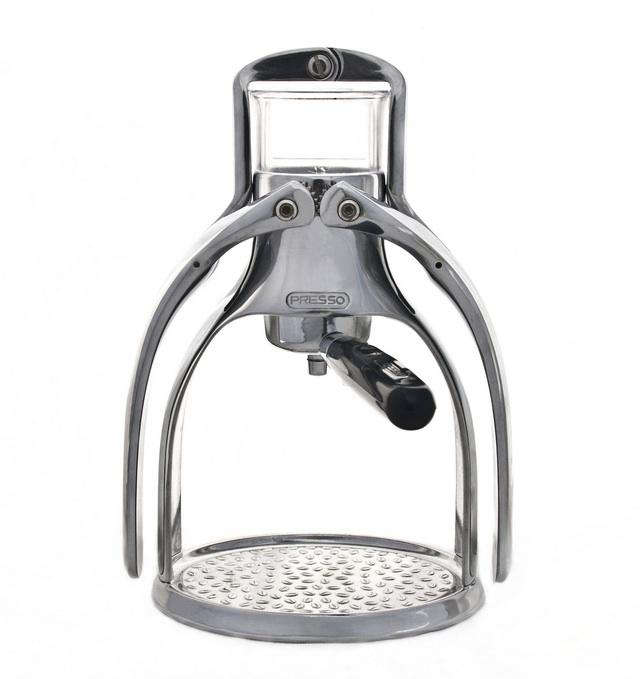
The Presso Espresso Maker is a manual espresso device designed to create pressure without an electric pump. Early versions of the Presso attracted attention because they looked beautiful, used polished metal construction, and made it possible to brew espresso-style coffee with only hot water and physical pressure. Over time, the concept evolved under the ROK Coffee name, with models such as the ROK EspressoGC and Presso Smartshot carrying the same unplugged coffee philosophy forward.
The basic idea is simple. You add ground coffee to a portafilter-style basket, pour hot water into the chamber, raise the lever arms, and press down. That downward force pushes water through the coffee grounds, producing a concentrated shot with aroma, body, and, when the grind and coffee are right, a layer of crema.
Unlike automatic espresso machines, the Presso does not control every variable for you. It does not heat water, regulate pressure with electronics, or grind beans. That may sound like a drawback, but for many people it is the entire point. The Presso turns coffee from a push-button transaction into a small daily performanceless “appliance,” more “breakfast theater.”
Why “Coffee Unplugged” Still Feels Fresh
The phrase “coffee unplugged” fits the Presso perfectly because it removes espresso from the world of cords, pumps, capsules, firmware, and countertop real estate wars. Manual espresso makers appeal to people who want great coffee without depending on a large electric machine. They also attract design lovers who appreciate simple mechanical objects that do one job well.
In a world where even refrigerators now seem emotionally needy, the Presso is refreshingly quiet. There is no motor rumble. No plastic pod is punctured. No app asks for permission to send notifications. You are simply using leverage and pressure to brew coffee. It feels satisfyingly direct, like making pasta by hand or using a cast-iron skillet instead of a gadget that promises to “optimize browning through cloud intelligence.”
How the Presso Espresso Maker Works
1. Grind the Coffee
For classic espresso-style results, fresh coffee ground on the fine side is ideal. The grind should be fine enough to create resistance but not so fine that water struggles to pass through. With manual espresso, grind size makes a huge difference. Too coarse, and the shot may taste thin or sour. Too fine, and pressing the levers can feel like negotiating with a stubborn jar lid.
2. Add Hot Water
Because the Presso does not include a boiler, you need a kettle or another source of hot water. A good target for espresso brewing is hot but not violently boiling water, generally around the range used by espresso machines. Preheating the metal parts with hot water can help maintain temperature, especially if the room is cool or the device has been sitting on a cold counter.
3. Press the Levers
The levers are the magic. As you push them down, you create the pressure needed to force water through the coffee bed. Traditional espresso machines often use pump pressure, while the Presso uses your hands. This makes the shot feel personal. If it tastes amazing, you get the credit. If it tastes odd, you still get the credit, but now you also get a science experiment.
4. Taste and Adjust
The Presso rewards small adjustments. If the coffee tastes weak, try a finer grind or a slightly larger dose. If it tastes harsh or bitter, try a coarser grind, fresher beans, or slightly cooler water. If the crema disappears faster than your motivation on a Monday morning, check bean freshness and grind consistency.
Presso vs. Electric Espresso Machines
An electric espresso machine wins on temperature stability, convenience, and repeatability. A good electric machine can maintain brew temperature, deliver consistent pressure, and steam milk with minimal effort. If you make five cappuccinos every morning for a household of impatient people, an electric machine may be the better choice.
The Presso wins on simplicity, portability, silence, and charm. It has fewer parts to fail, uses no electricity during brewing, and takes up much less space. It also gives users more tactile control. You feel the resistance of the coffee bed. You notice the flow. You become part of the process rather than a spectator watching a machine do its thing.
The trade-off is that manual espresso requires patience. You must manage water temperature, coffee dose, grind size, and pressing technique. The Presso will not magically fix stale beans or an inconsistent grinder. It is honest in that way. Sometimes brutally honest. Like a friend who tells you your “emergency coffee” from the back of the pantry expired before your last phone upgrade.
Presso vs. Pod Coffee Machines
Pod machines are fast, clean, and consistent. They are also limited by the capsules available, and many coffee drinkers dislike the ongoing cost and waste associated with single-use pods. The Presso takes the opposite approach. You choose the beans. You choose the roast. You choose the grind. You can buy coffee from a local roaster, a supermarket, or your favorite online source.
This freedom matters. Coffee flavor varies dramatically depending on origin, roast level, freshness, and brewing technique. With the Presso, you are not locked into a capsule ecosystem. That makes it attractive for people who want stronger, more personal coffee without turning the kitchen into a café laboratory.
Design: A Countertop Object With Personality
One reason the Presso Espresso Maker has remained interesting is its design. It does not look like a shrunken vending machine. It has a sculptural profile, with lever arms that give it a bit of mechanical drama. Depending on the model, it may use metal construction, a compact footprint, and a minimalist shape that looks comfortable in modern, rustic, industrial, or tiny-apartment kitchens.
Many coffee devices are hidden in cabinets when not in use. The Presso is the kind of tool people leave out because it looks intentional. It says, “I care about coffee,” but not in the slightly alarming way that a full prosumer espresso station with three grinders and a water filtration spreadsheet might say it.
Who Should Buy the Presso Espresso Maker?
Minimalists
If your dream kitchen has clear counters, useful objects, and zero unnecessary blinking lights, the Presso makes sense. It replaces electrical complexity with mechanical simplicity.
Travelers and Van-Life Coffee Fans
Because it does not require power, the Presso is especially appealing for campers, road-trippers, and people living or traveling in small spaces. As long as you can heat water, you can make coffee that feels far more special than instant packets.
Design Lovers
The Presso is not just a coffee tool; it is a conversation piece. Guests may ask what it is. You may demonstrate it. Suddenly everyone is standing in the kitchen discussing crema like they have been judging espresso competitions for years.
Curious Coffee Beginners
The Presso can be beginner-friendly, especially newer versions designed to reduce the need for advanced barista technique. Still, it is best for beginners who enjoy learning. If you want one button and no questions asked, a pod machine is easier. If you want to understand what grind, pressure, and water temperature do to flavor, the Presso is a great teacher.
What Kind of Coffee Does It Make?
The Presso makes a concentrated espresso-style shot. With the right coffee and technique, it can produce a rich, full-bodied cup with crema. However, results depend heavily on the beans, grind, dose, water temperature, and pressure. It may not match the exact consistency of a high-end commercial espresso machine, but it can produce a very satisfying shot for home use.
For American coffee drinkers, this means the Presso works well for straight espresso-style sipping, Americanos, iced lattes, cappuccinos if you have a separate milk frother, and coffee cocktails. It is also a fun way to explore different beans because the concentrated format makes flavor differences obvious. A chocolatey medium roast may taste smooth and round, while a bright single-origin coffee may come through with fruitier acidity.
Tips for Getting Better Results
Use Fresh Beans
Freshly roasted coffee usually produces better aroma, flavor, and crema. Beans that have been sitting open for months will not suddenly become glamorous because you pressed them through a handsome metal machine. Coffee has limits. So do we all.
Preheat the Brewer
Manual espresso makers can lose heat quickly because they do not have built-in boilers. Rinse the chamber and portafilter with hot water before brewing. This simple step can improve extraction and help the shot taste fuller.
Use a Good Grinder
A consistent grinder is one of the most important espresso tools. Uneven grounds can lead to uneven extraction, causing bitterness, sourness, or watery results. If you are serious about the Presso, pair it with a capable burr grinder.
Measure Your Dose
Eyeballing coffee can work, but weighing your dose helps you repeat good results. A small digital scale can make your morning ritual more consistent without turning it into a chemistry final.
Press Smoothly
Manual pressure should be firm and controlled. Do not slam the levers down as if the machine owes you money. A steady press gives water time to move through the coffee evenly.
Strengths of the Presso Espresso Maker
The biggest strength is independence. The Presso works without electricity, pods, or complicated electronics. It is compact, quiet, and relatively easy to understand. It also gives coffee lovers more control over beans and brewing technique.
Another major advantage is durability. Manual devices typically avoid some of the maintenance issues associated with electric pumps, boilers, and electronic controls. There are fewer things to break, fewer internal systems to descale, and fewer mysterious noises that make you wonder whether your espresso machine is communicating with submarines.
The Presso also supports a lower-waste coffee routine. Since it uses loose coffee instead of single-use capsules, users can reduce packaging waste and support local roasters more easily. For eco-minded coffee drinkers, that is a meaningful benefit.
Limitations to Know Before Buying
The Presso is not fully automatic, and that matters. You need a kettle, a grinder, and some willingness to experiment. Milk drinks require a separate frother or steamer. If you want café-level microfoam for latte art, the Presso alone will not draw a rosetta on your cappuccino. It will simply sit there looking elegant while you figure out milk texture elsewhere.
Temperature stability can also be less predictable than with electric machines. Since the water is heated separately and poured into the device, heat loss can affect extraction. Preheating helps, but it does not completely replicate a boiler-controlled espresso machine.
Finally, manual pressure varies. Some users love this because it gives them control. Others may find it inconsistent. The learning curve is not huge, but it is real. Expect a few practice shots before you find your preferred recipe.
Is the Presso Espresso Maker Worth It?
The Presso Espresso Maker is worth considering if you value design, simplicity, sustainability, and hands-on brewing. It is especially attractive for people who want espresso-style coffee without buying a bulky electric machine or committing to capsules.
It is not the best choice for someone who wants instant perfection with no effort. But for people who enjoy the ritual of coffee, the Presso offers something many modern appliances forget to include: satisfaction. You do the work, you see the result, and you drink the reward. That feels good.
In SEO-friendly terms, the Presso Espresso Maker is a manual espresso maker, portable espresso machine, non-electric coffee maker, and compact home espresso solution. In human terms, it is a handsome little lever machine that makes coffee feel like an event instead of a button press.
Experience Notes: Living With the Presso Espresso Maker
Using the Presso Espresso Maker changes the rhythm of coffee. The first thing you notice is the quiet. There is no pump buzzing against the counter, no capsule machine clicking dramatically, and no steam wand screaming like it has seen the future. The experience starts with a kettle, a scoop of coffee, and the small anticipation that comes from making something by hand.
The morning routine feels slower, but not in a bad way. It is the kind of slower that makes coffee taste earned. You grind the beans, warm the parts, add the coffee, pour the water, and press. The levers create a physical connection to the shot. You can feel whether the grind is too fine or too coarse. When the flow is right, there is a satisfying sense that the machine and the coffee have agreed to cooperate.
There is also a learning curve, and it is part of the fun. On the first few tries, the shot may come out too fast, too pale, or too intense. That is normal. The Presso teaches through feedback. A fast, watery shot tells you to grind finer or increase the dose. A slow, stubborn shot tells you to back off a little. A balanced shot with a pleasant aroma and syrupy body feels like winning a tiny private championship before 9 a.m.
One of the best experiences with the Presso is using it outside the normal kitchen setting. On a weekend trip, it turns a basic breakfast into something memorable. At a cabin, it feels almost luxurious. In a small apartment, it avoids the bulk of a full espresso machine. It is particularly satisfying for people who like gear that is useful, beautiful, and not overly complicated.
The Presso also encourages better coffee habits. Because the process is manual, you pay more attention to freshness, grind size, water temperature, and taste. Instead of treating coffee as a caffeine delivery system, you start noticing whether a bean tastes nutty, chocolatey, fruity, bitter, or flat. The machine becomes a small training tool for your palate.
Cleanup is generally straightforward, though not completely effortless. You still need to knock out the used grounds, rinse parts, and keep everything dry. Compared with electric machines, however, there is less hidden maintenance. No internal pump needs pampering. No electronic display judges you. No descaling cycle interrupts your life with a blinking warning light that looks suspiciously disappointed.
The most enjoyable part may be the feeling of control. The Presso does not pretend coffee is automatic magic. It makes you part of the recipe. For some users, that may feel inconvenient. For others, it is exactly why the device becomes a favorite. It turns espresso into a craft without making it feel impossible.
After a few weeks, the Presso can become more than a coffee maker. It becomes a ritual object. You learn which cup fits best underneath it, which beans behave nicely, how long to preheat, and how firmly to press. You may even start making coffee for guests just because the process is enjoyable to watch. The Presso is not simply about caffeine. It is about slowing down long enough to make one excellent little cupand then, naturally, considering a second.
Conclusion
The Presso Espresso Maker proves that espresso does not have to be tied to electricity, capsules, or complicated machinery. It brings coffee back to essentials: fresh grounds, hot water, pressure, and attention. While it cannot replace every feature of a premium electric espresso machine, it offers a compelling alternative for people who value portability, sustainability, design, and hands-on brewing.
For small kitchens, travel setups, design-conscious homes, and curious coffee lovers, the Presso remains a charming answer to a very modern question: can great coffee be simpler? The answer is yesprovided you are willing to roll up your sleeves, press the levers, and let your morning coffee earn its applause.